Thailand and Cambodia are engaged in their worst border conflict in over a decade, exchanging heavy artillery fire and causing casualties on both sides, with international calls for an immediate ceasefire and peaceful resolution.
The IDF raided a house in the Maghazi camp in central Gaza Strip, resulting in four Palestinian deaths and multiple injuries. The IAF also attacked the Abu Madin mosque in the El-Bureij refugee camp, with extensive artillery fire reported in several central Gaza locations. The purpose of the operation remains unclear.
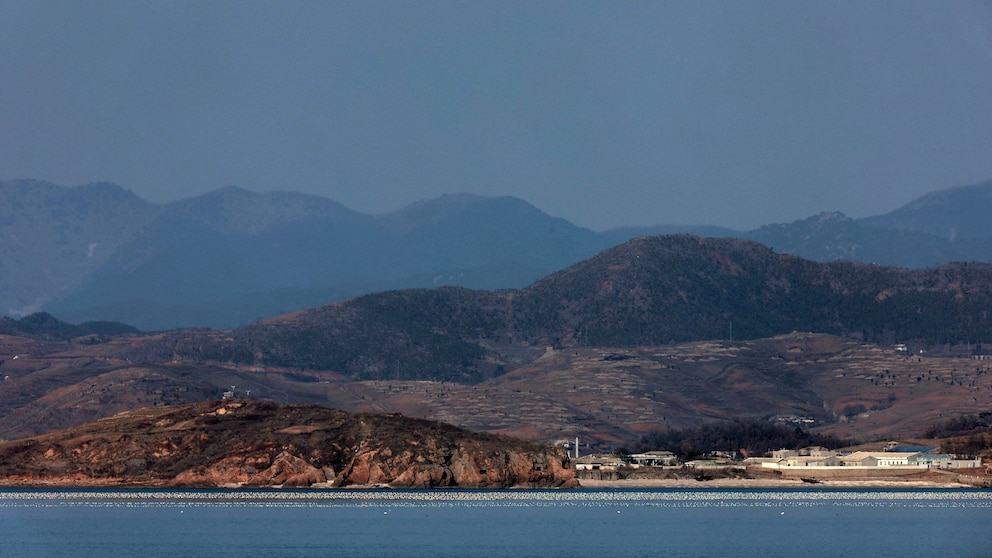
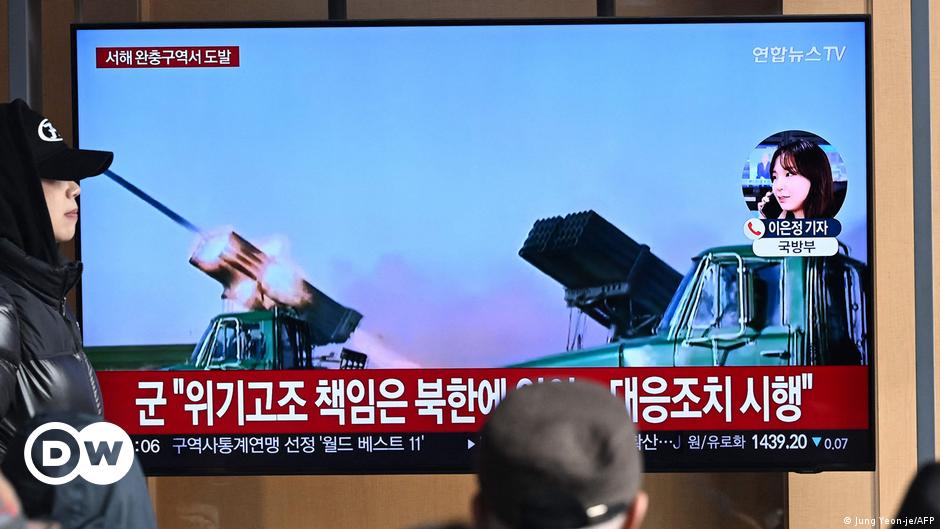
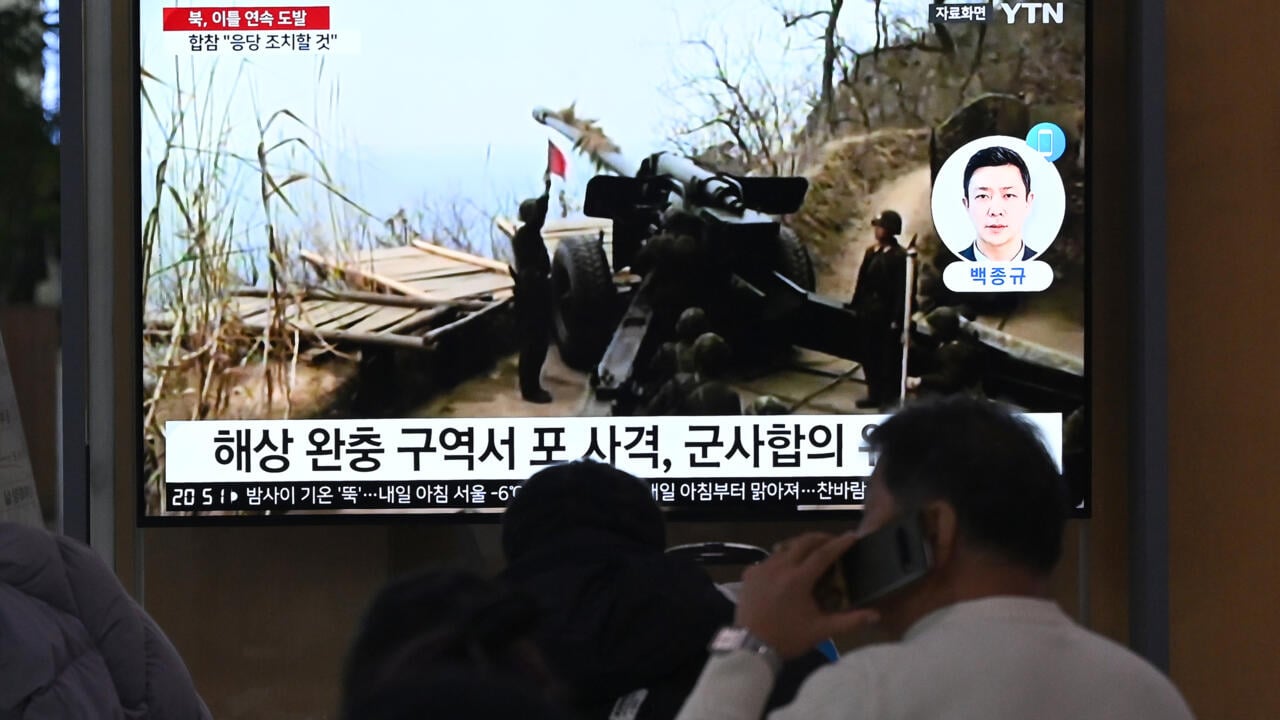
North Korea conducted artillery firings near the disputed western sea boundary with South Korea, which was criticized by the South as provocative. Kim Yo Jong, sister of North Korean leader Kim Jong Un, ridiculed the South's military detection capabilities and issued derogatory statements about South Korean military officials. The firings are part of a series of military actions raising tensions on the Korean Peninsula, with both sides engaging in a cycle of military exercises and rhetoric. This escalation comes ahead of significant elections in South Korea and the United States, with experts suggesting North Korea may be seeking leverage for future negotiations.
Kim Yo Jong, the influential sister of North Korean leader Kim Jong Un, warned that North Korea would launch an immediate military strike in response to any provocation. This statement followed incidents where North Korea fired artillery rounds near the disputed maritime border with South Korea, which conducted its own fire drills in response. South Korea's military has called the North's actions low-level psychological warfare and has urged a cessation of activities that escalate tensions.
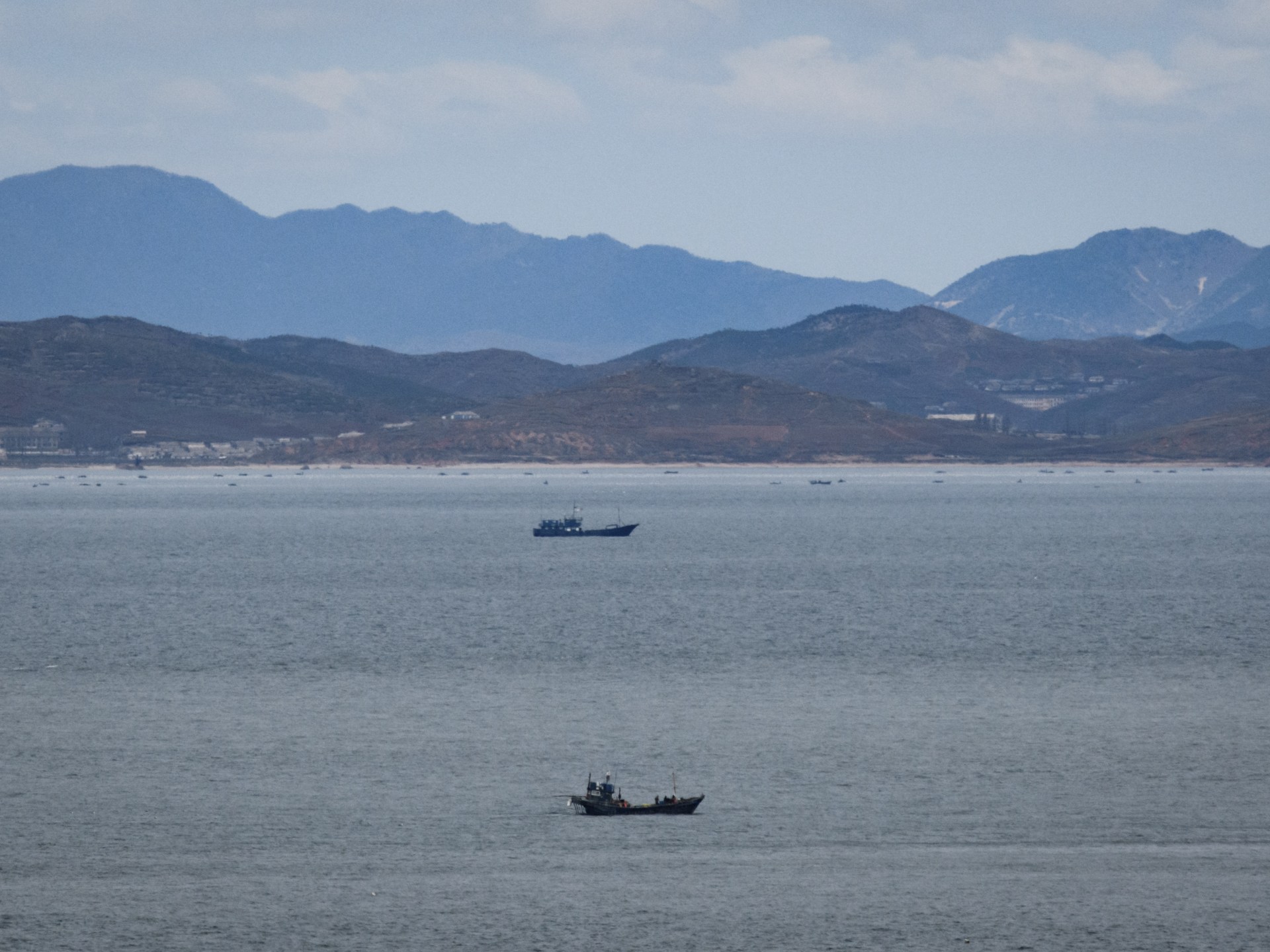
North Korea fired over 60 artillery rounds near a disputed maritime border with South Korea, following a previous day's barrage of over 200 rounds into a buffer zone established in 2018. South Korean residents in the affected islands were ordered into shelters, and the South Korean military has pledged to take measures to safeguard the nation, responding to the initial fire with rounds into the sea. This escalation comes amid deteriorating relations and increased military activities by North Korea, including missile tests and the enshrinement of its nuclear status in its constitution.
North Korea fired over 60 artillery rounds near Yeonpyeong Island, escalating tensions a day after both North and South Korea conducted live-fire drills in the contested maritime border area. This aggressive military action violates a 2018 agreement aimed at reducing hostilities and has led to the evacuation of residents to shelters. The South Korean military has warned of appropriate measures in response to these provocations, while experts call for moderation and dialogue to prevent further escalation. The situation is reminiscent of the 2010 incident when North Korea shelled Yeonpyeong Island, causing casualties and raising fears of war. The recent actions come amid North Korea's continued development of its nuclear arsenal and military capabilities, with leader Kim Jong Un emphasizing readiness for a potential military confrontation.
North Korea fired over 200 artillery shells near a tense maritime border, causing South Korean residents on Yeonpyeong and Baengnyeong islands to evacuate. South Korea condemned the act as a provocation that escalates tensions and threatens peace. The South Korean military reported no damage and is monitoring the situation in coordination with the United States, ready to respond to further provocations. The incident occurs amid heightened confrontations on the Korean peninsula, with North Korea recently testing advanced missiles and issuing threats towards South Korea and the U.S. China has called for calm and restraint from all parties involved.
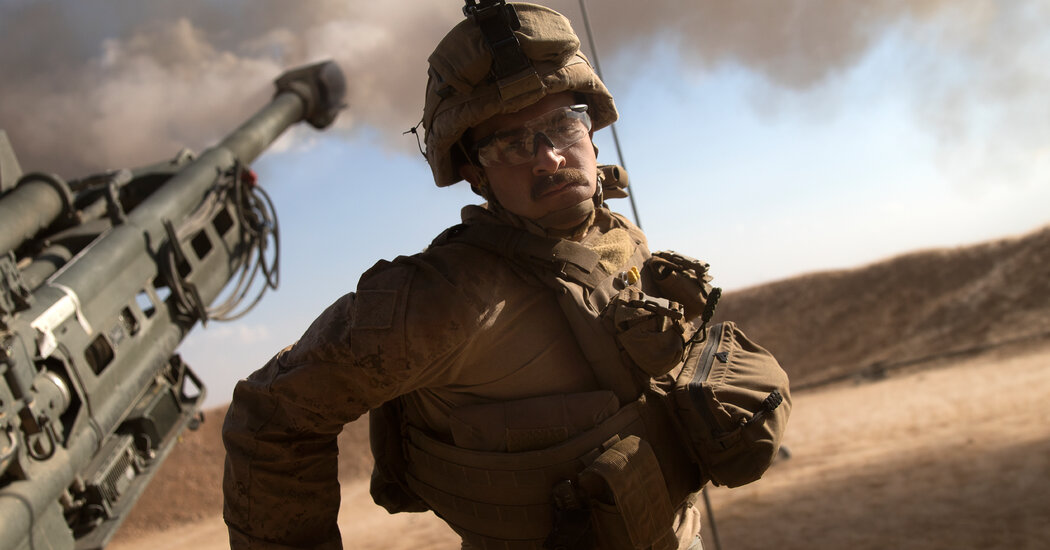
A secret U.S. offensive strategy against the Islamic State in 2016 and 2017 involved minimal American boots on the ground and relentless artillery fire. However, the troops who carried out the firing suffered devastating mental and physical problems, including nightmares, panic attacks, depression, and hallucinations. The military struggled to understand the cause of these issues, as the gun crews were miles away from the front lines and did not experience direct combat injuries. A study conducted by the Marine Corps found that the gun crews were being harmed by their own weapons, with more than half of the Marines in one unit receiving diagnoses of traumatic brain injuries. Despite these findings, the military treated the injuries as routine psychiatric disorders and failed to provide adequate support and treatment. Many affected veterans have experienced homelessness and a significant number have died by suicide. The military is only beginning to recognize the long-term effects of repeated blast exposure and develop protocols to protect troops.
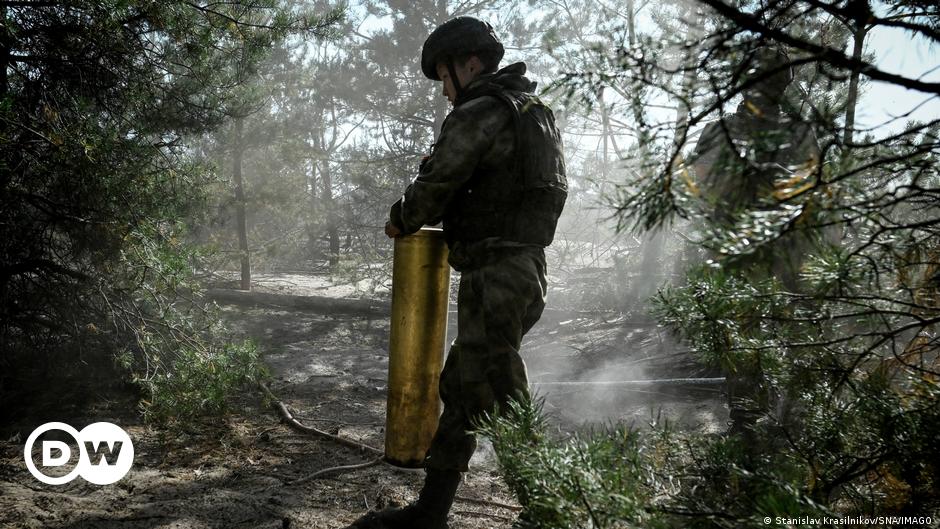
Ukraine has reported that Russia launched its broadest-ranging attack this year, targeting over 100 villages with drones and artillery. Several deaths were reported, including at an oil refinery. Switzerland has extended protections for Ukrainians fleeing the war until March 2025. Ukraine has imposed new rules for food exports to combat tax avoidance.
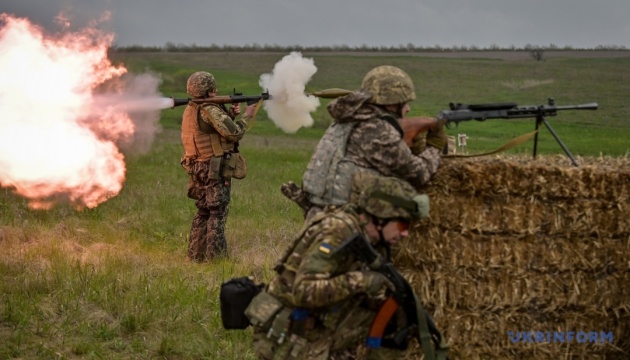
The General Staff of the Armed Forces of Ukraine reports that Russian troops are focusing their main efforts on five directions, namely Kupyansk, Lyman, Bakhmut, Avdiyivka, and Maryinka. Throughout the day, there were 28 combat engagements in these areas. The enemy launched missile and air strikes, including the use of Iranian-made combat drones, but two UAVs were successfully destroyed by Ukraine's air defense units. The enemy also conducted numerous airstrikes and MLRS attacks. Ukrainian defenders repelled enemy attacks in various directions, while continuing offensive operations in other areas. The enemy also targeted civilian healthcare facilities for their own purposes. Ukrainian aircraft launched strikes on enemy personnel clusters, and missile and artillery units targeted enemy ammunition depots and systems.
The General Staff of the Armed Forces of Ukraine reports heavy battles and over 30 combat engagements in multiple directions, including Lyman, Bakhmut, Avdiyivka, and Maryinka. The Russian Federation continues its war of aggression, with airstrikes and artillery fire targeting various settlements. The enemy's offensive operations have been unsuccessful in some areas, but they maintain their military presence and focus on preventing the advance of Ukrainian troops in other directions. The redeployment of Russian units from Belarus for further participation in military operations in Ukraine has begun.
Russian forces attacked southern Kherson Oblast with KAB-500 guided munition, destroying one house and damaging several others. Russian artillery fire killed one civilian and injured two others in the region. The city of Kherson and other settlements in the region have been continuously subjected to Russian shelling since they were liberated by Ukrainian forces in November 2022.
State Duma deputy Viktor Vodolatsky, a supporter of Russia's invasion of Ukraine, was reportedly injured by artillery fire in Luhansk. Six children were also injured in the attack, with two teenagers taken to a hospital for more serious injuries.