
militaryhealth4.345 min read
Army Reverses Decision on Teen Rejected for Breast-Cancer Gene
1 year ago•Source: BBC.com

The latest militaryhealth stories, summarized by AI

Newly uncovered military records reveal hazardous conditions at the Karshi-Khanabad air base in Uzbekistan, known as "K2," including enriched radioactive material and severe soil fuel contamination, potentially explaining rare illnesses among U.S. servicemembers deployed there after 9/11. Veterans advocate Mark T. Jackson claims the records are a "smoking gun" proving toxic exposure, while the U.S. Department of Defense and Veterans Affairs continue to assess the health effects of those deployed to K2. The government denies claims of yellowcake uranium presence at the base, but veterans seek evidence to support their medical diagnoses and treatment plans.

The New York Times•2 years ago
Yahoo News•2 years ago
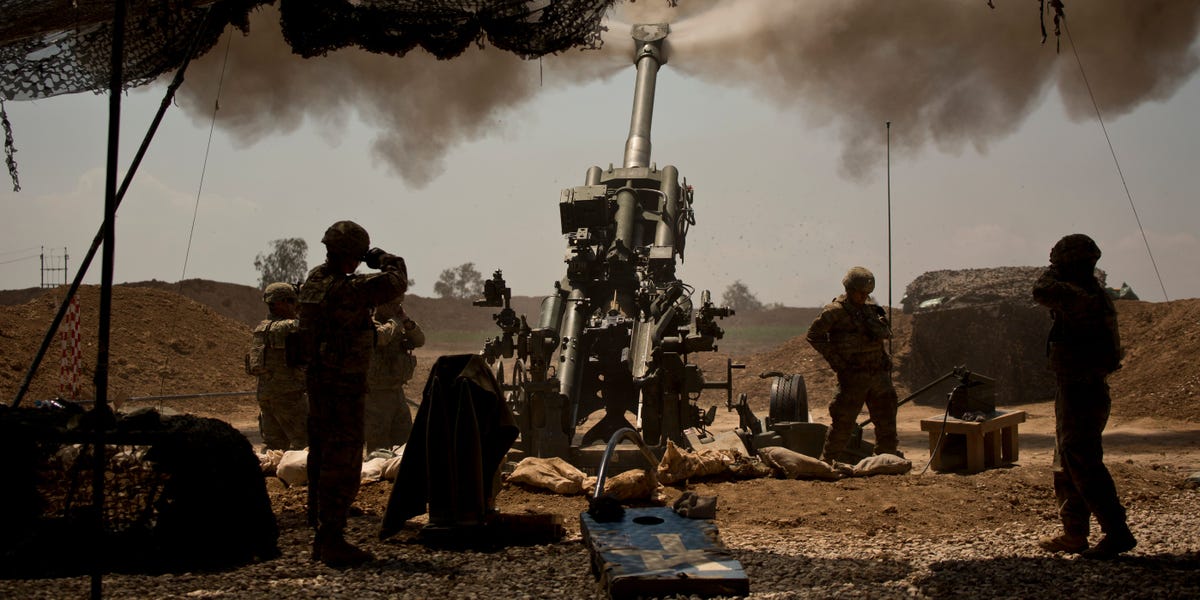
US soldiers who participated in the fight against ISIS are experiencing mental health issues, including seeing ghosts and feeling cursed. The soldiers' exposure to intense artillery fire, with tens of thousands of explosive shells fired during the fighting, may have contributed to traumatic brain injuries. Many veterans have reported frightening and bizarre symptoms, such as hallucinations and hearing voices. While the exact cause is not yet confirmed, repeated exposure to blasts could potentially lead to cerebral scarring.
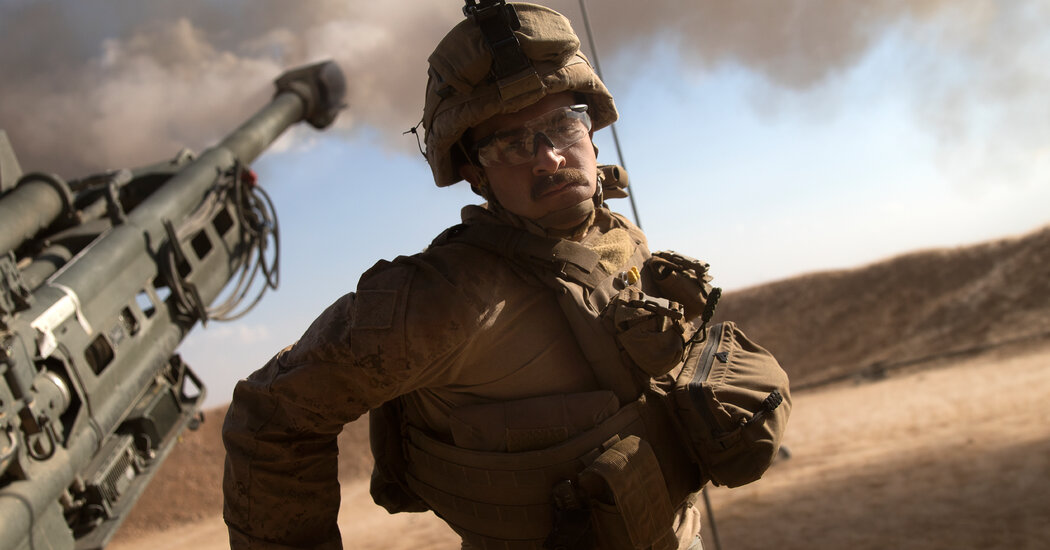
A secret U.S. offensive strategy against the Islamic State in 2016 and 2017 involved minimal American boots on the ground and relentless artillery fire. However, the troops who carried out the firing suffered devastating mental and physical problems, including nightmares, panic attacks, depression, and hallucinations. The military struggled to understand the cause of these issues, as the gun crews were miles away from the front lines and did not experience direct combat injuries. A study conducted by the Marine Corps found that the gun crews were being harmed by their own weapons, with more than half of the Marines in one unit receiving diagnoses of traumatic brain injuries. Despite these findings, the military treated the injuries as routine psychiatric disorders and failed to provide adequate support and treatment. Many affected veterans have experienced homelessness and a significant number have died by suicide. The military is only beginning to recognize the long-term effects of repeated blast exposure and develop protocols to protect troops.
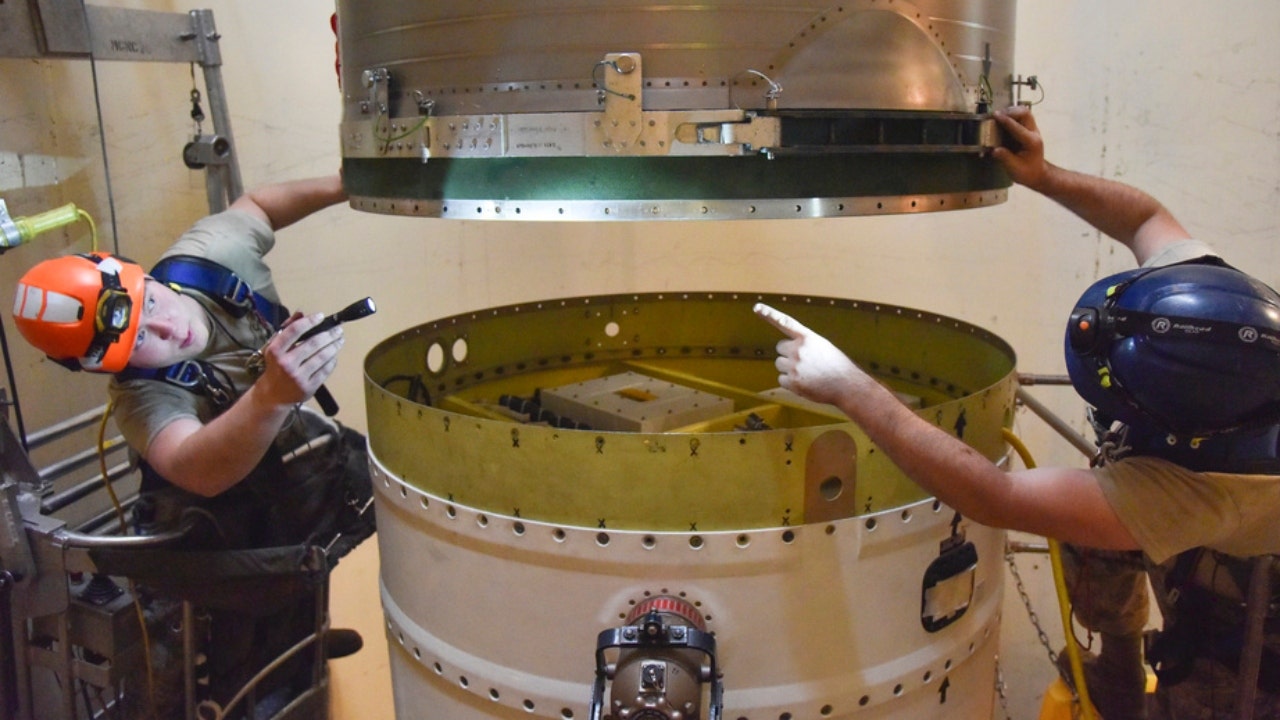
The Air Force Global Strike Command is taking immediate action to clean up and mitigate polychlorinated biphenyls (PCBs), probable human carcinogens, at two Montana locations after initial results from a recent study showed PCB levels above the cleanup threshold. The study, conducted at Malmstrom Air Force Base, is addressing specific cancer concerns raised by missile community members. The Air Force School of Aerospace Medicine and the Defense Centers for Public Health conducted air and swipe testing, with non-detectable results for PCBs in air samples from Launch Control Centers. Further results from other bases are pending, and a comprehensive response will be guided by the final analysis.