The U.S. Treasury has imposed sanctions on Iranian-backed militia groups, including Kata’ib Hizballah and IRGC-QF affiliates, for their roles in attacking U.S. personnel, smuggling weapons, and corrupting Iraq's economy, aiming to dismantle their financial networks and protect American interests.
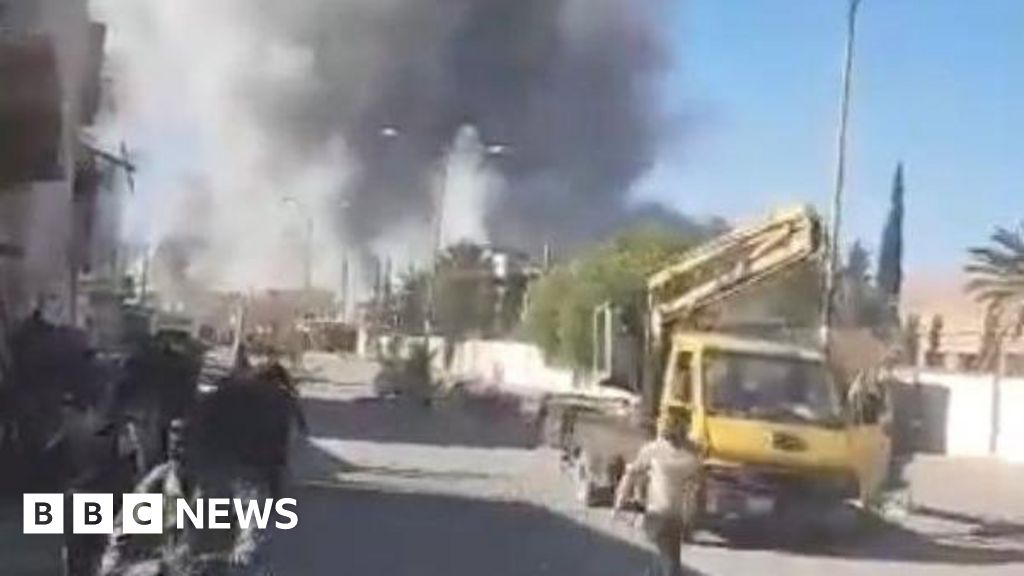
Israeli air strikes on the Syrian town of Palmyra have resulted in at least 36 deaths and 50 injuries, according to Syrian state media. The strikes targeted residential buildings and an industrial area, reportedly hitting a weapons depot and locations associated with Iran-backed militias. The UK-based Syrian Observatory for Human Rights reported a higher death toll of 41, including foreign nationals and Syrians. Israel has not commented on the strikes, which are part of a broader pattern of Israeli military actions in Syria targeting Iranian-linked groups.
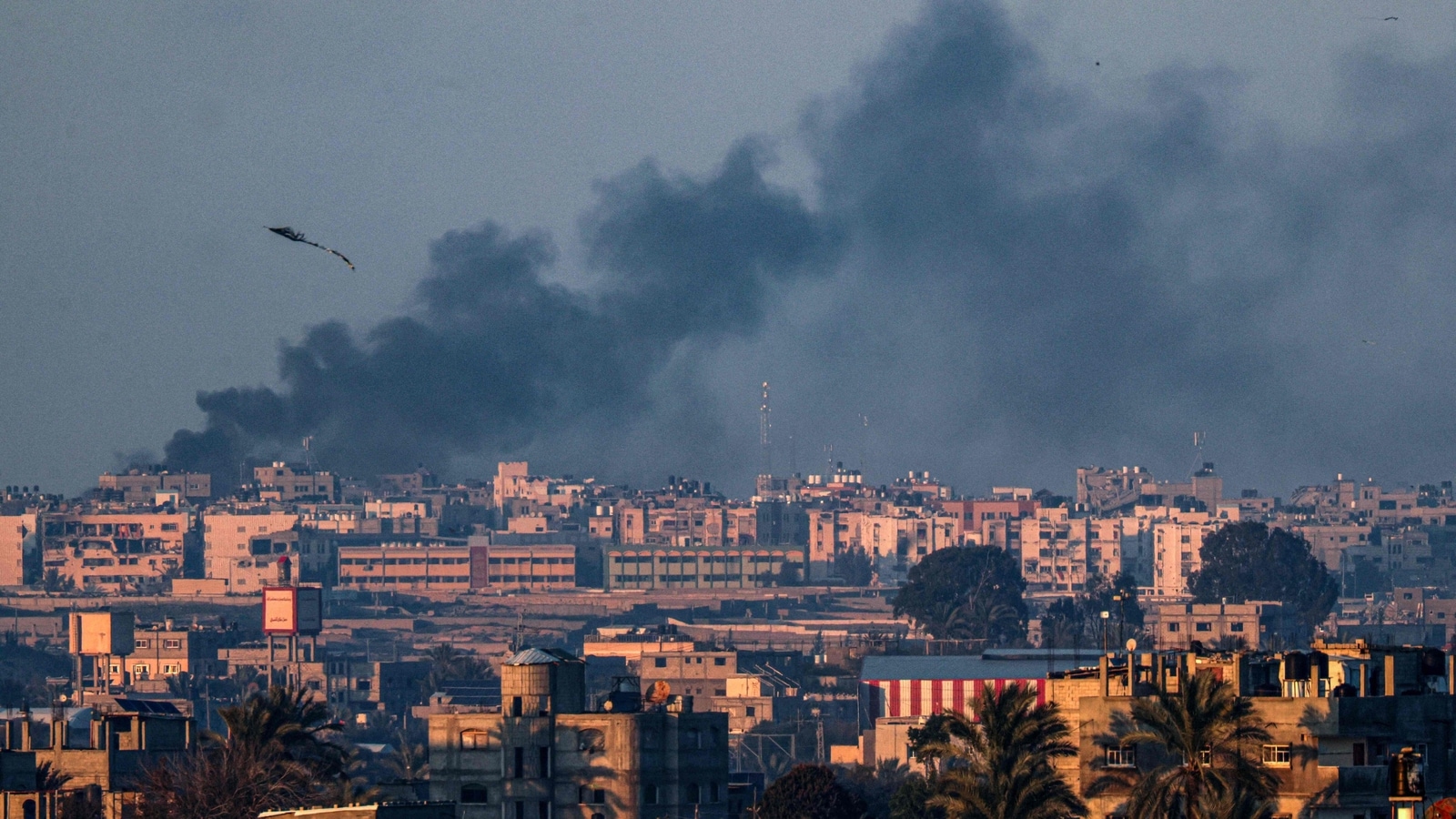
An Israeli drone strike in Lebanon near the coastal town of Jadra killed two people, including Hamas official Basel Saleh, marking one of the deepest hits inside the country since violence erupted along the Lebanon-Israel border. Tensions across the Middle East have escalated with the Israel-Hamas war, US military strikes in Jordan, and attacks by Yemen's Iran-backed Houthi rebels. Iran's Foreign Minister called for an end to Israel's military operations in Gaza, while the US conducted self-defence strikes against threats in the Red Sea from Yemen. Israeli airstrikes also hit sites in Syria, and tensions have flared in Iraq following a US airstrike that killed a commander of Kataib Hezbollah.
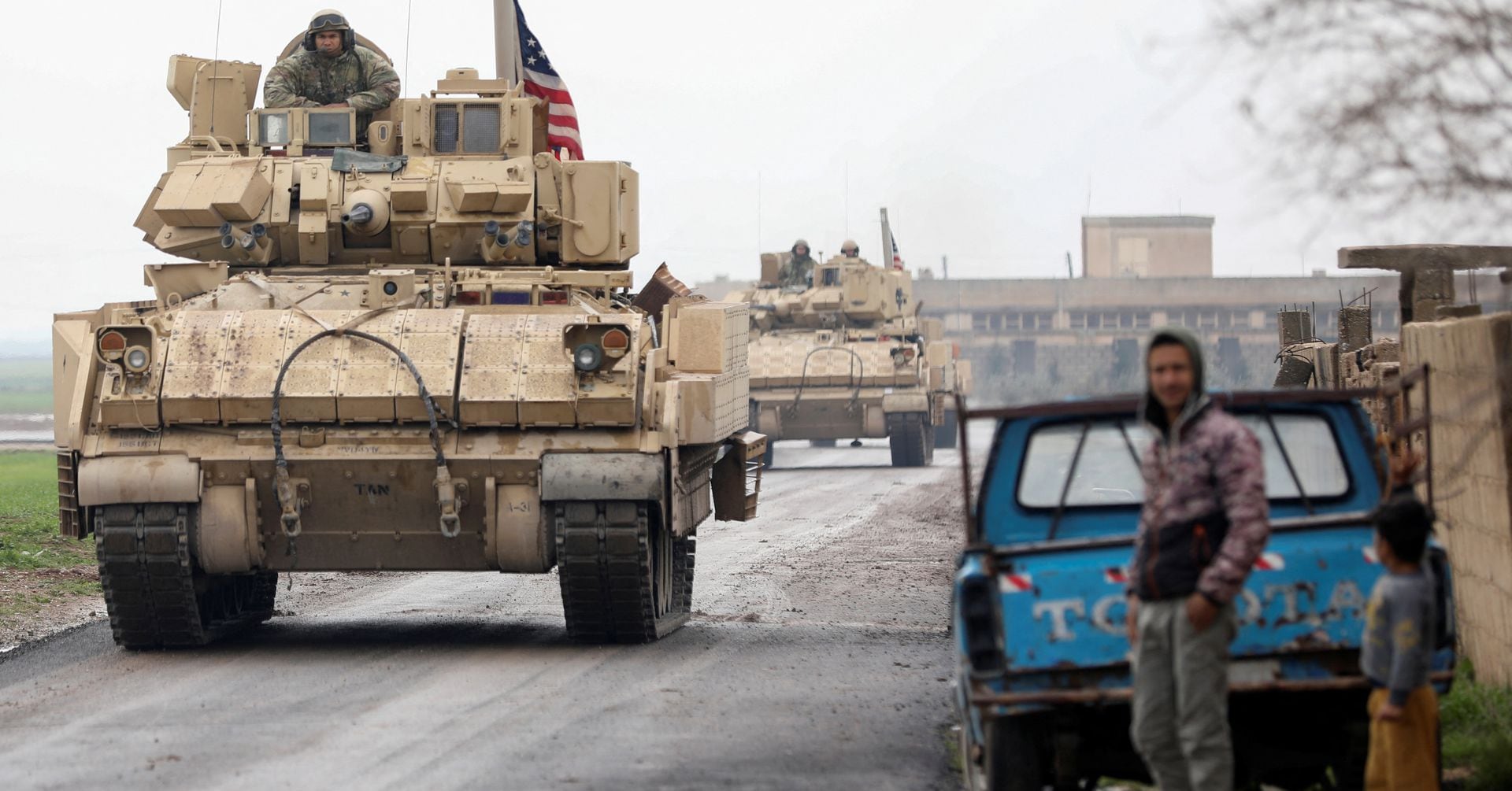
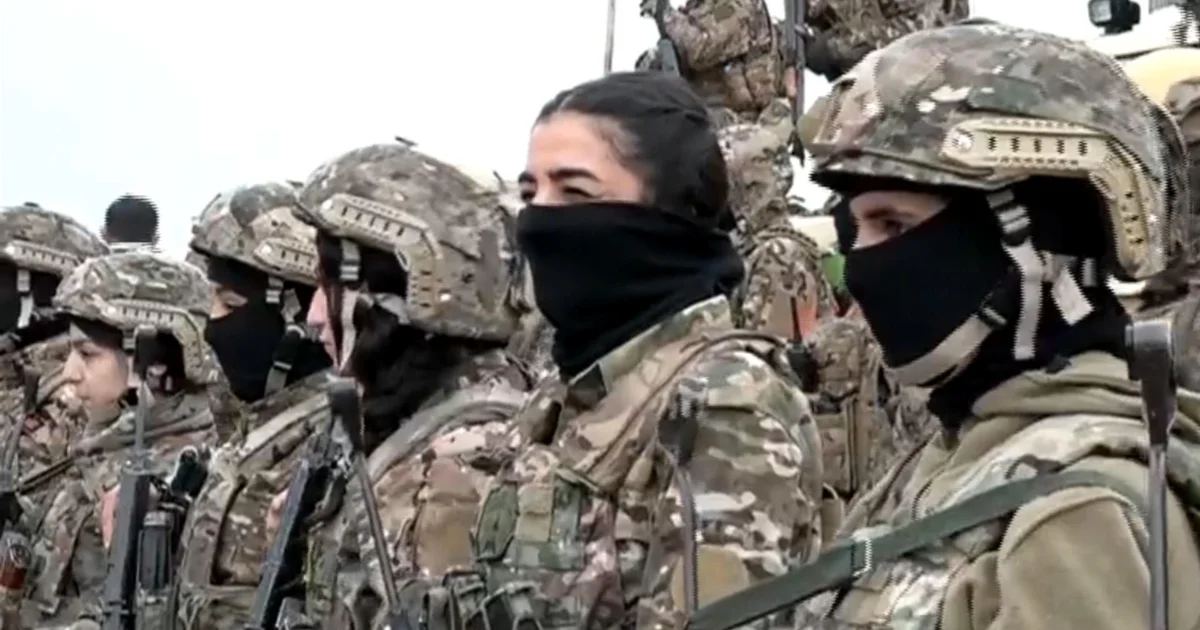
The US-backed Syrian Democratic Forces (SDF) has called for additional air defenses in northeast Syria after blaming pro-Iran factions for a deadly drone attack that killed six of its fighters. The SDF, a key partner in the US-led campaign against Islamic State, has faced a series of drone and rocket attacks by pro-Iran militias. The SDF commander emphasized the need for increased aerial defensive systems and technical capabilities to fend off such attacks, while also expressing concerns about potential US troop withdrawal and the resulting threats from Iran-backed troops, Islamic State, and Turkey.
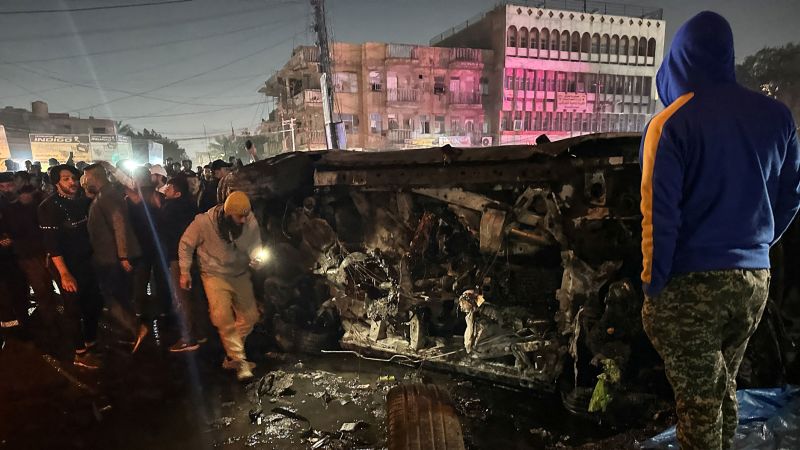
The US conducted a drone strike in Baghdad, killing a Kataib Hezbollah commander responsible for attacks on American forces, as part of a retaliatory response to a drone attack on a US outpost in Jordan last month. The strike comes amid escalating tensions between the US and Iran-backed militias in the region, with the US targeting multiple locations used by these militias. The Iraqi government has condemned the strikes as a violation of its sovereignty, and the US has indicated that more retaliatory actions may follow in response to the killing of three US soldiers.
A U.S. drone strike in Baghdad killed three members of the Kataib Hezbollah militia, including a high-ranking commander, amid heightened tensions in the region. The strike comes after the U.S. military targeted sites in Iraq and Syria used by Iranian-backed militias in retaliation for a drone strike that killed three U.S. troops in Jordan. The U.S. has blamed the Islamic Resistance in Iraq for the attack in Jordan and suspects Kataib Hezbollah of leading it. The strike also follows a surge in regional conflict, including attacks on bases housing U.S. troops in Syria and ongoing hostilities between Israel and Hamas.
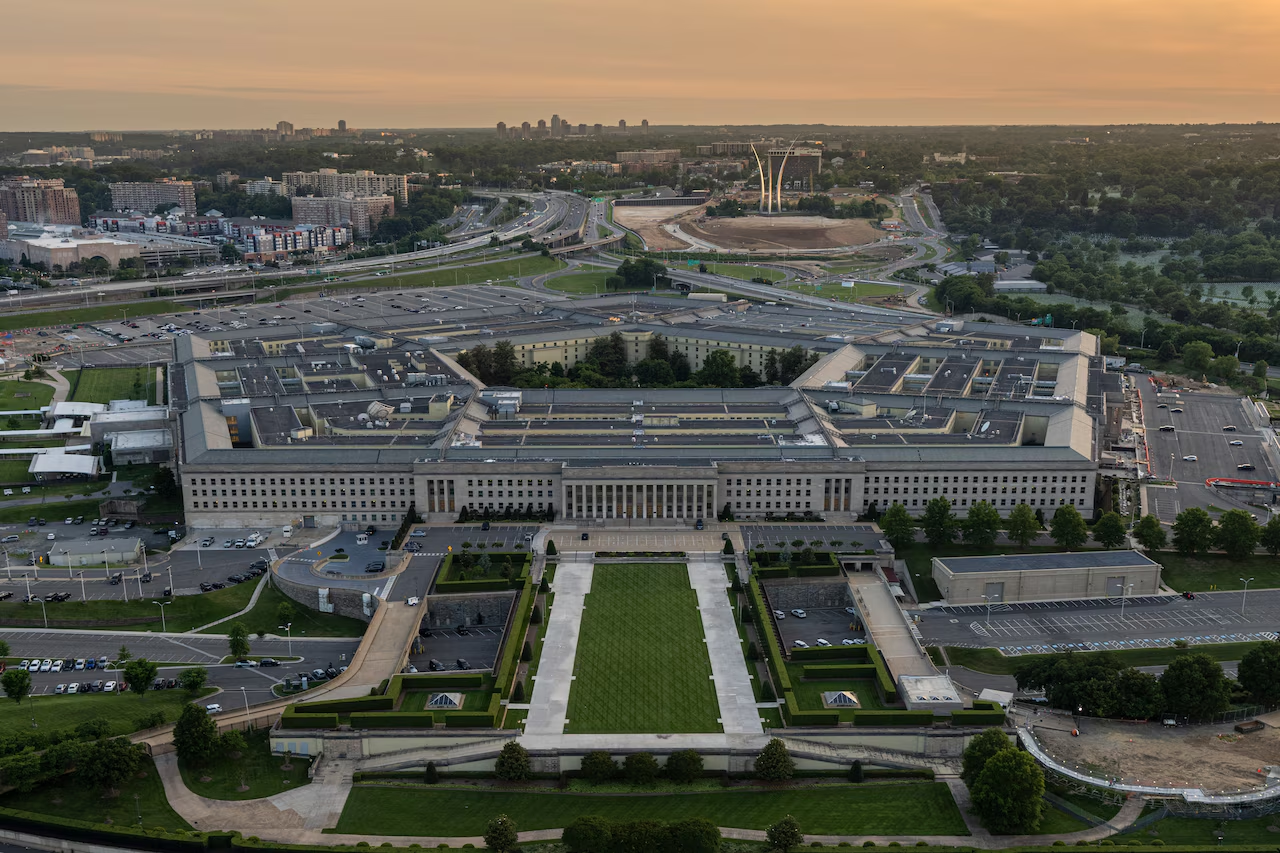
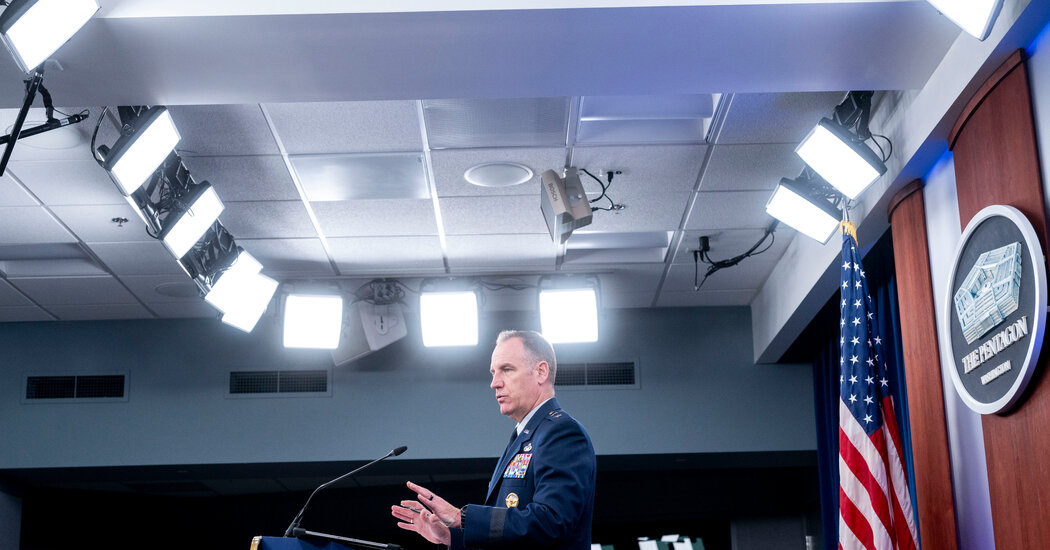
The Pentagon spokesman stated that the US strikes against Iran-backed militias had positive effects, destroying or damaging over 80 targets in Iraq and Syria. The strikes were in response to attacks on US forces, and the US will take further actions to hold the militias accountable. Additionally, multinational forces targeted Houthi-controlled areas in Yemen to disrupt their capabilities to attack international vessels, with the US emphasizing a commitment to defending lives and commerce in critical waterways.
A drone attack targeted a base in Syria used by U.S. troops, prompting the U.S. to prepare for further strikes against Iran-backed militias that have been targeting American forces and military and commercial vessels in the Red Sea.
The Pentagon reports that U.S. airstrikes in Syria and Iraq destroyed or severely damaged most of the Iranian and militia targets, in response to a drone attack that killed three American soldiers. While the strikes have limited the militias' capabilities, they still retain the majority of their ability to carry out future attacks. The assessment also indicates that there were likely casualties, with Syria and Iraq reporting at least 39 people killed, including civilians.
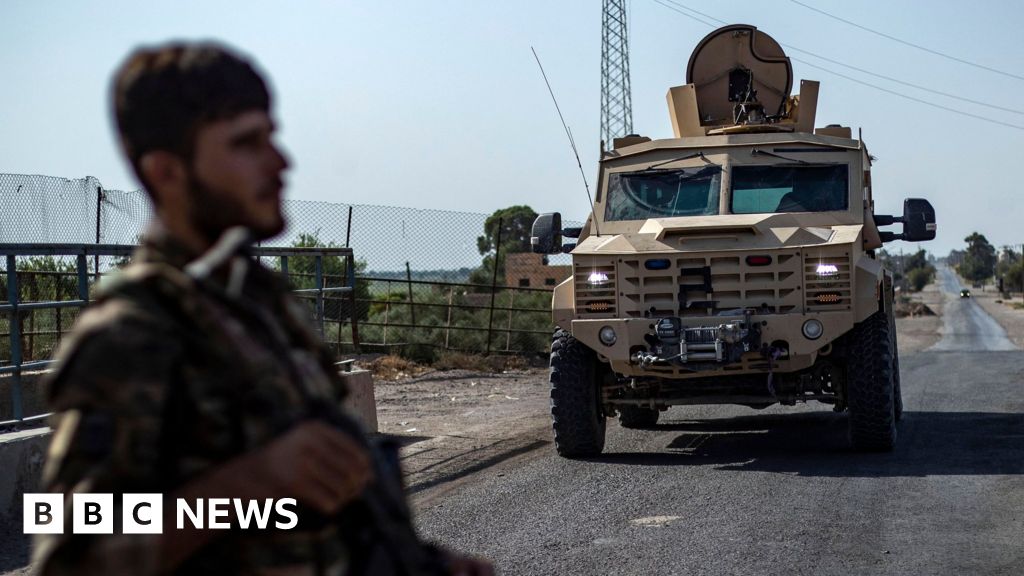
A drone attack on the largest US military base in Syria has killed at least six allied Kurdish-led fighters, with the Syrian Democratic Forces (SDF) accusing Iran-backed militias of launching the attack. This incident follows US strikes against Iran-backed groups in Iraq and Syria over the weekend in response to a deadly drone attack on a base in Jordan. Tensions in the region remain high, with the US Secretary of State Antony Blinken currently in Saudi Arabia as part of a Middle East tour.
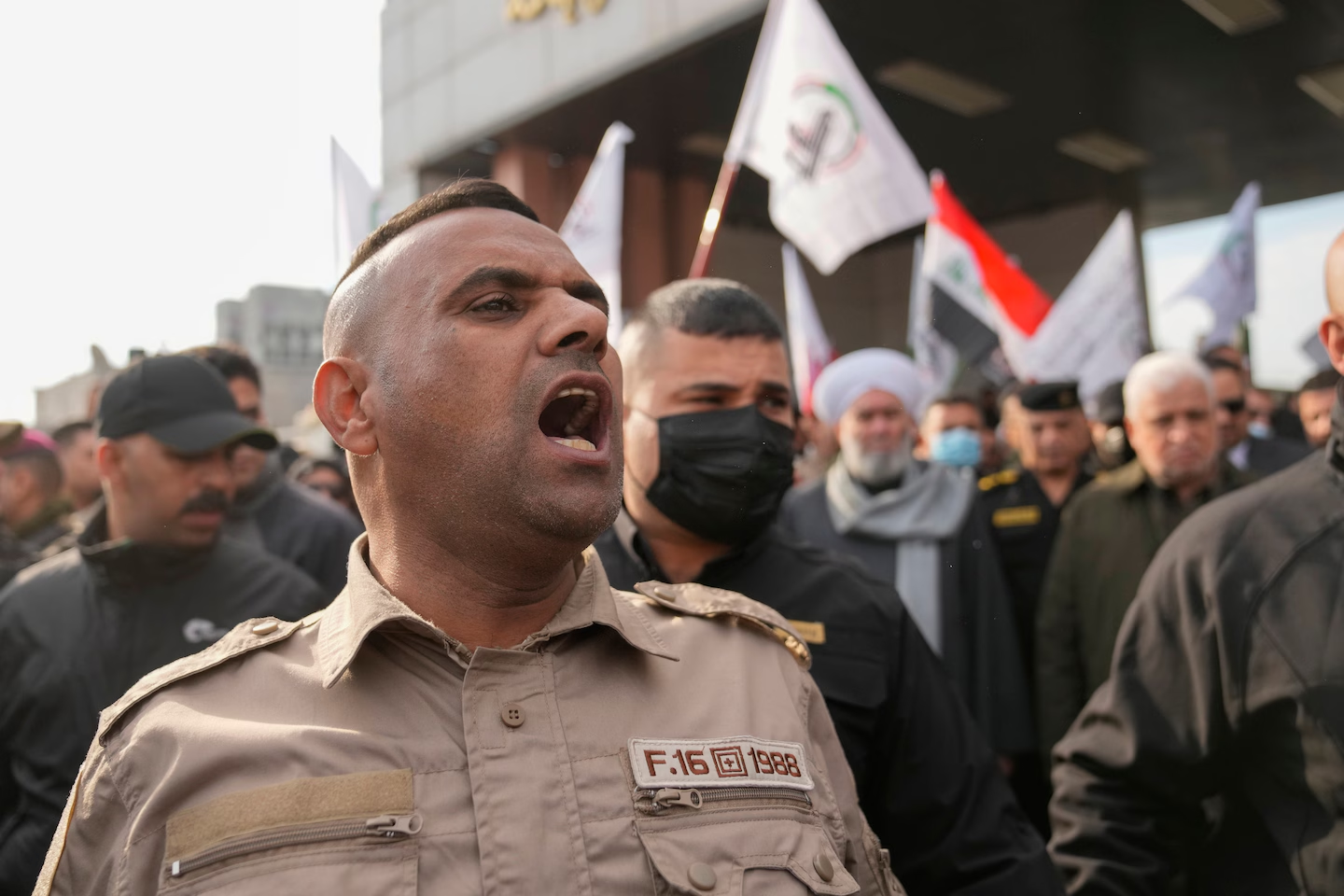
The White House falsely claimed to have warned Iraq before conducting airstrikes, prompting a denial from the Iraqi government and allegations of civilian casualties. The airstrikes were in response to attacks by Iranian-backed groups in Iraq and Syria, escalating tensions in the region. The U.S. maintains a force in Iraq to combat the Islamic State, but recent attacks by Iran-backed militias have strained relations. The Biden administration has emphasized that its strikes are not part of Israel's war on Gaza, despite the interconnected regional conflicts.
A deadly drone attack struck a military base in eastern Syria housing US troops, killing at least six allied Kurdish soldiers. The US-backed, Kurdish-led Syrian Democratic Forces (SDF) initially blamed "Syrian regime-backed mercenaries" but later accused "Iran-backed militias." The attack came after the US launched strikes against Iran-backed militias in Syria and Iraq, and against Houthi targets in Yemen. The Islamic Resistance, an umbrella group of Iran-backed Iraqi militias, claimed responsibility for the attack. Houthi rebels vowed "escalation" in reaction to the strikes, and the US Defense Department identified the three deceased soldiers as Sgt. William Jerome Rivers, Spc. Kennedy Ladon Sanders, and Spc. Breonna Alexsondria Moffett.
A drone attack on a base housing U.S. troops in eastern Syria killed six allied Kurdish fighters, with an umbrella group of Iran-backed Iraqi militias claiming responsibility. The attack comes amid escalating tensions in the Middle East, with the U.S. military launching retaliatory strikes against Iran-backed militant groups in Syria and Iraq. The U.S.-backed, Kurdish-led Syrian Democratic Forces accused "Iran-backed militias" of carrying out the attack, while the U.S. Central Command stated that the strikes were in self-defense. Additionally, the U.S. and Britain launched strikes against the Houthis in Yemen to degrade their capabilities to attack vessels in the Red Sea.
The White House urges Iraq to swiftly address threats from Iran-backed militias following U.S. airstrikes in retaliation for the deaths of three American soldiers, prompting Iraqi protests. The strikes targeted militia positions in Iraq and Syria, while the U.S. and Britain also launched attacks in Yemen against Houthi militants. The Biden administration faces criticism for its approach, with concerns about potential Iranian reactions. Secretary of State Antony Blinken travels to the Middle East to contain the conflict's fallout and work on postwar planning for Gaza, but significant gaps remain between Israeli and Arab leaders.
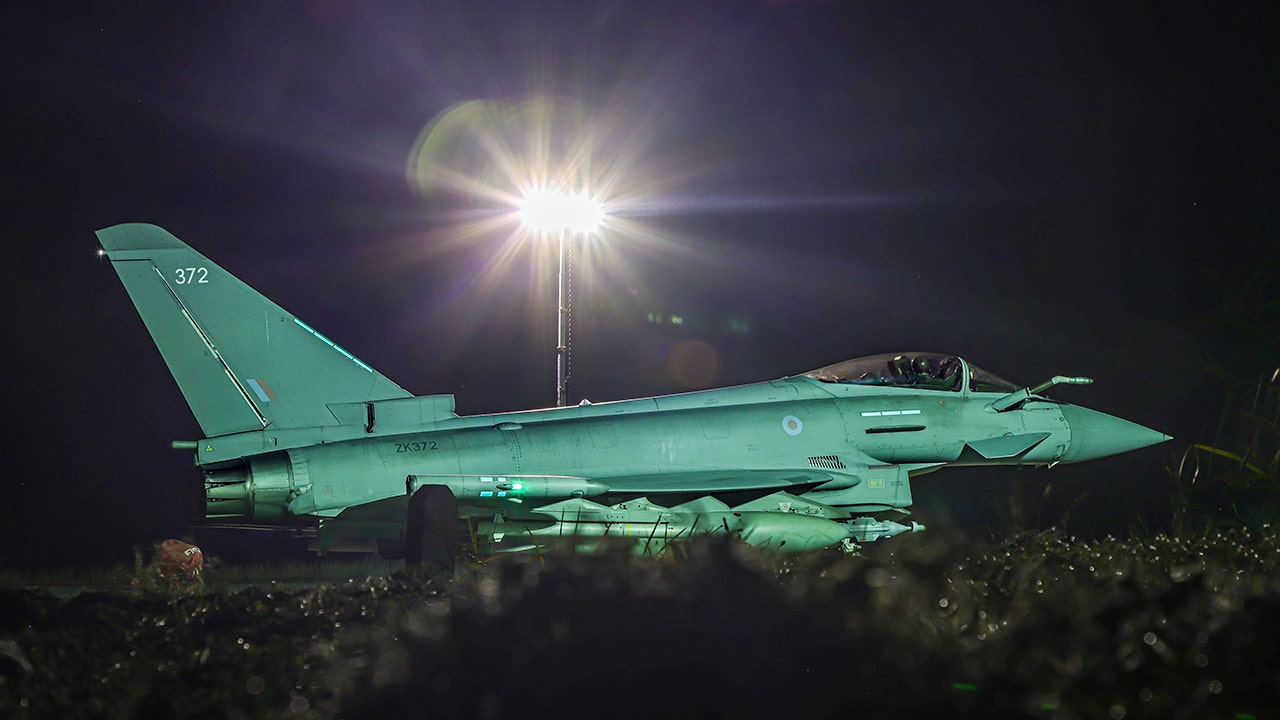
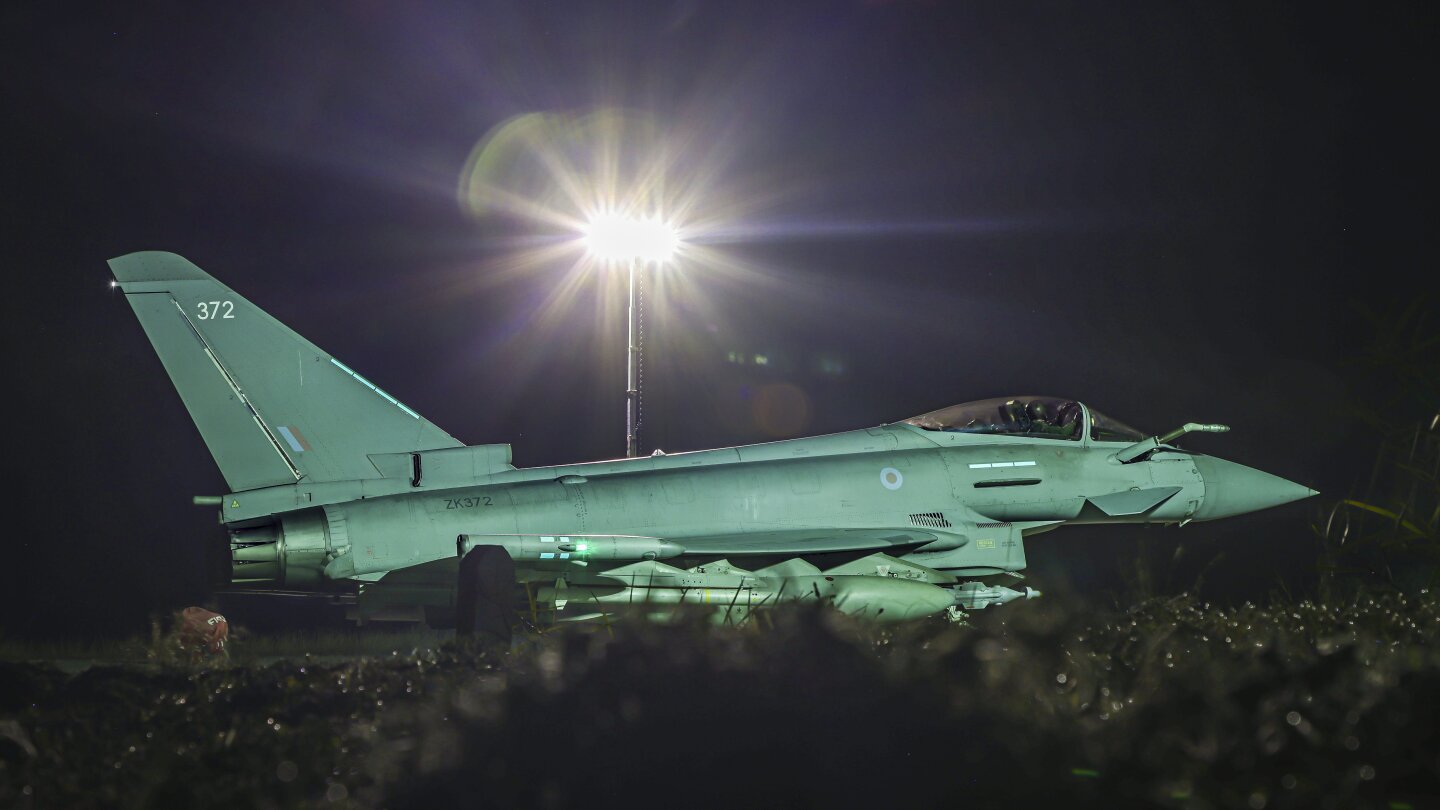
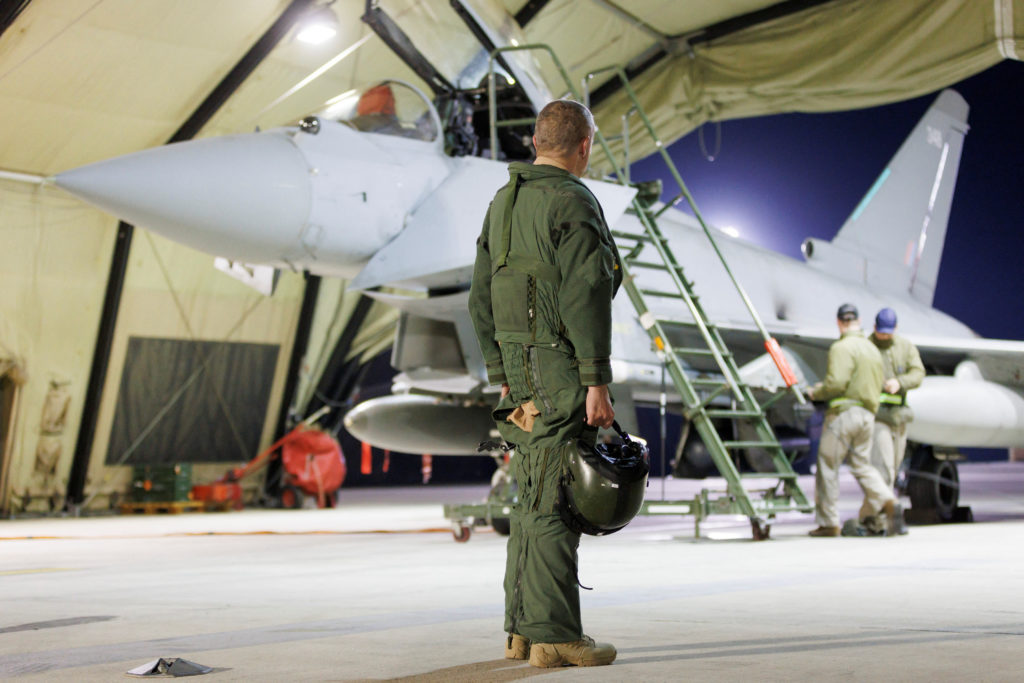
The United States and Britain have conducted strikes in Syria, Iraq, and Yemen against Iran-backed armed groups, while Israel continues its offensive against Hamas in Gaza. The U.S. targeted the militias in retaliation for the killing of American soldiers, emphasizing a desire to avoid escalating conflict with Iran. Additionally, American and British forces have struck Houthi rebels in Yemen in response to attacks on international shipping in the Red Sea. These events are interconnected with the ongoing war in Gaza, with potential long-term implications for the entire Middle East region.