The British Army reversed its decision to reject 17-year-old Carys Holmes, who was initially turned down due to a family history of breast cancer. Despite passing all selection tests, Carys was rejected over concerns about the BRCA1 gene, which she has not been tested for. Following legal and public scrutiny, the Army admitted a mistake and confirmed there is no policy of discrimination, allowing Carys to start her training in October.
Newly uncovered military records reveal hazardous conditions at the Karshi-Khanabad air base in Uzbekistan, known as "K2," including enriched radioactive material and severe soil fuel contamination, potentially explaining rare illnesses among U.S. servicemembers deployed there after 9/11. Veterans advocate Mark T. Jackson claims the records are a "smoking gun" proving toxic exposure, while the U.S. Department of Defense and Veterans Affairs continue to assess the health effects of those deployed to K2. The government denies claims of yellowcake uranium presence at the base, but veterans seek evidence to support their medical diagnoses and treatment plans.
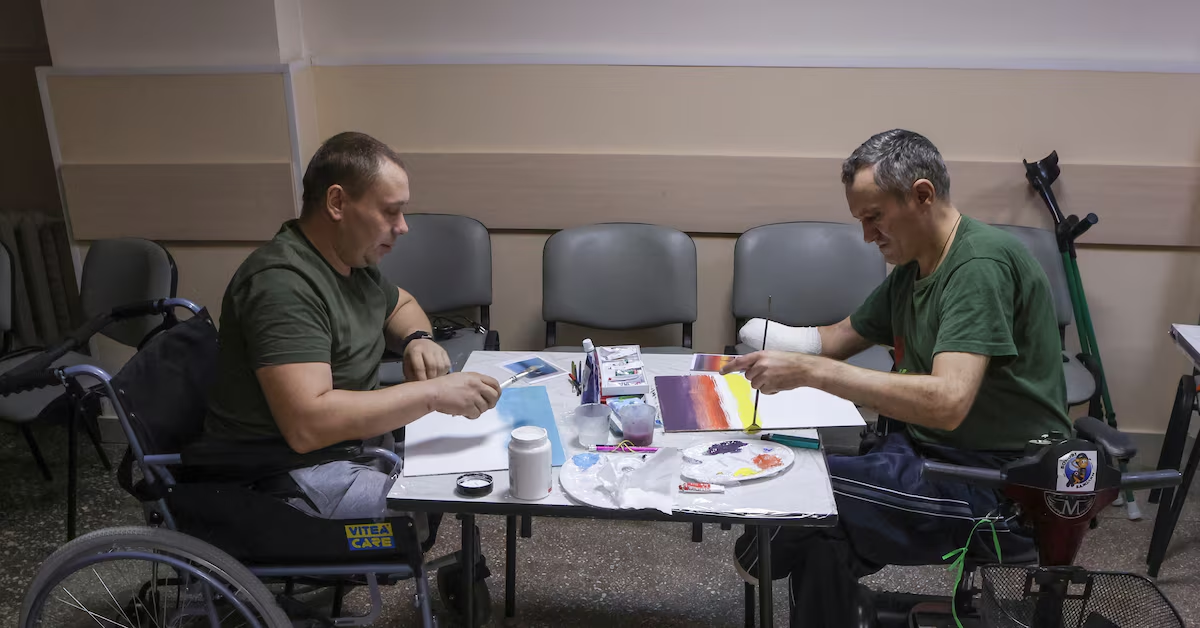
Ukraine's citizen army, comprised of many volunteers with little combat preparation, is struggling with combat stress as the war with Russia enters its second year. The army is facing exhaustion as it tries to hold off the larger enemy, and mental health issues among soldiers are becoming a growing challenge. Psychotherapists and volunteers across Ukraine are treating soldiers for mental health problems, offering basic psychological theory and coping techniques. However, the limited time and resources available make it difficult to provide full recovery for soldiers, and more serious cases are sent for further treatment at rehabilitation points away from the front. The Ukrainian military is trying to recruit more people for psychological support, but details on the scale of the recruitment drive and the number of soldiers treated for psychological conditions remain undisclosed.
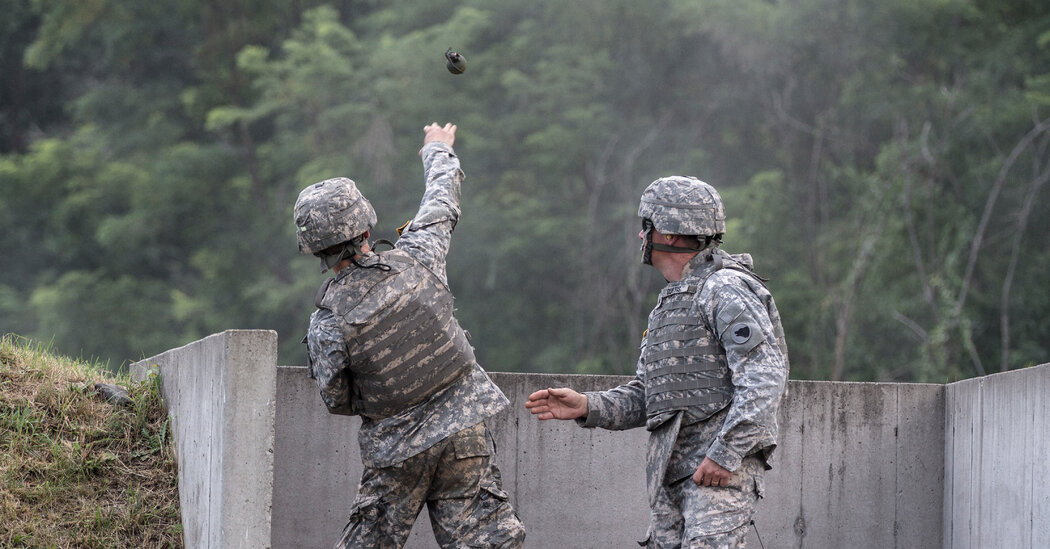
The authorities are investigating whether the psychological collapse and violent rampage of Army Reservist Robert Card, who killed 18 people in Maine, may have been linked to brain damage caused by his role as a grenade instructor. Card worked for years at an Army hand grenade training range, where he was exposed to thousands of explosions. The military has only recently started to recognize the potential harm from blast exposure, and studies have shown that artillery soldiers who fired thousands of rounds developed brain injuries. The state medical examiner has sent part of Card's brain for analysis, and Army investigators are looking into the impact of his military work on his mental state.
Despite mounting evidence of the serious and lasting harm caused by repetitive blasts, U.S. troops continue to train with weapons like shoulder-fired rockets that deliver shock waves well above the safety threshold. Congress has ordered the military to set safety limits and track troops' exposure, but little has changed on the ground. Troops have reported seeing little being done to limit or track blast exposure, and training continues as usual. Studies have shown that blast exposure can lead to brain injuries and long-term consequences for mental health. The military has been criticized for failing to take practical steps to ensure the safety of its troops, including providing blast gauges for real-time monitoring.
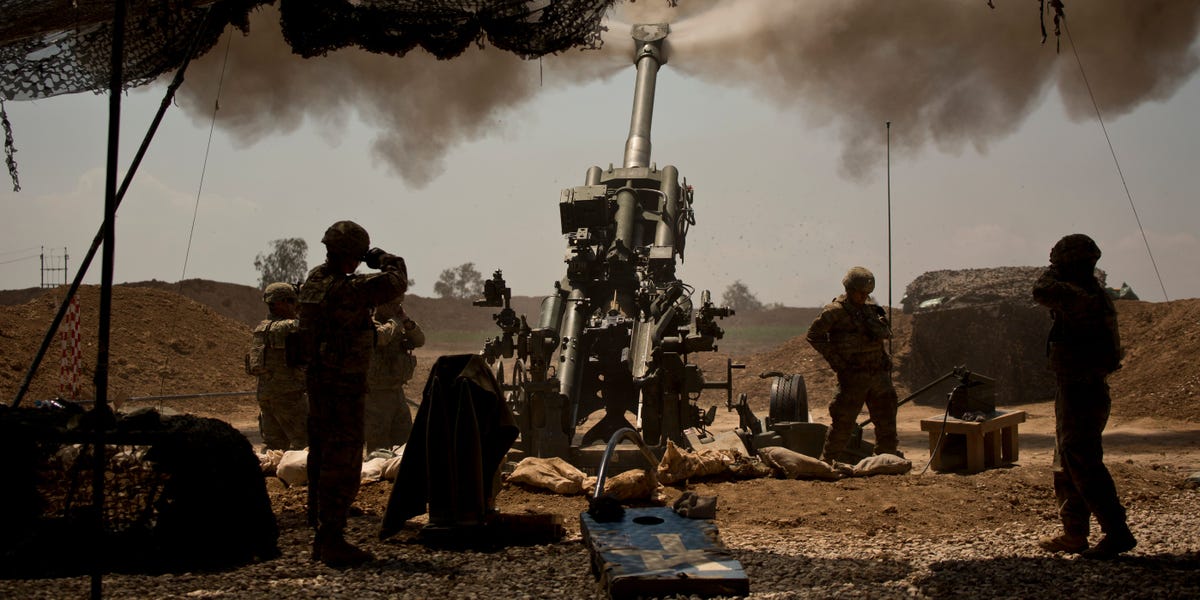
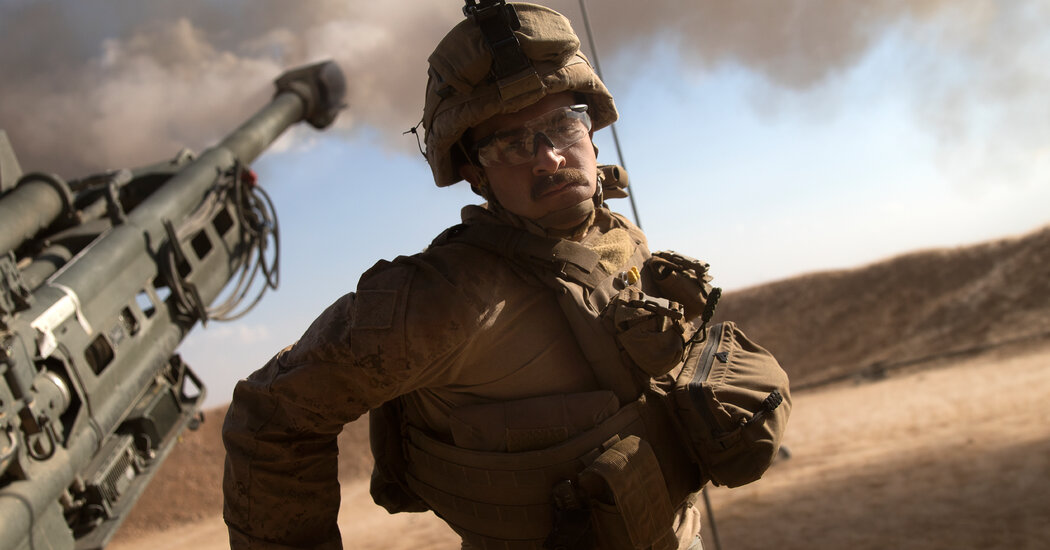
US soldiers who participated in the fight against ISIS are experiencing mental health issues, including seeing ghosts and feeling cursed. The soldiers' exposure to intense artillery fire, with tens of thousands of explosive shells fired during the fighting, may have contributed to traumatic brain injuries. Many veterans have reported frightening and bizarre symptoms, such as hallucinations and hearing voices. While the exact cause is not yet confirmed, repeated exposure to blasts could potentially lead to cerebral scarring.
A secret U.S. offensive strategy against the Islamic State in 2016 and 2017 involved minimal American boots on the ground and relentless artillery fire. However, the troops who carried out the firing suffered devastating mental and physical problems, including nightmares, panic attacks, depression, and hallucinations. The military struggled to understand the cause of these issues, as the gun crews were miles away from the front lines and did not experience direct combat injuries. A study conducted by the Marine Corps found that the gun crews were being harmed by their own weapons, with more than half of the Marines in one unit receiving diagnoses of traumatic brain injuries. Despite these findings, the military treated the injuries as routine psychiatric disorders and failed to provide adequate support and treatment. Many affected veterans have experienced homelessness and a significant number have died by suicide. The military is only beginning to recognize the long-term effects of repeated blast exposure and develop protocols to protect troops.
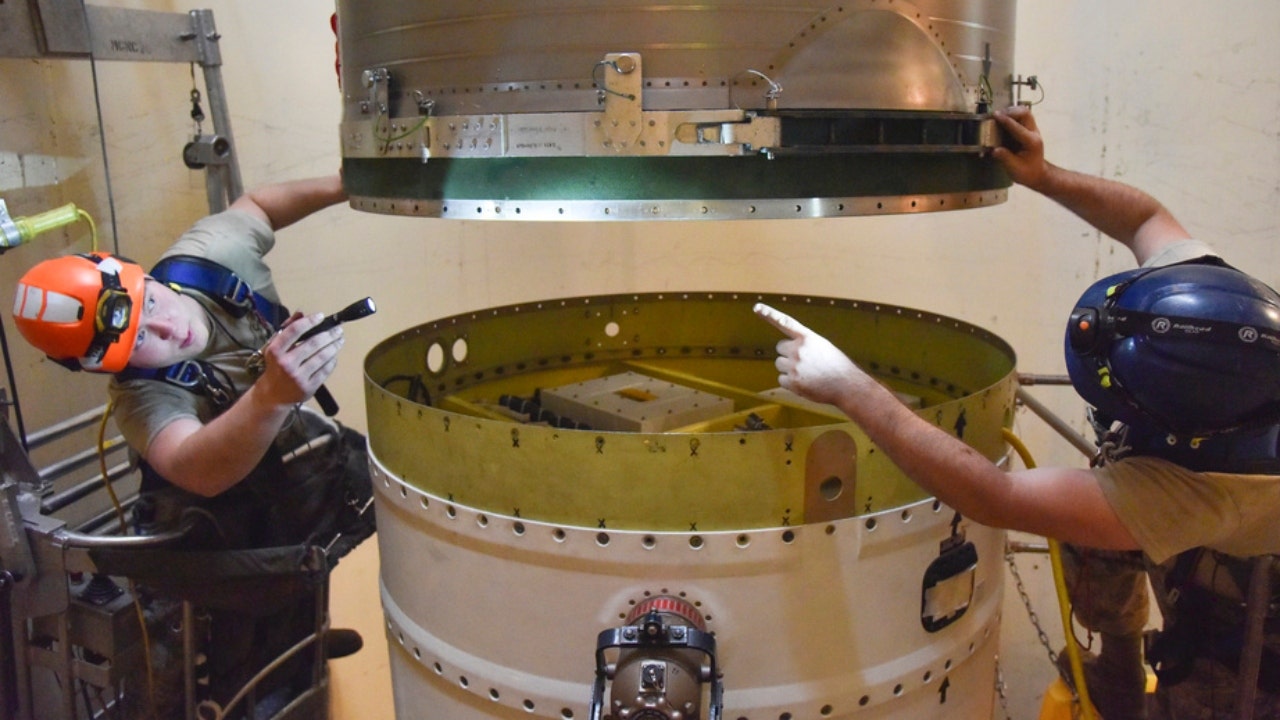
The Air Force Global Strike Command is taking immediate action to clean up and mitigate polychlorinated biphenyls (PCBs), probable human carcinogens, at two Montana locations after initial results from a recent study showed PCB levels above the cleanup threshold. The study, conducted at Malmstrom Air Force Base, is addressing specific cancer concerns raised by missile community members. The Air Force School of Aerospace Medicine and the Defense Centers for Public Health conducted air and swipe testing, with non-detectable results for PCBs in air samples from Launch Control Centers. Further results from other bases are pending, and a comprehensive response will be guided by the final analysis.