The article discusses the ongoing Iran-Israel war, highlighting Israel's successful strikes against Iran's leadership and nuclear sites, Iran's retaliatory missile attacks on Israeli civilian areas, and expert insights on the potential outcomes and capabilities of both sides.
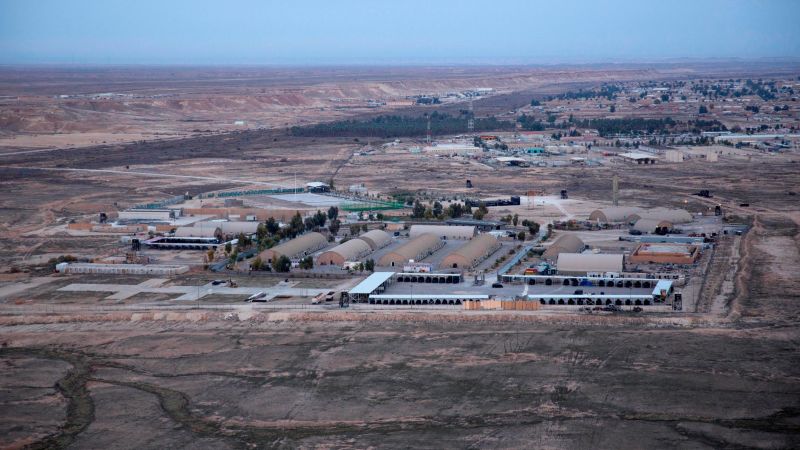
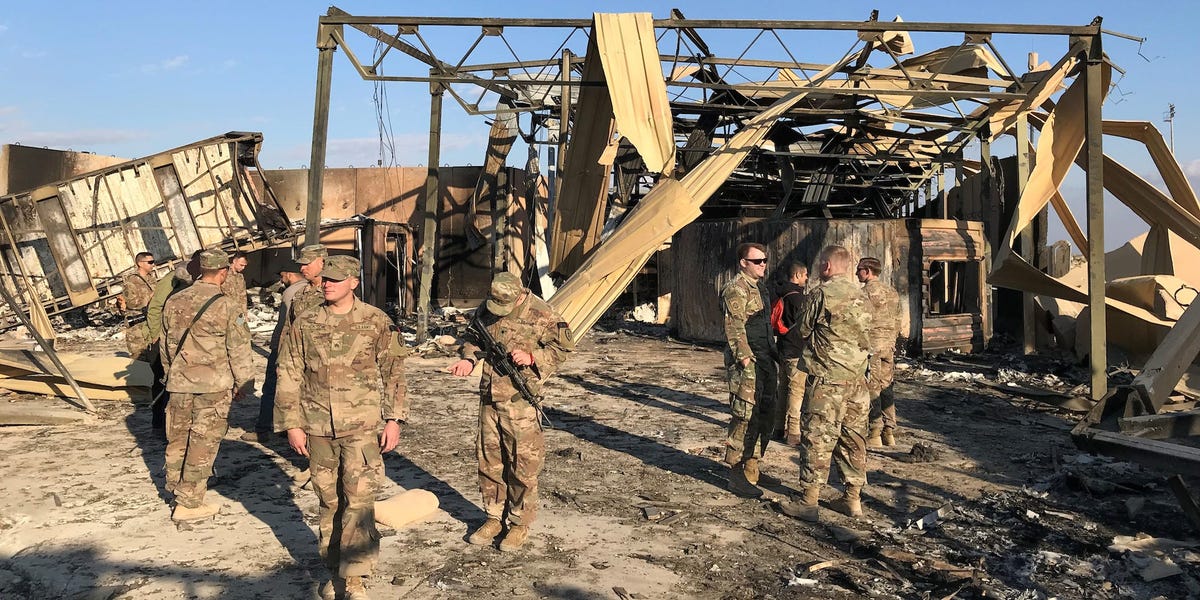
US personnel were injured in a ballistic missile attack on Al-Asad Air Base in Iraq, with some sustaining minor injuries and being evaluated for traumatic brain injuries. The attack, claimed by an Iranian-backed militia group, comes amid increased tensions in the region and follows multiple threats and attacks on US and coalition forces by Iranian-backed Shia militias. The US faces threats not only in Iraq but also in the Red Sea and the Gulf of Aden from Iranian-backed Houthi rebels, prompting a series of strikes targeting Houthi assets.
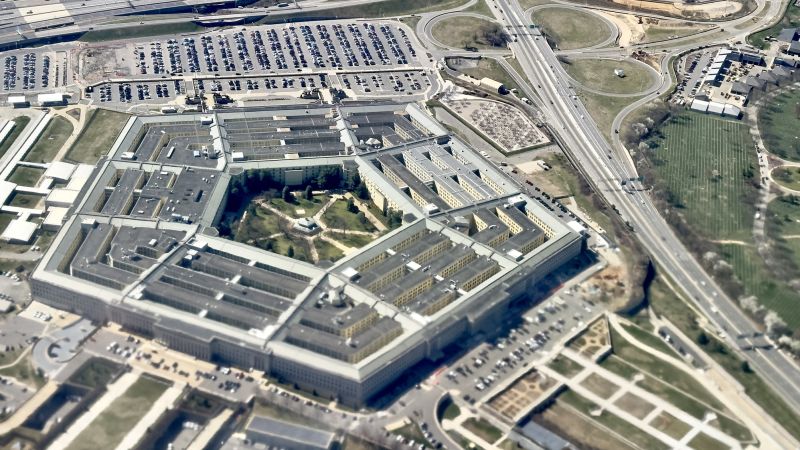
A US military aircraft fired on a vehicle and killed hostile forces after multiple close-range ballistic missiles were launched against US and coalition forces at Al-Asad Airbase in Iraq. This was the first time a ballistic missile was used since attacks began on October 17. The attack resulted in several non-serious injuries and minor infrastructure damage. The US has carried out retaliatory strikes in response to the continuous attacks on US troops, including three strikes in Syria. The Pentagon maintains that deterrence is working and the conflict has not escalated beyond Israel and Gaza.
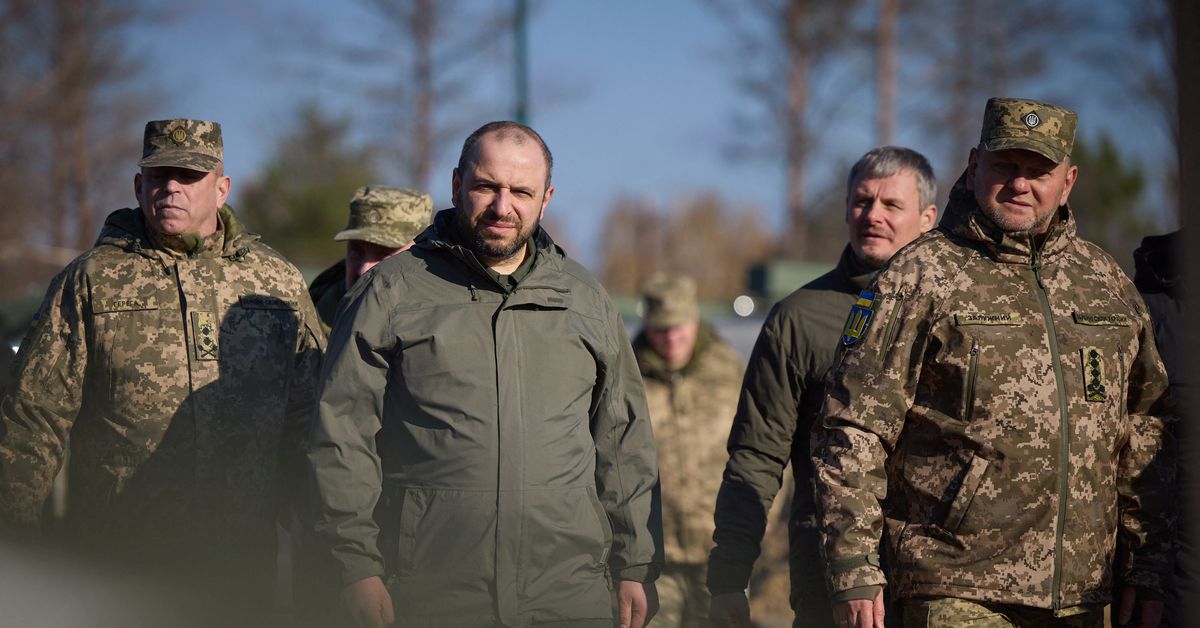
Ukraine's defense minister has ordered an investigation into an alleged Russian ballistic missile attack on a Ukrainian assault brigade, following reports that more than 20 soldiers were killed during an awards ceremony. The Ukrainian Armed Forces stated that Russia attacked the Zaporizhzhia region with the Iskander ballistic missile, resulting in casualties among servicemen and local residents. The exact number of soldiers killed remains unclear. Both Russia and Ukraine have a history of downplaying their military casualties while exaggerating the losses inflicted upon each other.
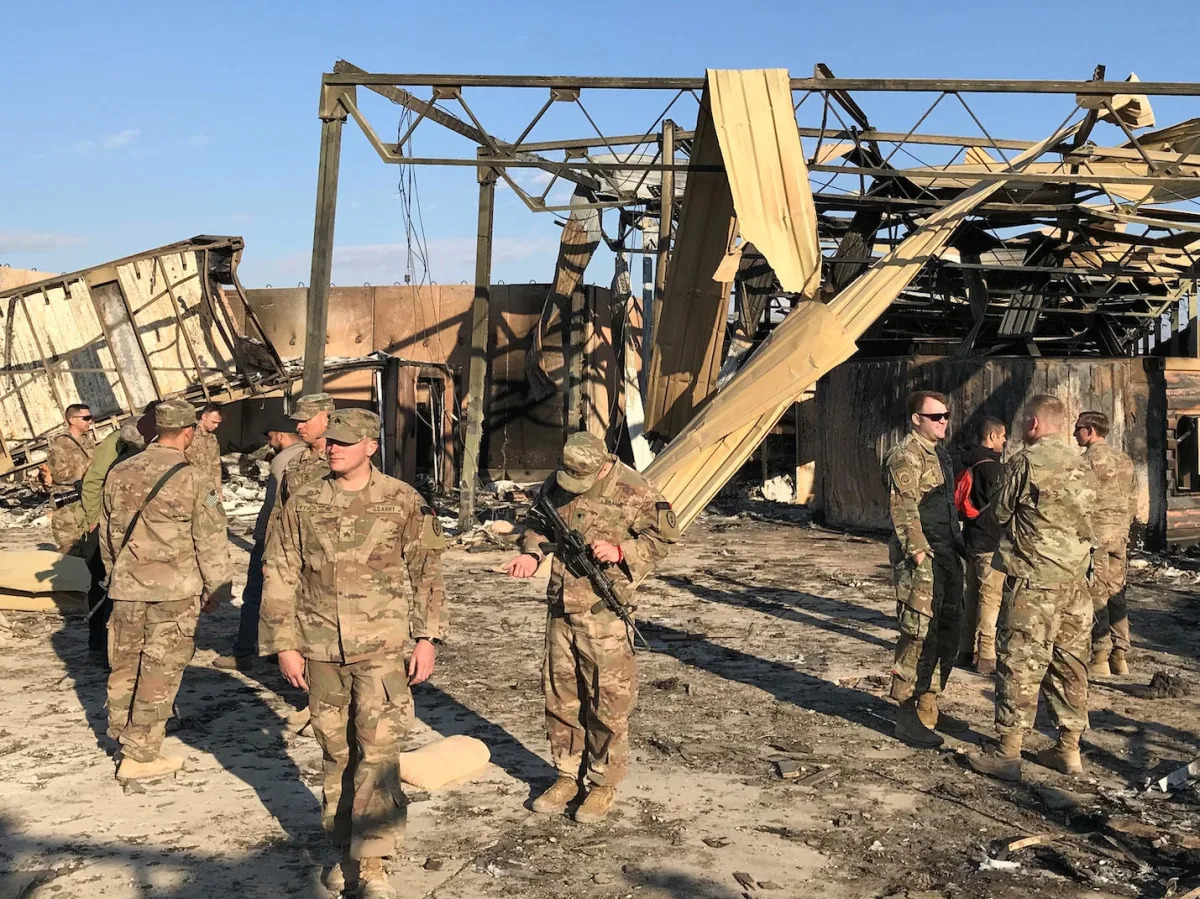
The Iranian ballistic missile attack on Al Asad air base in Iraq in January 2020 provided a glimpse into the long-lasting injuries that US troops are likely to face in future wars against near-peer adversaries like Russia or China. While no US personnel were killed in the attack, over 100 were later diagnosed with traumatic brain injuries (TBIs), resulting in recurring headaches and PTSD-related symptoms. The attack highlighted the limited understanding of the brain traumas caused by such attacks and the need for further research. As conflicts against near-peer adversaries involve heavier and longer-range weaponry, the prevalence of TBIs among US troops is expected to increase. Evacuating wounded personnel from the battlefield would also become more challenging due to the adversary's advanced sensors and weapons. The Al Asad attack serves as a warning of the lethal dangers that US troops will face in future battlefields.
The Iranian ballistic missile attack on an Iraqi base housing US troops in January 2020 resulted in no deaths but over 100 diagnosed cases of traumatic brain injuries (TBIs). Medical researchers believe these injuries provide a preview of the potential casualties US troops may face in future wars against near-peer adversaries. The attack highlighted the long-lasting and less visible injuries that troops may sustain, including recurring headaches and PTSD-related symptoms. As conflicts against near-peer adversaries become more prevalent, TBIs are expected to increase among US troops, necessitating the development of techniques to prevent and treat these injuries.