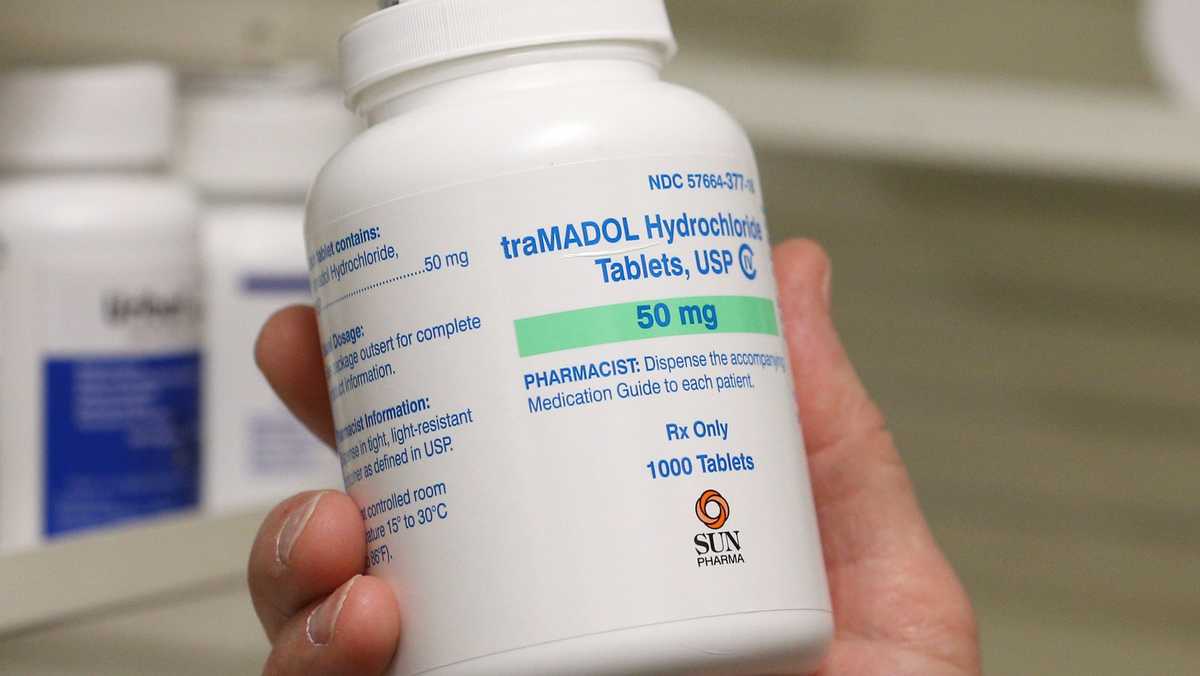
A comprehensive review finds that tramadol provides only modest pain relief for chronic pain but carries significant risks, including heart problems and increased adverse events, suggesting its benefits may not outweigh the harms and prompting a reevaluation of its widespread use.
A comprehensive review finds that tramadol provides only minimal relief for chronic pain and is associated with increased risks of serious side effects, including heart problems and potential cancer, suggesting its widespread use should be reconsidered due to its limited benefits and significant harms.
A recent study published in BMJ Evidence-Based Medicine found that tramadol, a commonly prescribed opioid for chronic pain, offers minimal pain relief and poses significant health risks, including serious cardiovascular events, leading experts to question its use for long-term pain management.
A comprehensive review suggests that tramadol, a widely prescribed opioid for chronic pain, offers only modest pain relief and poses significant health risks, including heart problems and increased cancer risk, leading experts to recommend minimizing its use due to the potential harms outweighing the benefits.
A comprehensive review suggests that tramadol, a widely prescribed opioid for chronic pain, offers minimal pain relief while significantly increasing the risk of serious health issues such as heart disease, leading researchers to recommend reducing its use due to the potential harms outweighing the benefits.
A recent systematic review suggests that tramadol provides minimal pain relief for chronic pain conditions while doubling the risk of serious side effects, mainly cardiac issues, leading experts to recommend reconsidering its use for such cases.
A recent study published in BMJ Evidence-Based Medicine suggests that tramadol, a widely used opioid for chronic pain, offers only minimal pain relief and carries significant risks, including serious side effects and potential for addiction, leading experts to recommend minimizing its use and exploring alternative treatments.
A recent study published in BMJ Evidence-Based Medicine suggests that tramadol, a widely used opioid for chronic pain, offers only minimal pain relief with significant risks, including serious side effects and potential for addiction, leading experts to recommend minimizing its use and exploring alternative treatments.
A recent study published in BMJ Evidence-Based Medicine suggests that tramadol, a widely used synthetic opioid for chronic pain, offers only minimal pain relief with significant risks, including serious side effects and potential for addiction, leading experts to recommend minimizing its use and exploring alternative treatments.
Tramadol and oxycodone are opioid medications used for pain relief, but they differ in potency and risk of addiction. Tramadol is a weaker opioid with milder effects, while oxycodone is stronger and has a higher risk of addiction. Tramadol acts as a prodrug, requiring conversion in the body to provide pain relief, while oxycodone directly causes pain relief. Both medications have side effects and safety risks, including the potential for abuse, overdose, and respiratory depression. The FDA has issued warnings for both drugs. It is important to use these medications under the guidance of a healthcare provider and be aware of the potential risks involved.