A comprehensive review suggests that tramadol, a widely prescribed opioid for chronic pain, offers only modest pain relief and poses significant health risks, including heart problems and increased cancer risk, leading experts to recommend minimizing its use due to the potential harms outweighing the benefits.
An analysis published in JAMA Internal Medicine revealed a 31% increase in fatal car crashes in the US around the 2017 total solar eclipse, with heightened traffic risks attributed to increased travel, distractions, unfamiliar roads, and potential intoxication. The hours before and after the eclipse were found to be particularly dangerous, with clear weather accentuating the risk. Researchers warned of a similar pattern for the upcoming April 8 eclipse and emphasized the need for safer driving practices to prevent an increase in traffic fatalities. US Federal Highway Administration chief Shailen Bhatt advised planning ahead, avoiding distractions, and not watching the eclipse while driving.
Palo Alto Networks reported strong second quarter 2024 results with a 19% increase in revenue and a significant rise in net income and EPS. The company's profit margin also saw a substantial improvement, primarily driven by lower expenses. While revenue met analyst estimates, EPS surpassed expectations. Looking ahead, Palo Alto Networks forecasts a 13% annual revenue growth over the next three years, outperforming the industry average. However, the company's shares have declined, and there are potential risks that investors should consider.
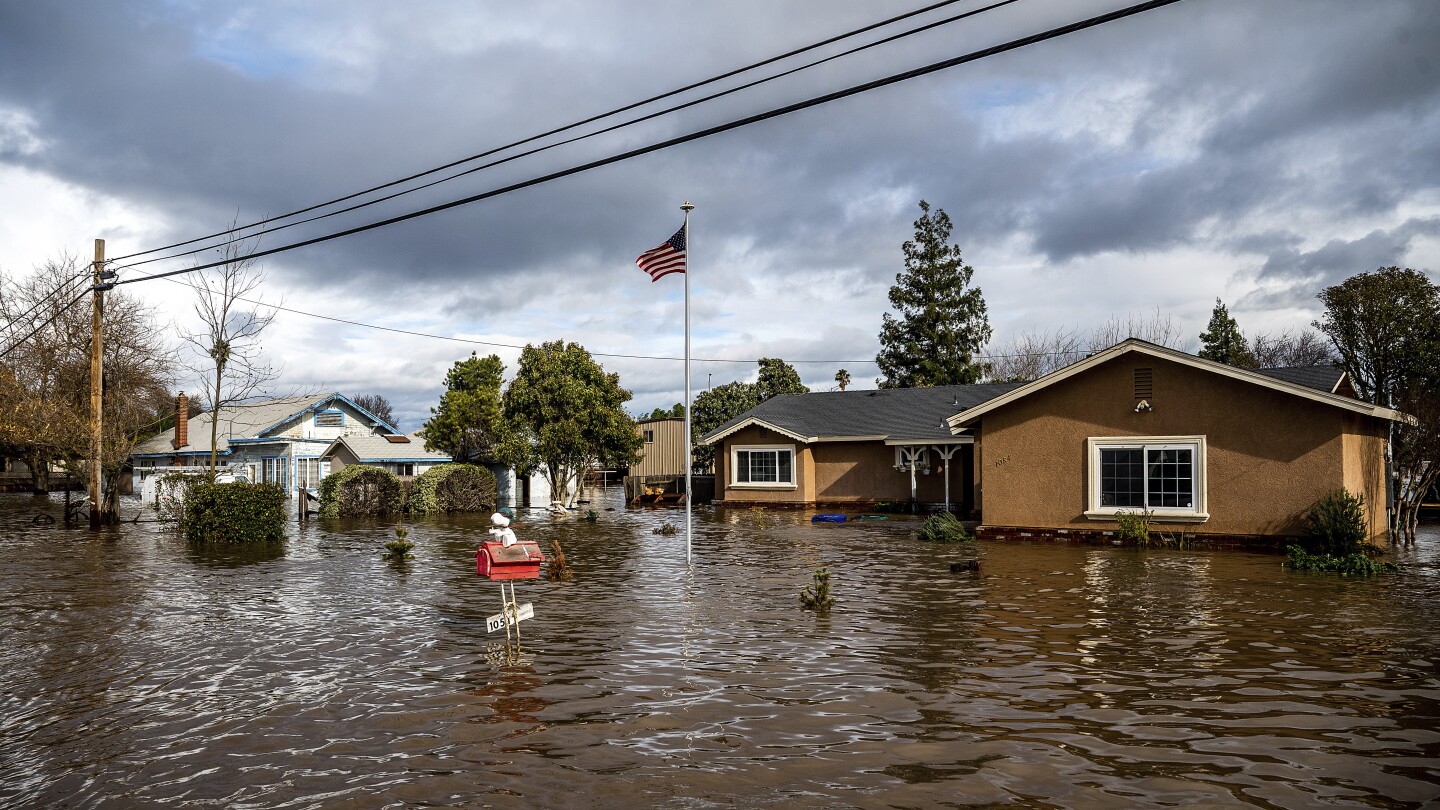
Flooding caused by climate change is driving millions of people to move out of their homes, impacting both prosperous and declining communities across the United States. A study by First Street Foundation reveals that in the first two decades of the 21st century, over 7 million people avoided or abandoned risky areas due to the threat of flooding. Climate change is intensifying hurricanes and increasing rainfall, leading researchers to predict that millions more will choose to relocate in the coming decades. The study also highlights the winners and losers at the neighborhood level, with flood-prone areas experiencing population decline while safer cities like Chicago are expected to attract more residents.
The National Risk Index (NRI), a federal tool used to assess disaster risks and allocate funding, is failing to accurately account for the tsunami threat along the Cascadia Subduction Zone in the Pacific Northwest. The NRI assigns low or moderate tsunami risk ratings to areas that are projected to be severely impacted by tsunamis, putting vulnerable communities at risk. The index's flawed designations and data gaps have raised concerns among emergency managers and planners who rely on accurate risk assessments to prioritize disaster preparation and mitigation efforts. The discrepancies in the NRI's ratings highlight the need for improved tools and localized risk assessments to protect communities from the devastating impact of natural disasters.
This article provides a guide on how to build a dividend portfolio by allocating $100,000 among November's top 20 dividend income companies. The portfolio is extensively diversified across companies, sectors, industries, and countries, reducing the risk level. The author highlights the importance of reducing risk and achieving attractive investment outcomes. The portfolio includes companies like Pfizer, Verizon, Altria, Apple, and Microsoft, with a focus on large-cap value stocks. The risk analysis demonstrates reduced company-specific, sector-specific, industry-specific, and geographical-specific concentration risks. Strategies to further reduce risk include allocating a higher proportion to low-beta companies, adding additional low-risk companies, diversifying into fixed income, and increasing geographical diversification. The portfolio aligns with the investment approach of The Dividend Income Accelerator Portfolio, offering an attractive weighted average dividend yield and dividend growth rate.
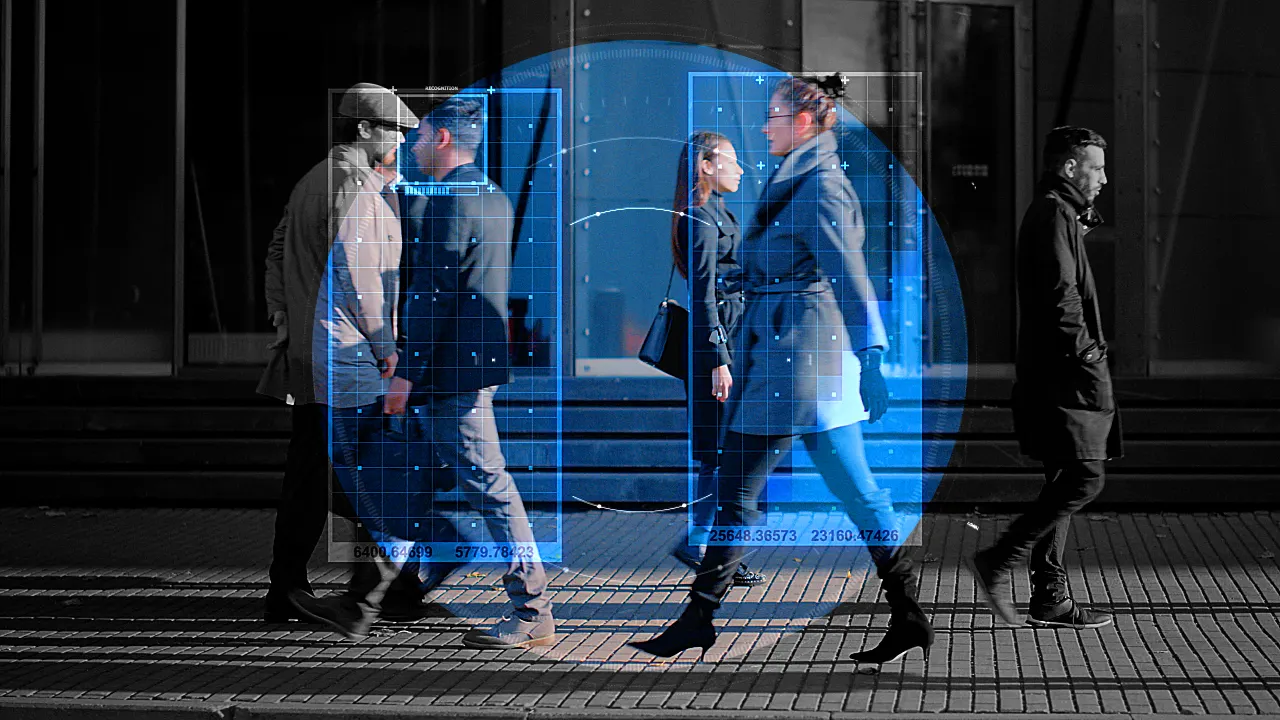
AI technology poses immense danger and can be twisted for malevolent power, warns risk analysis expert Ian Bremmer. He believes that AI will be in the hands of millions of people, including bad actors, and will lead to unprecedented social disruptions. Bremmer welcomes the great changes AI could create in various fields but highlights the potential for increased misinformation and other negative effects that would propagate in the hands of bad actors. He warns that AI is vastly more dangerous than an AR-15 and could be used for disruptive purposes.