Tag

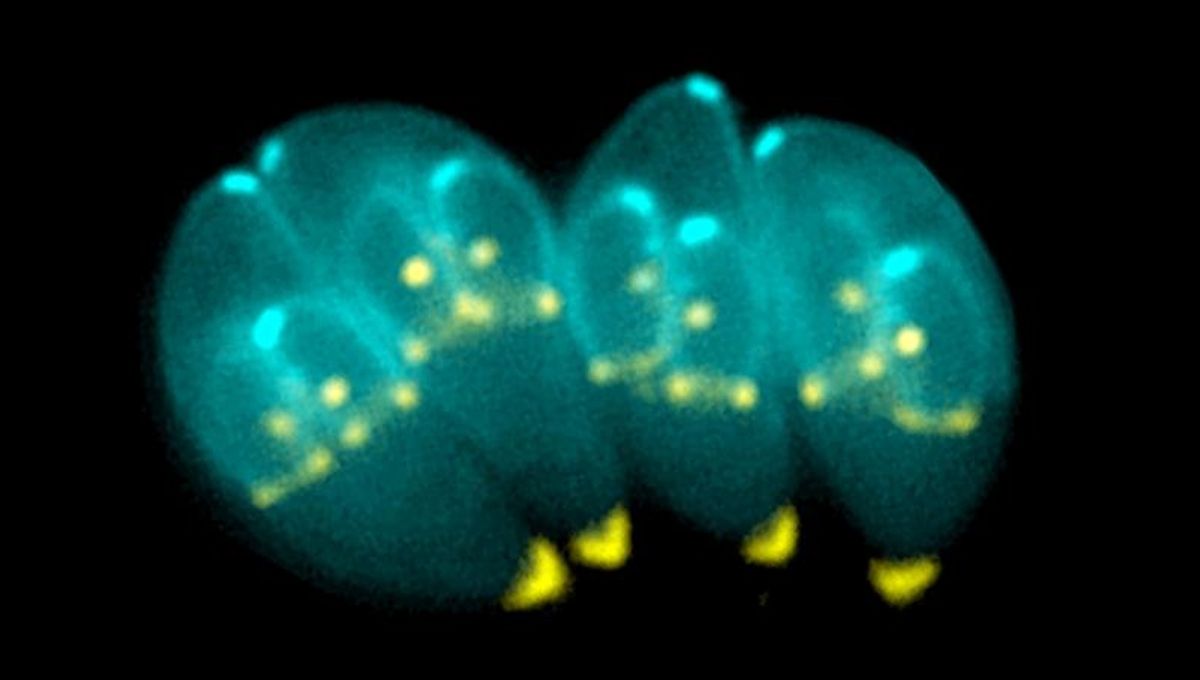
Toxoplasma Gondii

All articles tagged with #toxoplasma gondii

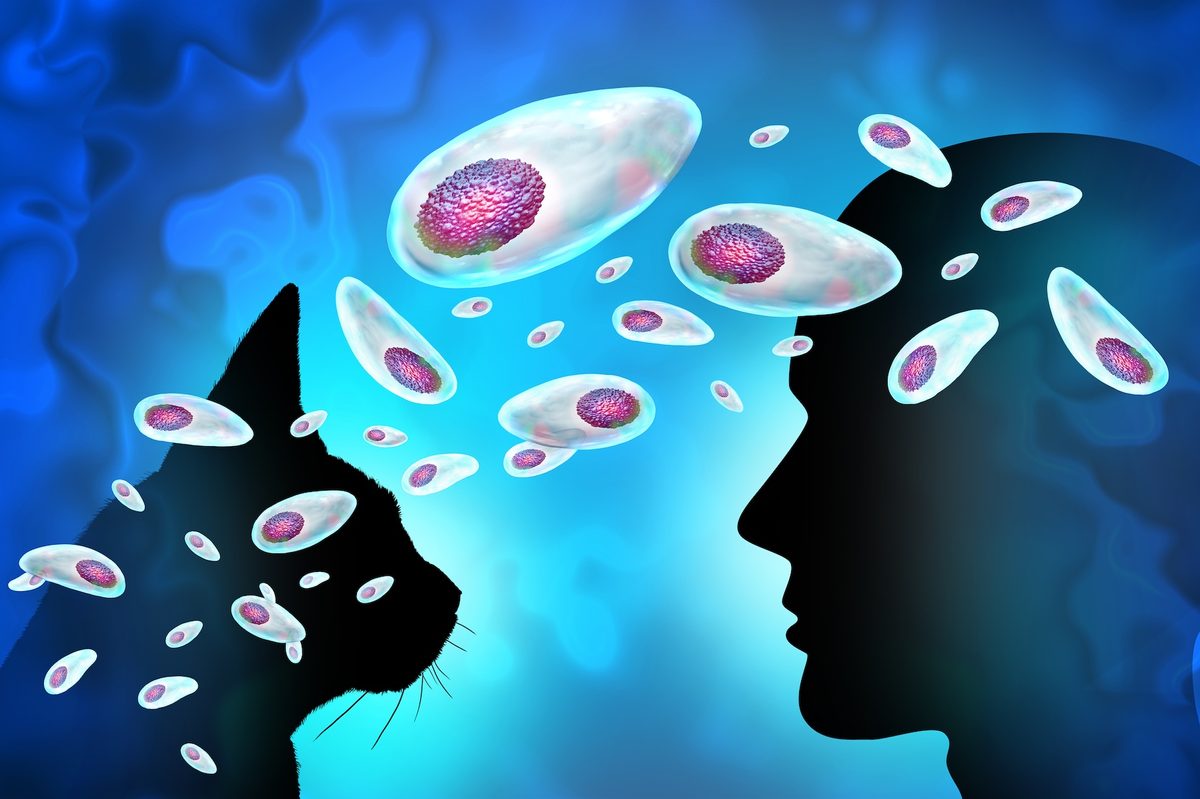
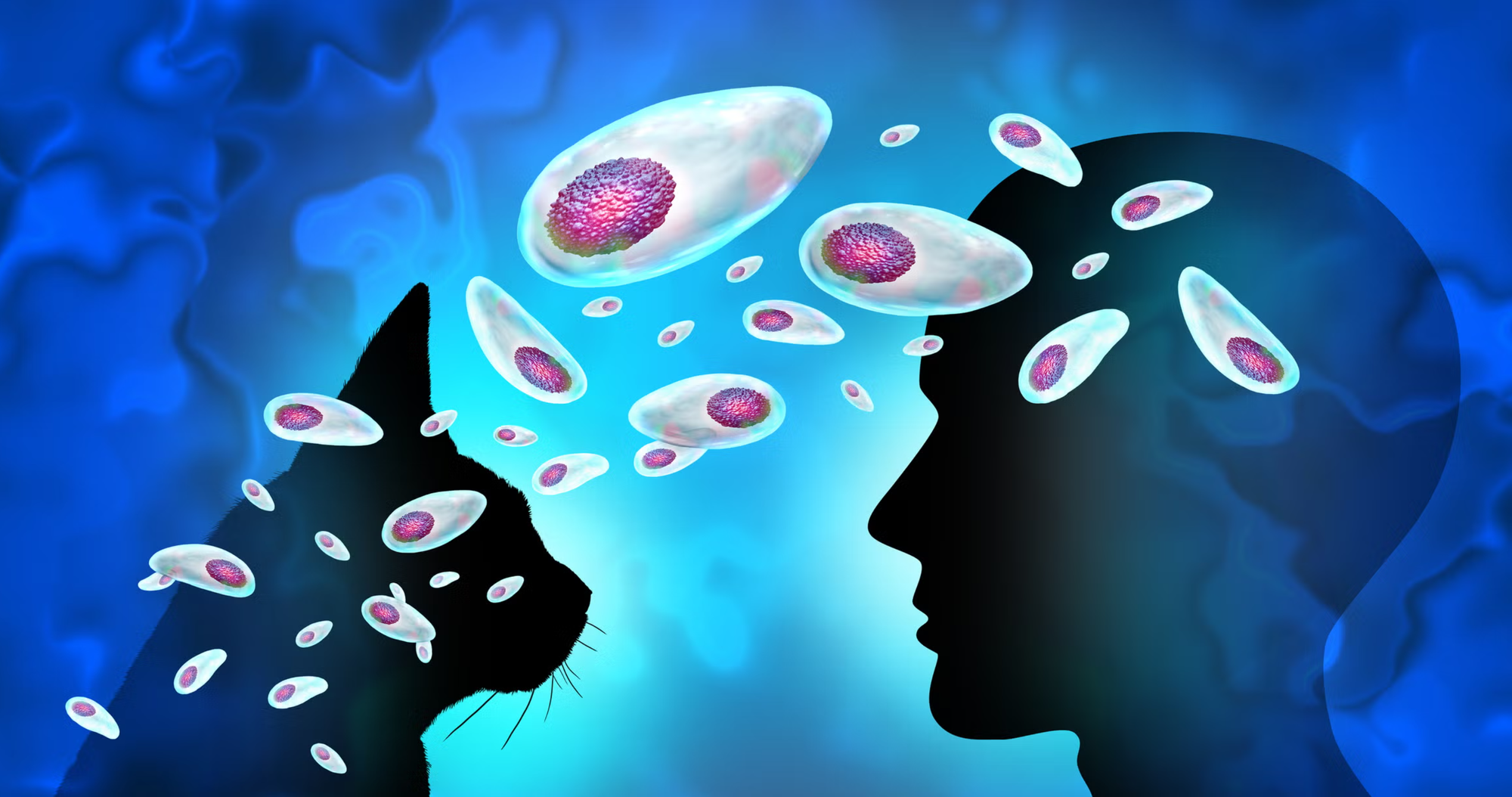
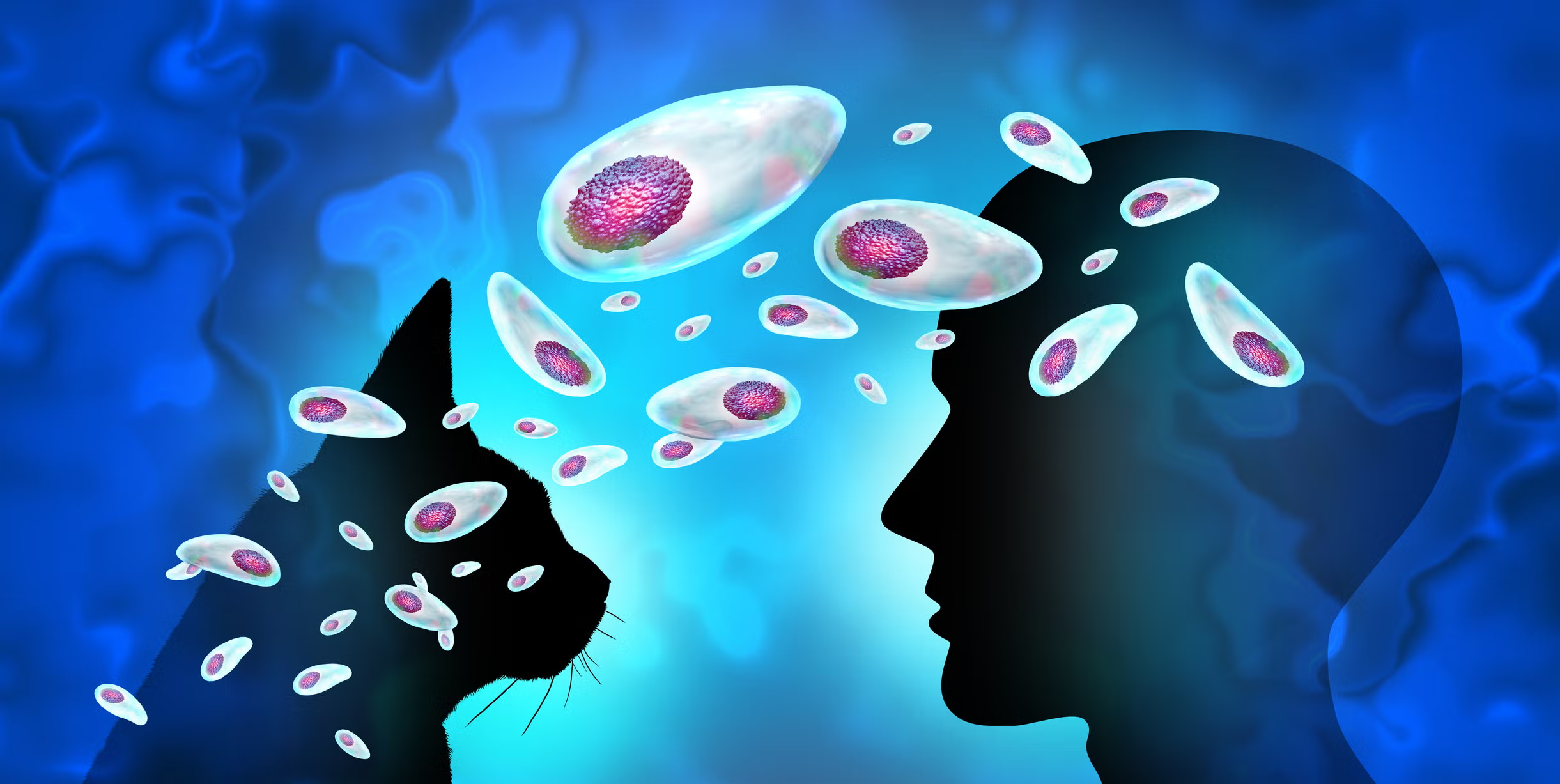
Cat Parasite May Influence Your Decision-Making

Originally Published 5 months ago — by BBC Science Focus Magazine

Featured image for Cat Parasite May Influence Your Decision-Making
Source: BBC Science Focus Magazine

A parasite called Toxoplasma gondii, spread mainly through cats, may influence human behavior by increasing dopamine levels, leading to riskier and more aggressive actions. It infects a significant portion of the population worldwide, often without symptoms, and can alter brain chemistry to reduce fear responses, potentially impacting societal behavior and violence. Preventative measures include good hygiene and proper food handling.

Toxoplasma Parasite Alters Personality and Aggression

Originally Published 5 months ago — by Neuroscience News

Featured image for Toxoplasma Parasite Alters Personality and Aggression
Source: Neuroscience News

Research indicates that Toxoplasma gondii and other parasites can alter brain chemistry, increasing impulsivity, aggression, and risk-taking behaviors in humans, potentially impacting mental health and societal trends. These parasites manipulate dopamine and immune responses, which may influence personality traits and behavior, raising public health concerns and prompting further investigation into their broader effects.

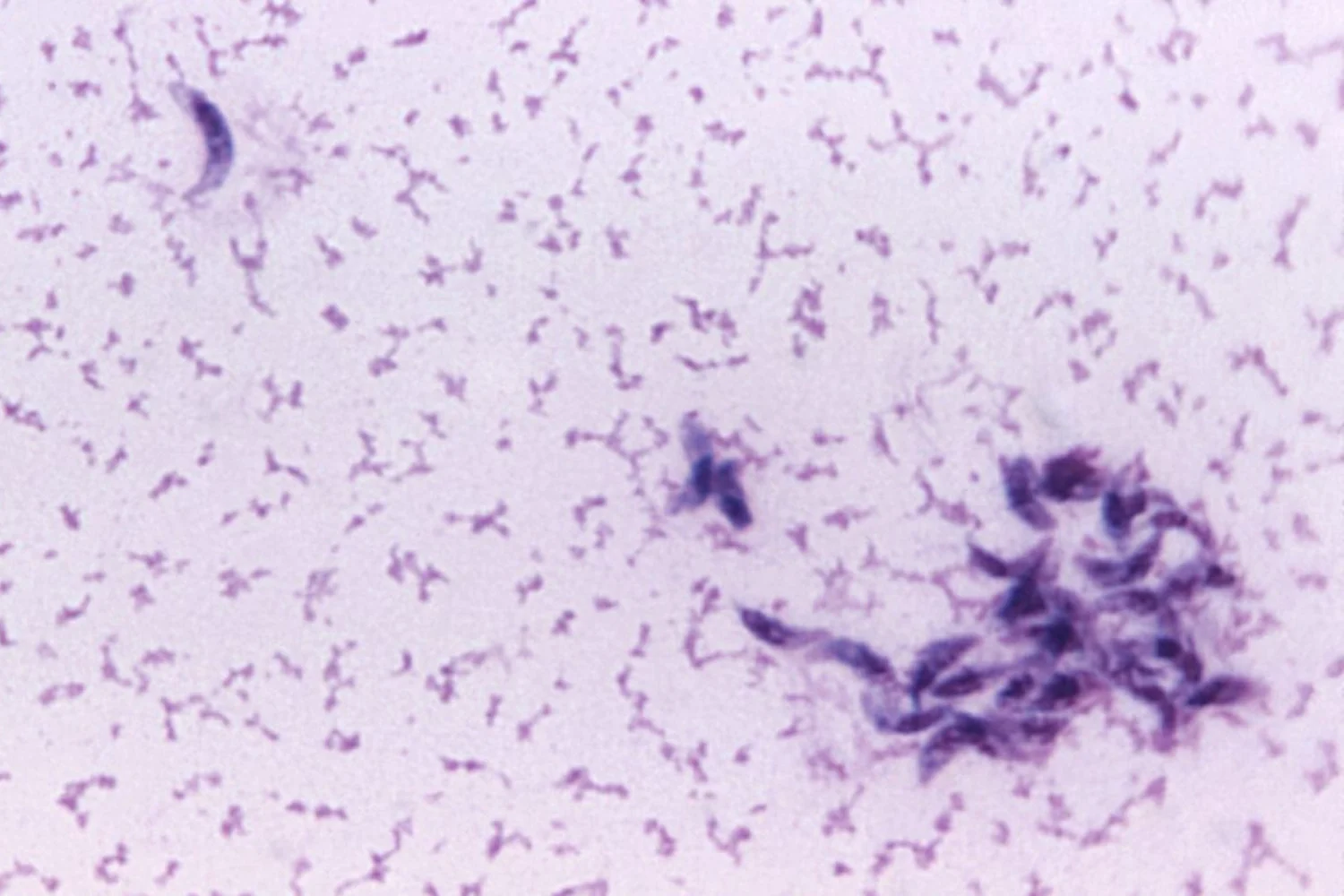
Up to 30% of Americans May Be Silent Carriers of a Brain-Disrupting Parasite

Originally Published 6 months ago — by The Brighter Side of News

Featured image for Up to 30% of Americans May Be Silent Carriers of a Brain-Disrupting Parasite
Source: The Brighter Side of News

Nearly one-third of Americans are infected with Toxoplasma gondii, a parasite that silently alters brain function by disrupting neuron-astrocyte communication through changes in extracellular vesicles, potentially increasing risks for neurological disorders and offering new avenues for detection and treatment.

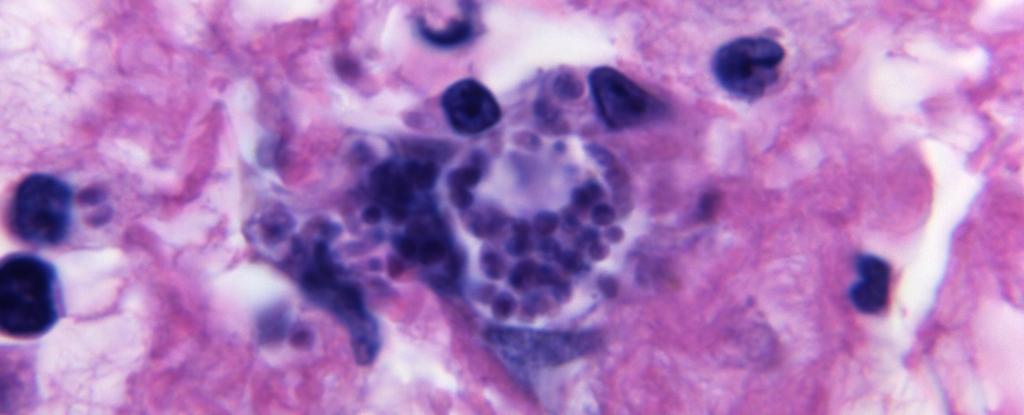
Common Cat Parasite May Significantly Disrupt Brain Function

Originally Published 6 months ago — by ScienceAlert

Featured image for Common Cat Parasite May Significantly Disrupt Brain Function
Source: ScienceAlert

A study reveals that the parasite Toxoplasma gondii can significantly disrupt brain function by impairing neuronal communication and altering glial cell activity, which may contribute to neurological and behavioral issues, especially in vulnerable populations. The research highlights the importance of understanding the parasite's impact on brain health and suggests potential avenues for protective strategies.

Prevalent Brain Parasite Impairs Neural Communication in Up to 30% of Americans

Originally Published 6 months ago — by IFLScience

Featured image for Prevalent Brain Parasite Impairs Neural Communication in Up to 30% of Americans
Source: IFLScience

New research shows that the brain parasite Toxoplasma gondii disrupts neuron communication by reducing extracellular vesicle signaling, which may contribute to neurological and behavioral conditions; detection and treatment strategies are being explored.

Brain Parasite Impairs Neural Communication

Originally Published 6 months ago — by University of California, Riverside

Featured image for Brain Parasite Impairs Neural Communication
Source: University of California, Riverside

Scientists at UC Riverside discovered that the parasite Toxoplasma gondii disrupts brain cell communication by reducing extracellular vesicle signaling, which can affect neural balance and potentially lead to neurological issues, highlighting new avenues for diagnosis and treatment of brain infections.

Common Parasite May Significantly Reduce Male Fertility by Destroying Sperm

Originally Published 7 months ago — by Gizmodo

Featured image for Common Parasite May Significantly Reduce Male Fertility by Destroying Sperm
Source: Gizmodo

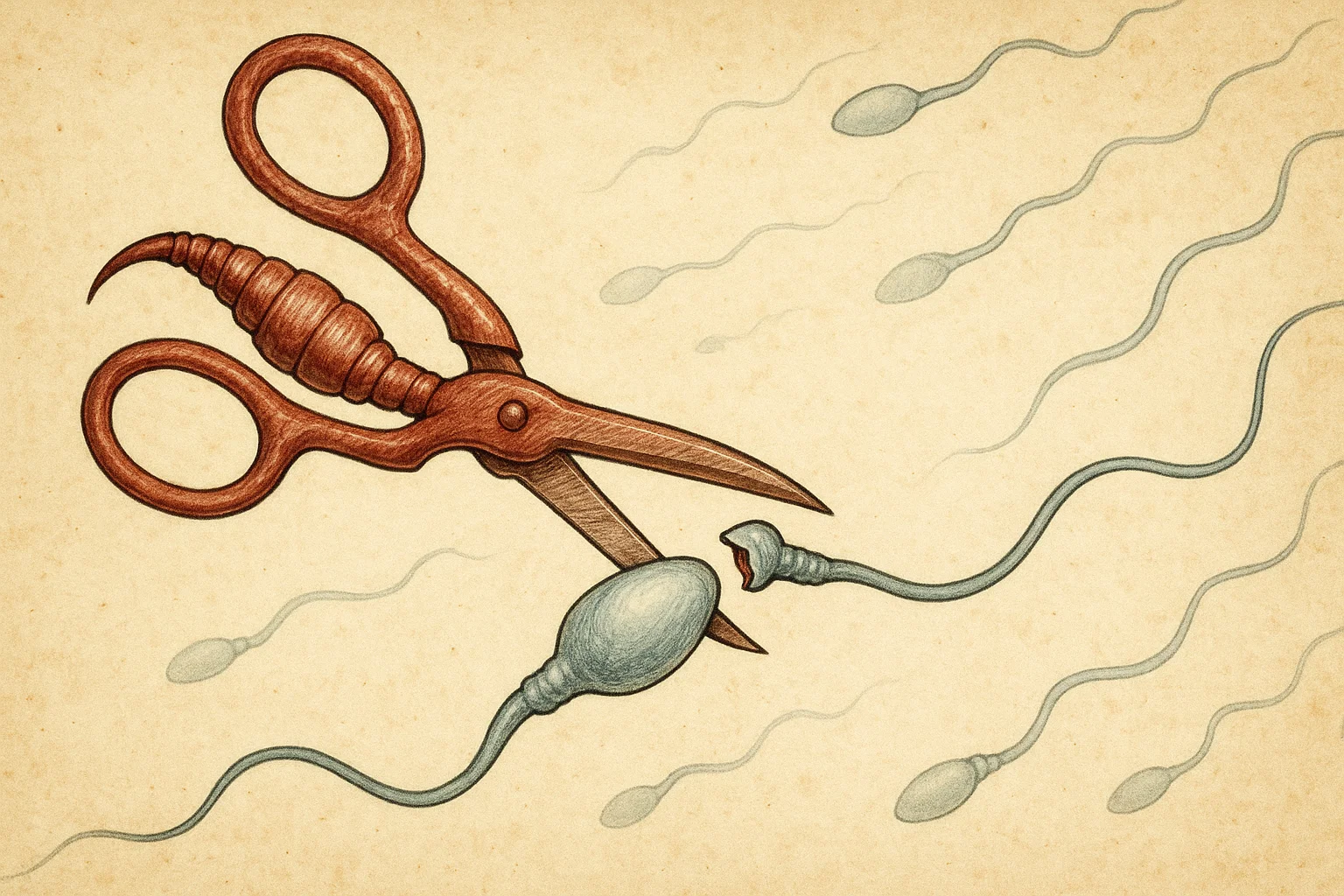
A recent study suggests that the parasite Toxoplasma gondii can directly damage human sperm by causing decapitation and deformities, potentially contributing to global male infertility trends. The parasite can infect male reproductive organs, and exposure may be linked to reduced sperm quality, although more research is needed to confirm this connection. Preventative measures include proper hygiene, cooking meat thoroughly, and avoiding raw foods.

Parasite Infecting 50% of People May Decapitate Human Sperm

Originally Published 7 months ago — by ScienceAlert

Featured image for Parasite Infecting 50% of People May Decapitate Human Sperm
Source: ScienceAlert

A recent study suggests that the parasite Toxoplasma gondii can directly damage human sperm by causing decapitation and deformities, potentially contributing to declining male fertility rates worldwide. The parasite infects many people globally and can target reproductive organs, raising concerns about its impact on human fertility, although more research is needed. Preventative measures include proper food handling and hygiene practices.

Parasite in Cat Poop Can Quickly Destroy Human Sperm

Originally Published 7 months ago — by ZME Science

Featured image for Parasite in Cat Poop Can Quickly Destroy Human Sperm
Source: ZME Science

A recent study shows that the parasite Toxoplasma gondii can directly damage human sperm, potentially contributing to declining male fertility rates, by decapitating sperm cells within five minutes of contact. The parasite infects various organs, including reproductive organs, and is widespread globally, emphasizing the importance of prevention measures such as proper food handling and hygiene.

"Goldilocks Black Hole, Toxoplasma Metabolism, and Muscle-Speed Pumping"

Originally Published 1 year ago — by Phys.org

Featured image for "Goldilocks Black Hole, Toxoplasma Metabolism, and Muscle-Speed Pumping"
Source: Phys.org

This week's scientific highlights include the discovery of the first known intermediate-mass black hole in the Omega Centauri cluster, a study on the role of water in muscle contraction, the development of a waste-recycling suit for astronauts, and new insights into the metabolism of the parasite Toxoplasma gondii.

"Scientists Uncover 'Trojan Horse' Virus in Human Parasite"

Originally Published 1 year ago — by Phys.org

Featured image for "Scientists Uncover 'Trojan Horse' Virus in Human Parasite"
Source: Phys.org

Researchers at the University of Toronto have discovered a new RNA virus, Apocryptovirus odysseus, hiding within the common human parasite Toxoplasma gondii. This virus is linked to severe inflammation and exacerbates toxoplasmosis, a disease affecting a significant portion of the global population. The study, published in Virus Evolution, suggests that the virus and parasite work together to cause disease, with the virus using the parasite to enter human neurons. This discovery could lead to new biomarkers for parasitic infections and potential treatments targeting the parasite's viruses.

"Wolves Infected by Mind-Altering Parasite Exhibit Strange Behavior"

Originally Published 1 year ago — by ScienceAlert

Featured image for "Wolves Infected by Mind-Altering Parasite Exhibit Strange Behavior"
Source: ScienceAlert

A 26-year study of wolves in Yellowstone National Park reveals that infection with the parasite Toxoplasma gondii significantly increases the likelihood of wolves becoming pack leaders and taking more risks. The parasite, which can only reproduce in felines but infects many warm-blooded animals, appears to alter wolf behavior, potentially affecting pack dynamics and ecosystem interactions. This underscores the importance of considering parasite infections in wildlife research.

"Uncovering the Enigmatic Connection Between Cats and Schizophrenia"

Originally Published 1 year ago — by indy100

Featured image for "Uncovering the Enigmatic Connection Between Cats and Schizophrenia"
Source: indy100

A recent study suggests that owning a cat could potentially double a person's risk of developing schizophrenia-related disorders, with a link proposed to the parasite Toxoplasma gondii. However, research findings have been inconsistent, and the association between cat ownership and schizophrenia-related disorders remains inconclusive. The parasite, transmitted through cat bites or feces, has been linked to influencing neurotransmitters and neurological disorders. The analysis of 17 studies found a significant positive association between cat ownership and an increased risk of schizophrenia-related disorders, but the need for more high-quality research based on large, representative samples is emphasized to better understand this potential risk factor for mental disorders.

"Infections Linked to Personality Regardless of Health Decline"

Originally Published 1 year ago — by PsyPost

Featured image for "Infections Linked to Personality Regardless of Health Decline"
Source: PsyPost

New research challenges the belief that behavioral changes in individuals infected with Toxoplasma gondii and Borrelia spp. are solely due to compromised health, suggesting a direct link to personality traits and cognitive functions. The study, involving nearly 8,000 participants, found that infected individuals exhibited altered personality traits, lower disgust sensitivity, and impaired cognitive processing speed and accuracy, independent of their overall health status. However, the study's cross-sectional nature limits the ability to draw causal inferences, leaving the question of whether these infections directly cause the observed differences unanswered.