Tag

Male Fertility

All articles tagged with #male fertility

Common Parasite May Significantly Reduce Male Fertility by Destroying Sperm

Originally Published 7 months ago — by Gizmodo

Featured image for Common Parasite May Significantly Reduce Male Fertility by Destroying Sperm
Source: Gizmodo

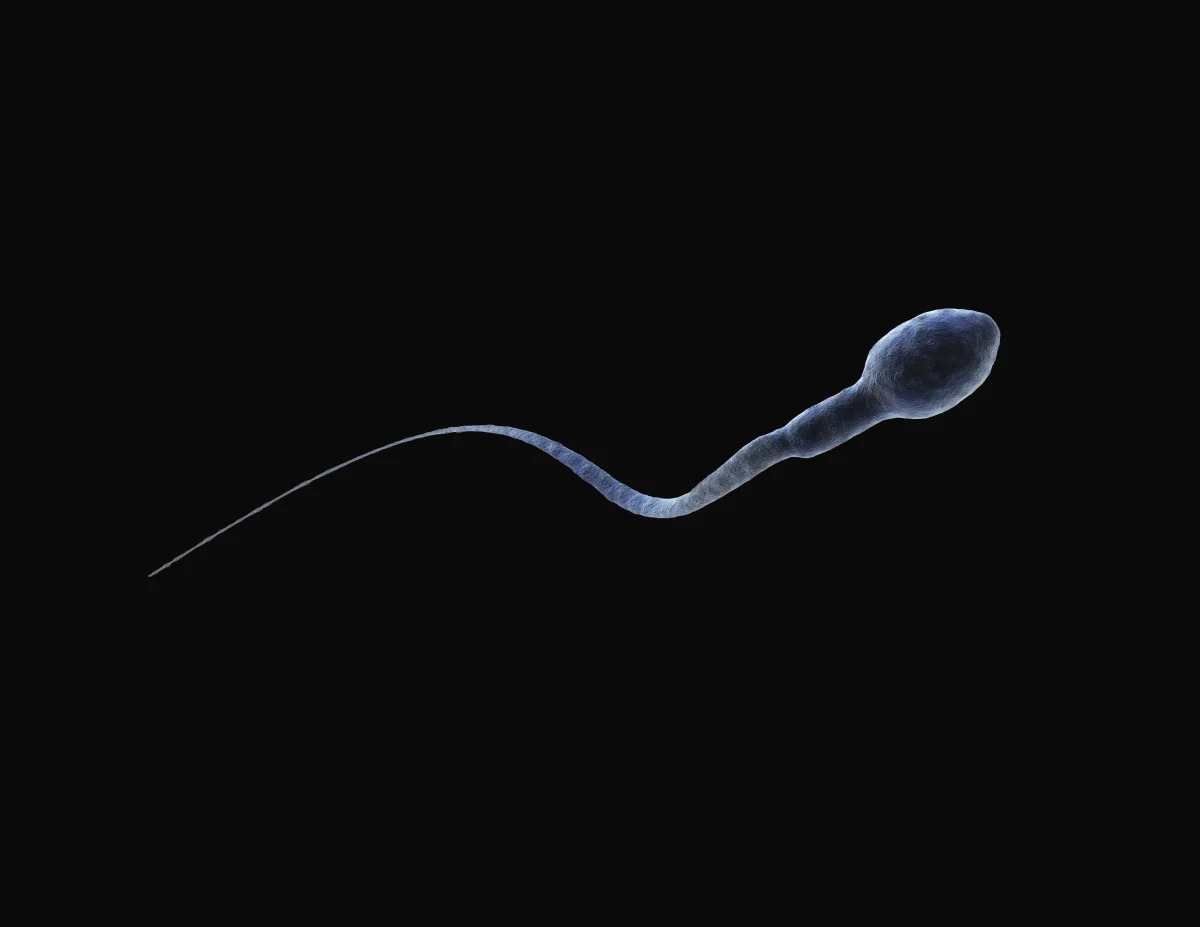
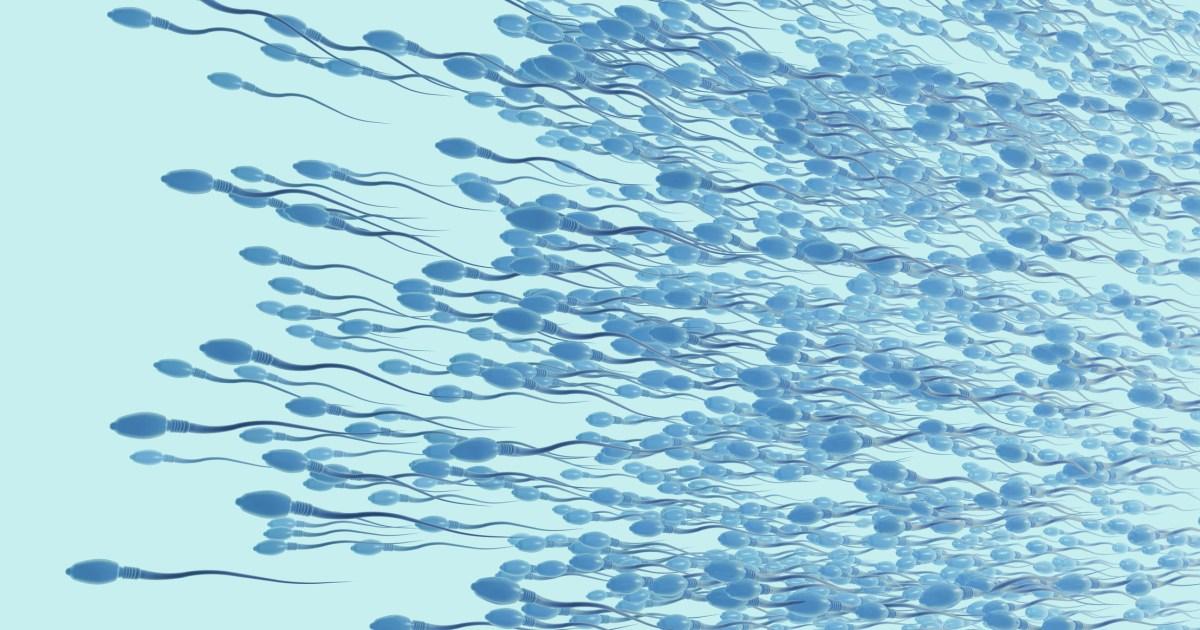
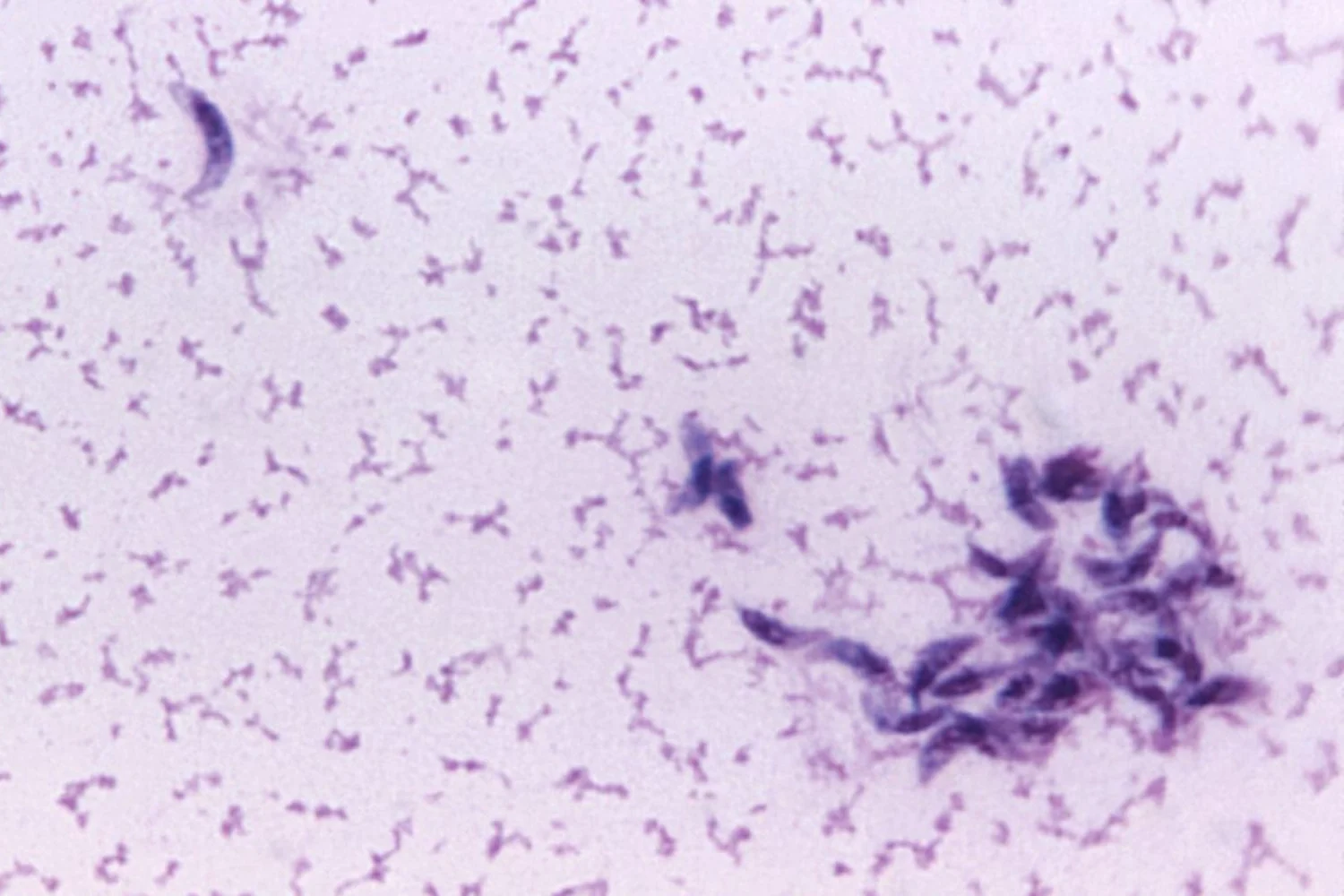
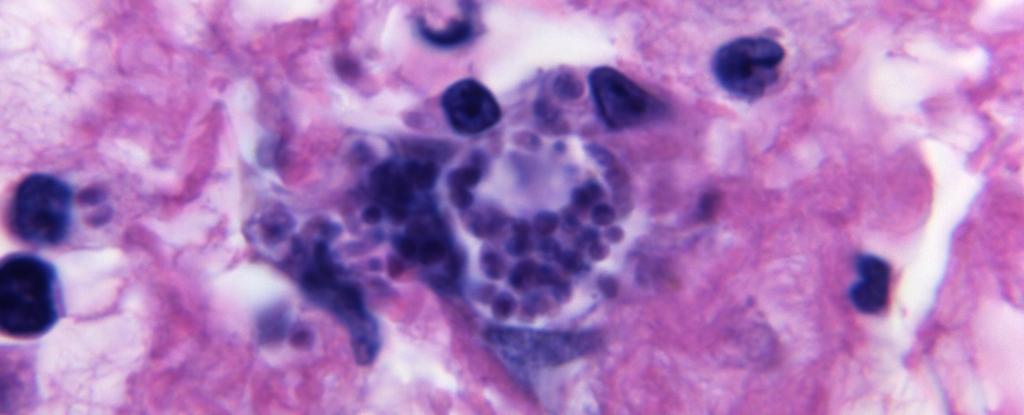
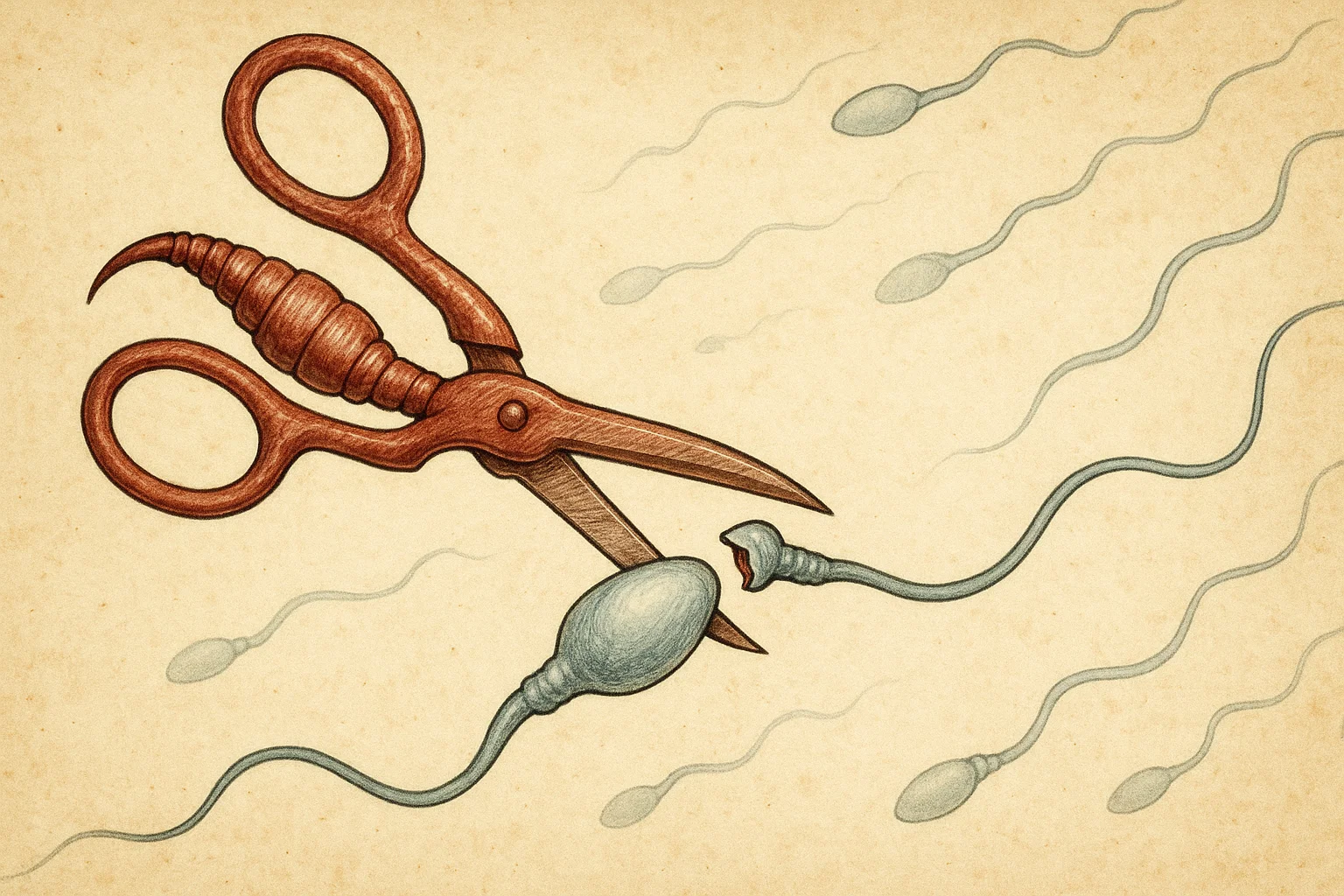
A recent study suggests that the parasite Toxoplasma gondii can directly damage human sperm by causing decapitation and deformities, potentially contributing to global male infertility trends. The parasite can infect male reproductive organs, and exposure may be linked to reduced sperm quality, although more research is needed to confirm this connection. Preventative measures include proper hygiene, cooking meat thoroughly, and avoiding raw foods.
Parasite Infecting 50% of People May Decapitate Human Sperm

Originally Published 7 months ago — by ScienceAlert

Featured image for Parasite Infecting 50% of People May Decapitate Human Sperm
Source: ScienceAlert

A recent study suggests that the parasite Toxoplasma gondii can directly damage human sperm by causing decapitation and deformities, potentially contributing to declining male fertility rates worldwide. The parasite infects many people globally and can target reproductive organs, raising concerns about its impact on human fertility, although more research is needed. Preventative measures include proper food handling and hygiene practices.

Parasite in Cat Poop Can Quickly Destroy Human Sperm

Originally Published 7 months ago — by ZME Science

Featured image for Parasite in Cat Poop Can Quickly Destroy Human Sperm
Source: ZME Science

A recent study shows that the parasite Toxoplasma gondii can directly damage human sperm, potentially contributing to declining male fertility rates, by decapitating sperm cells within five minutes of contact. The parasite infects various organs, including reproductive organs, and is widespread globally, emphasizing the importance of prevention measures such as proper food handling and hygiene.

Microplastics Detected in Human Testicles, Raising Health Concerns

Originally Published 1 year ago — by Ynetnews

Featured image for Microplastics Detected in Human Testicles, Raising Health Concerns
Source: Ynetnews

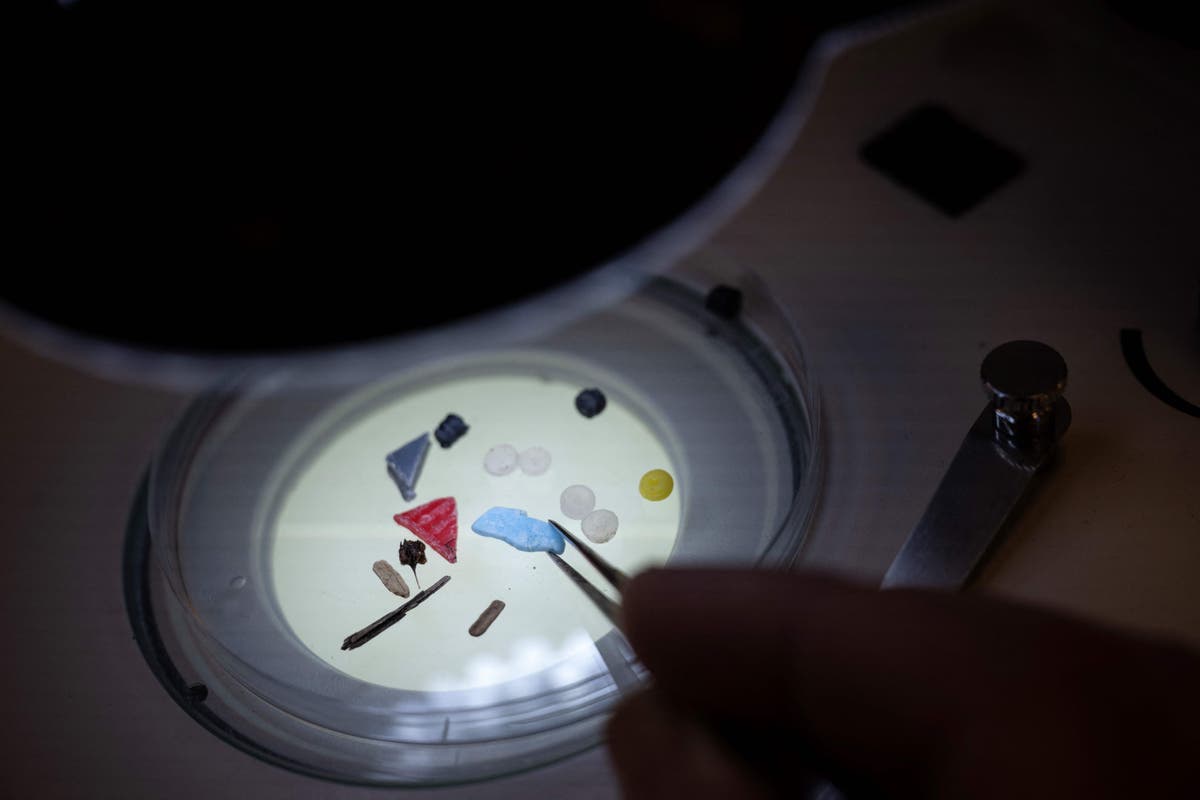
A study published in the Journal of Toxicological Studies has found microplastics in human and dog testicles, raising concerns about potential impacts on sperm quality and male fertility. Microplastics, which enter the body through food, air, and various products, can accumulate in organs and disrupt hormone signaling. Experts recommend reducing exposure by avoiding plastic containers and practicing good hygiene to mitigate health risks.

Microplastics Ubiquitous in Human and Dog Testicles, Study Finds

Originally Published 1 year ago — by The Independent

Featured image for Microplastics Ubiquitous in Human and Dog Testicles, Study Finds
Source: The Independent

Scientists at the University of New Mexico have discovered microplastics in every testicle sample from both dogs and humans, raising concerns about male fertility. The study found that higher levels of PVC in canine tissue correlated with lower sperm counts, suggesting that microplastics could interfere with reproductive health. The findings highlight the pervasive presence of microplastics and the urgent need to address plastic pollution to protect future generations.

Microplastics Found in Human Testicles, Raising Health Concerns

Originally Published 1 year ago — by Yahoo Life

Featured image for Microplastics Found in Human Testicles, Raising Health Concerns
Source: Yahoo Life

Recent research suggests that microplastics may be a hidden factor contributing to the global decline in sperm counts, which have dropped by 1.2% per year from 1973 to 2018. A study found significant concentrations of microplastics in human testicles, raising concerns about their potential impact on male fertility. While experts acknowledge the presence of microplastics in the body, they stress that more research is needed to understand their effects on sperm production and quality. Reducing exposure to microplastics may help, but the exact implications remain uncertain.

"Improving Male Fertility: Antioxidant-Rich Foods and Lifestyle Factors"

Originally Published 1 year ago — by Hindustan Times

Male infertility is a growing concern, with 30-50% of cases attributed to factors like varicocele, smoking, and nutritional deficiencies. Oxidative stress, caused by an imbalance between free radicals and antioxidants, can harm sperm DNA and fertility. Antioxidant-rich foods such as nuts, seeds, turmeric, ginger, green tea, leafy greens, berries, and garlic can help improve sperm quality and protect against oxidative damage, offering natural methods to enhance male fertility.

"Israeli Researchers Develop Lab-Made Sperm to Combat Male Infertility"

Originally Published 1 year ago — by The Jerusalem Post

Featured image for "Israeli Researchers Develop Lab-Made Sperm to Combat Male Infertility"
Source: The Jerusalem Post

Israeli researchers at Bar-Ilan University have developed organoids of male testicles that can synthesize testosterone, regulate reproductive functions, and potentially produce sperm in the laboratory, offering hope for infertile couples. The breakthrough could significantly advance understanding of male infertility and sexual development disorders, with potential therapeutic applications for disorders of sexual development and infertility. The researchers plan to further develop the technique using human samples, potentially aiding children being treated for cancer who may later struggle with fertility.

"Bull Fertility Research Sheds Light on Male Infertility in Humans"

Originally Published 1 year ago — by Medical Xpress

Featured image for "Bull Fertility Research Sheds Light on Male Infertility in Humans"
Source: Medical Xpress

A study led by researchers at ETH Zurich used young bulls to investigate genes active in different reproductive tissues, discovering a large number of genes associated with fertility in bulls that are likely relevant to male fertility in humans. The findings could lead to better diagnostics for identifying genes and variants in breeding bulls, benefiting livestock breeders by minimizing financial losses from failed artificial inseminations. The research also sheds light on the importance of using suitable animal models for male fertility studies, as bulls provide a unique opportunity for comprehensive analysis compared to human subjects.

The Impact of Semen Microbiome on Male Fertility

Originally Published 2 years ago — by Metro.co.uk

Featured image for The Impact of Semen Microbiome on Male Fertility
Source: Metro.co.uk

A study by the University of California, Los Angeles has found that bacteria in semen, particularly Lactobacillus iners and certain types of Pseudomonas, may negatively impact sperm motility and male fertility. The research highlights the importance of understanding the semen microbiome and its connection to infertility, providing valuable insights for future investigations. This discovery adds to the growing body of evidence suggesting that the microbiome plays a significant role in male reproductive health.

"The Influence of Semen Microbiome on Male Fertility"

Originally Published 2 years ago — by Phys.org

Featured image for "The Influence of Semen Microbiome on Male Fertility"
Source: Phys.org

A study from the Department of Urology at UCLA suggests that the semen microbiome may significantly influence male fertility by impacting sperm parameters. Researchers found that the presence of certain microbes, particularly Lactobacillus iners, may have a negative effect on sperm motility. Additionally, three types of bacteria in the Pseudomonas group were associated with both normal and abnormal sperm concentrations. These findings highlight the potential importance of the semen microbiome in male infertility and pave the way for further research in this area.

"Unlocking Male Fertility: The Power of the Mediterranean Diet and Superfoods"

Originally Published 2 years ago — by Fox News

Featured image for "Unlocking Male Fertility: The Power of the Mediterranean Diet and Superfoods"
Source: Fox News

A study from Italy suggests that following a Mediterranean diet could have a positive impact on male fertility. The research found that diet plays a crucial role in improving a man's reproductive capacity. The study included 50 sub-fertile men who followed a specific nutrition plan consisting of 80% organic foods, whole grains, low glycemic load options, grass-fed meat, wild-caught seafood, leafy greens, and red fruits. The men who adhered to the Mediterranean-inspired diet saw an increase in testosterone levels and a decrease in sperm DNA fragmentation. The findings highlight the importance of dietary variation and the inclusion of organic foods in improving male fertility.

Mobile Phone Use Linked to Decreased Sperm Count, Study Warns

Originally Published 2 years ago — by CNN

Featured image for Mobile Phone Use Linked to Decreased Sperm Count, Study Warns
Source: CNN

A new study suggests that men who use their mobile phones more than 20 times a day have a 21% higher risk of low overall sperm count and a 30% higher risk of low sperm concentration. The study found that the impact on sperm count was more significant with older 2G and 3G phones compared to modern 4G and 5G versions. However, there was no decline in sperm shape and motility. While the study highlights an association between mobile phone use and semen quality, experts caution against drawing definitive conclusions and emphasize the importance of overall sperm quality for fertility.

Mobile Phone Use Linked to Decreased Sperm Count, Study Finds

Originally Published 2 years ago — by AOL

Featured image for Mobile Phone Use Linked to Decreased Sperm Count, Study Finds
Source: AOL

A new study suggests that high mobile phone use may impact sperm count in young men. The research found that men between the ages of 18 and 22 who used their phones more than 20 times a day had a 21% higher risk for low overall sperm count and a 30% higher risk for low sperm concentration. However, the study also noted that as phone technology improved over the years, the impact on sperm count began to ease. While the study shows an association between mobile phone use and semen quality, experts caution against drawing definitive conclusions and recommend maintaining a healthy lifestyle for optimal sperm health.

The Impact of Vaping on Male Reproductive Health: Lowered Sperm Counts and Shrunken Testicles

Originally Published 2 years ago — by Daily Mail

Featured image for The Impact of Vaping on Male Reproductive Health: Lowered Sperm Counts and Shrunken Testicles
Source: Daily Mail

A study conducted on male rats in Turkey suggests that vaping may lower sperm counts, reduce libido, and shrink testicles. The research compared the effects of exposure to smoke from e-cigarettes and traditional cigarettes on the sexual health of the rodents. While both forms of smoking had negative impacts, regular cigarettes were found to be even worse in terms of lowering sperm count and disrupting sexual function. Although the study was limited to rats, previous research on human males has also indicated a link between vaping and reduced sperm count. The study highlights the need for further investigation into the effects of vaping on male fertility.