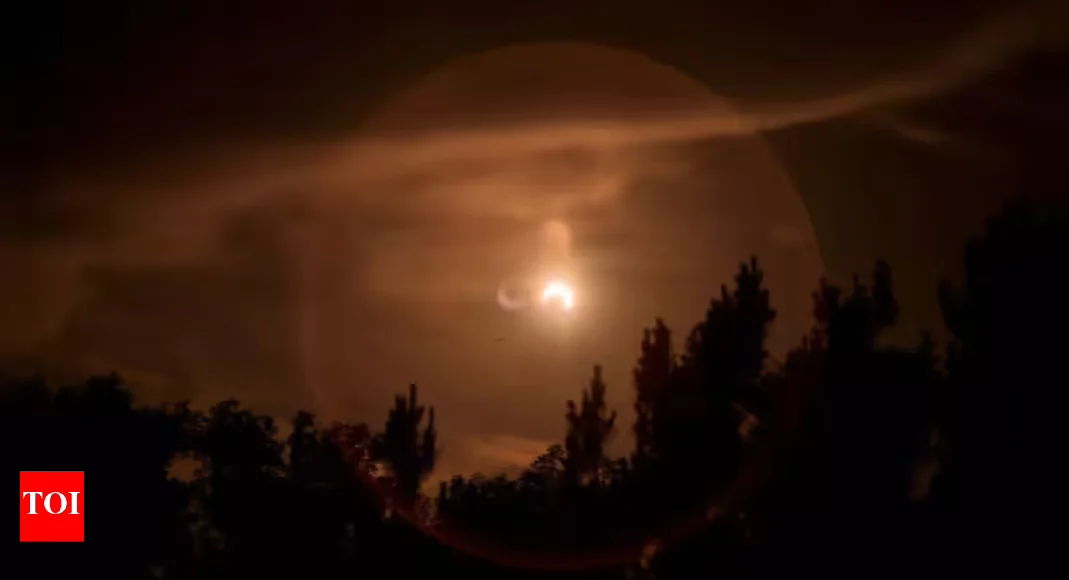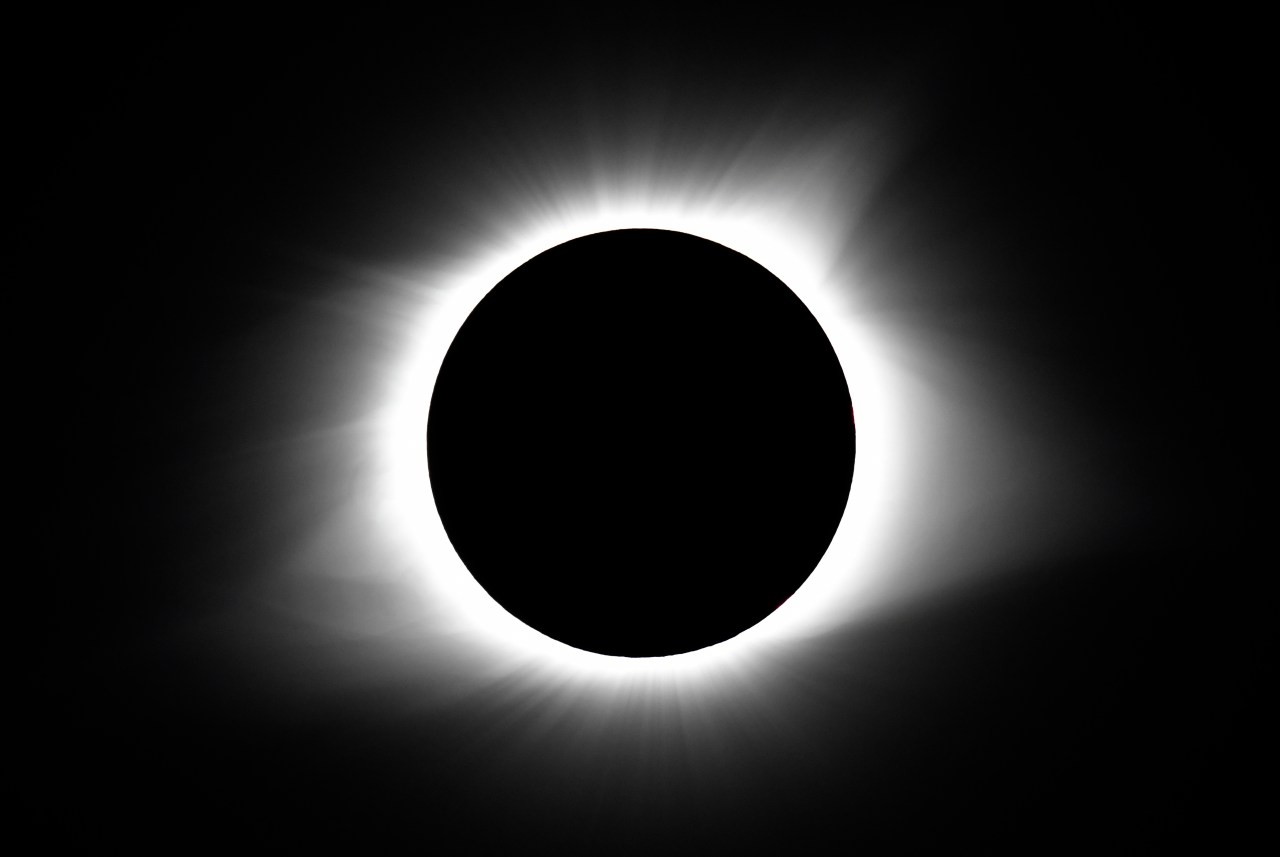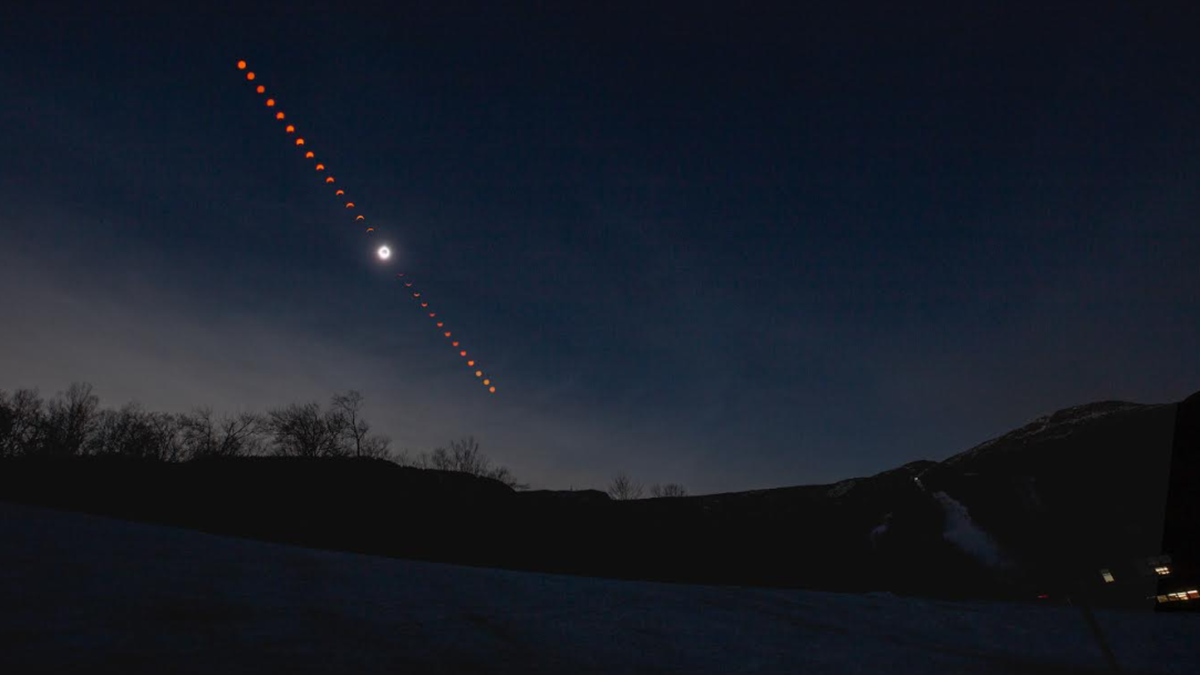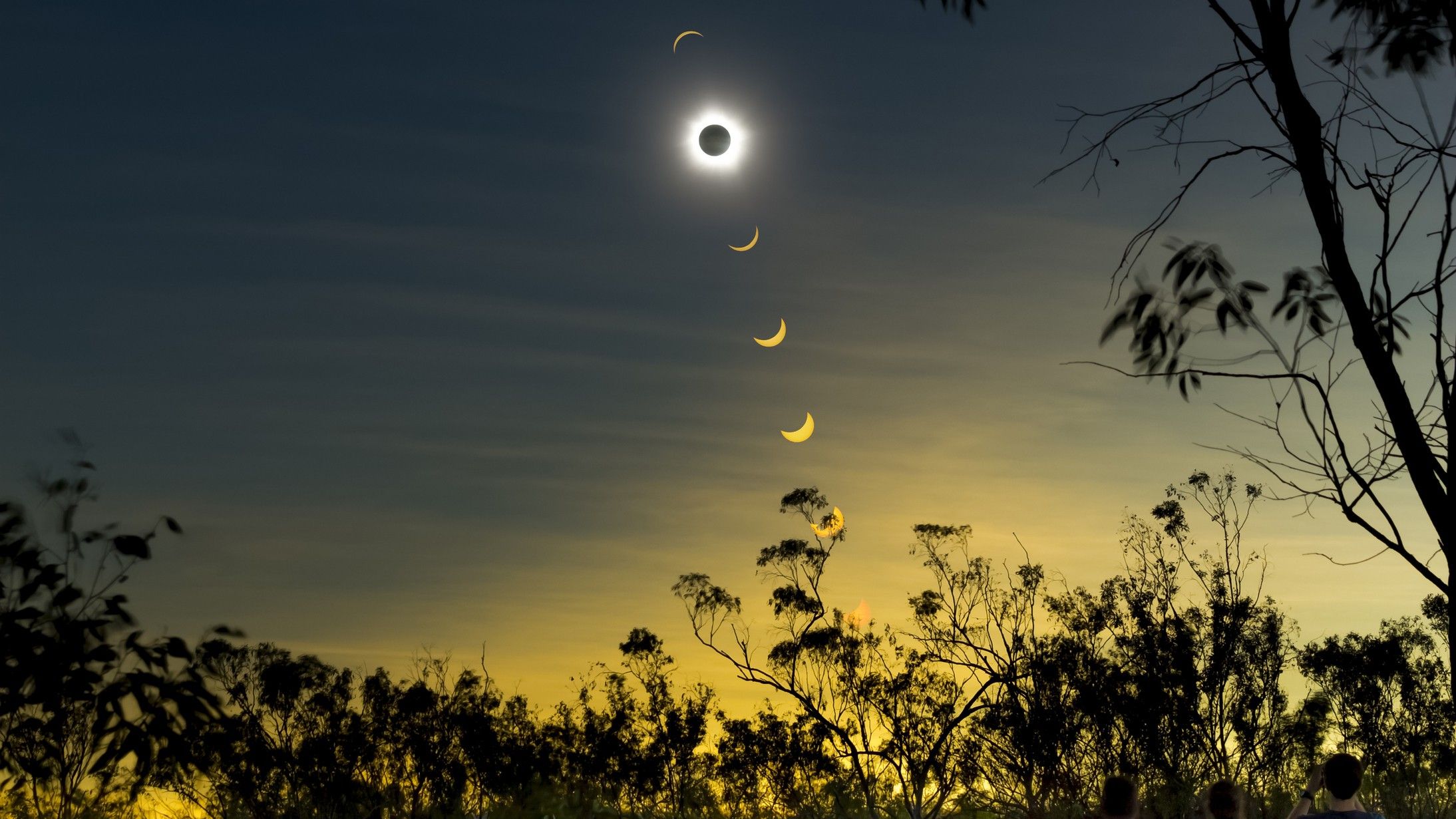
The total solar eclipse on July 22, 2028, will be visible across Australia and New Zealand, with the longest totality over remote regions like the Outback and iconic locations such as Sydney Harbour, offering a rare spectacle with up to 5 minutes of totality, and the event will be best observed from areas with clear winter skies.
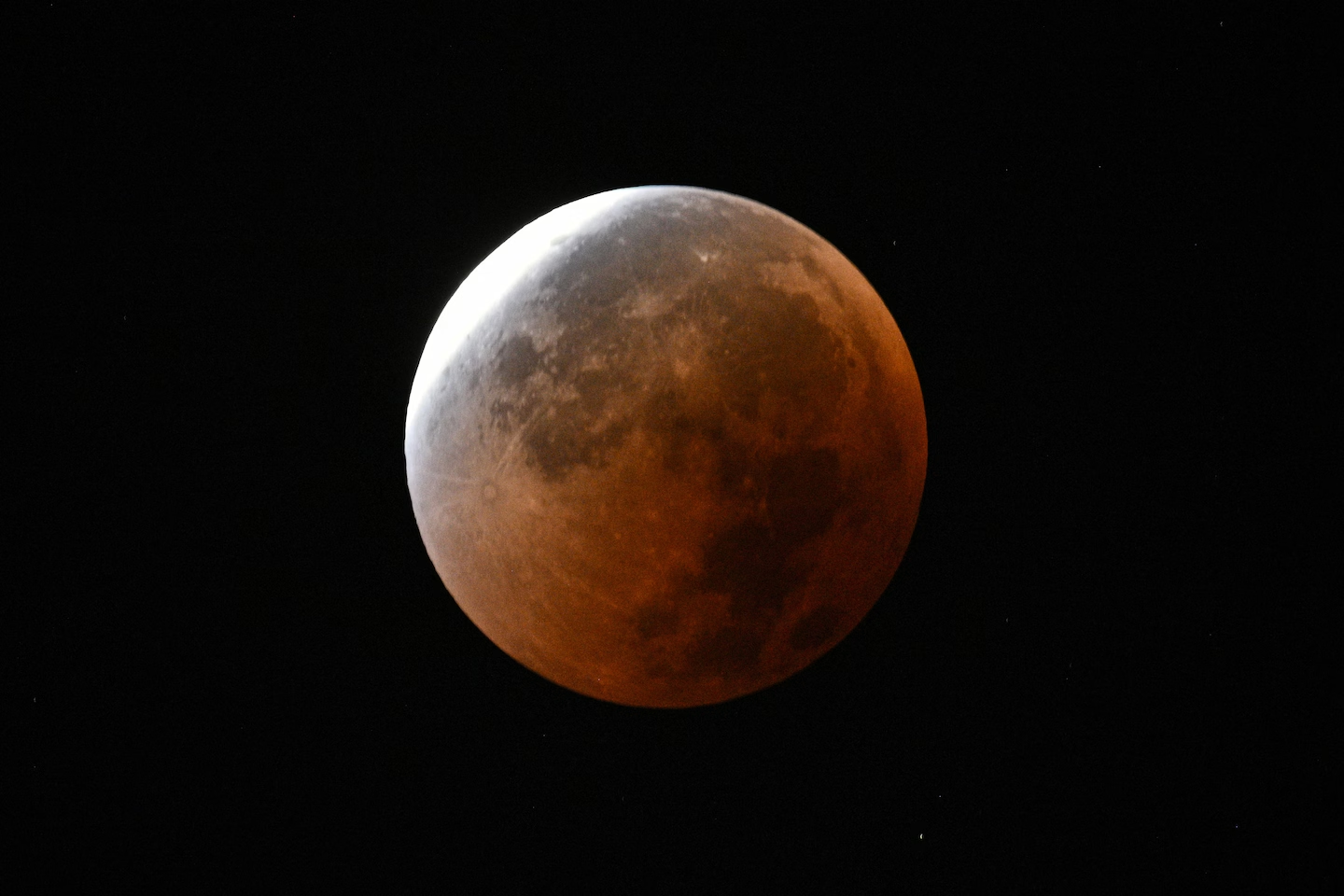
A recent total lunar eclipse was visible in parts of the world, with upcoming eclipses including a lunar eclipse on March 2, 2026, visible from the Americas, Asia, and Australia, and a total solar eclipse on August 12, 2026, visible from Greenland, Iceland, and Spain. Other eclipses are scheduled through 2027, offering multiple opportunities for skywatchers to observe these celestial events.
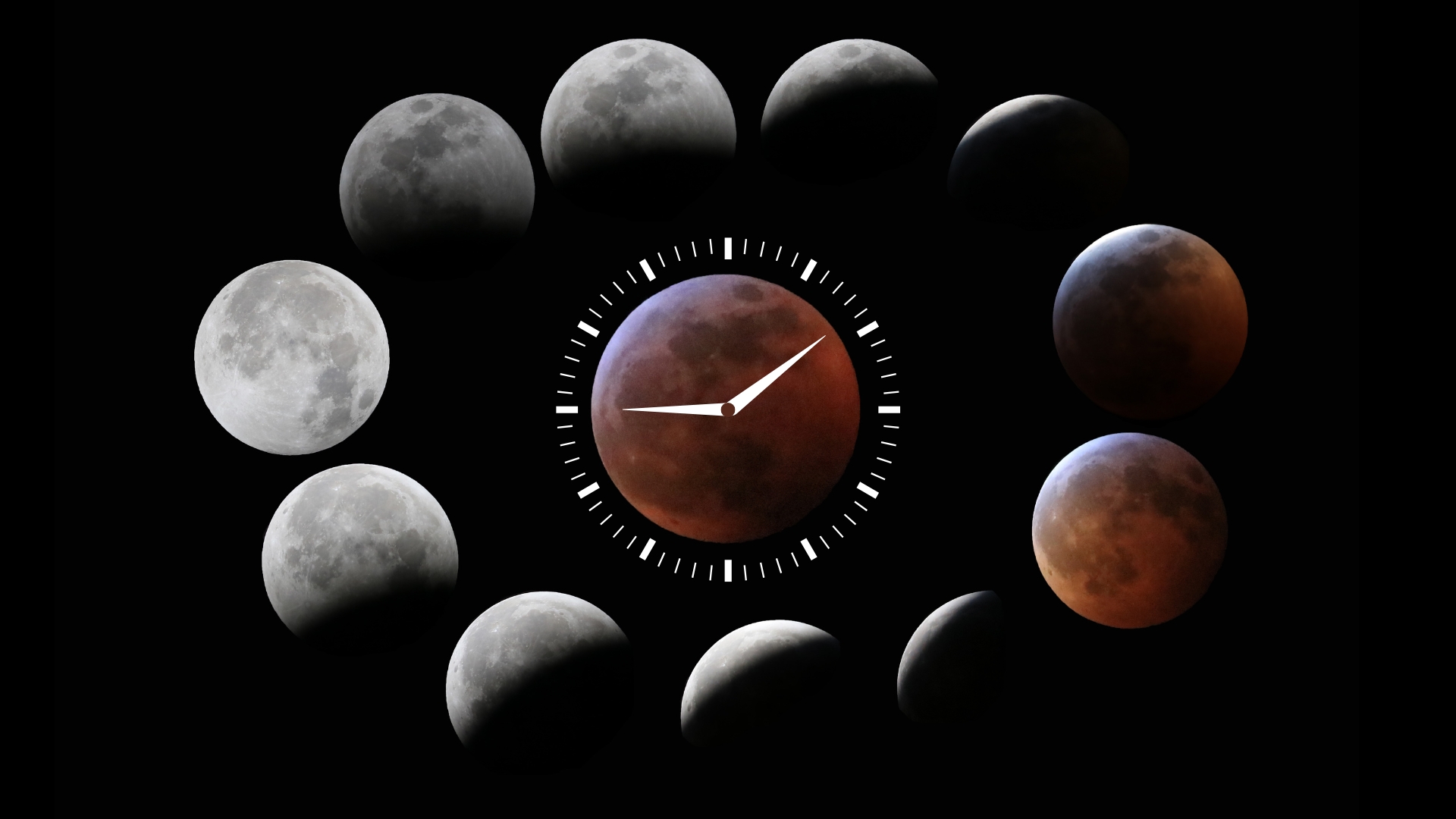
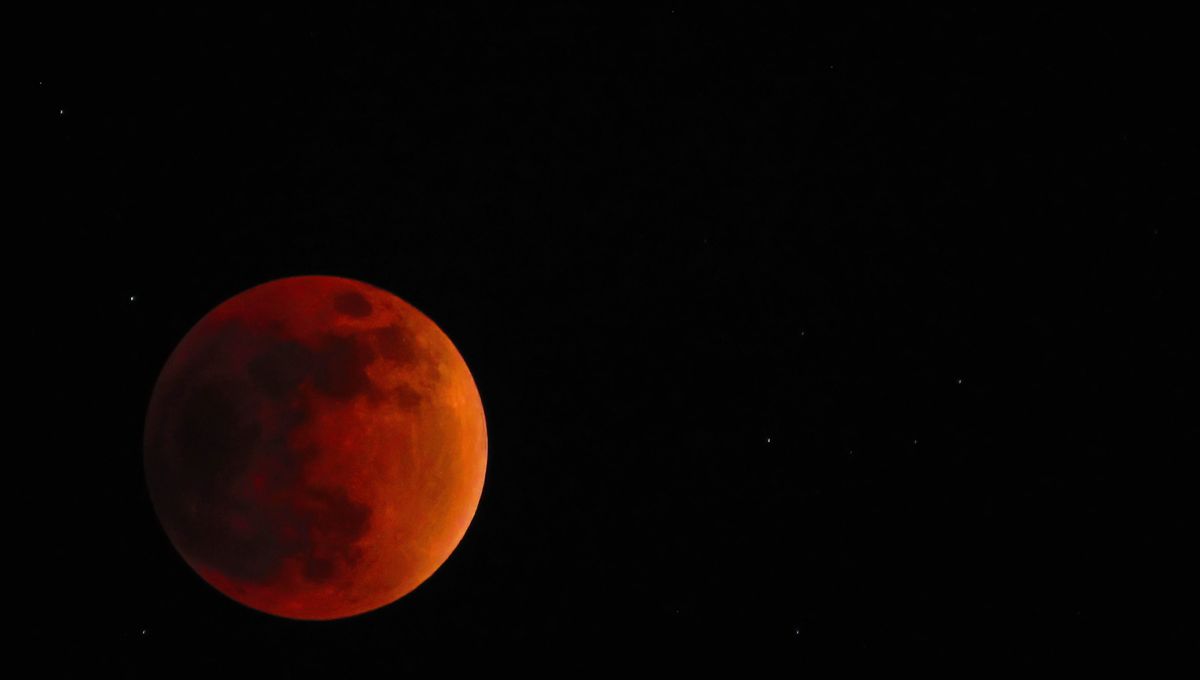
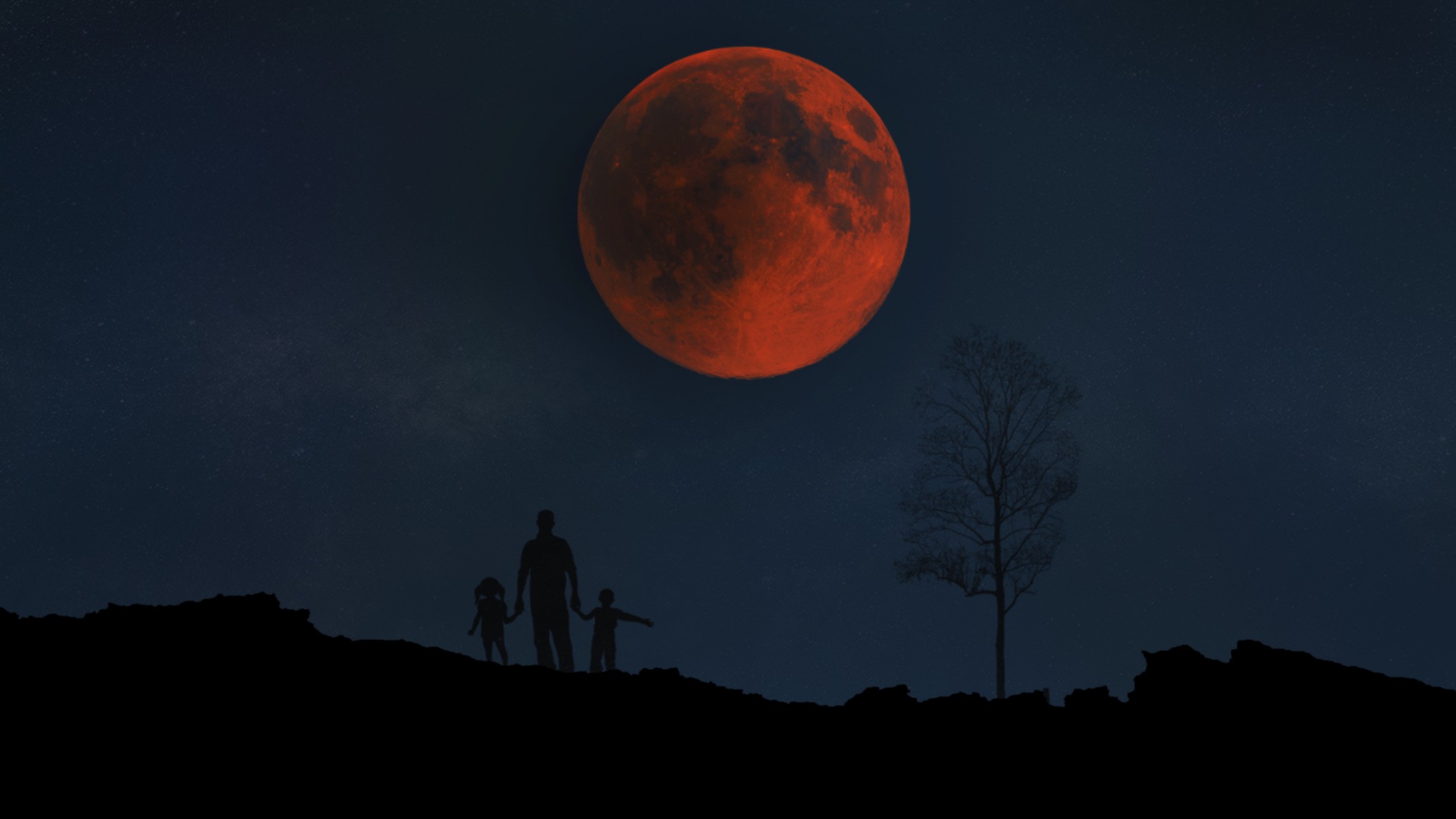
A total lunar eclipse, turning the moon blood red, will occur overnight on September 7-8, with maximum eclipse at 5:11 p.m. EDT on September 7, visible across Asia, Europe, and Africa, lasting about 82 minutes during totality.
A record-breaking total lunar eclipse, known as the 'blood moon,' will be visible to over 7 billion people worldwide in September 2023, lasting over 80 minutes, with most of Asia, Australia, Africa, and parts of Europe and Brazil able to see at least part of the event, weather permitting.
A total lunar eclipse, known as a blood moon, will occur on September 7, 2025, with the best viewing in Asia and Western Australia, and partial views in Europe, Africa, and parts of Australia and New Zealand. The eclipse will last from 15:28 to 20:55 GMT, with totality between 17:30 and 18:52 GMT, and will feature a deep red hue due to Earth's atmosphere. Many people worldwide will be able to see the event, and it will be livestreamed for those outside the viewing zones.
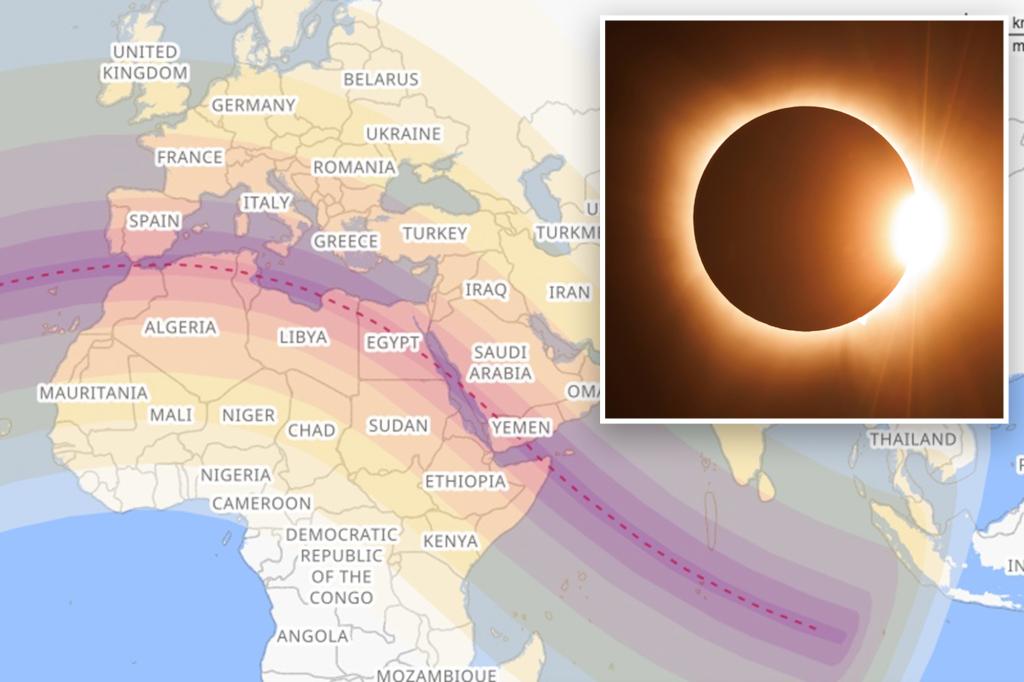
The upcoming 'eclipse of the century' on August 2, 2027, will feature the longest totality until 2114, lasting up to 6 minutes and 23 seconds, visible mainly from outside Luxor, Egypt, with partial views in parts of the US and other countries.
The article discusses the upcoming total solar eclipse on August 2, 2027, which will be the longest on land this century, with up to 6 minutes and 20 seconds of totality in Luxor, Egypt. It highlights various unique travel opportunities along the eclipse's path, including trips to Algeria, Egypt, Somalia, and Mediterranean cruises, allowing eclipse enthusiasts to witness this rare celestial event from prime locations. The article emphasizes the significance of the event and the diverse ways to experience it.
A viral false claim about a global blackout on August 2 due to a solar eclipse is a hoax; NASA confirms the next significant eclipse of this magnitude will occur on August 2, 2027, primarily visible over parts of Europe, North Africa, and the Middle East, with no worldwide darkness expected.
April 8's total solar eclipse, part of the Saros 139 cycle, offered over four minutes of totality, a rare occurrence. The longest total solar eclipse in this cycle will occur on July 16, 2186, lasting seven minutes and 29 seconds. Saros 139 repeats every 18 years, 11 days, and 8 hours, with a similar eclipse returning to the same location every 54 years and 33 days, known as an exeligmos. The next notable total solar eclipses in the U.S. will occur in 2033, 2044, and 2045.
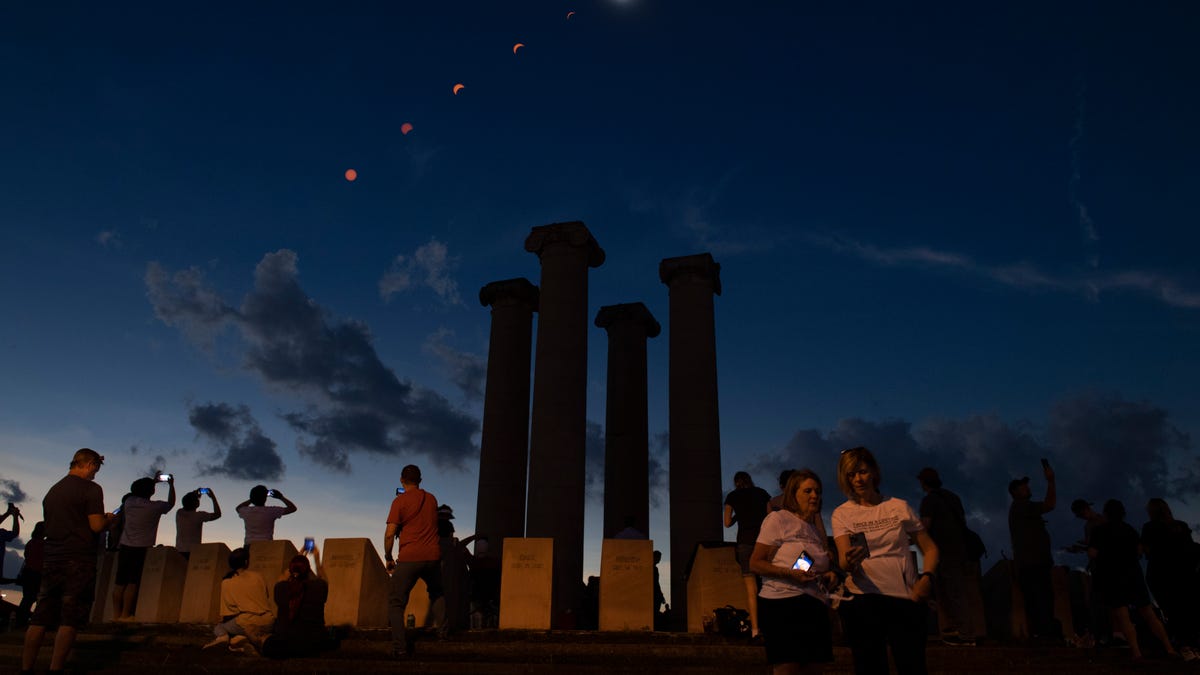
The 2024 solar eclipse at the Indianapolis Motor Speedway brought together people from various walks of life to witness the celestial event, each experiencing it in their own unique way. From emotional connections to the past, to scientific observations and a sense of shared wonder, the eclipse left a lasting impact on those who gathered to witness the rare phenomenon. The event served as a reminder of the beauty and vastness of the universe, connecting individuals through a shared experience of something truly special and existential.
Total solar eclipses are set to occur in Iceland, Spain, Egypt, and Australia over the next four years, attracting umbraphiles who plan early to avoid high travel costs. Flights to eclipse destinations such as Reykjavík and Barcelona could be found for under $700, while hotels in Iceland and Barcelona were priced around $200 to $250 a night. Flights to Lisbon and Cairo for the 2027 eclipse were approximately $950 and $1,000, respectively. The 2028 eclipse in Australia will have more reasonable hotel prices, but flights from New York to Sydney start at $2,100. Despite the expenses, umbraphiles find the experience of witnessing a total solar eclipse to be priceless.
Evansville won't experience another total solar eclipse until 2153, with the next opportunity in 2044. The 2153 eclipse is predicted to coincide with an increasingly perilous climate, with rising global temperatures and extreme precipitation events. The population in Evansville and the world is expected to rise significantly, adding strain to the environment and economy. The following eclipse in 2343 will not pass directly over Evansville, and predicting the area's state then is nearly impossible.
Missouri experienced a total solar eclipse this week, but the next one passing through the state is not until 2045, with only a small part of the state in the path of totality. The eclipse will stretch across 15 states, barely reaching Missouri, with municipalities like Southwest City and Noel in the most favorable spots for totality. The 2045 eclipse will follow another in 2044, and both will occur more than two decades after the recent eclipse.
The 2024 solar eclipse provided breathtaking views of totality in Texas, upstate New York, and northern New England, as well as interesting weather changes such as temperature drops and wind speed dips. Events like weddings and baseball games were also affected by the eclipse, and satellite imagery captured the moon's shadow passing over Earth. Additionally, the eclipse caused traffic jams and even affected bee behavior, making it a memorable and impactful event. As for leftover eclipse glasses, consider donating or recycling them for future use.
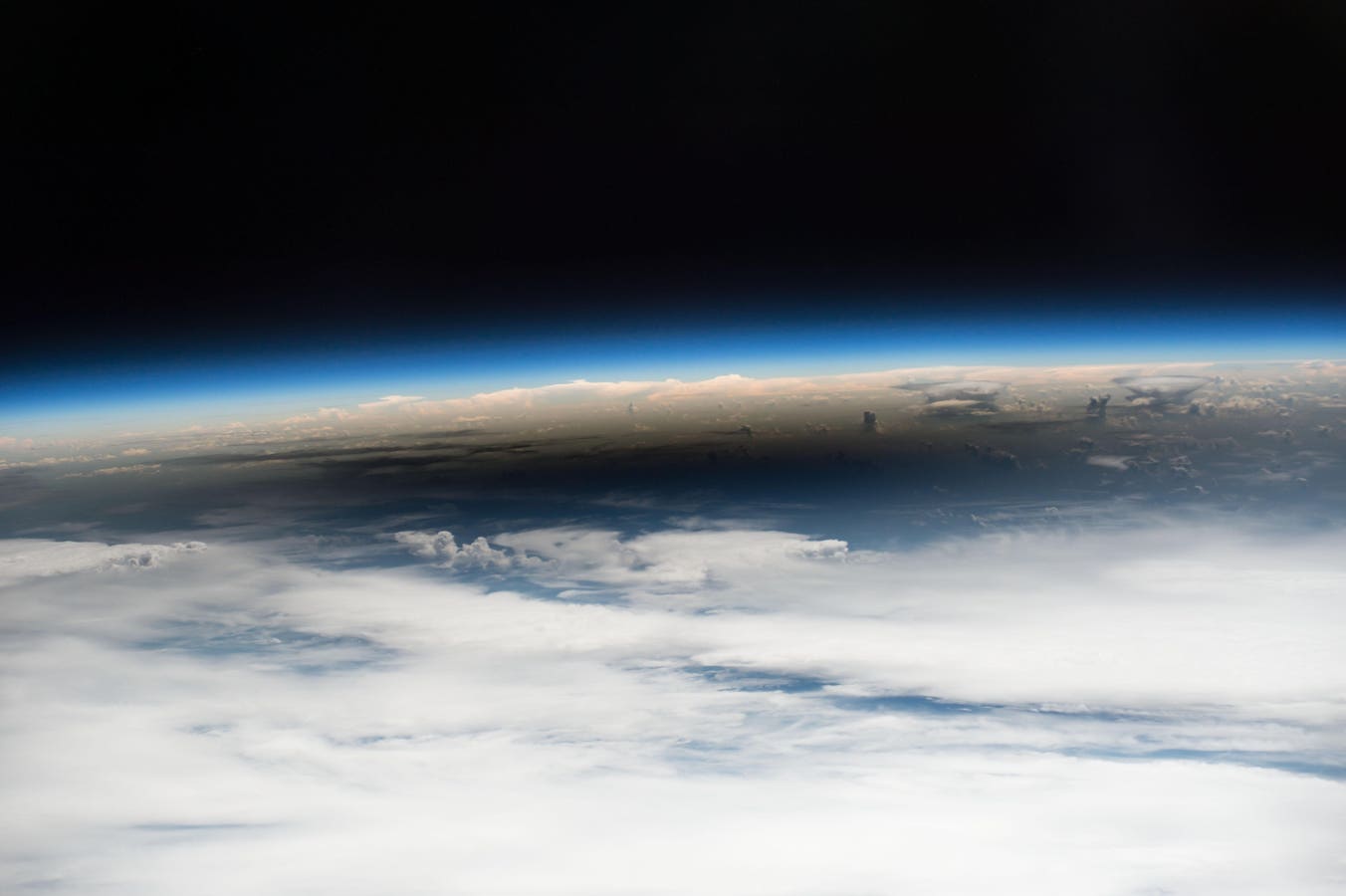
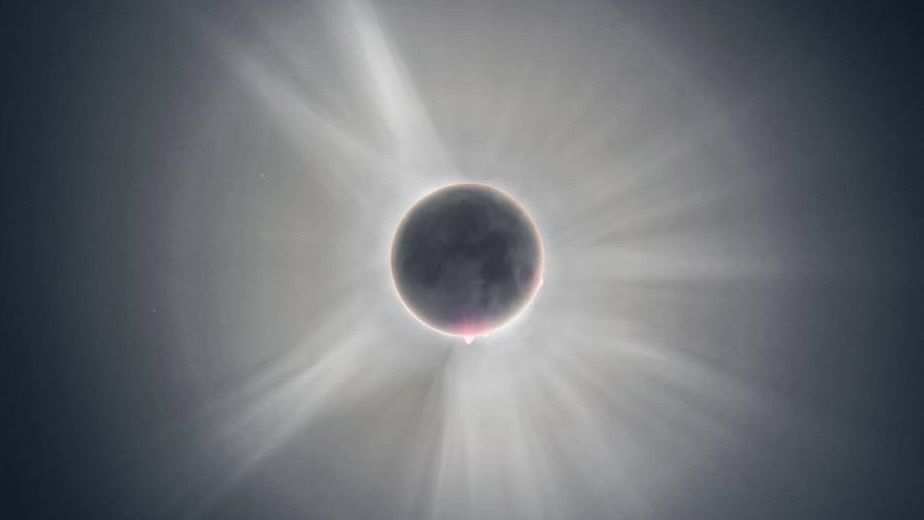
On April 8, 2024, a total solar eclipse swept through North America, captivating millions of onlookers along its path of totality. Spectacular images of the eclipse were captured by space enthusiasts, showcasing the moon obscuring the sun and revealing the corona and chromosphere. The eclipse was also witnessed from an airplane, imaged by the European Space Agency's satellite, and even observed from the International Space Station. The next solar eclipse visible from North America is in 2044, with other opportunities in 2033 and 2045.