Tag

Torpor

All articles tagged with #torpor

"Ultrasound: Inducing Hibernation-Like State in Animals"
science-and-technology2 years ago

"Ultrasound: Inducing Hibernation-Like State in Animals"

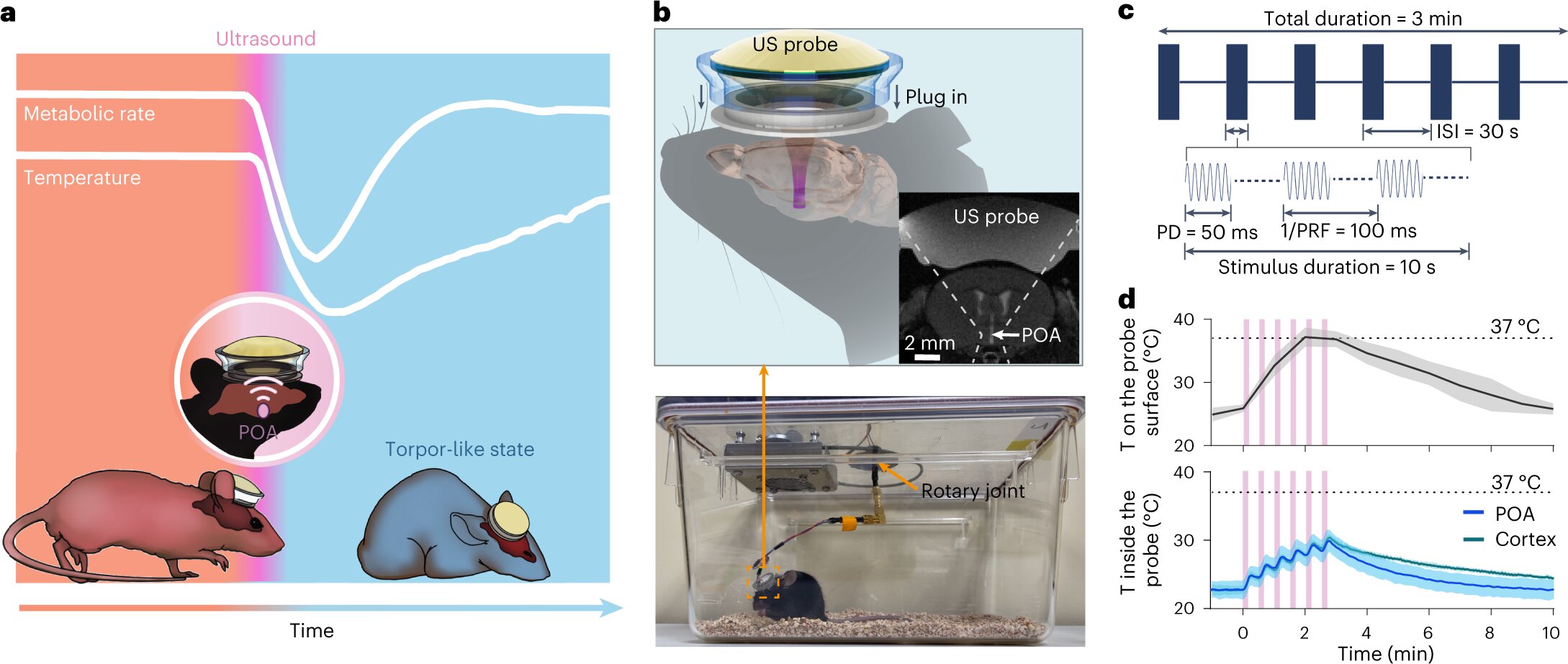
Researchers have used ultrasound to induce a torpor-like state in mice and rats, lowering their body temperature and metabolic rate. The ultrasound procedure activated neurons in the preoptic area of the brain, and a protein allowed ions to flow into and activate these neurons. While the effects were less pronounced in rats, the study marks the first successful induction of torpor-like effects in non-torpic animals. If proven effective in humans, this technology could have implications in treating patients who have experienced strokes or heart attacks by slowing their metabolism and minimizing damage.

Suspended Animation for Human Space Travel: Mice Study Shows Promise.
science2 years ago

Suspended Animation for Human Space Travel: Mice Study Shows Promise.

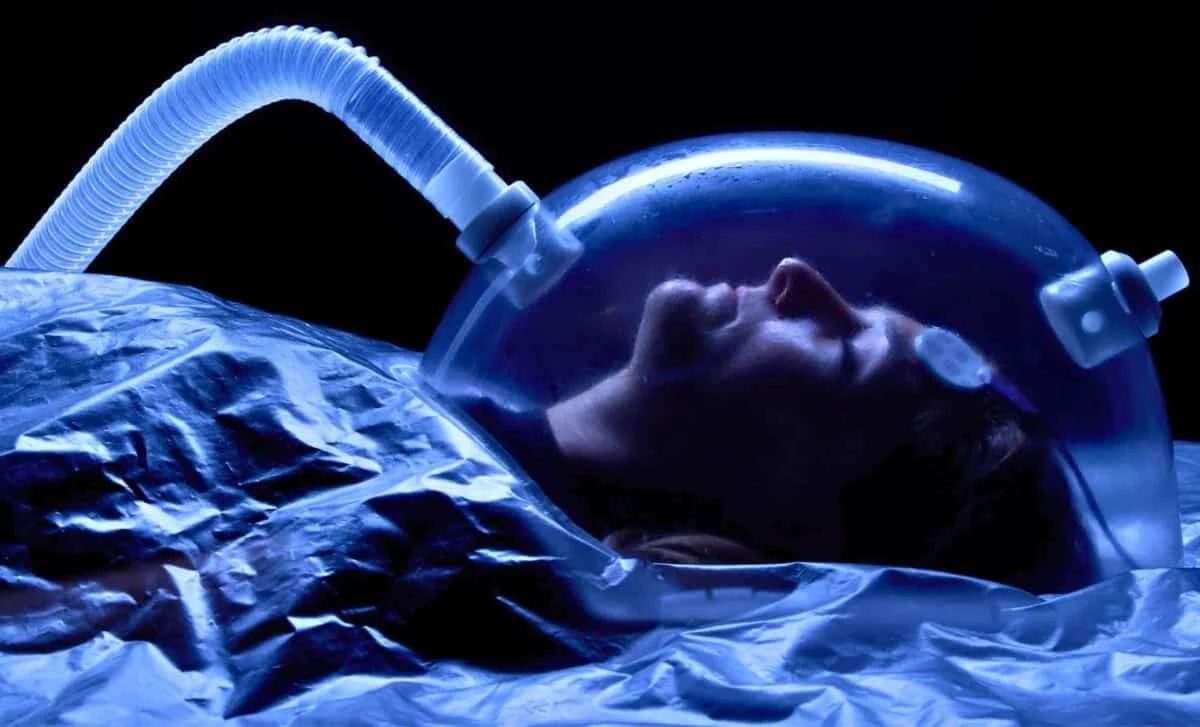
Scientists have successfully induced a torpor-like state in mice and rats using ultrasound waves targeting a precise part of their brains, bringing them closer to finding a way to induce suspended animation in humans. This technique could be used for space travel and medical purposes, particularly in life-threatening conditions such as stroke and heart attacks. The technology could make space travel more economical and safer, as astronauts would consume less food and water and be protected from the worst effects of exposure to cosmic radiation.

Ultrasound-Induced Hibernation-Like State Holds Promise for Space Travel and Beyond
science2 years ago

Ultrasound-Induced Hibernation-Like State Holds Promise for Space Travel and Beyond

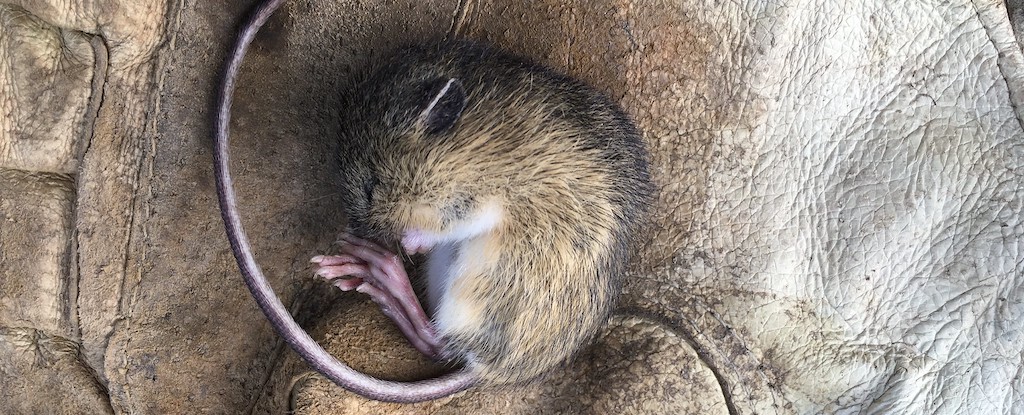
Researchers have induced a torpor-like state in mice and rats using ultrasound to stimulate a brain region involved with regulating sleep, body temperature, and metabolism. The mice experienced a drop in body temperature of about 3 °C, a drop in heart rate of just over 47 percent, and metabolic changes, shifting from using both carbohydrates and fat as energy sources to just fat, resembling the shift they naturally make during torpor. The intensity of ultrasound also correlated with the depth of the torpor-like state. The researchers also induced a torpor-like state in rats, which do not naturally enter torpor.

"Ultrasound Stimulation Induces Hibernation-Like State for Long-Term Space Travel"
science2 years ago

"Ultrasound Stimulation Induces Hibernation-Like State for Long-Term Space Travel"

Scientists at Washington University in St. Louis have developed a noninvasive method to induce a torpor-like state in mammals using ultrasound stimulation of the brain. The technique involves stimulating the hypothalamus preoptic area in the brain, which regulates body temperature and metabolism, and was shown to effectively reduce body temperature and metabolic rate in mice, leading to a state of torpor. The method could potentially be used in scenarios like space flights or for patients with severe health conditions to conserve energy and heat.

Ultrasound-induced hibernation for space travel breakthroughs
science2 years ago

Ultrasound-induced hibernation for space travel breakthroughs

Researchers have been able to induce a torpor-like state in mice by targeting a specific part of the brain with short bursts of ultrasound. The findings suggest that studying the neural circuits involved in torpor could reveal ways to manipulate metabolism beyond the lab. The researchers identified a protein in the brain membranes, TRPM2, that appears to be sensitive to ultrasound. The study also found that rats slowed down and their body temperatures dropped when the same brain region was stimulated with ultrasound. The possibility of using ultrasound to change the metabolism of larger animals, including humans, remains an unanswered question.

Scientists Confirm Feasibility of Hibernation for Long Spaceflights
spaceflight2 years ago

Scientists Confirm Feasibility of Hibernation for Long Spaceflights

The first hibernation studies with human subjects could be feasible within a decade, according to a European Space Agency (ESA) researcher. Hibernating on a year-long trip to Mars would not just prevent boredom in a tiny space capsule; it would also save mission cost, as the hibernating crew members wouldn't need to eat or drink and would even require far less oxygen than those awake. Research in animals suggests that bodies of hibernating astronauts might waste away much less than the bodies of those awake in microgravity.

Hibernation for Long Spaceflights Closer to Reality, Say Scientists.
space2 years ago

Hibernation for Long Spaceflights Closer to Reality, Say Scientists.

The first hibernation studies with human subjects could be feasible within a decade, according to a European Space Agency (ESA) researcher. Hibernating on a year-long trip to Mars would not just prevent boredom in a tiny space capsule; it would also save mission cost, as the hibernating crew members wouldn't need to eat or drink and would even require far less oxygen than those awake. Research in animals suggests that bodies of hibernating astronauts might waste away much less than the bodies of those awake in microgravity.