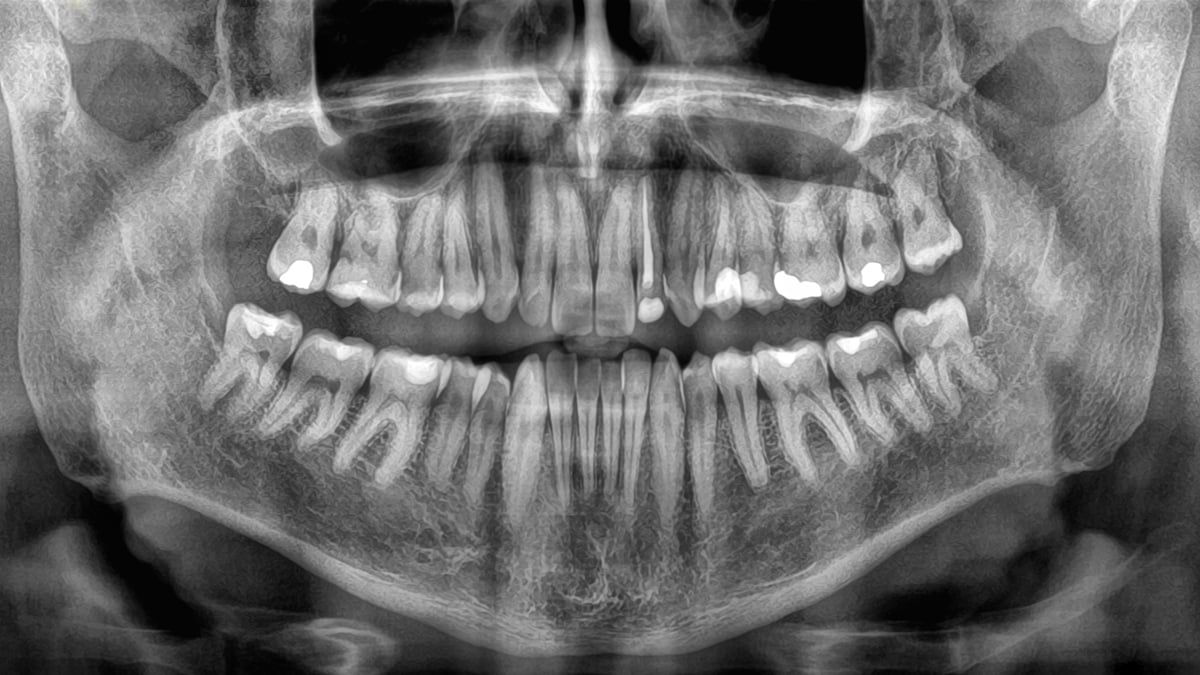
A study from Sichuan University found that rapid tooth loss in older adults is linked to a higher risk of death, suggesting that tooth loss could serve as an indicator of overall health and mortality risk, emphasizing the importance of good oral hygiene and regular dental care.
Dental experts emphasize that tooth loss in aging adults is not inevitable and can be prevented through proper oral hygiene, regular dental visits, managing gum disease, quitting smoking, and addressing dry mouth, with personalized care being crucial.
Lilyy Magno, who lost her teeth in a skateboarding accident at the age of 13, has shared her ongoing struggle with wearing dentures and the impact it had on her self-esteem. After experiencing dental complications and tooth loss, Lilyy started documenting her journey on TikTok, gaining a large following and spreading a message of self-acceptance. Despite encountering trolls and negativity, she used her dentures as a symbol of empowerment and encouraged others to embrace their flaws. Lilyy's authenticity and unfiltered storytelling resonated with viewers worldwide, leading her to launch a podcast and advocate for mental health and therapy.
New research published in Neurology suggests a correlation between gum disease, tooth loss, and reduced volume in the hippocampus, a region of the brain associated with memory and Alzheimer's disease. The study does not establish causation but highlights the potential importance of dental health for brain health. Participants with mild gum disease and fewer teeth experienced a faster rate of brain shrinkage, while those with severe gum disease and more teeth also showed accelerated brain shrinkage. The findings emphasize the need to preserve dental health and control gum disease progression through regular dental visits. Further studies with larger groups of people are needed to validate these results.
A study conducted in Japan has found a link between tooth loss, gum disease, and shrinkage in the hippocampus, a region of the brain associated with memory and Alzheimer's disease. The research suggests that preserving the health of teeth is not only important for oral health but also for brain health. The study, which involved 172 participants aged 55 and older, found that individuals with mild gum disease and fewer teeth experienced faster brain shrinkage, while those with severe gum disease and more teeth also showed accelerated brain shrinkage. The findings highlight the need for regular dental visits and better oral care to potentially reduce the risk of cognitive decline.
A new study suggests a link between poor dental health and a reduction in brain volume, particularly in the area associated with cognition and Alzheimer's disease. The study found that tooth loss and gum disease were associated with brain atrophy, but it remains unclear whether dental issues cause brain volume loss or vice versa. The findings highlight the importance of prioritizing good dental health for brain health, as a missing tooth was equivalent to nearly an additional year of brain aging. However, more research is needed to validate these findings and understand the underlying mechanisms.
A study published in Neurology suggests that taking good care of your teeth may be linked to better brain health. The study found that gum disease and tooth loss were associated with brain shrinkage in the hippocampus, which plays a role in memory and Alzheimer's disease. However, the study does not prove causation. Researchers emphasize the importance of preserving dental health and controlling gum disease through regular dental visits. Future studies with larger groups of people are needed to further explore this association.
Former MLB player Alex Rodriguez revealed during an interview that he was diagnosed with early-stage gum disease and was shocked to learn that over 65 million Americans have it. He urged people to take care of their teeth and revealed that gum disease is more prevalent in Black and Brown communities, especially the Latino community. According to the CDC, gum disease is the leading cause of tooth loss and affects 46% of adults aged 30 or older.