Researchers in China have demonstrated a method to surpass the Greenwald density limit in a fusion reactor by controlling plasma-wall interactions, potentially paving the way for more efficient fusion energy production.
Chinese scientists have made a significant advancement in nuclear fusion research by experimentally surpassing the Greenwald density limit in a tokamak, indicating progress toward achieving sustained fusion energy, which remains years away but is a crucial step for future energy solutions.
Scientists using China's EAST tokamak have achieved a long-theorized 'density-free regime' in fusion plasma, surpassing traditional density limits without instability, potentially paving the way for more efficient fusion energy development.
Scientists working with China's EAST reactor have achieved a significant breakthrough by reaching the 'density-free regime,' where plasma remains stable at higher densities than previously possible, marking a major step toward achieving fusion ignition and advancing fusion energy research.
MIT researchers have made progress in nuclear fusion by developing a physics-based machine learning model to predict plasma behavior in tokamak reactors, aiding safer and more reliable energy production, marking a significant step toward practical fusion energy.
Experiments at San Diego's DIII-D National Fusion Facility have demonstrated that a new plasma shape called 'negative triangularity' can enhance the stability of tokamak fusion reactors, potentially paving the way for more efficient and sustainable nuclear fusion energy, which could provide nearly limitless low-carbon power.
Researchers at the DIII-D National Fusion Facility have demonstrated that an inverted 'D' shaped plasma, known as negative triangularity, can achieve stable, high-performance conditions for nuclear fusion, potentially addressing heat management and stability challenges in future fusion reactors.
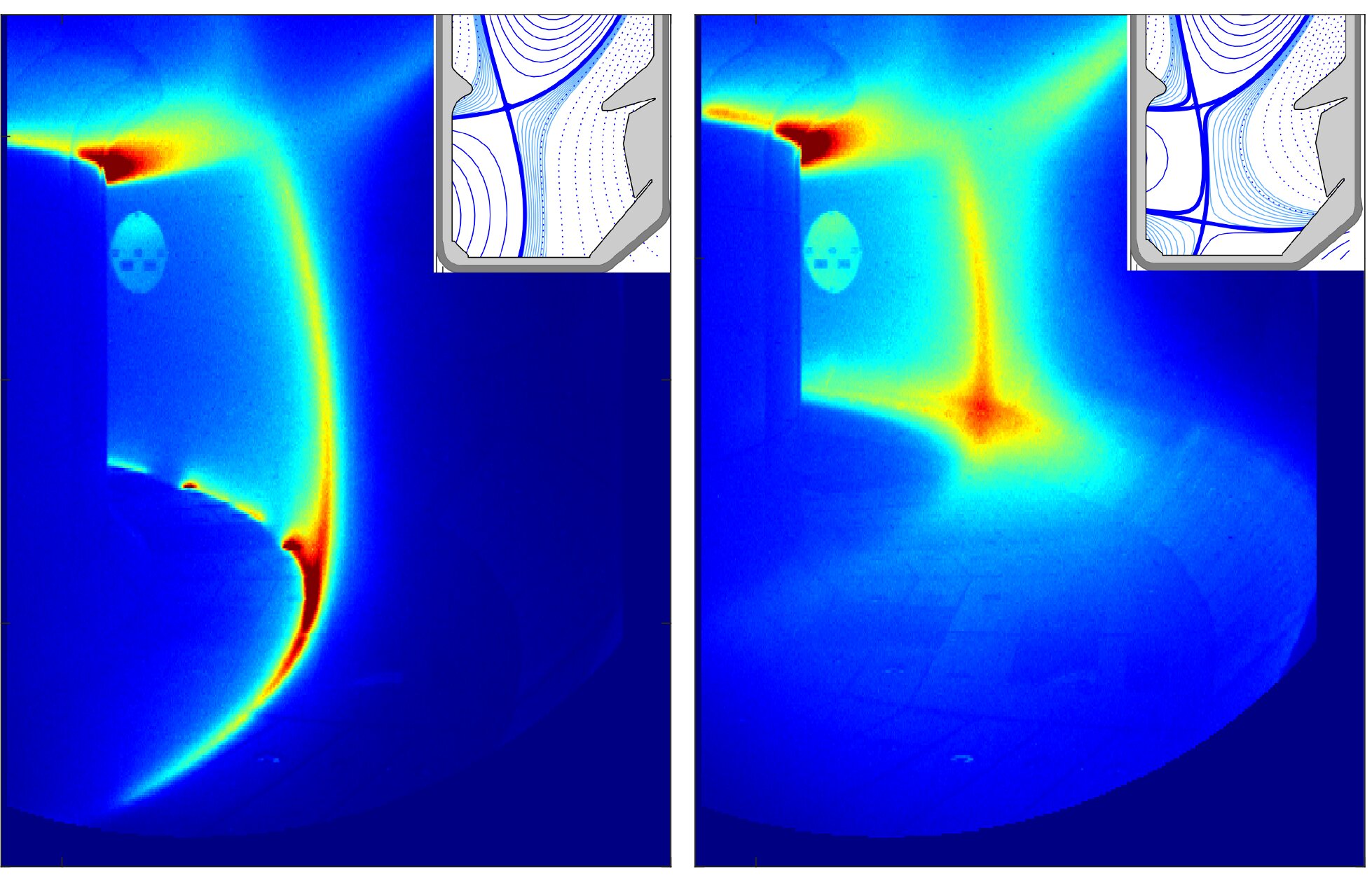
Scientists at EPFL have developed the X-point target radiator, a new magnetic control method that prevents overheating in fusion reactors, making fusion power more reliable and practical, with potential commercial deployment by the 2030s.
Researchers at EPFL have developed a new X-point target radiator for tokamaks that enhances heat dissipation, potentially preventing overheating and improving the durability and performance of fusion reactors, with plans for implementation in next-generation devices like MIT's SPARC.
Scientists at PPPL have developed a method to manage plasma in fusion reactors by utilizing magnetic field imperfections, inspired by the Japanese art of Kintsugi. By tailoring magnetic field imperfections, they have enhanced plasma stability, paving the way for more reliable and efficient fusion power. This approach allows simultaneous control of instabilities in the core and edge of the plasma, a significant breakthrough in fusion research. The research has implications for future tokamak fusion pilot plants and is being extended to include an artificial intelligence version of the control system for greater efficiency.
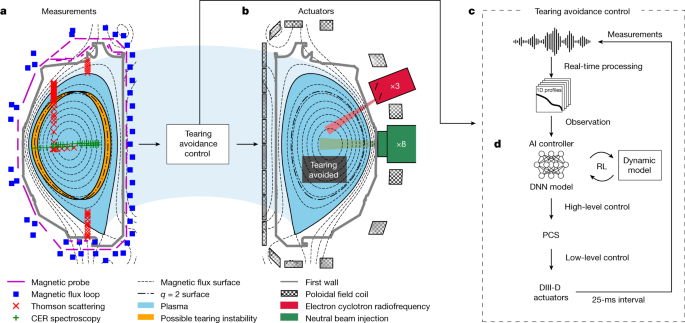
Nuclear fusion experiments in tokamaks have achieved significant success, but plasma disruption due to tearing instability remains a critical issue. To address this, researchers have developed an AI-based tearing-avoidance system using deep reinforcement learning (RL) to actively control the beam power and plasma shape in real time, maintaining low tearability and high plasma pressure. Experiments at the DIII-D tokamak demonstrated the system's ability to avoid disruptive tearing instability, showcasing the potential for AI-accelerated real-time instability-avoidance techniques in fusion energy research.
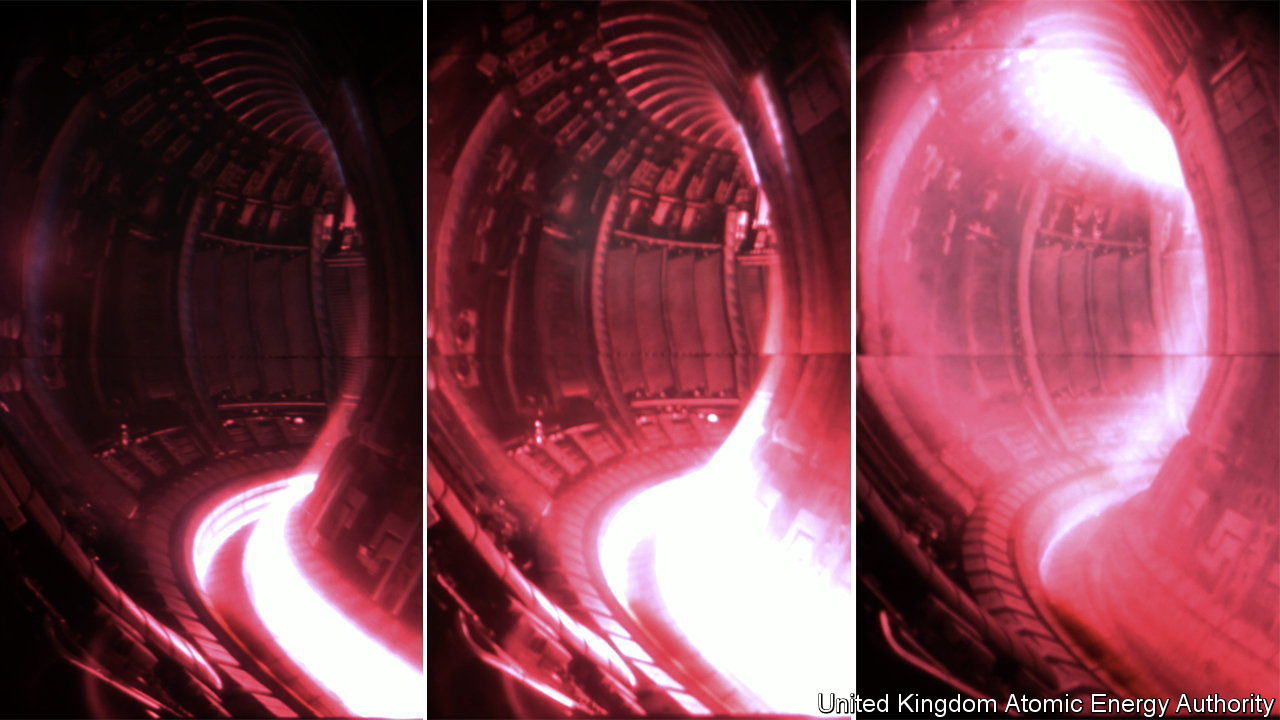
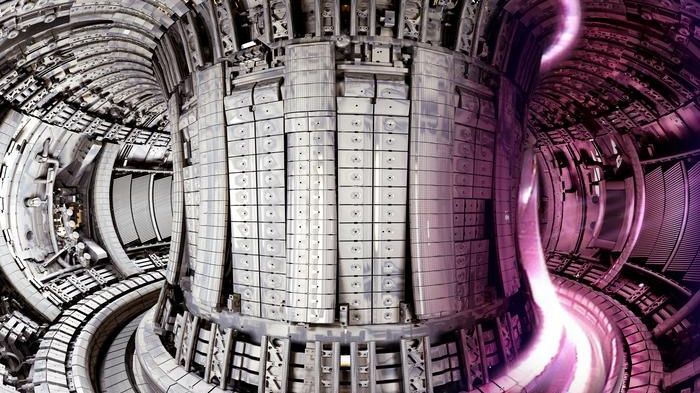
After 40 years of operation, the Joint European Torus (JET) fusion experiment in England concluded its final run with a record-breaking achievement, producing 69 megajoules of energy during a 5.2-second continuous fusion, setting a new standard for tokamak reactors. While JET was not designed for commercial energy production, its success has paved the way for future projects such as the ITER experimental tokamak in France, the SPARC tokamak by Commonwealth Fusion Systems in the US, and other private and government-backed initiatives in the pursuit of viable nuclear fusion technology.
The Joint European Torus (JET) in England has set a new record for the most energy created in a single fusion reaction, marking a significant milestone in nuclear fusion research. Despite nearing the end of its four-decade-long life, JET sustained high fusion power for 5 seconds and produced 69 megajoules of energy using a minuscule amount of fuel. While JET's achievement is noteworthy, it did not surpass the record for energy yield, which was achieved by the National Ignition Facility (NIF) in 2022. Nonetheless, JET's success underscores the progress in fusion energy research and its potential for future commercial applications.
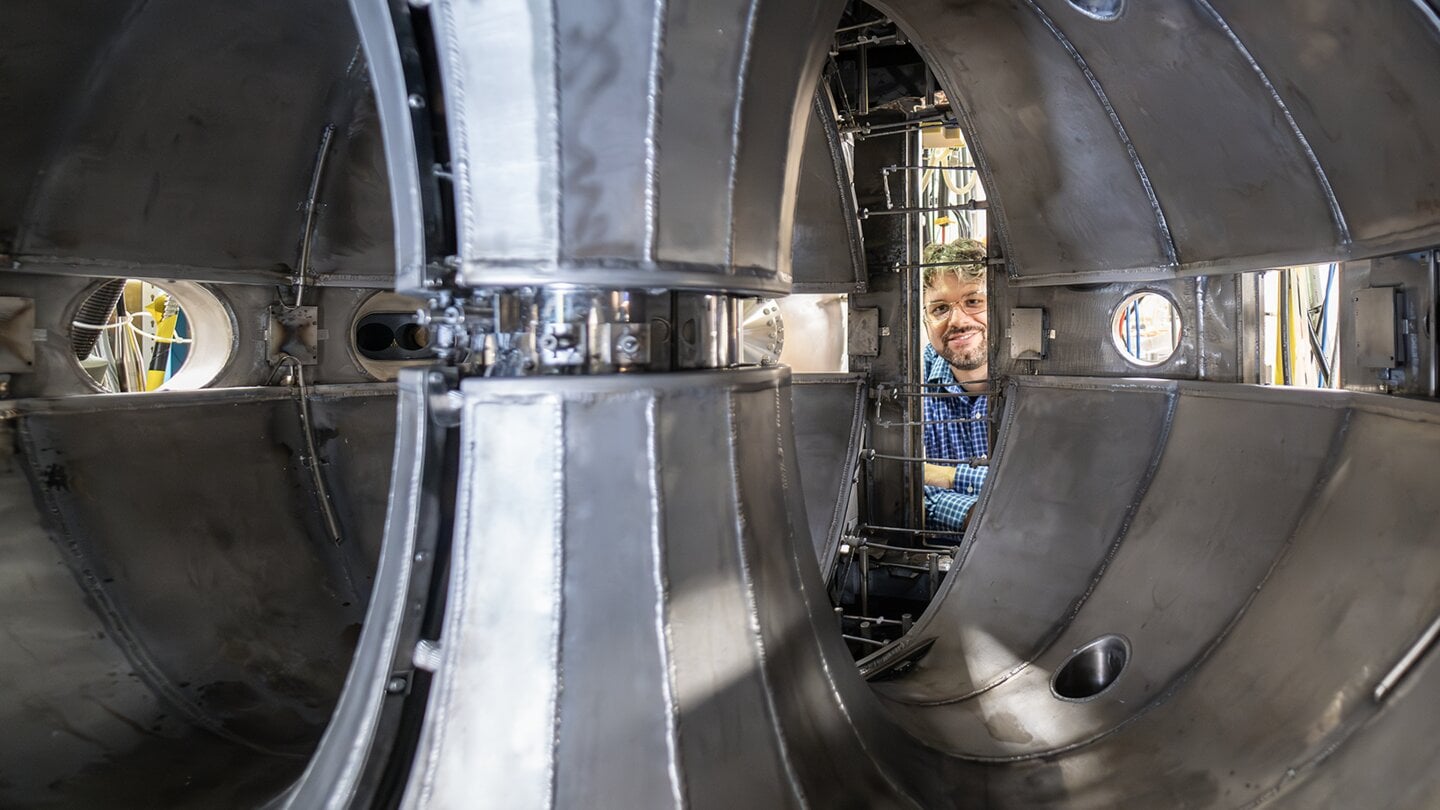
Researchers at the Princeton Plasma Physics Laboratory (PPPL) have found that applying a coating of liquid lithium to the internal walls of fusion plasma containment devices, such as tokamaks, helps maintain a hot edge of the plasma. This approach, demonstrated in the Lithium Tokamak Experiment-Beta (LTX-β), could make fusion energy more practical and cost-effective by improving energy confinement and reducing the need for repairs. The liquid lithium absorbs hydrogen ions escaping from the plasma, creating a low-recycling environment that allows for better heat confinement and temperature uniformity within the plasma.
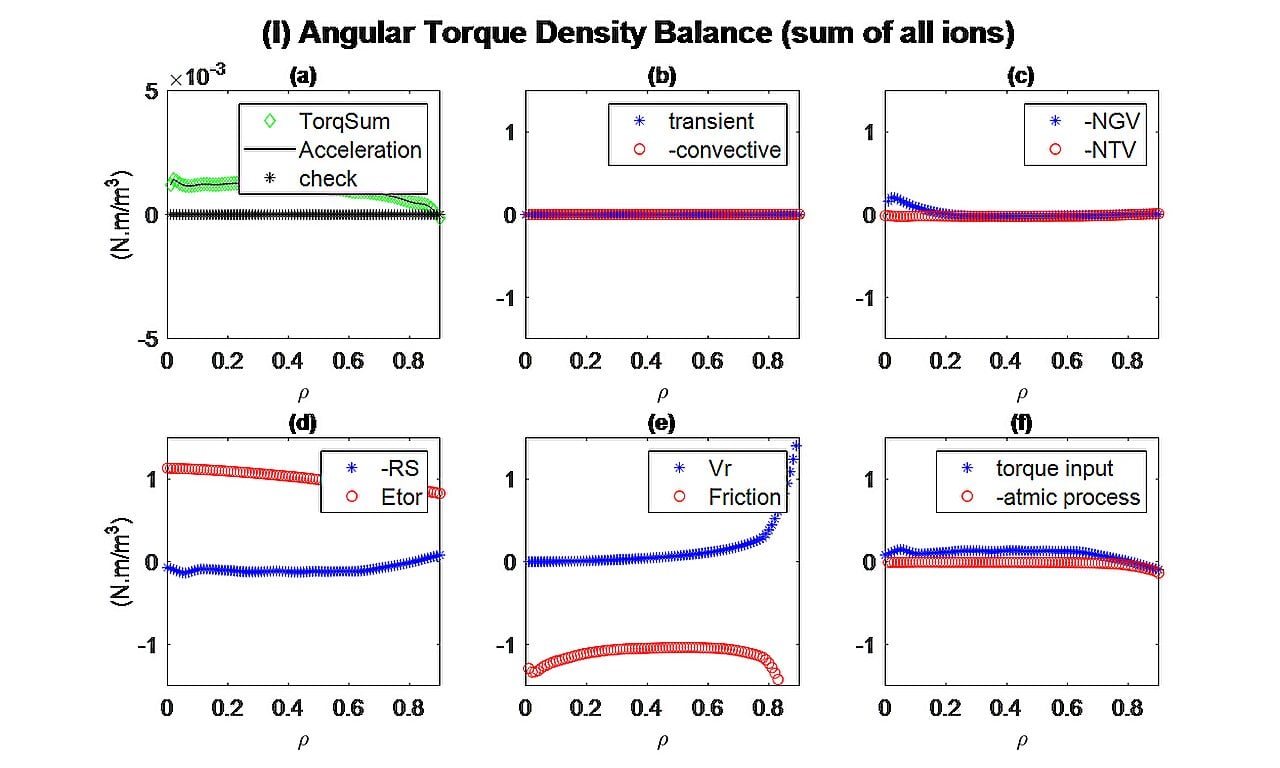
Researchers from the Chinese Academy of Sciences have developed a new computational code, named TransROTA, for analyzing plasma rotation and transport in tokamak devices like the Experimental Advanced Superconducting Tokamak (EAST). The code enhances the prediction of ion velocities and the understanding of angular momentum balance in toroidally rotating tokamak plasmas, which is crucial for controlling instabilities and improving the performance of fusion experiments. The improved code is more resistant to numerical instability and is user-friendly, offering a valuable tool for theoretical and simulation research in fusion energy.