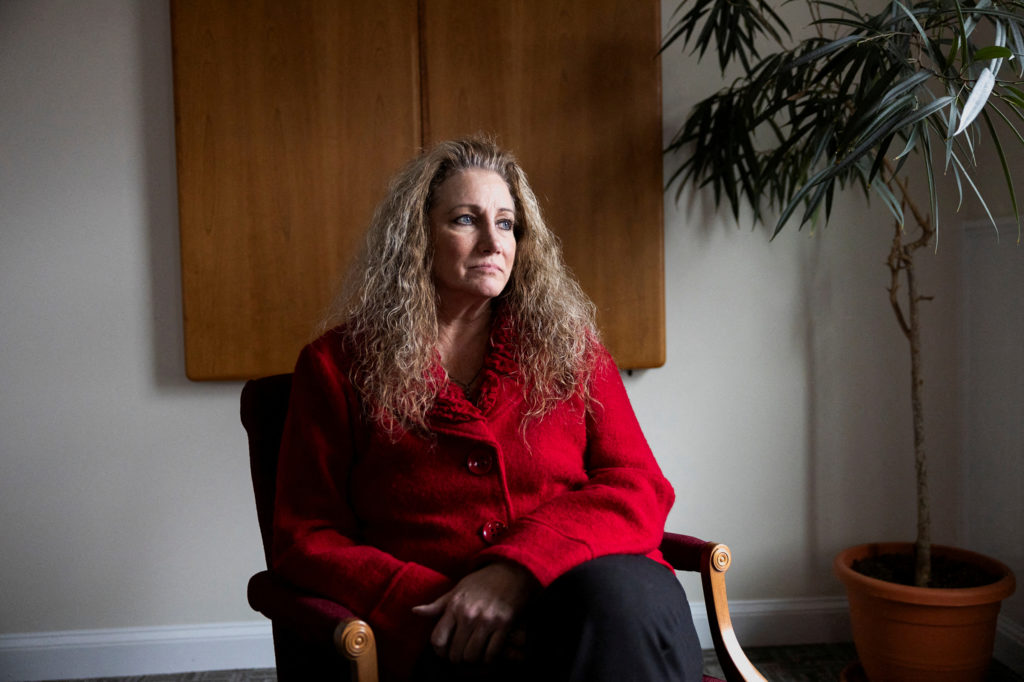
The Supreme Court unanimously ruled that it is easier to bring lawsuits for reverse discrimination, siding with an Ohio woman who claimed she was passed over for a job and demoted because she is heterosexual, emphasizing that federal civil rights law does not distinguish between majority and minority groups.
The Supreme Court has revived a woman's reverse discrimination claim, ruling that individuals from majority groups can bring discrimination cases under Title VII without higher standards, potentially easing the path for such claims in the future.
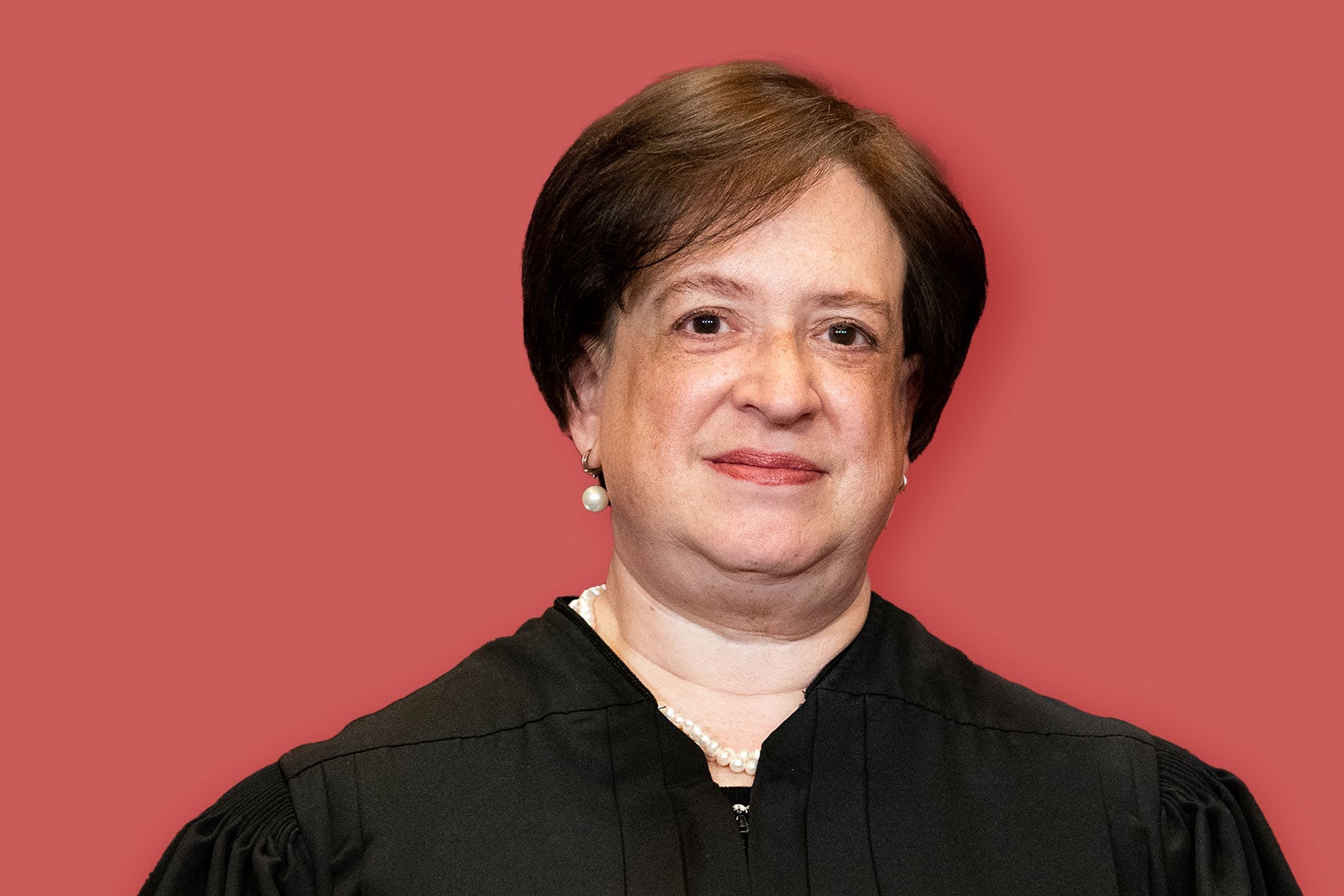
In the Muldrow v. St. Louis case, the Supreme Court delivered a significant victory for civil rights by unanimously siding with Jatonya Muldrow, a police officer who argued she was discriminated against on the basis of sex when she was transferred to a less active job. Justice Elena Kagan wrote a strong opinion, maintaining the harm requirement for Title VII claims, which prevented the case from being used to attack diversity initiatives and DEI training. The decision narrowly avoided the risk of being used to combat workplace diversity and secured a meaningful victory for the left, with Justice Brett Kavanaugh being the only dissenting voice.
The Supreme Court unanimously ruled in favor of a female police sergeant in St. Louis, making it easier for workers to pursue employment discrimination claims over job transfers. The decision clarifies that employees only need to show some harm from a forced transfer, rather than a "significant disadvantage," to prevail in court. This ruling is expected to lower the bar for employees to proceed with discrimination claims and could lead to an increase in reverse discrimination claims against workplace diversity programs. The case has been sent back to the lower courts for additional proceedings that account for the high court's ruling.
The US Supreme Court unanimously ruled in favor of St Louis police officer Jatonya Muldrow, directing a lower court to reconsider her workplace sex discrimination lawsuit. The case tests the scope of federal workplace protections and whether discrimination must cause tangible harm. Muldrow claimed she was transferred to an undesirable job because of her sex, while the city of St Louis argued routine transfers. The Biden administration supported Muldrow, urging a broad application of Title VII, which bars discrimination based on sex.
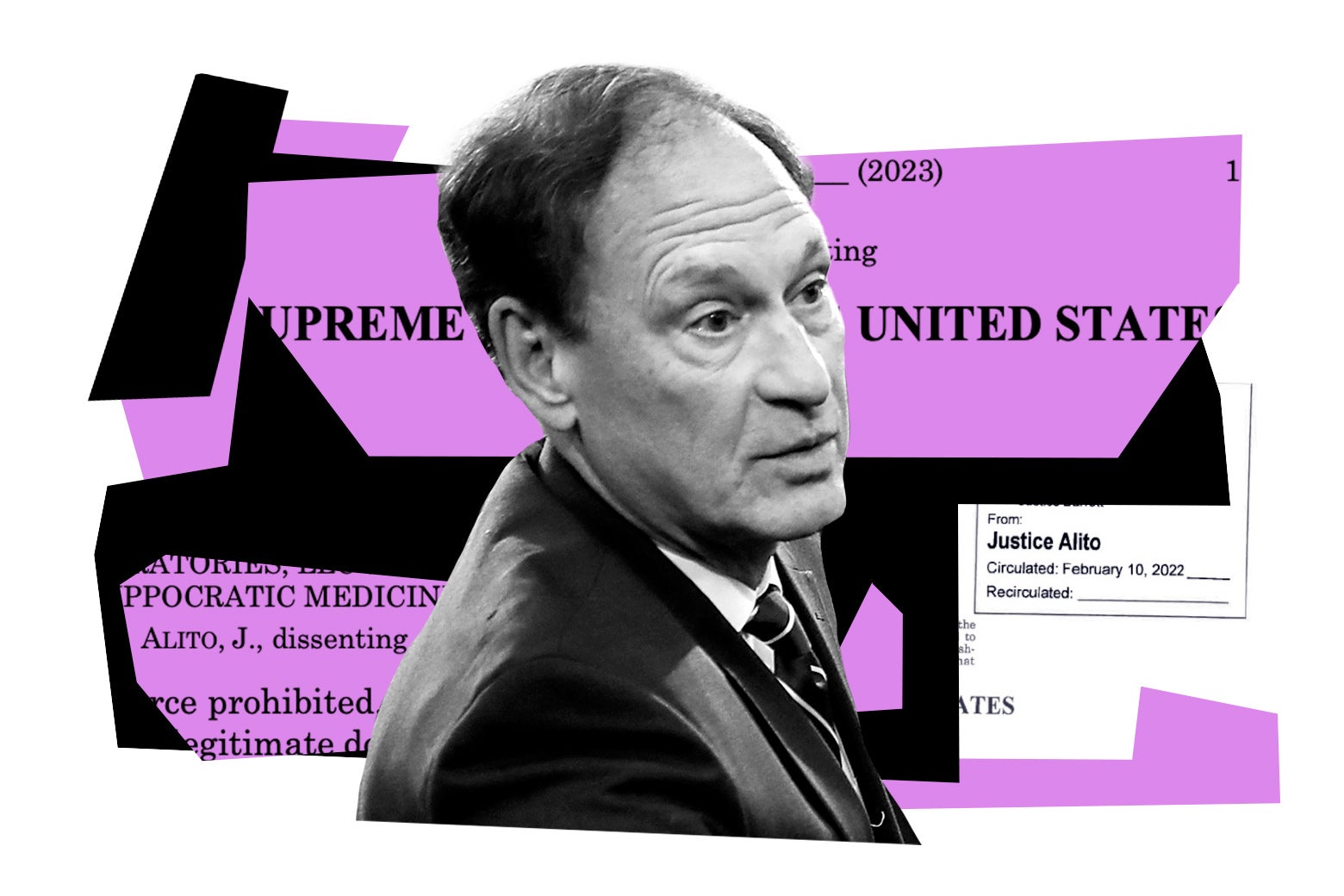
The Supreme Court ruled in favor of making it easier for employees to sue employers for discrimination when they are involuntarily transferred. The decision, written by Justice Elena Kagan, supported a St. Louis police sergeant's claim of gender discrimination after being forced to transfer out of an intelligence division. The ruling clarified that an employee need not show a "materially significant" disadvantage to sue for discrimination, and the case will continue in a lower federal court. Conservative Justices Thomas, Alito, and Kavanaugh agreed with the outcome but questioned the court's rationale, with Alito describing the opinion as "unhelpful."
The Supreme Court ruled that workers who are transferred against their will can pursue job discrimination claims under federal civil rights law, even if they are not demoted or have their pay docked. The decision revives a sex discrimination lawsuit filed by a St. Louis police sergeant who was forcibly transferred but retained her rank and pay. The ruling makes it clear that employers cannot make job decisions based on race and gender, and the case now returns to lower courts for further proceedings.
The Justice Department has reached a settlement agreement with the State of New York Executive Chamber to address claims of sexual harassment and retaliation under Title VII of the Civil Rights Act of 1964. The agreement acknowledges reforms already implemented by Governor Kathy Hochul and outlines additional measures to prevent such misconduct in the future, including expanding the Human Resources Department, creating new reporting and investigation procedures, implementing anti-retaliation programs, and assessing the effectiveness of these reforms. The department's investigation found that the Executive Chamber under former Governor Andrew Cuomo subjected female employees to a sexually hostile work environment, tolerated the behavior, and retaliated against those who spoke out. This settlement is part of the Justice Department's initiative to combat sexual harassment in government workplaces.
The Supreme Court appears inclined to allow a female police officer in St. Louis to sue for employment discrimination over a forced lateral transfer to another position in the police department. The justices debated what plaintiffs must prove when accusing employers of violating Title VII of the Civil Rights Act of 1964. The officer's lawyer argued that proving a discriminatory reason for the transfer should be enough, while the city's lawyer argued for a higher threshold of "significant, material, objective harm." The majority of justices seemed ready to embrace the officer's position, emphasizing that treating someone worse based on race or sex is discrimination in itself.
The Supreme Court has ruled that companies are guilty of discrimination unless they accommodate employees from any policies that burden their religious practices, making it more difficult for companies to defend themselves by showing an "undue hardship." This decision is likely to lead to a wave of litigation, with employees suing their employers to block corporate policies they disagree with. The court's decision is part of a broader strategy within a conservative legal movement that has soured on corporate America and seeks to prioritize the rights of religious conservatives over others.
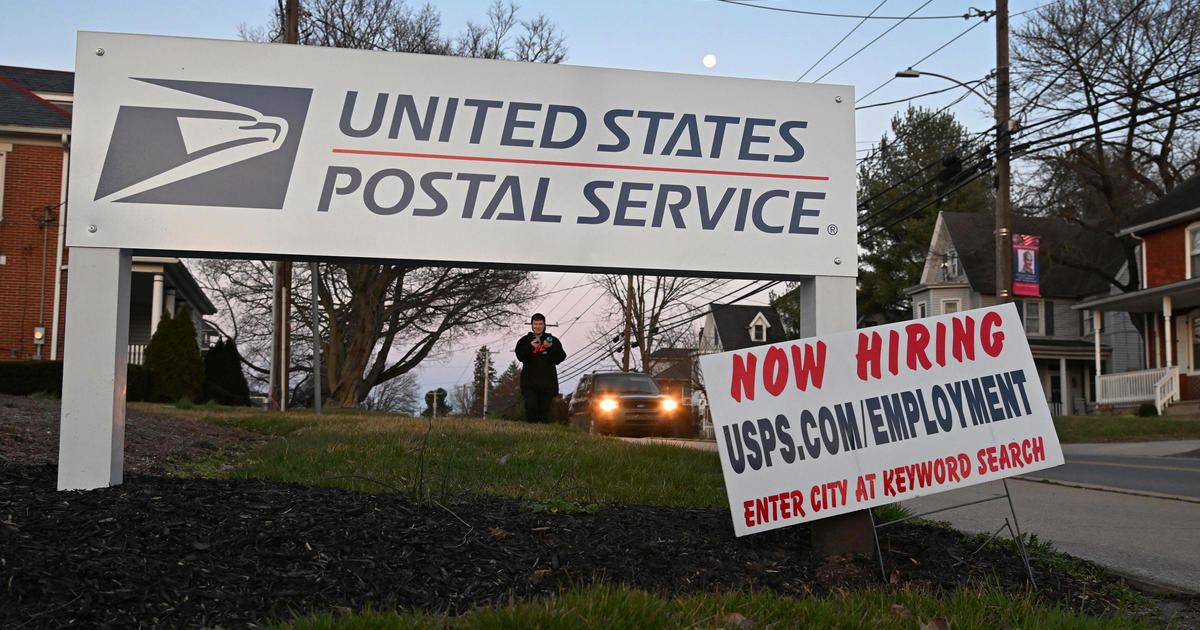
The Supreme Court delivered a unanimous decision in the case of a Christian mail carrier who sued the U.S. Postal Service for failing to accommodate his religious practice. The court ruled that workers who request religious accommodations, such as taking the Sabbath off, should receive them unless the employer can demonstrate "substantial increased costs" to the business. The decision clarifies that businesses cannot reject accommodation requests based on minor costs. This case is the latest in a series of religious confrontations brought before the court, with the conservative majority showing sensitivity to the concerns of religious plaintiffs. The ruling sends the case back to a lower court for further consideration.
The Supreme Court unanimously ruled that employers cannot deny religious accommodation requests, including requests to avoid working on the Sabbath, unless granting them would impose a substantial burden. The decision aimed to clarify decades of confusion and was seen as a win for religious Americans. However, the Court chose not to overrule a 1977 decision that settled a similar dispute, which disappointed some observers. The ruling sends the case back to lower courts for reconsideration, emphasizing the need to determine whether an employer would face "undue hardship" in granting religious accommodation requests.
The Supreme Court has ruled in favor of a Christian mail carrier who refused to work on Sundays, strengthening protections for workers seeking religious accommodations. While upholding the 1977 precedent that employers can deny accommodations if they impose minimal costs, the court set a "clarified standard" for determining when an employee's religious accommodation would impose an undue hardship on the employer. The decision sends the case back for further legal proceedings and follows a series of recent rulings in favor of religious parties by the conservative Supreme Court.
The US Supreme Court unanimously ruled that employers must meet a higher standard when evaluating the burden of a worker's religious accommodation request. The court declined to overturn a previous decision that employers only need to show a minimal, "undue" burden to reject a religion-based accommodation. Instead, the court clarified that Title VII requires employers to demonstrate that granting the accommodation would result in substantial increased costs in relation to their particular business. The decision is seen as a victory for minority faiths, as it makes it harder for employers to override accommodation requests based on minor inconveniences.
The Supreme Court ruled in favor of a Christian mail carrier who requested not to work on Sundays due to his religious beliefs, making it easier for employees to seek religious accommodations. The unanimous ruling clarified that employers are not required to make accommodations if they impose only a minimal burden, emphasizing that the hardship needs to be more than minimal. The case will now return to lower courts for further litigation. This decision has implications for religious claims under Title VII of the Civil Rights Act, which prohibits workplace discrimination based on religion.