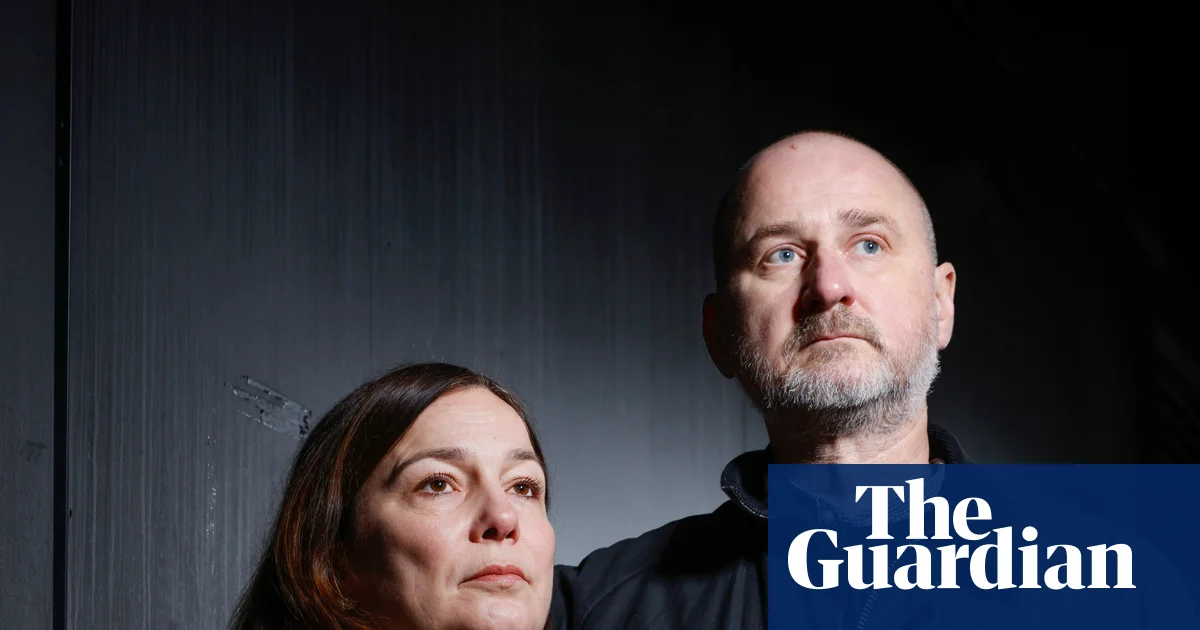
The parents of a 16-year-old who died by suicide after being sextorted on Instagram are suing Meta in the UK, alleging that the company's design flaws and safety failures contributed to his death, marking the first such case in the UK and highlighting rising sextortion cases globally.
Following a court ruling that invalidated Florida's 40-year open carry ban, some Publix stores in Florida now permit customers to openly carry firearms, including in stores with alcohol service areas like 'Publix Pours,' which also offer on-site alcohol consumption. However, state law still prohibits carrying firearms in establishments primarily serving alcohol, raising questions about the legality of open carry in these specific Publix locations. Some other grocery chains continue to prohibit firearms in their stores.
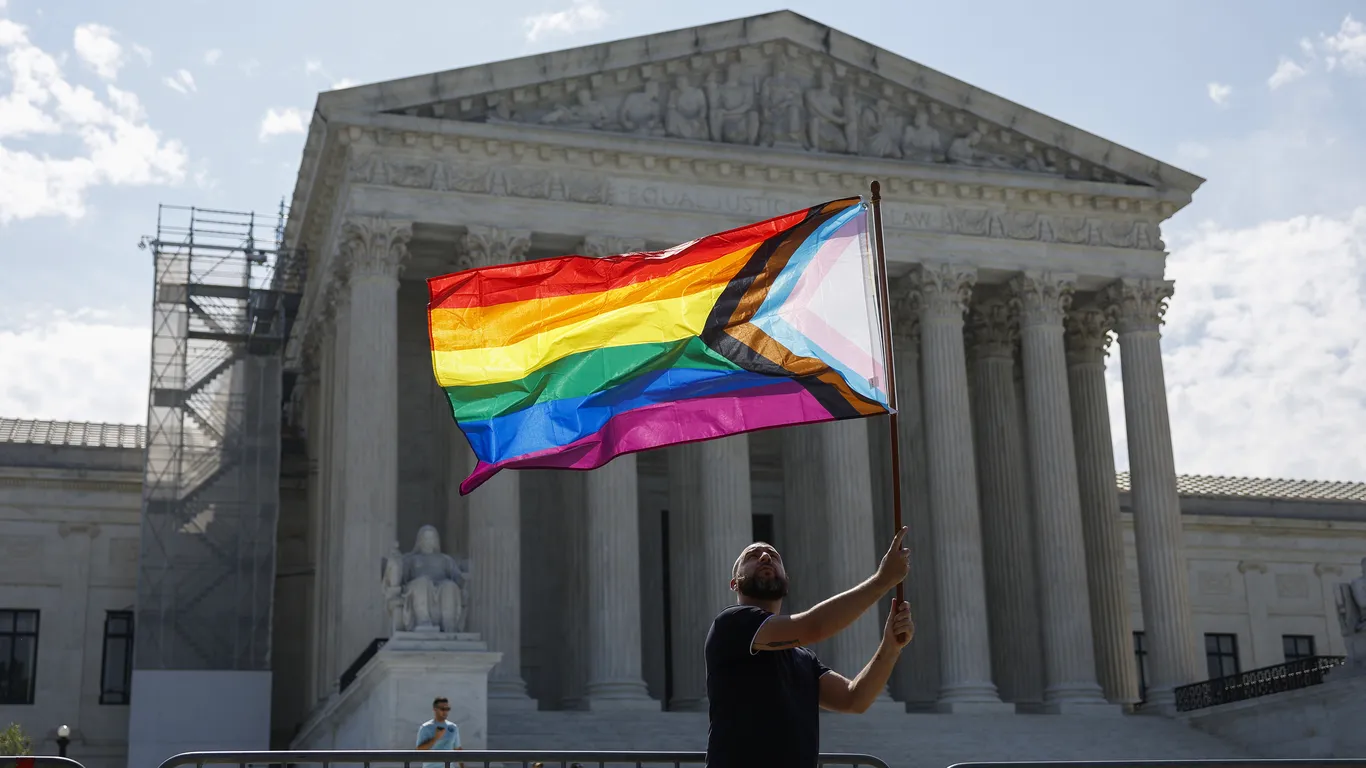
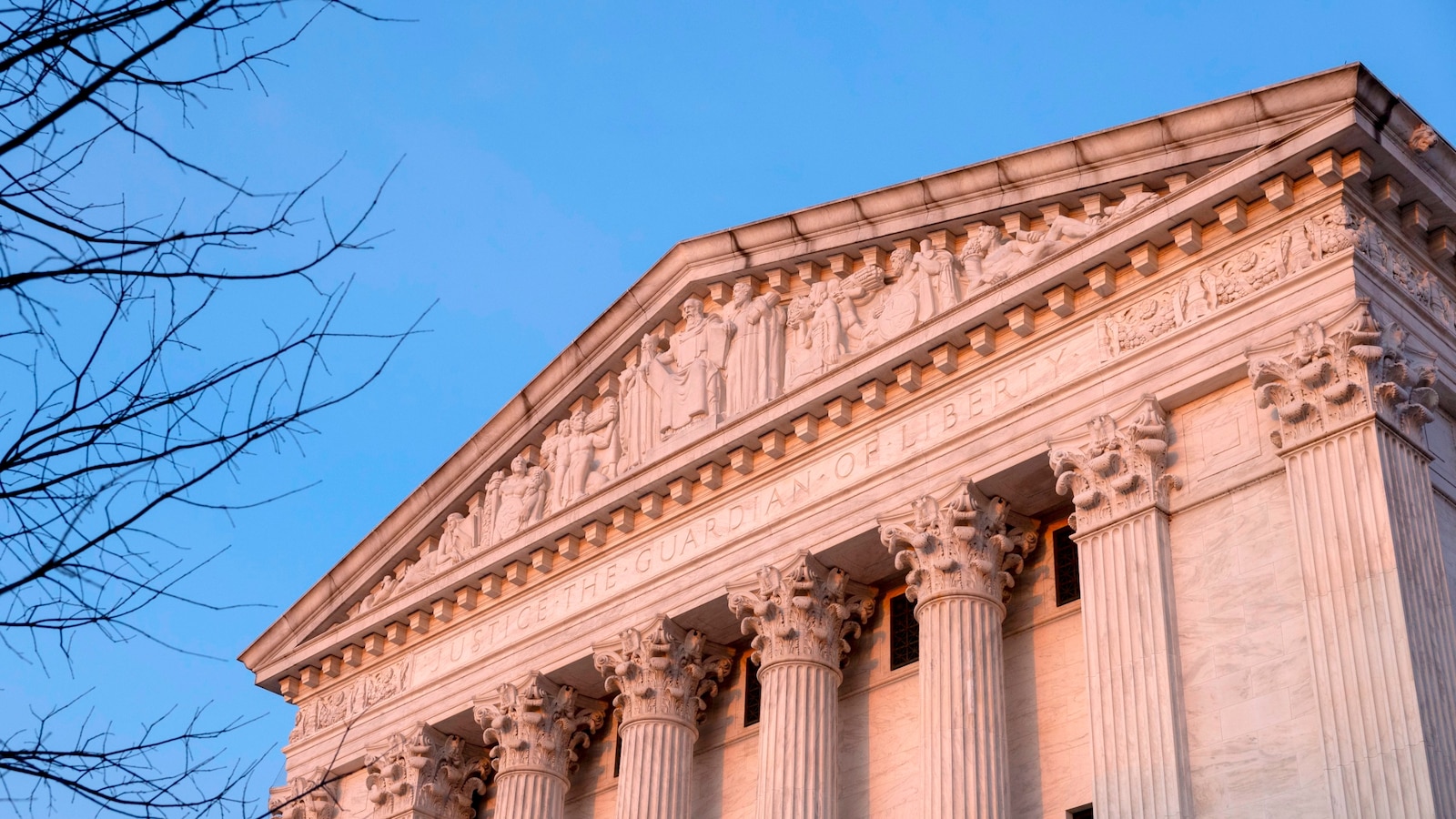
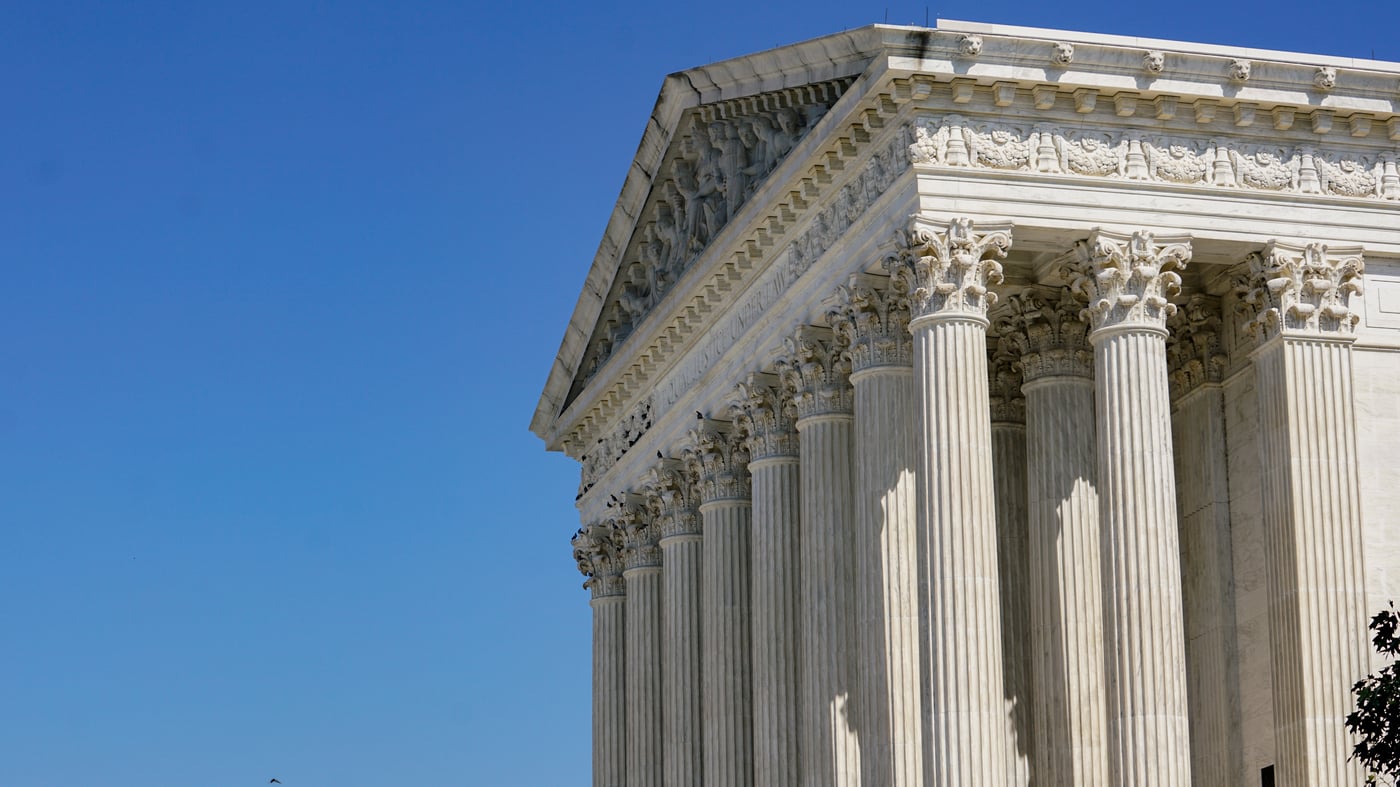
Legal experts believe the Supreme Court is unlikely to revisit the landmark Obergefell v. Hodges decision that established marriage equality nationwide, especially given recent court tendencies to reverse long-standing precedents. The current case involves Kim Davis, who refuses to issue marriage licenses to same-sex couples, but most advocates see it as a narrow challenge unlikely to overturn marriage rights. Reversing Obergefell could cause legal chaos and suffering, and public support for marriage equality has significantly increased over the years. The Supreme Court's decision on whether to hear the case is expected this fall.
The 2015 Supreme Court decision in Obergefell v. Hodges legalized same-sex marriage nationwide, marking a significant milestone for LGBTQ rights and leading to increased marriage rates among same-sex couples, especially in the South. Despite this progress, opponents continue to seek reconsideration of the ruling, and federal laws like the Respect for Marriage Act reinforce its legal standing.
The Supreme Court's recent ruling makes it easier for majority group members, such as white and straight individuals, to file workplace discrimination lawsuits by removing a legal barrier that required them to prove discrimination more extensively than minority groups. Experts believe this change will have limited impact on the overall number of cases, as historically few such cases are filed, and the ruling does not address the legality of corporate diversity policies. The decision may lead to more lawsuits but is unlikely to cause a significant surge in discrimination claims.
The Supreme Court allowed Idaho to enforce a ban on gender-affirming care for minors, overturning lower court injunctions, with conservative justices in favor and liberal justices dissenting. The law remains in effect while litigation continues, but the court permitted the plaintiffs to continue treatments during the legal process. Advocates argue that denying gender-affirming care harms transgender youth, while the state attorney general asserts the law protects children from "life-altering drugs and procedures." Transgender youth face mental health challenges, and major medical associations support gender-affirming care as safe, effective, and necessary.
A Florida judge has temporarily blocked a law that restricts teachers from using preferred pronouns that don't align with their biological sex, granting a transgender teacher a temporary injunction. The judge ruled that the law violates the First Amendment and is discriminatory, allowing the teacher to use her preferred pronouns. The ruling sends a positive message to trans and nonbinary educators, while the lawsuit continues to challenge the law's constitutionality.
A federal judge has ruled that Florida cannot enforce its "Don't Say Gay" law against a transgender 10th-grade math teacher, Katie Wood, who was prohibited from asking her students to use her preferred pronouns. The judge's preliminary injunction blocks the state from enforcing the law against Wood, stating that it violates her constitutional right to free speech and equal protection. The ruling only applies to Wood and not statewide, and the judge also declined to rule in favor of another non-binary teacher who was fired for using the "Mx" honorific. The judge emphasized the importance of the constitution in protecting individuals' rights to express their identity without apology.
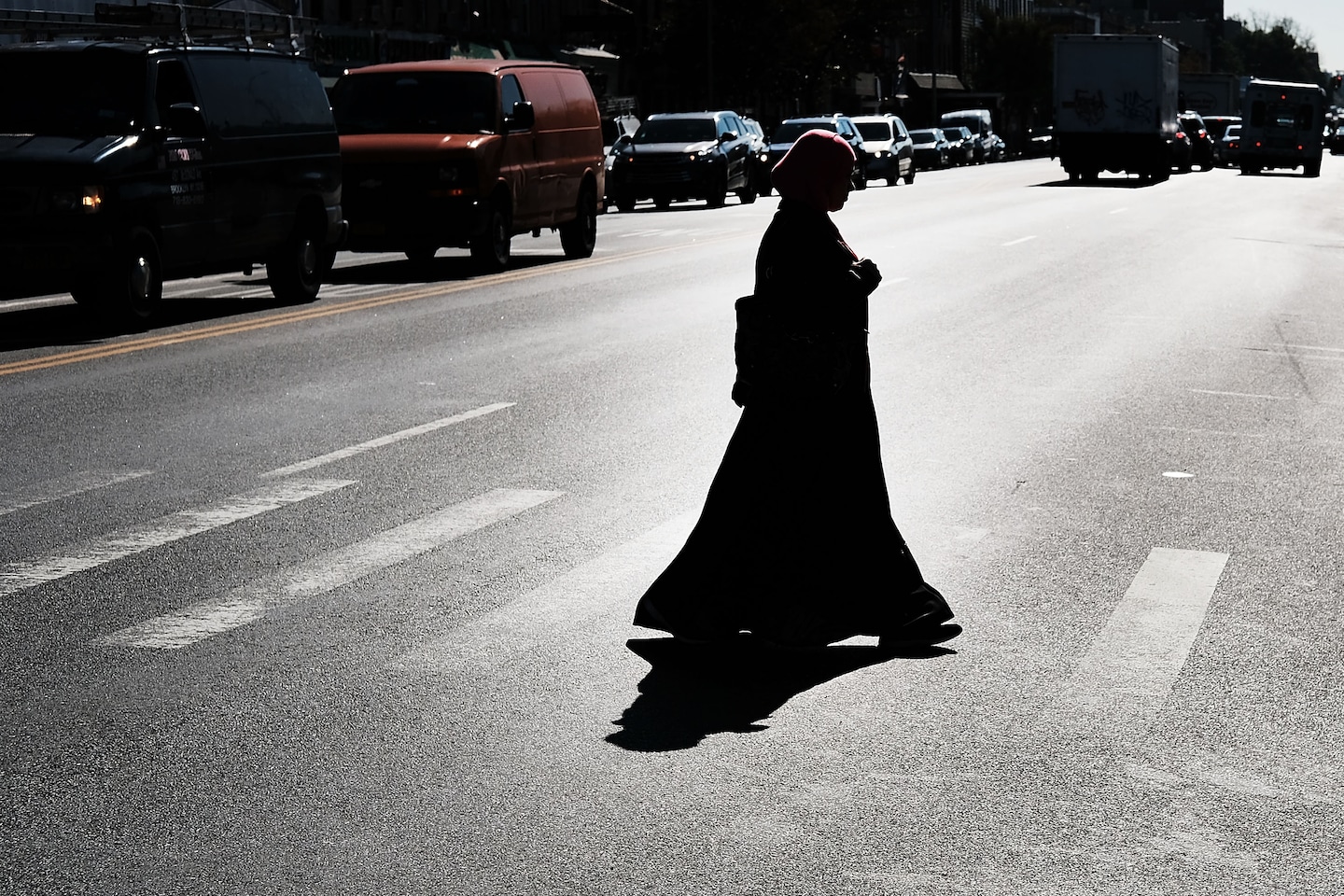
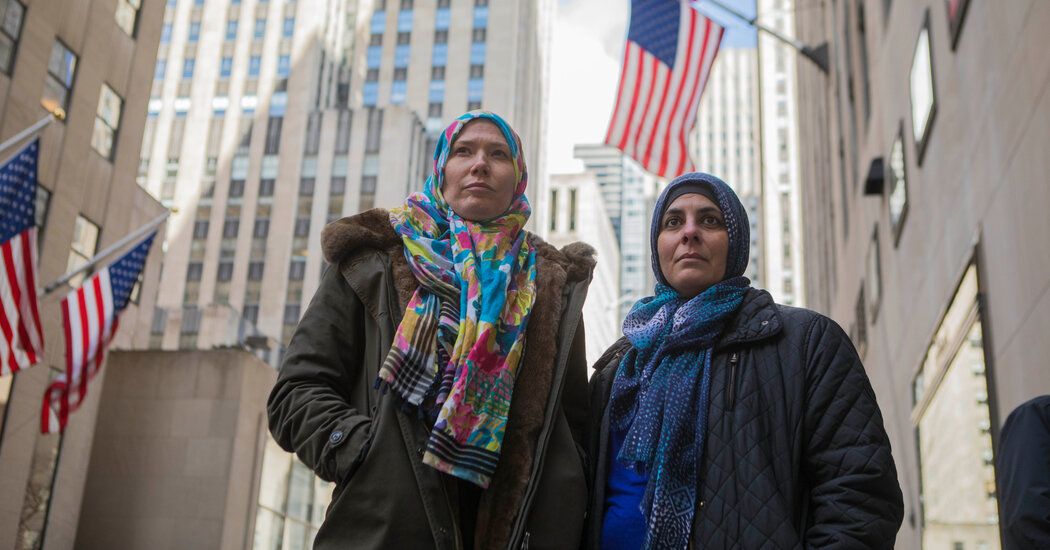
New York City has agreed to pay $17.5 million to settle a class-action suit brought by two women who were forced to remove their hijabs for mug shots, leading to a change in NYPD policy. The women, Jamilla Clark and Arwa Aziz, described feeling humiliated and violated, and the settlement will provide compensation for thousands of eligible individuals who were similarly affected. The lawsuit also highlighted the violation of religious rights and privacy, with the NYPD now facing a reform in its practices regarding religious head coverings during arrests.
New York City has agreed to pay $17.5 million to settle a lawsuit filed by two Muslim women who were forced to remove their hijabs before police took their arrest photographs. The settlement is part of a class-action lawsuit filed in 2018, and the Police Department changed its policy in 2020 to allow religious people to be photographed wearing head coverings. The lawsuit resulted in a positive reform for the N.Y.P.D, balancing respect for religious beliefs with the law enforcement need to take arrest photos.
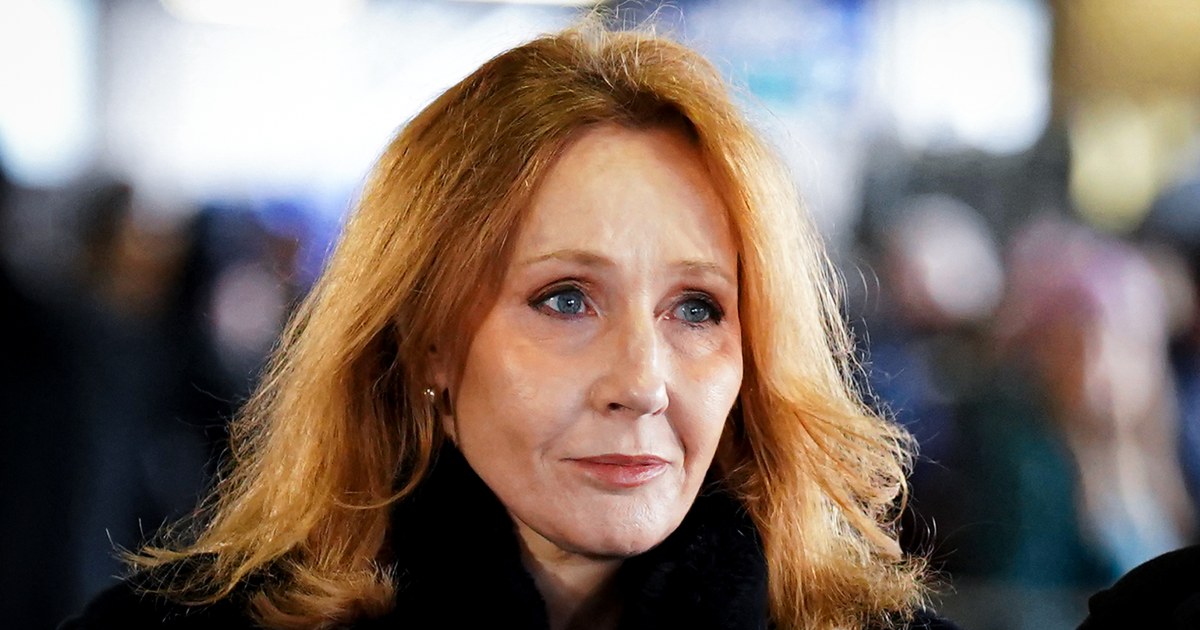
J.K. Rowling challenged Scotland's new hate speech law, but police have declared they will not prosecute her for her online speech about transgender identity. The law, which warns against acts that "stir up hatred" against certain protected characteristics, has sparked controversy. Rowling welcomed the decision and vowed to stand up for women's rights, while others, including the UK prime minister, have criticized the law for potentially infringing on free speech.
J.K. Rowling will not be arrested for her controversial comments about transgender women, as Scottish police have stated that her remarks are not considered criminal. Rowling's comments, made on the day a new Scottish hate-crime law took effect, sparked criticism and debate about free speech and transgender rights. The author has faced backlash for her views on transgender issues in the past, and her recent social media posts have reignited the controversy. The new legislation criminalizes "stirring up hatred" against people based on their gender identity, among other characteristics.
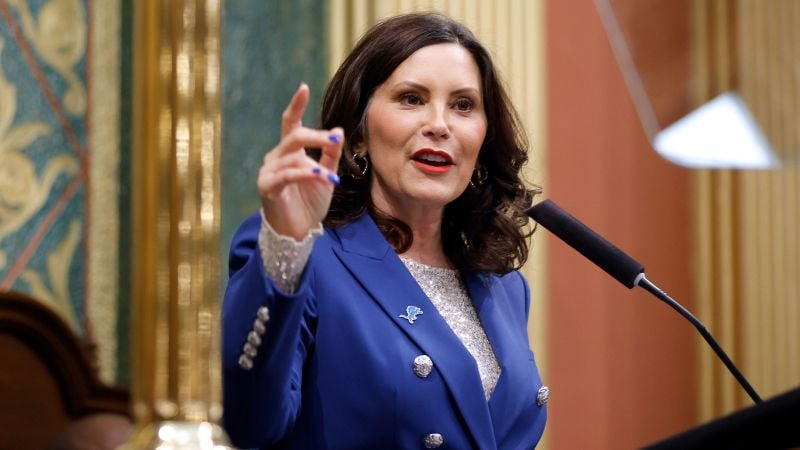
Michigan Governor Gretchen Whitmer signed the Michigan Family Protection Act, decriminalizing paid surrogacy contracts and providing legal protections for families using surrogacy and in vitro fertilization (IVF). The package of bills also establishes regulations for surrogacy and the legal framework for parents of children born through surrogacy. State Rep. Samantha Steckloff, who introduced the package, praised the Michigan Senate for passing it and emphasized the importance of ensuring legal child relationships for children born through assisted reproduction. The American Society for Reproductive Medicine expressed gratitude for Michigan's step in providing access to surrogacy as a family-building tool.
The U.S. Supreme Court declined to intervene in a case involving a ban on drag shows in Texas, marking the second time this term it has refused to step into a drag controversy. Students at West Texas A&M University sought emergency intervention after their scheduled drag show was blocked on campus, claiming a violation of their free speech rights. The university president's opposition to drag shows and a conservative federal appeals court add complexity to the situation, while legal arguments revolve around whether drag performances qualify for First Amendment protection.
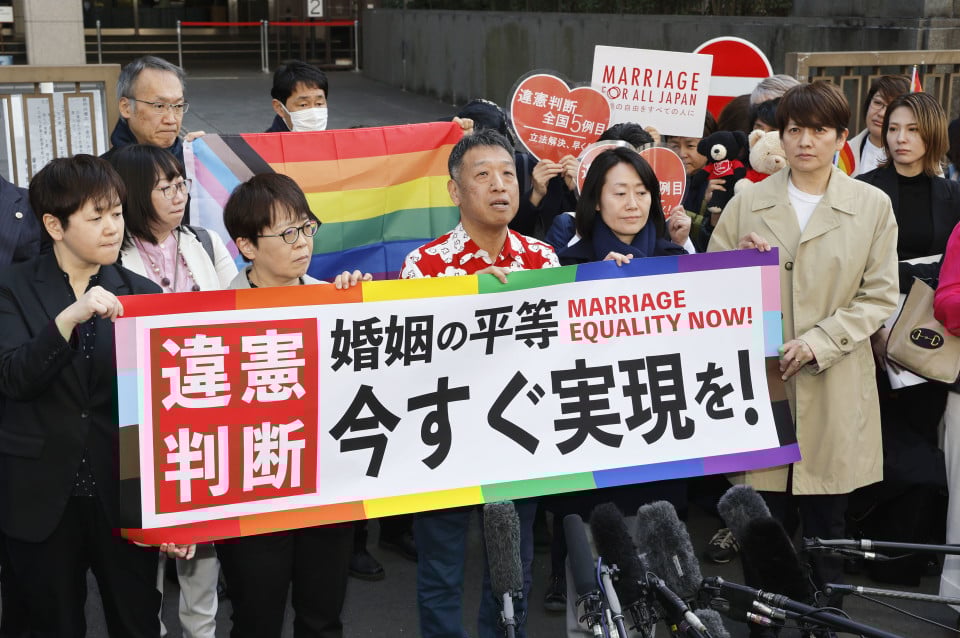
The Sapporo High Court in Japan has ruled the country's lack of legal recognition of same-sex marriage as unconstitutional, upholding a lower court's verdict from 2021. While rejecting damages sought by three same-sex couples, the court stated that the current laws' unacceptance of same-sex marriage violates the right to equality and the provision of marriage being based on mutual consent of "both sexes." The ruling marks a significant step in the ongoing legal battle for marriage equality in Japan, where same-sex marriage and civil unions remain unrecognized despite growing pressure from the LGBT community and its supporters.