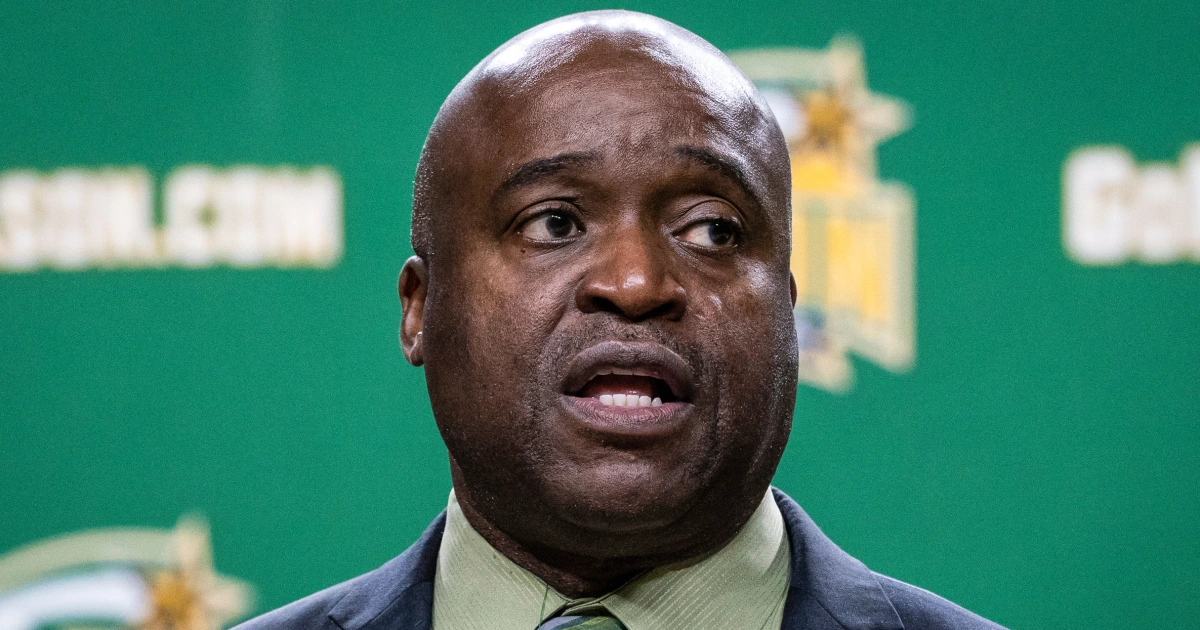
George Mason University refuses to apologize to the Education Department after being accused of violating civil rights laws, asserting that the investigation was incomplete and that no discrimination occurred, and criticizes the allegations as baseless.
The Supreme Court unanimously ruled that it is easier to bring lawsuits for reverse discrimination, siding with an Ohio woman who claimed she was passed over for a job and demoted because she is heterosexual, emphasizing that federal civil rights law does not distinguish between majority and minority groups.
The U.S. Court of Appeals for the 4th Circuit ruled that a transgender middle-schooler in West Virginia, Becky Pepper-Jackson, cannot be barred from participating in girls' cross-country running and track teams, citing her identification as female for five years, a birth certificate that identifies her as female, and medication to block male puberty. The court found that excluding her from girls' teams would violate federal civil rights law and that her case was not a basis for creating separate sports teams for transgender girls. The ruling is part of a broader legal battle over trans rights in sports, with the Biden administration proposing rules that could change how similar cases are analyzed in the future.
A federal appeals court has ruled that Pennsylvania's requirement for voters to include accurate handwritten dates on the outside envelopes of their mail-in ballots is legal under civil rights law, overturning a lower court ruling. The decision upholds the enforcement of the date requirement, which caused thousands of votes to be declared invalid in the 2022 election. The ruling has sparked debate over election procedures and could impact the upcoming presidential election in Pennsylvania, where Democrats have been more likely to vote by mail than Republicans.
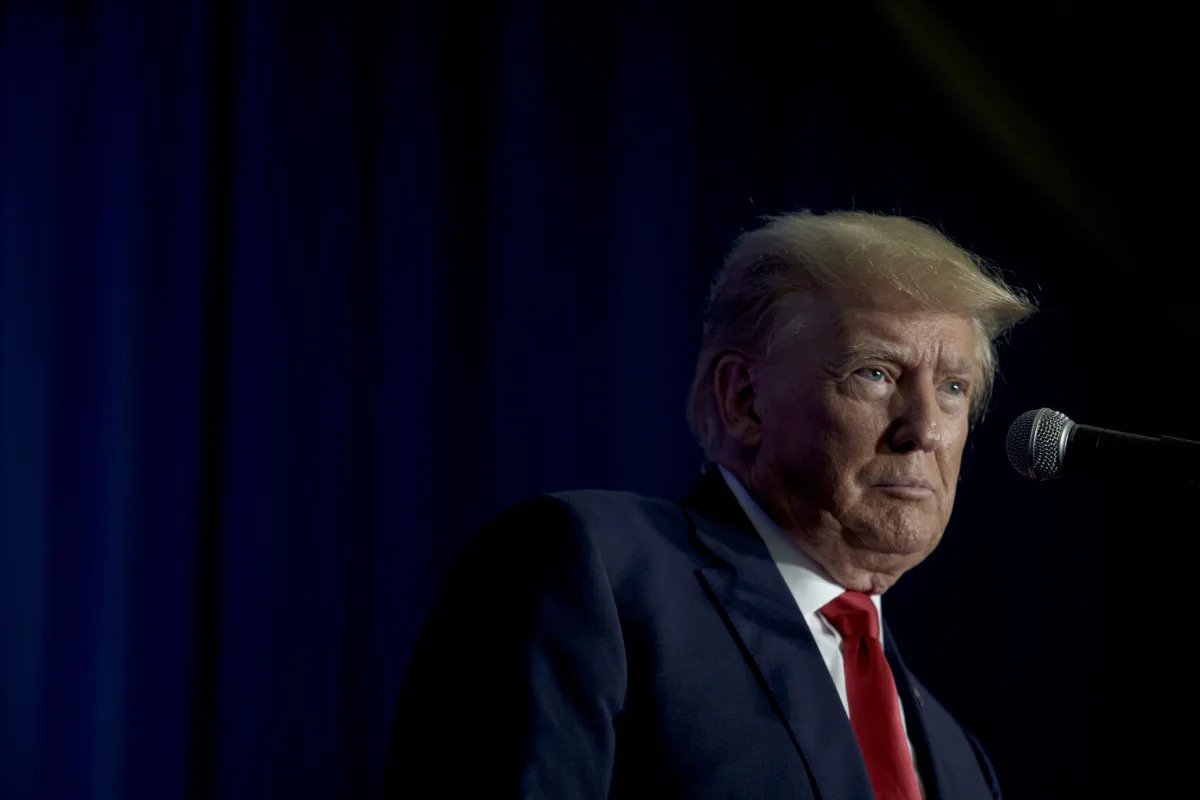
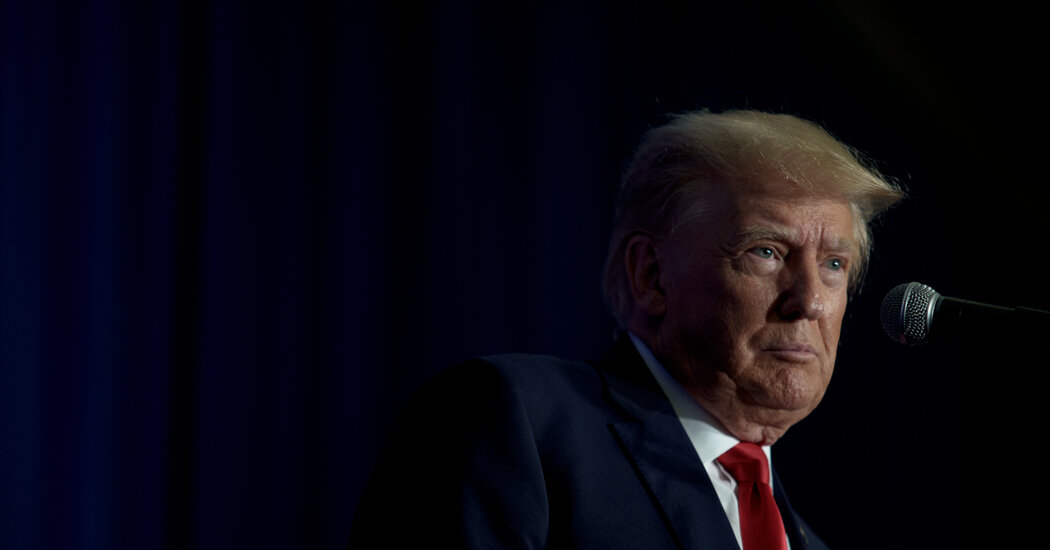
Federal prosecutors investigating the Jan. 6 attack on the Capitol have suggested in a target letter that they could charge former President Donald Trump with violating a civil rights statute, Section 241 of Title 18 of the United States Code, which makes it a crime to conspire to injure, oppress, threaten, or intimidate any person in the free exercise or enjoyment of any right or privilege secured by the Constitution or laws of the United States. This potential charge is in addition to the familiar charges of conspiracy to defraud the government and obstruction of an official proceeding. The use of this civil rights law raises the possibility that Trump could face prosecution for his efforts to reverse his 2020 election loss by trying to rig the election himself.
Federal prosecutors investigating the January 6th Capitol attack have suggested in a target letter that former President Donald Trump could be charged with violating a civil rights statute, Section 241 of Title 18 of the United States Code, which makes it a crime to conspire to injure, oppress, threaten, or intimidate any person in the free exercise or enjoyment of any right or privilege secured by the Constitution or laws of the United States. This unexpected inclusion in the letter raises the possibility that Trump could face prosecution for his efforts to overturn the 2020 election results. The letter also cited two other statutes, conspiracy to defraud the government and obstruction of an official proceeding, which have been previously discussed in relation to the Jan. 6 investigation.