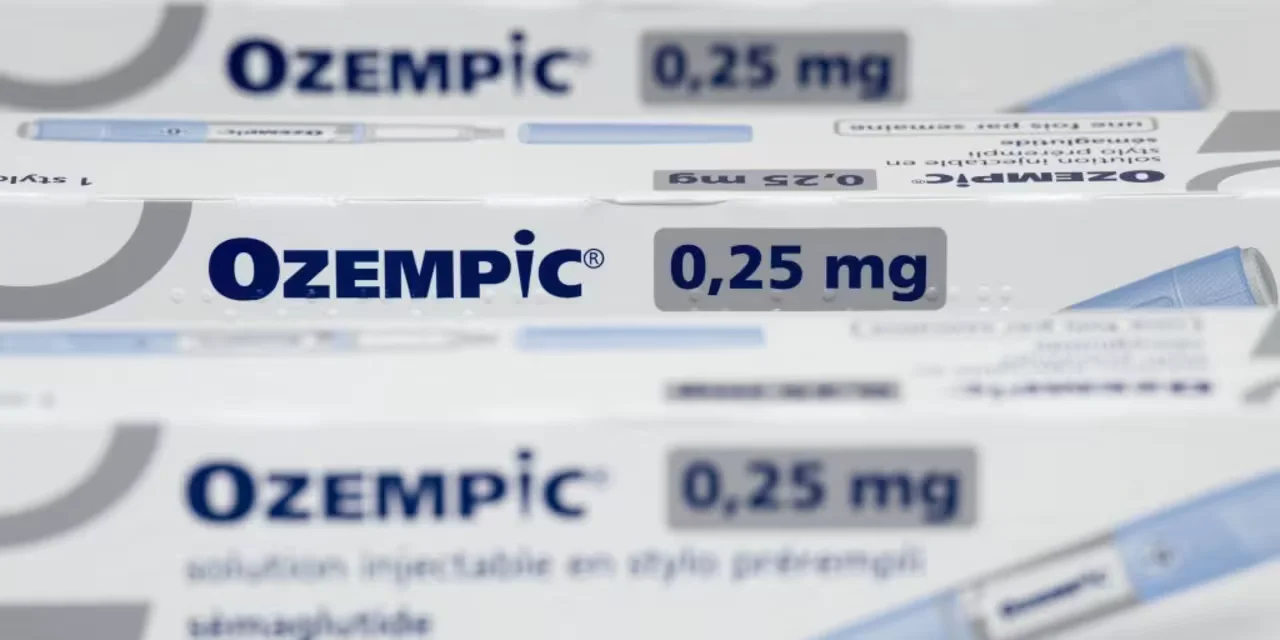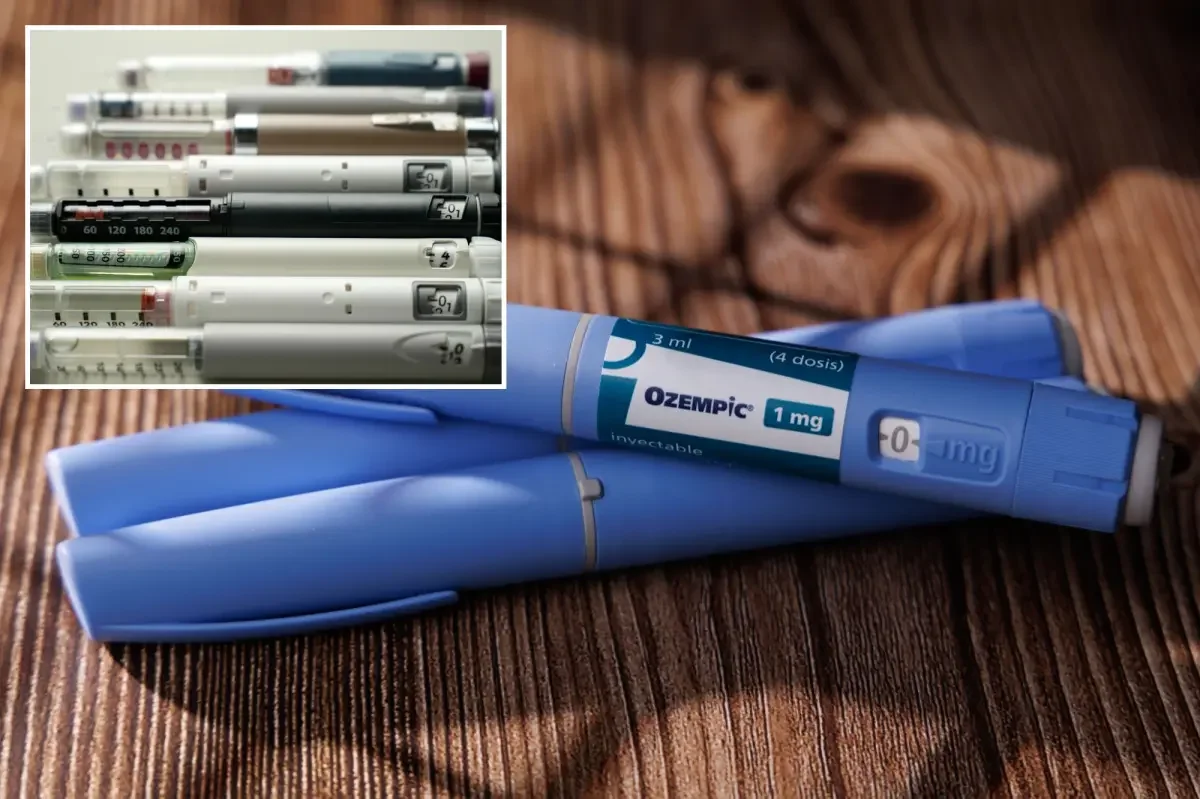
Eli Lilly's weight loss and diabetes drug tirzepatide has surpassed Merck's Keytruda as the world's best-selling medicine, driven by rapid sales growth since its approval in 2022, highlighting intense competition in the pharmaceutical market for obesity and diabetes treatments.
A large study shows that weight loss drugs like semaglutide and tirzepatide can significantly reduce the risk of hospitalization and early death in heart failure patients with obesity and type 2 diabetes, potentially offering a new treatment avenue for these patients.
Cassandra Smith, a 30-year-old with rheumatoid arthritis and obesity, experienced significant health improvements—including no flare-ups and substantial weight loss—after starting compounded tirzepatide, a GLP-1 medication, which also helped her improve her quality of life and mental health.
Eli Lilly's Tirzepatide has outperformed competitors like Novo's Semaglutide in glucose control and weight loss, strengthening Lilly's market position with promising future drugs and undervalued stock potential, as the competitive landscape in the GLP-1 space shifts.
A study presented at ENDO 2025 found that combining menopause hormone therapy with tirzepatide significantly enhances weight loss in postmenopausal women with overweight or obesity, with those using both treatments experiencing greater weight loss and higher rates of achieving at least 20% total body weight loss compared to tirzepatide alone.
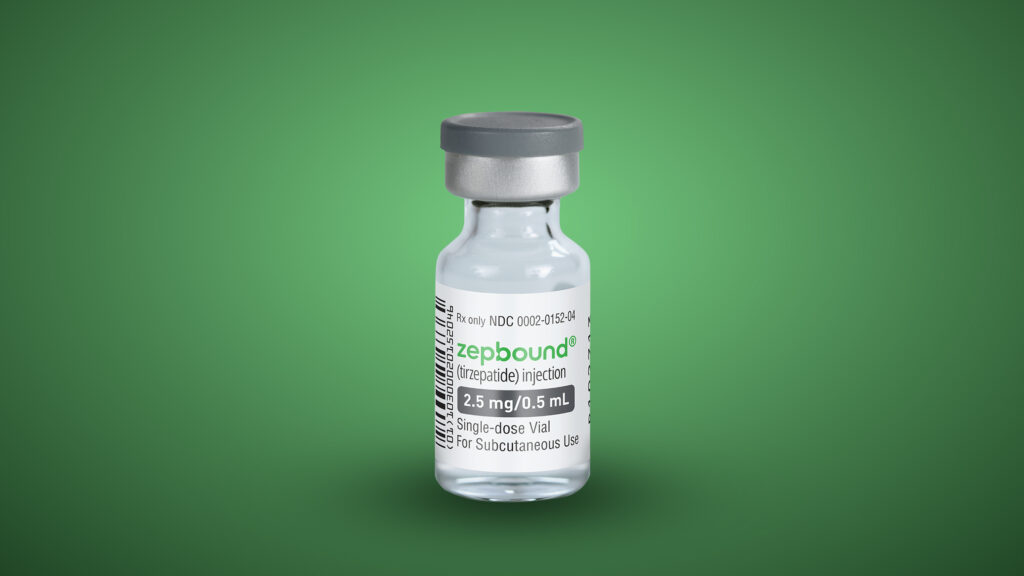
Eli Lilly announced that all approved doses of Zepbound (tirzepatide) for obesity treatment will be available in single-dose vials for $499/month or less through LillyDirect's Self Pay Pharmacy Solutions, making the medication more accessible regardless of insurance, with shipments starting in early August.
Real-world use of semaglutide and tirzepatide results in less weight loss than clinical trials, mainly due to early discontinuation and lower doses, but still shows benefits in glycemic control and diabetes prevention, highlighting the importance of persistence and optimal dosing.
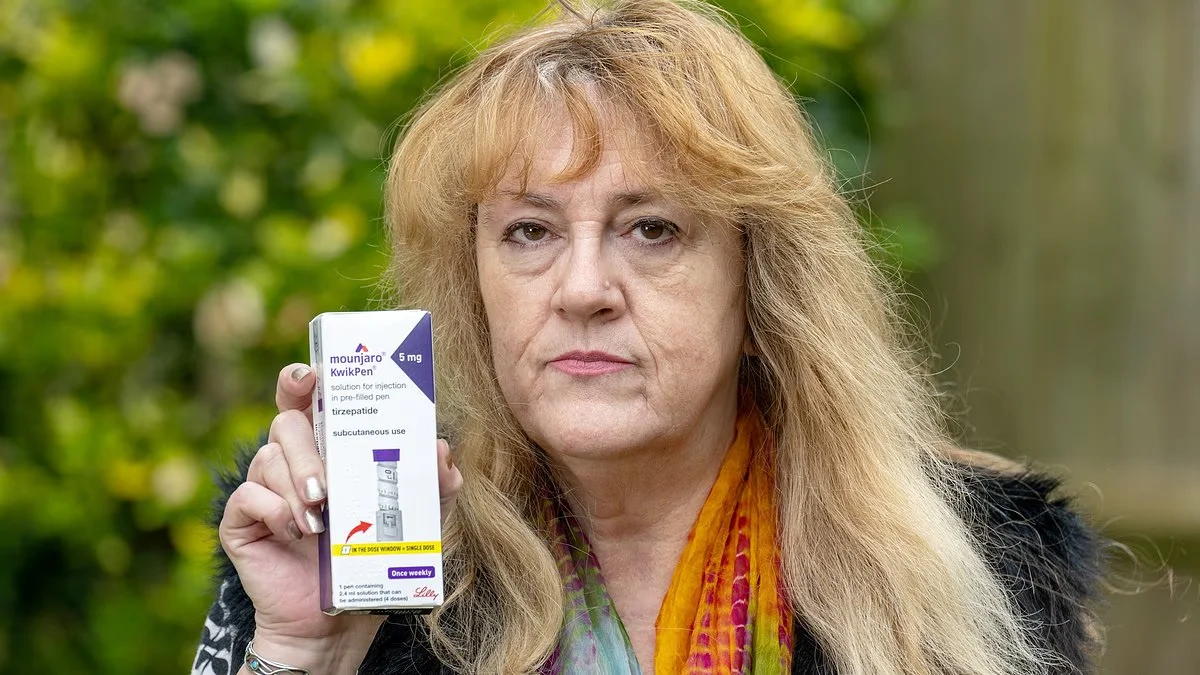
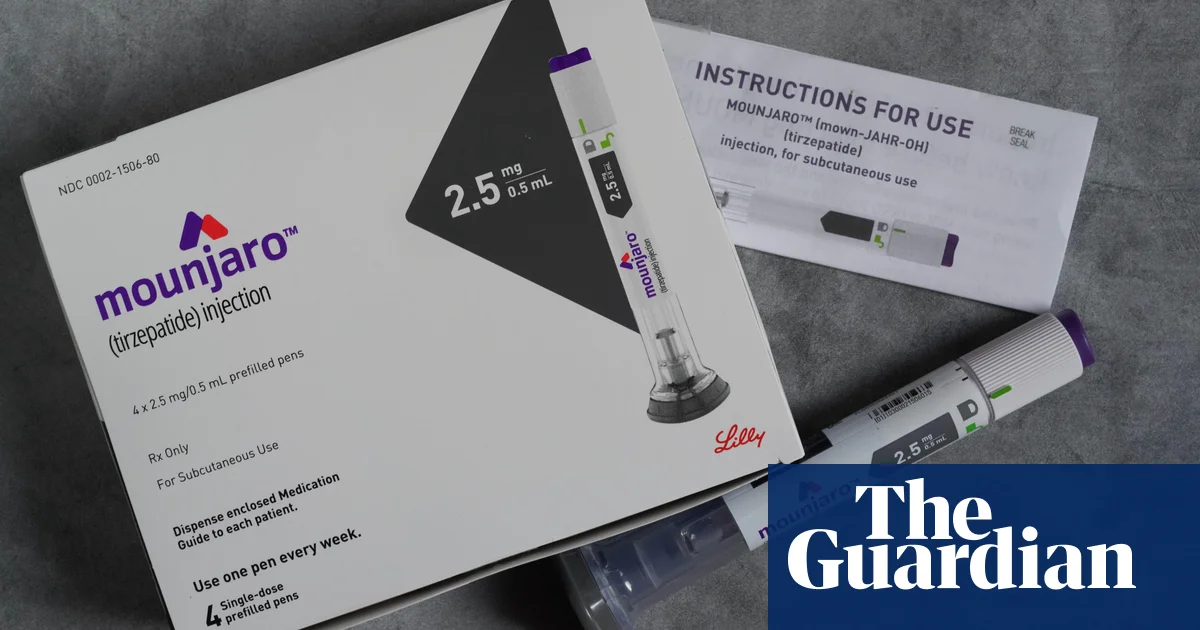
Mounjaro, a weight loss drug containing tirzepatide, is set to be available on the NHS but will be prioritized for those with the highest needs due to high demand and potential strain on NHS resources. Unlike Wegovy, Mounjaro mimics two hormones, GLP-1 and GIP, leading to greater weight loss. Approved for adults with a BMI of 30 or more, or 27 with weight-related health issues, its rollout will span 12 years to manage demand and protect other NHS services. While effective, experts stress the need for comprehensive obesity management beyond medication.
Recent studies published in the Journal of the American College of Cardiology reveal that anti-obesity drugs like tirzepatide and semaglutide offer significant cardiovascular benefits beyond weight loss. These medications improve cardiac structure and function in heart failure patients and enhance outcomes for those who have undergone cardiac bypass surgery. Additionally, lifestyle interventions for weight loss in Type 2 diabetes patients can alter cardiac biomarkers, potentially reducing the risk of cardiovascular disease and heart failure.
Eli Lilly's drug tirzepatide, marketed as Zepbound/Mounjaro, has shown significant cardiovascular benefits in patients with obesity-related heart failure with preserved ejection fraction (HFpEF), according to results from the SUMMIT Phase 3 trial. The study demonstrated a 38% reduction in the risk of cardiovascular mortality and worsening heart failure events, along with improvements in heart failure symptoms and physical limitations. The trial also reported a 56% reduction in heart failure hospitalizations and significant weight loss among participants. Eli Lilly is seeking to extend tirzepatide's labeling for HFpEF and obesity with regulatory submissions.
A study published in the New England Medical Journal reveals that tirzepatide, the active ingredient in Eli Lilly's Mounjaro, significantly reduces the risk of developing diabetes by 94% in high-risk individuals. Conducted over three years with over 2500 pre-diabetic participants, the trial showed that only 1.3% of those taking tirzepatide developed diabetes compared to 13.3% in the placebo group. The drug, which mimics the body's feeling of fullness, also led to substantial weight loss and maintained blood sugar control, suggesting long-term protective benefits against diabetes.
A 58-year-old nurse from Scotland, Susan McGowan, has died from multiple organ failure after taking the weight-loss drug tirzepatide, marking the first death in the U.K. officially linked to the medication. Tirzepatide, marketed as Mounjaro, is a GLP-1 receptor agonist used for weight loss and type 2 diabetes treatment. While effective, it can cause severe side effects, though these are rare. The U.K.'s Medicines and Healthcare products Regulatory Authority maintains that the drug's benefits outweigh the risks, despite a second suspected death linked to it.
A UK nurse's death has been linked to the weight-loss drug tirzepatide, marketed as Mounjaro, which she obtained online and used before experiencing severe health issues. Her death certificate cites multiple organ failure and pancreatitis, with the drug noted as a contributing factor. The drug, approved in the UK in 2023, is under scrutiny, though authorities maintain its benefits outweigh risks. The incident raises concerns as the UK plans a trial to use tirzepatide to aid unemployed individuals in returning to work.
The death of Scottish nurse Susan McGowan has been linked to the weight-loss drug tirzepatide, branded as Mounjaro, which she took for two weeks before her death. Her death certificate cites multiple organ failure, septic shock, and pancreatitis, with the drug noted as a contributing factor. This is reportedly the first UK death associated with Mounjaro, a GLP-1 receptor agonist approved by the MHRA for weight loss. The drug's manufacturer, Lilly, emphasizes patient safety and ongoing monitoring of the drug's effects.
The death of Susan McGowan, a nurse from North Lanarkshire, has been linked to the weight-loss drug tirzepatide, branded as Mounjaro, which was recently approved for NHS use. McGowan died from multiple organ failure, septic shock, and pancreatitis, with the drug noted as a contributing factor. This incident raises concerns about the safety of GLP-1 receptor agonists, a class of weight-loss drugs, despite their approval and perceived benefits. The UK government plans to trial Mounjaro to aid unemployed individuals, but McGowan's family urges caution.