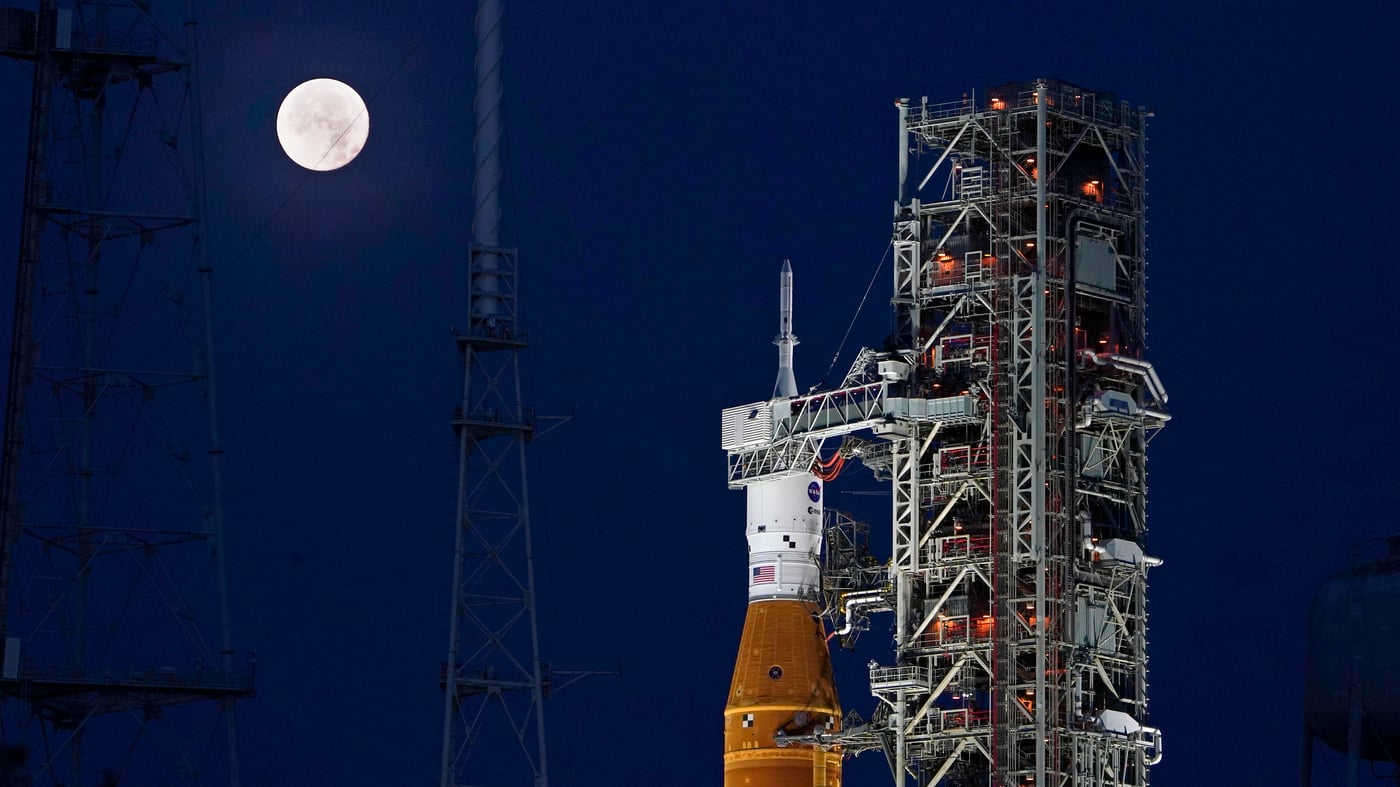
The Biden Administration has called on NASA to create a time zone for the moon, as time passes slightly faster there compared to Earth, which could cause issues for space missions. The proposed Coordinated Lunar Time (LTC) aims to ensure success for multinational missions to the moon and would require international agreements. This move is seen as crucial for establishing international collaboration in space travel and ensuring peaceful use of the moon.
The White House has directed NASA to create a new time zone for the moon, called "Coordinated Lunar Time (LTC)," by the end of 2026, as part of efforts to establish international norms in space. This initiative aims to address the challenges of timekeeping in the lunar environment, where time moves slightly faster due to lower gravity. The new time standard will benefit future missions and spacefaring nations, and discussions are underway to provide recommendations to the International Astronomical Union for lunar reference frame and time systems.
The White House has instructed NASA to lead the development of a standard time for the Moon and other planets, with a proposed time zone called Coordinated Lunar Time (LTC) expected to be in place by the end of 2026. This initiative comes as part of efforts to facilitate space exploration and establish a unified time system for celestial bodies. NASA's Artemis program aims to return humans to the Moon by 2026, with plans to land astronauts near the Moon's South Pole and establish a communications network. Additionally, NASA is in the final design stages of its Lunar Gateway, a space station expected to orbit near the Moon by 2028.