Tag

Tidal Disruption Events

All articles tagged with #tidal disruption events

science26 days ago

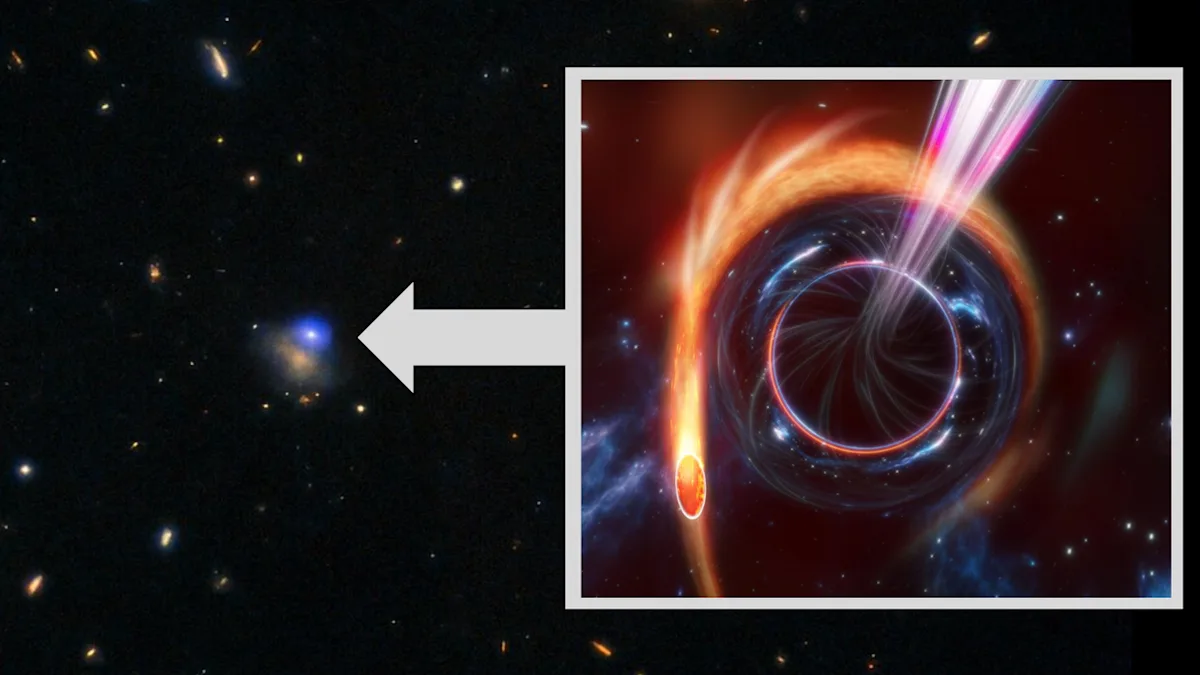
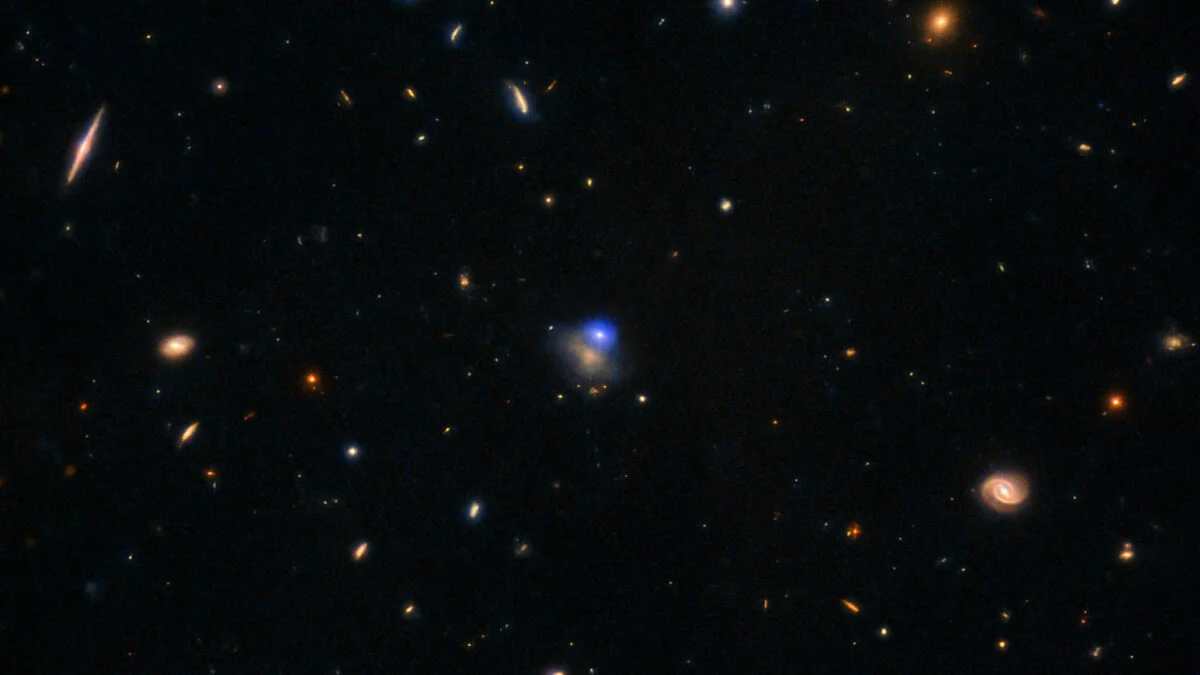
Black Holes Cause Bright Blue Cosmic Flashes, Scientists Confirm

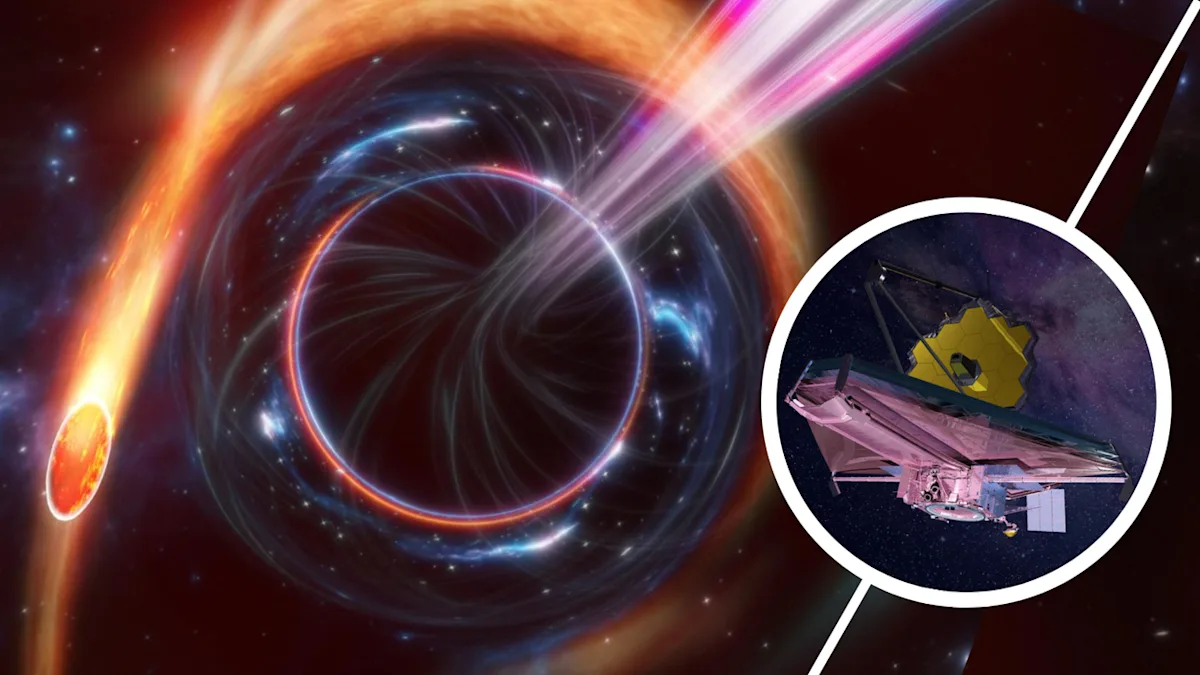
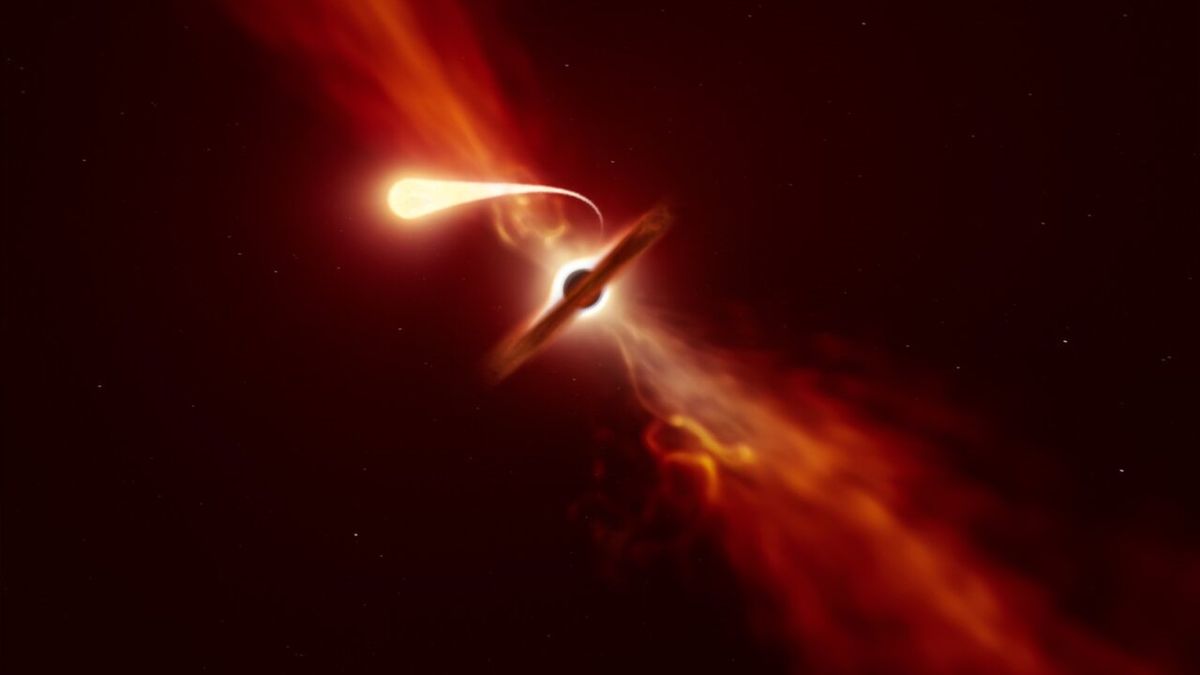
Scientists have identified that the brightest blue cosmic explosions, known as LFBOTs, are caused by black holes shredding stars in extreme Tidal Disruption Events, with the recent discovery of AT 2024wpp providing strong evidence that these events are far more energetic than typical supernovae and involve black holes feeding on companion stars, resulting in powerful high-energy emissions.
science5 months ago

Star Survives Black Hole Encounter and Returns

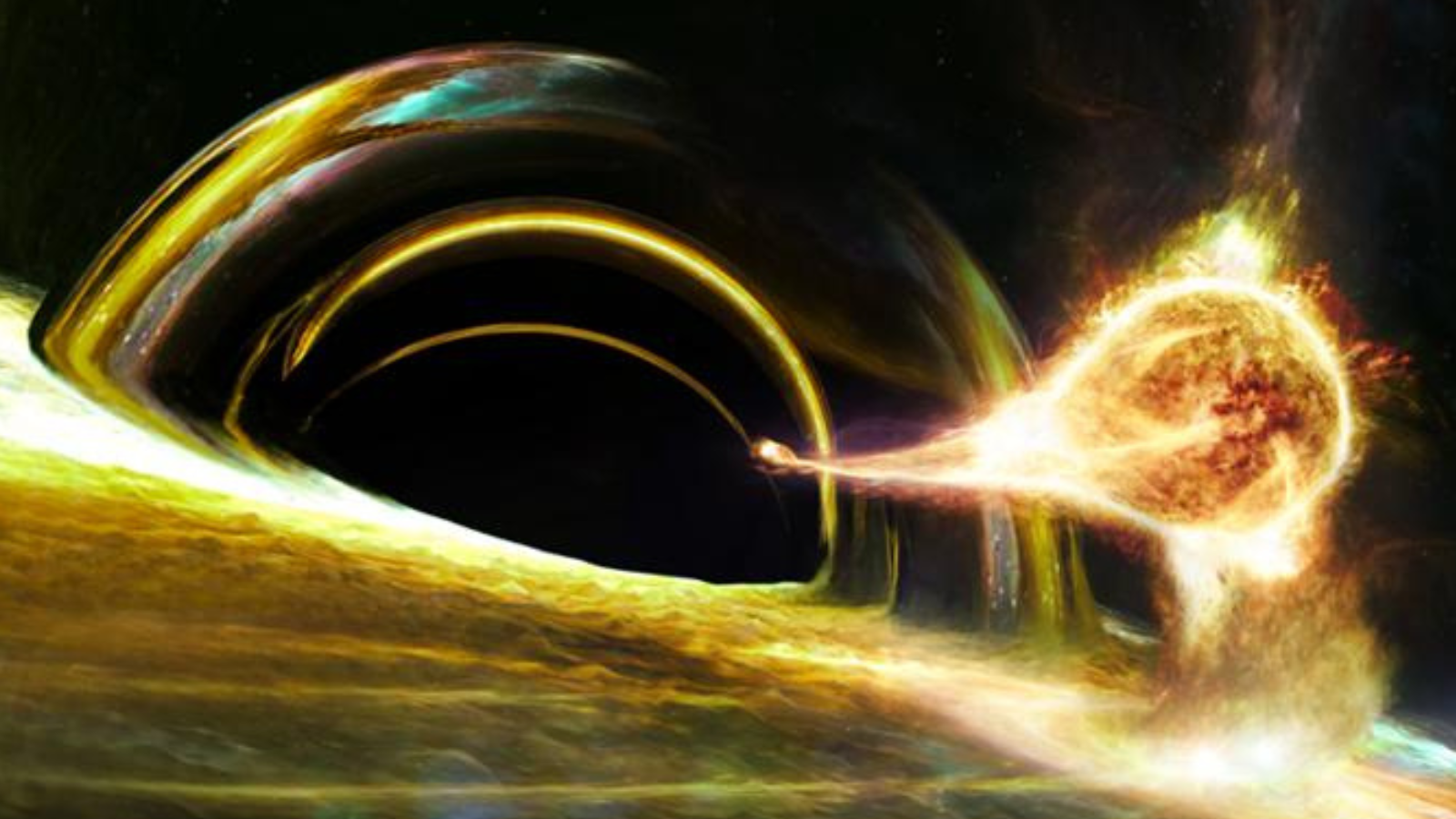
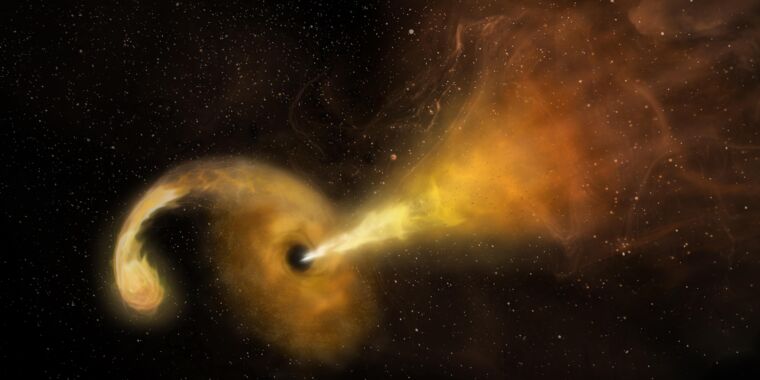
A star has been observed escaping a supermassive black hole and returning for a second encounter, challenging previous understanding of tidal disruption events and suggesting some black holes may partially consume stars rather than fully destroy them. The discovery raises questions about the nature of these flares and whether stars can survive multiple close encounters with black holes, potentially rewriting theories about black hole-star interactions.

science1 year ago

Astronomers Measure Supermassive Black Hole Spinning at Quarter Light Speed

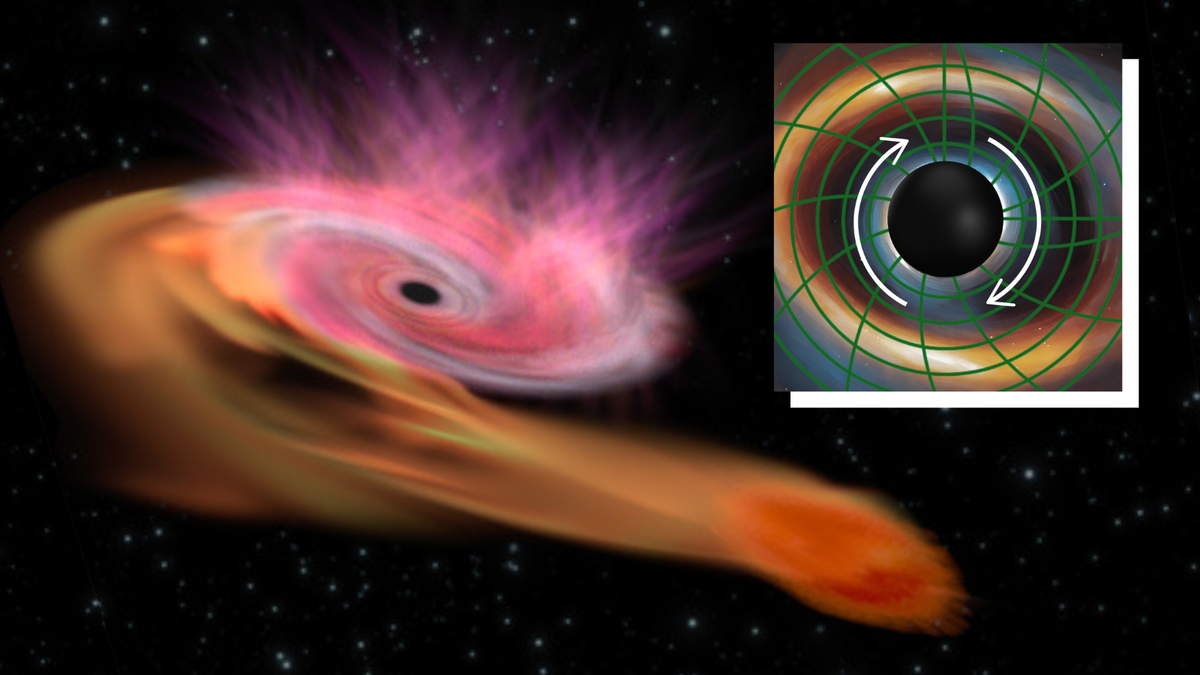
Researchers have discovered that the "wobble" of an accretion disk formed from a star ripped apart by a supermassive black hole can reveal the black hole's spin speed. This wobble, caused by the Lense-Thirring effect, was observed using NASA's NICER X-ray telescope. The findings suggest that the black hole involved in the event was spinning slower than expected, at less than 25% the speed of light. Future observations, particularly with the upcoming Vera C. Rubin Observatory, could provide more insights into the spin distribution and evolution of supermassive black holes.

astronomy1 year ago

"Unraveling the Mystery of Short Supermassive Black Hole Jets"

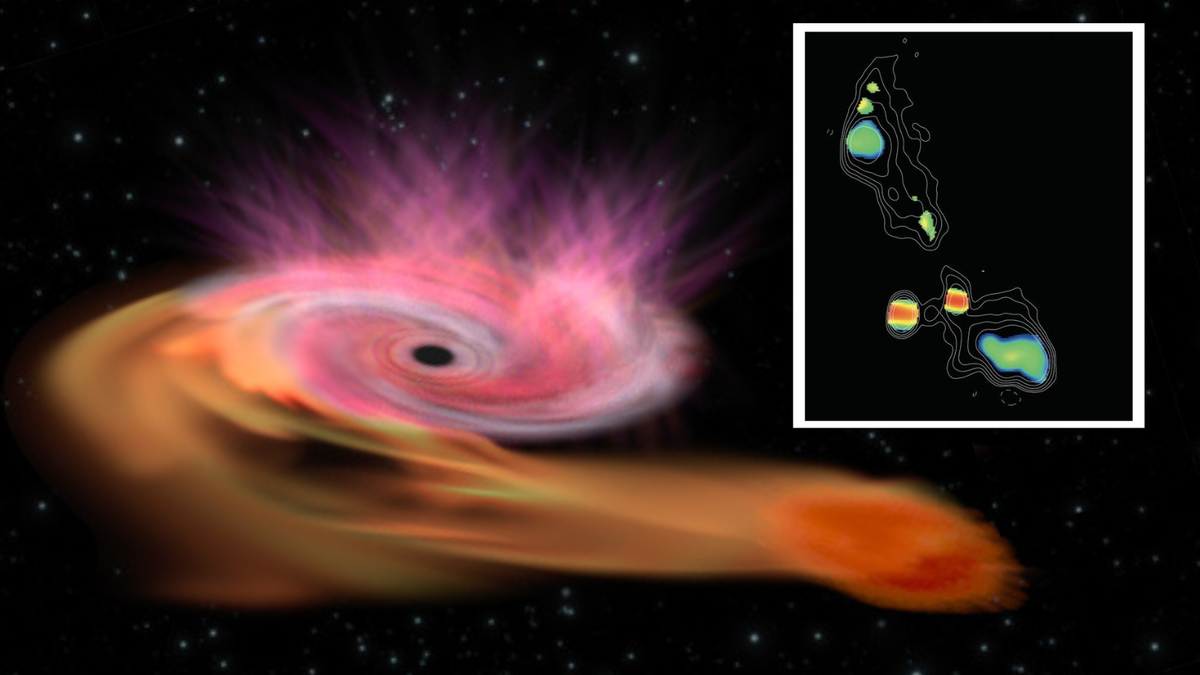
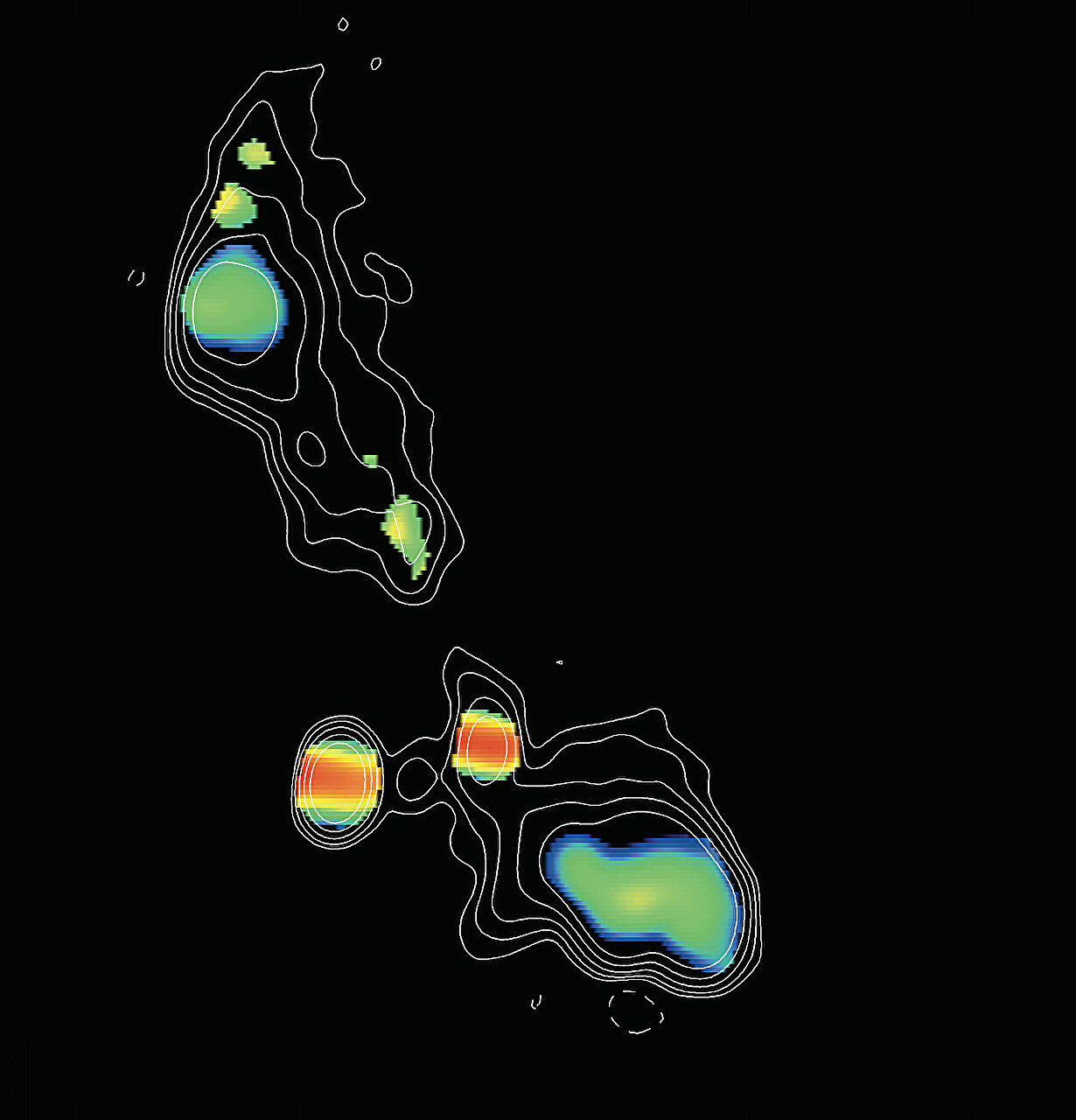
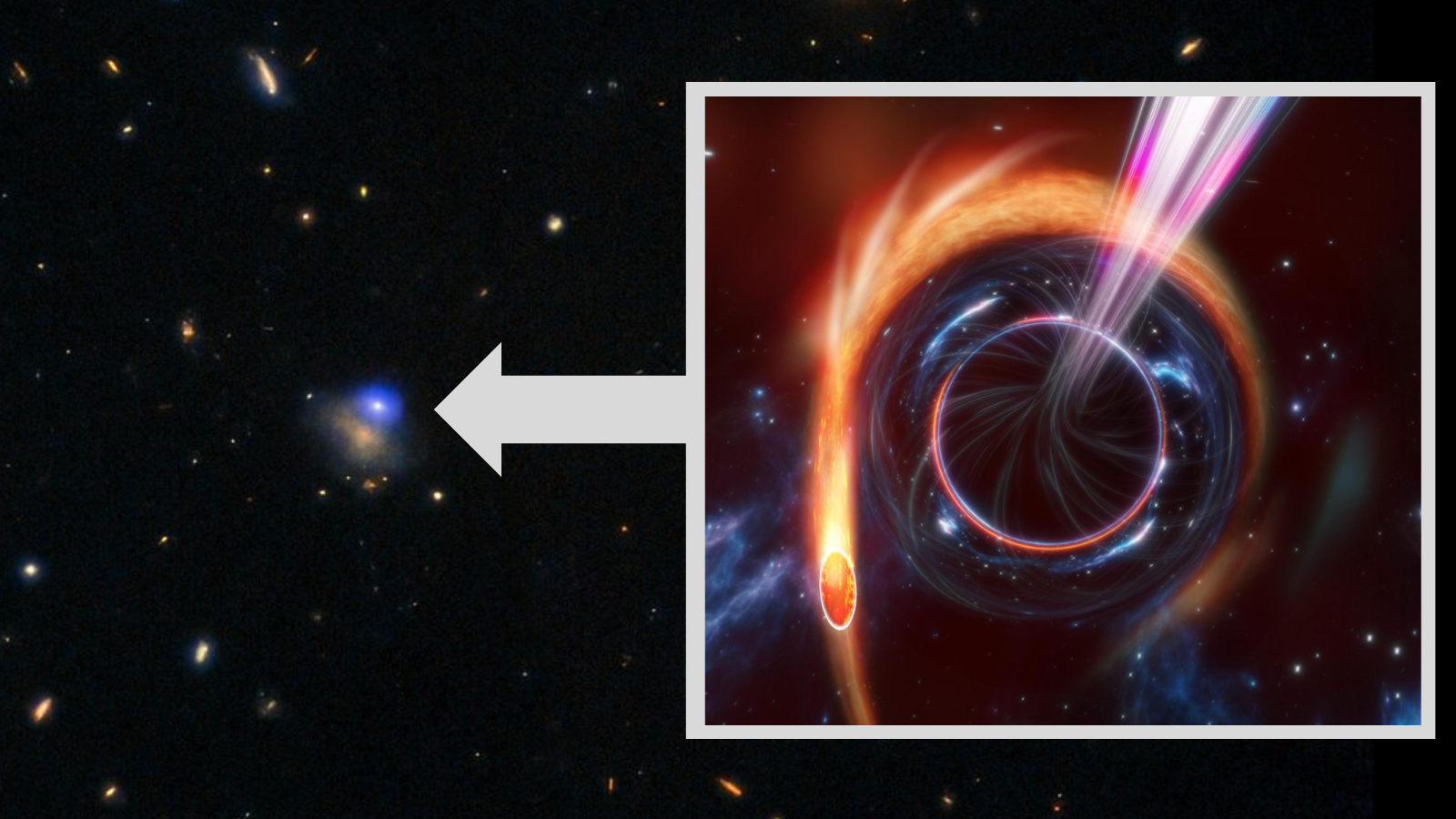
Astronomers have discovered that "Compact Symmetric Objects" (CSOs) are active galaxies with short-lived jets that are the result of supermassive black holes ripping apart massive stars in tidal disruption events (TDEs). These jets have short lifetimes of 5,000 years or less and then fade away. The team also found that only 1% of CSOs will go on to have long-lived events with extended jets. This research provides new insights into the behavior of supermassive black holes and the formation of CSOs, shedding light on a previously overlooked population of galaxies.

astronomy1 year ago

"Shredded Stars Briefly Awaken Sleeping Supermassive Black Holes"

Astronomers have discovered that Compact Symmetric Objects (CSOs), a class of active galaxies hosting supermassive black holes, have relatively short lifespans of thousands of years, unlike other galaxies with longer-lived jets. These jets are likely fueled by tidal disruption events, where a single massive star is shredded by a supermassive black hole, leading to the formation of ultrafast bipolar jets that last up to 5,000 years. The study, led by a Caltech team, identified and verified 64 CSOs, shedding light on a distinct population of galaxies and providing a new avenue for studying interactions between massive stars and supermassive black holes.

astronomy1 year ago

"Discovery: Infrared Reveals Massive Black Hole Feeding Frenzy"

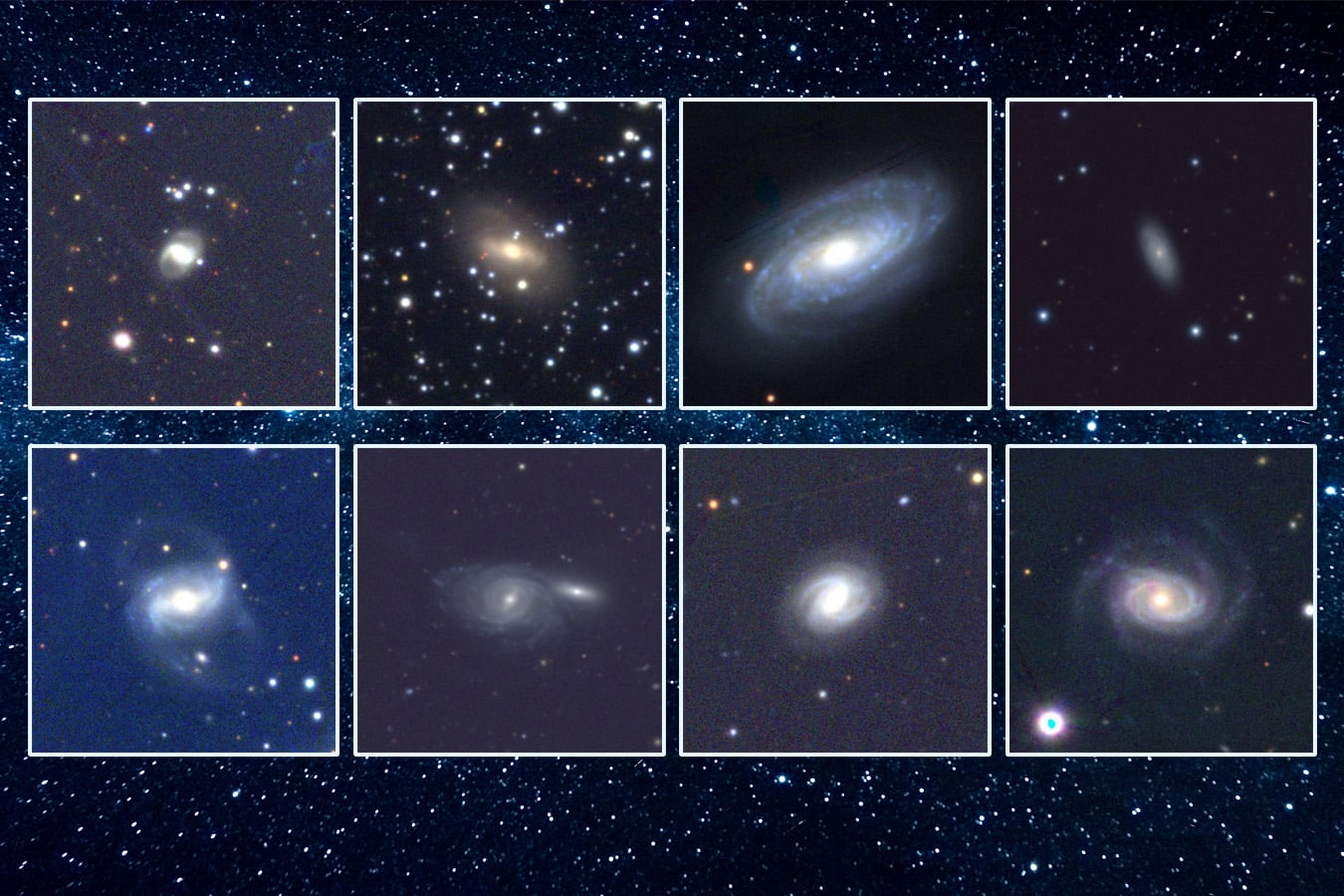
An international team of researchers has discovered 18 previously hidden tidal disruption events (TDEs) where black holes tear apart stars, using infrared observations to penetrate dust-rich galaxies. These events, which were missed by optical and X-ray searches, provide new insights into TDE demographics and suggest that TDEs may be more common than previously thought. The findings also address the "missing energy" question and indicate that future surveys with infrared capabilities could reveal hundreds or even thousands of TDEs annually.

astronomy1 year ago

"Discovery: 18 Black Holes Devouring Stars in Tidal Disruption Events"

Astronomers from MIT have discovered 18 new instances of black holes tearing apart and consuming stars, doubling the known number of such events in the local universe. These Tidal Disruption Events (TDEs) occur when a star gets too close to a black hole, resulting in the star being stretched and torn apart in a process called "spaghettification." The findings suggest that TDEs can occur in a wider range of galaxies than previously thought, and the team used infrared light and an algorithm to identify these events. The research also explains why TDEs were previously thought to occur only in specific types of galaxies and provides insights into the mechanics behind these cosmic phenomena.

astronomy1 year ago

"Discovery: 18 Black Holes Devouring Nearby Stars"

MIT scientists have discovered 18 new tidal disruption events (TDEs) by looking for infrared emissions, doubling the catalog of known TDEs in the universe. By using infrared observations, the team found TDEs in a range of galaxies, resolving previous puzzles and discrepancies in the study of these events. The findings suggest that black holes can devour stars in various types of galaxies and may help estimate the rate at which TDEs occur. This research was supported, in part, by NASA.

astronomy1 year ago

"Discovery: 18 Black Holes Feeding on Nearby Stars"

MIT scientists have discovered 18 new tidal disruption events (TDEs) by using infrared observations, doubling the known TDEs in the nearby universe. These TDEs occur when a nearby star is drawn into a black hole and ripped apart, emitting bursts of energy across the electromagnetic spectrum. By looking in the infrared band, the team found TDEs in a variety of galaxies, resolving previous puzzles and providing a better understanding of how stars are devoured by black holes.

astronomy2 years ago

Unveiling the Source of Intense Light in Supermassive Black Holes

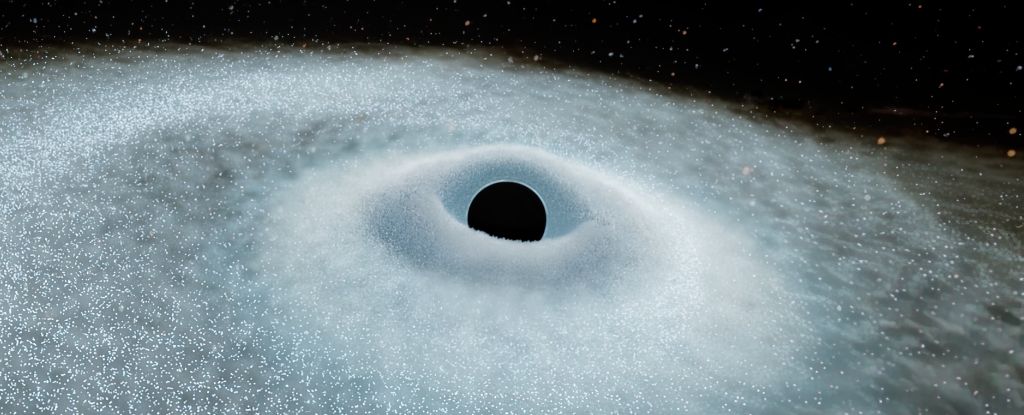
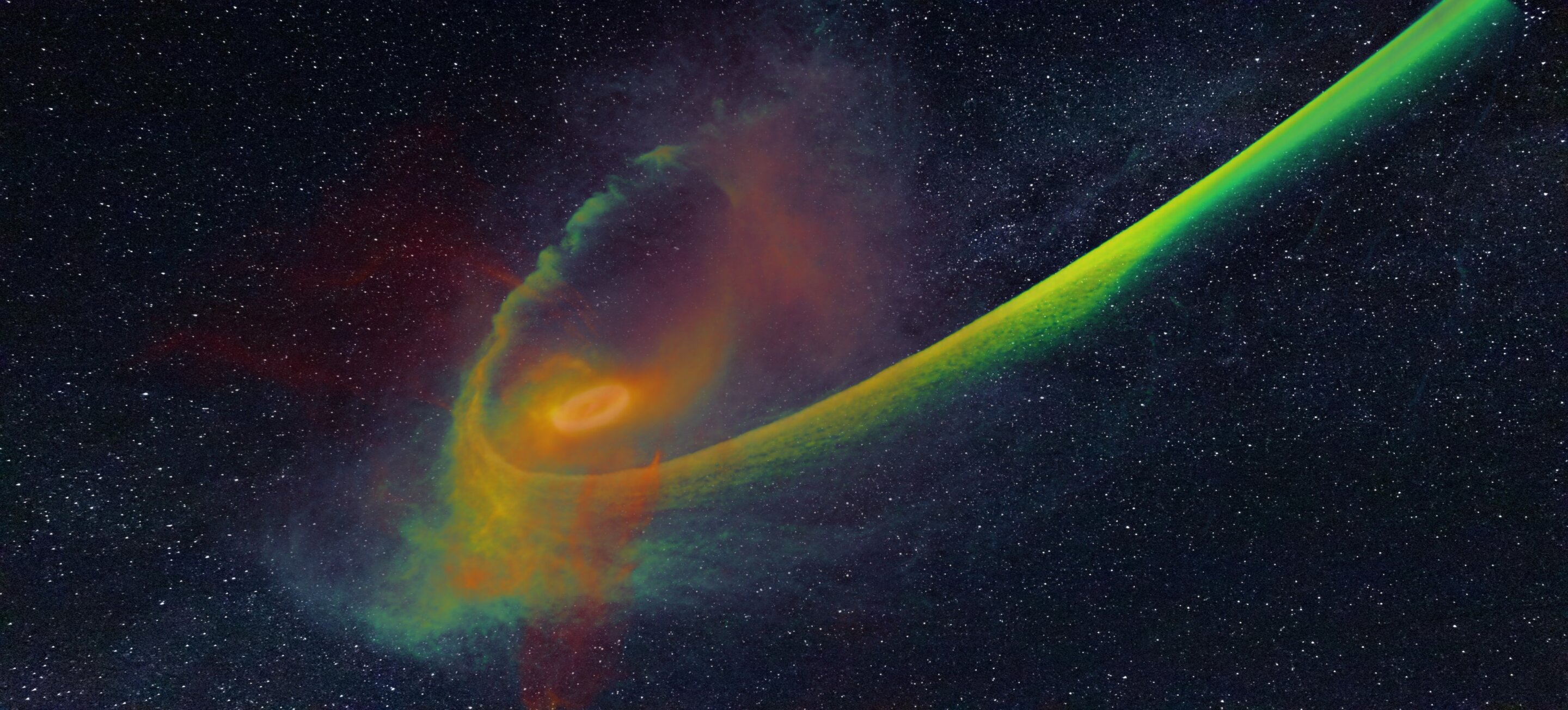
New simulations have accurately replicated the entire sequence of a Tidal Disruption Event (TDE) from stellar disruption to the peak luminosity of the resulting flare, unveiling a previously unknown type of shockwave within TDEs and settling a longstanding debate about the energy source of the brightest phases in these events. This breakthrough paves the way for future studies to utilize TDE observations as a means to measure essential properties of black holes and potentially test Einstein's predictions in extreme gravitational environments, shedding new light on the mysteries of supermassive black holes.