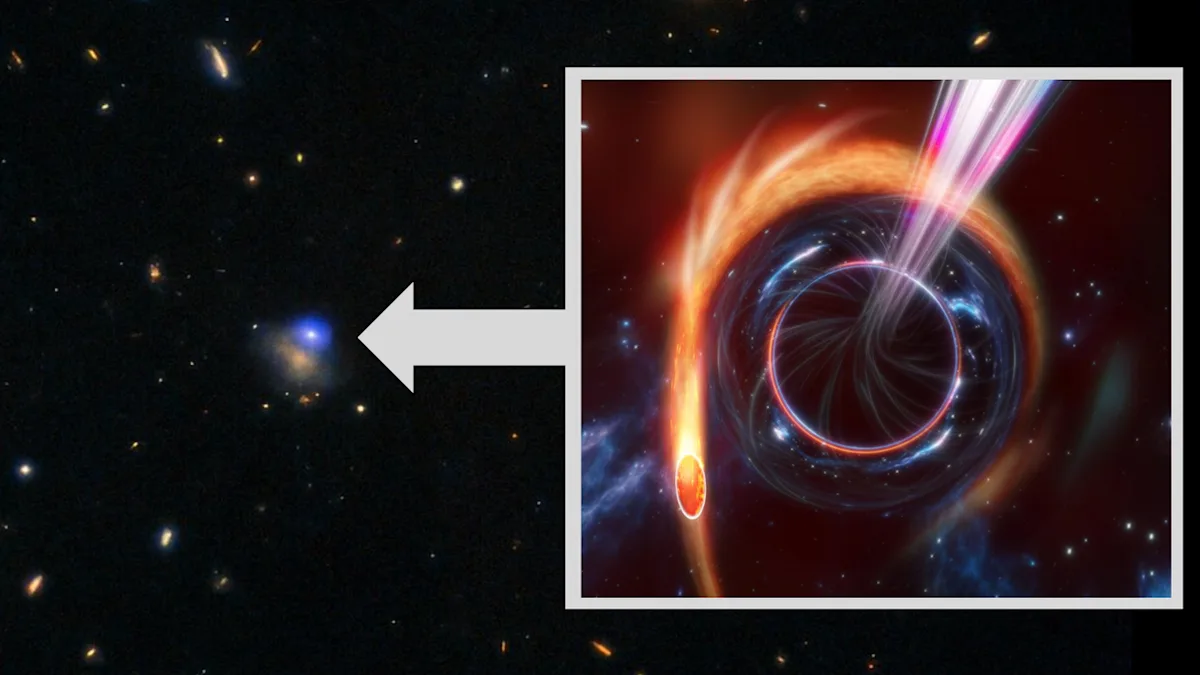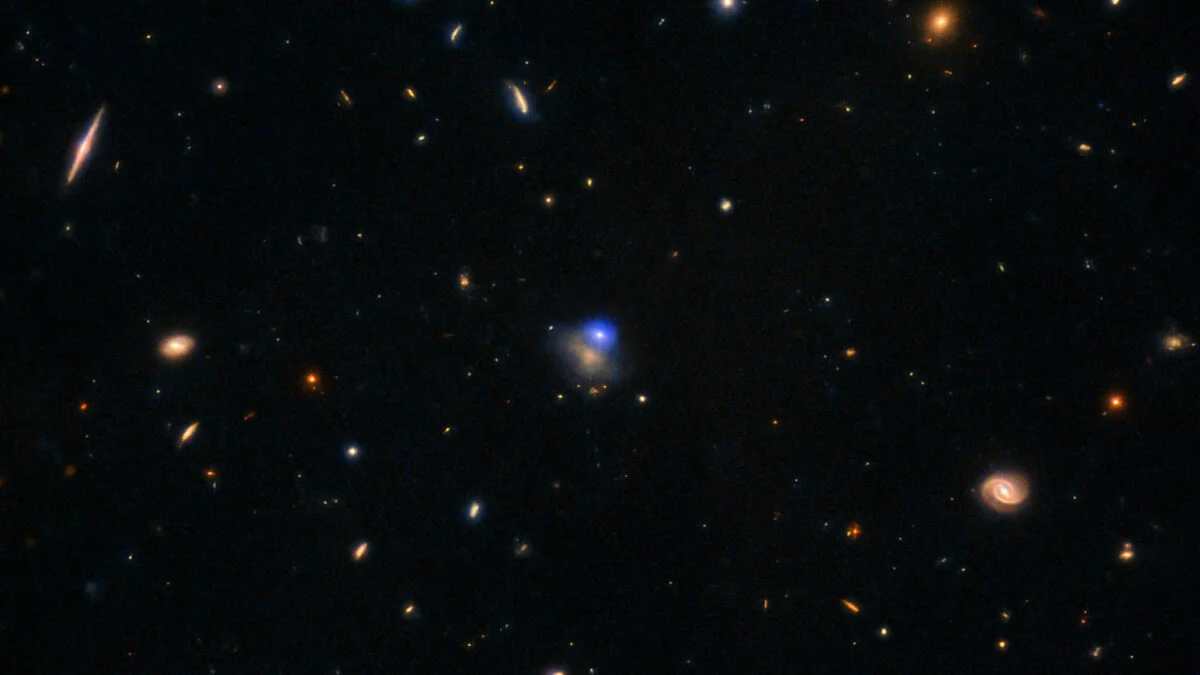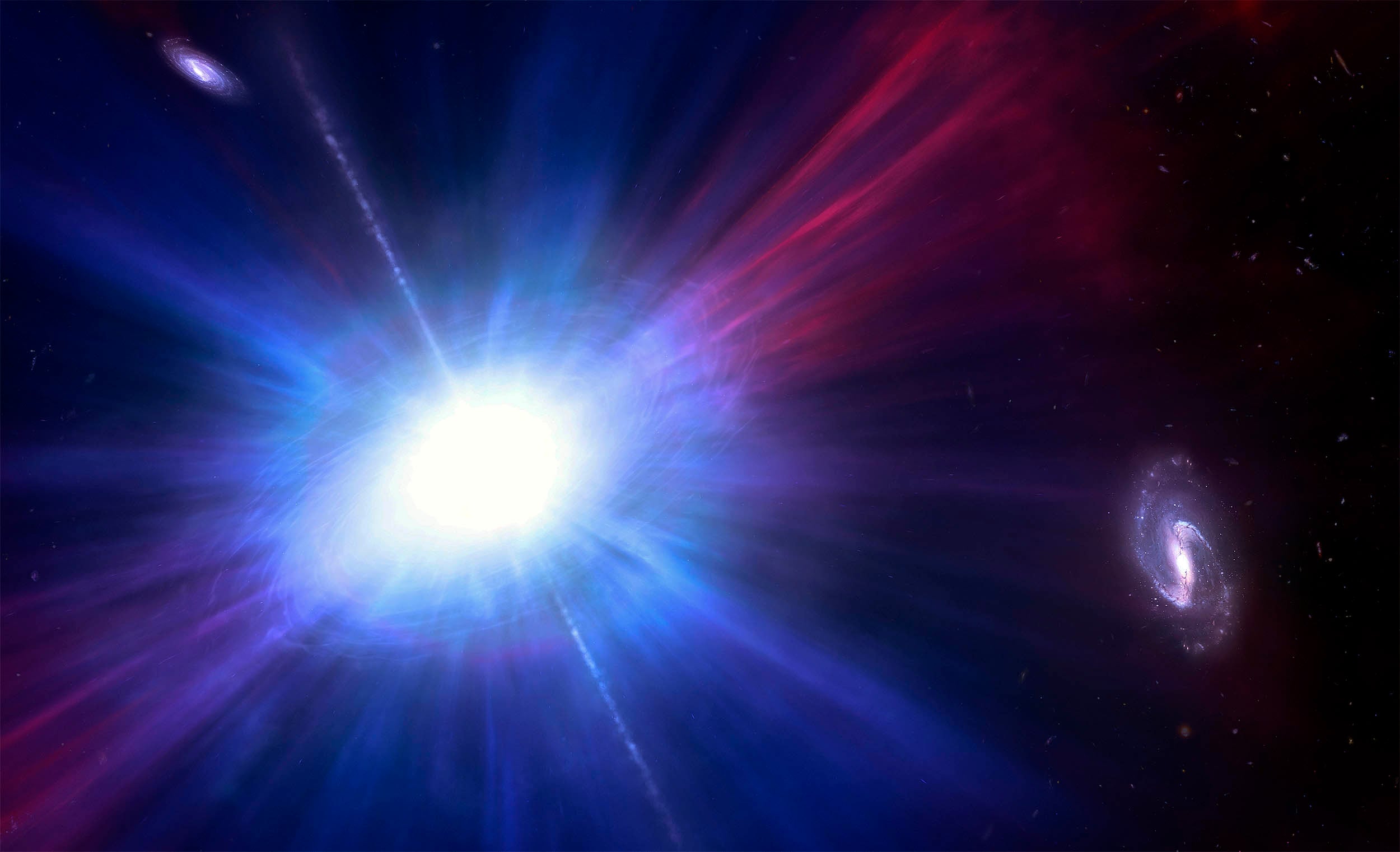
Astronomers have identified that luminous fast blue optical transients (LFBOTs), including the recent bright event AT 2024wpp, are caused by a black hole tearing apart a massive star, rather than traditional supernovae, providing new insights into extreme stellar interactions and black hole formation.
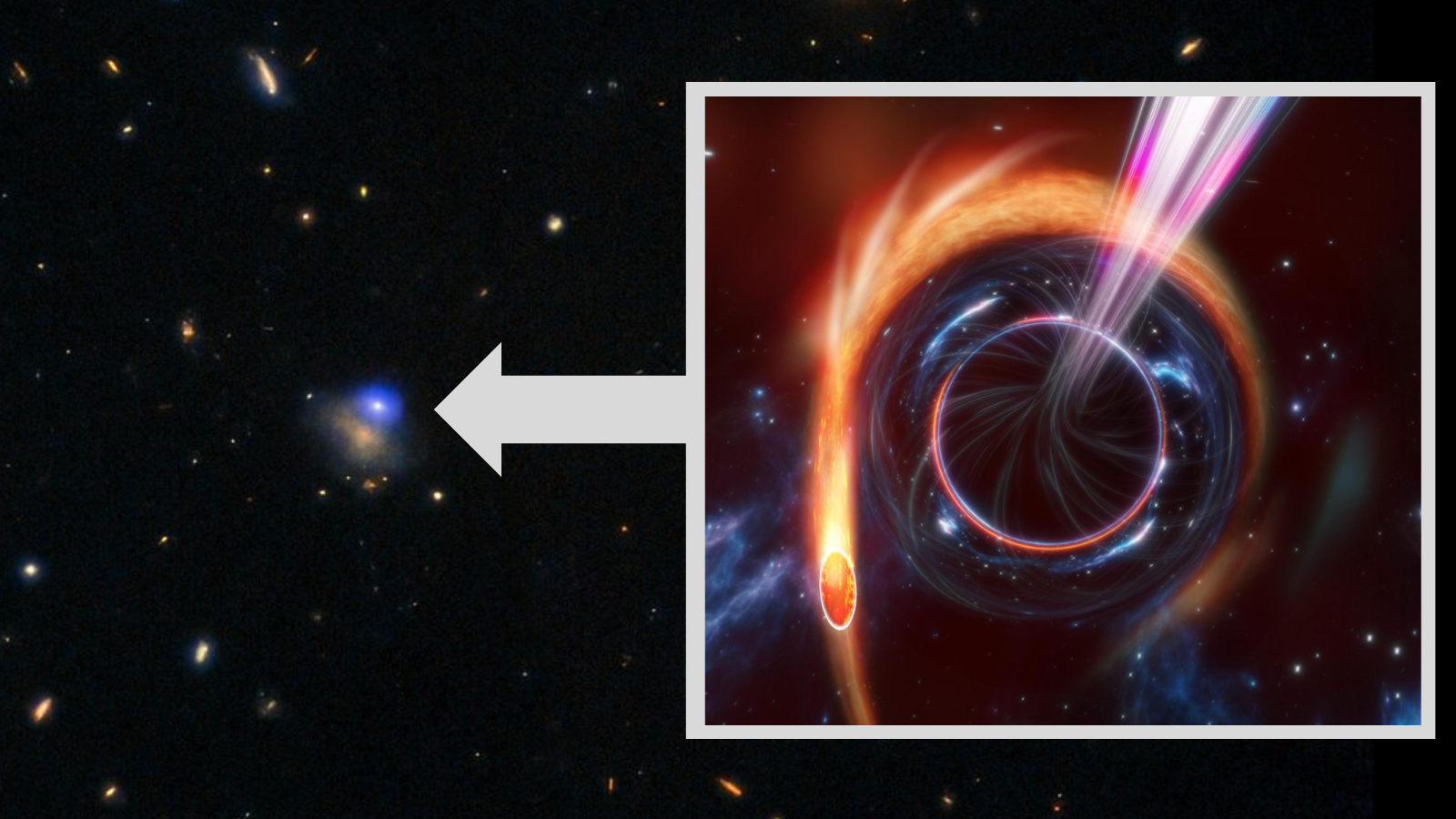
Scientists have identified that the brightest blue cosmic explosions, known as LFBOTs, are caused by black holes shredding stars in extreme Tidal Disruption Events, with the recent discovery of AT 2024wpp providing strong evidence that these events are far more energetic than typical supernovae and involve black holes feeding on companion stars, resulting in powerful high-energy emissions.
Scientists have identified that the brightest blue cosmic explosions, called LFBOTs, are caused by black holes shredding stars in extreme Tidal Disruption Events, with the recent discovery of AT 2024wpp providing key evidence that these events produce energy far exceeding that of typical supernovae.
Astronomers may have identified the origin of luminous fast blue optical transients (LFBOTs), specifically AT 2024wpp, as remnants of a supermassive black hole tearing apart a star, providing new insights into extreme cosmic phenomena and black hole physics.