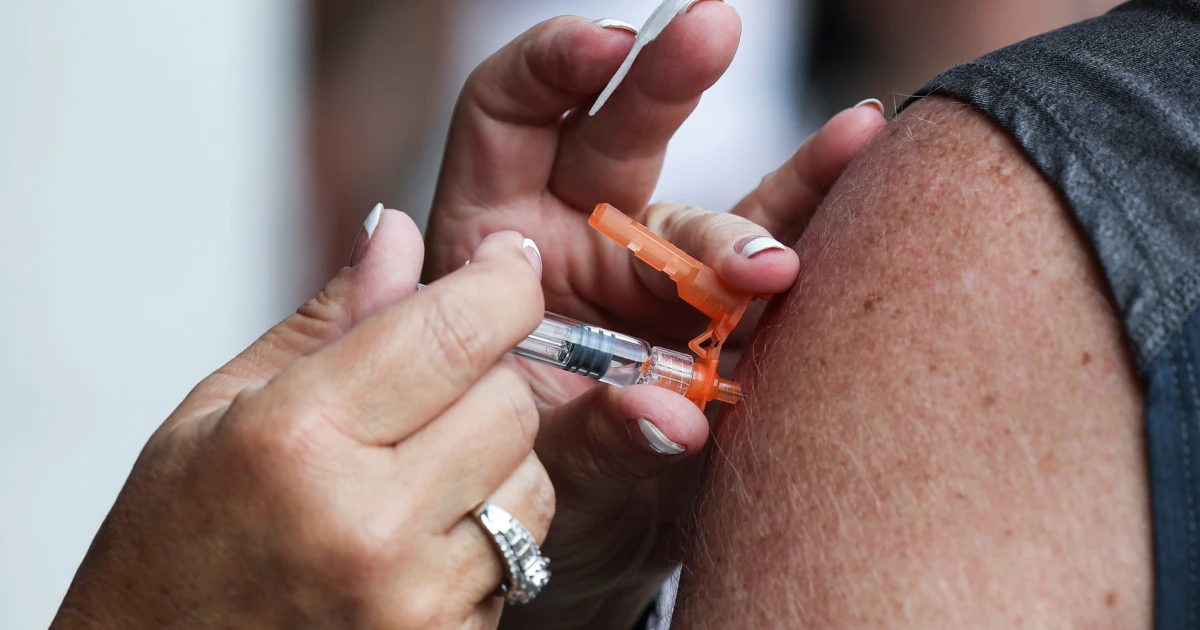
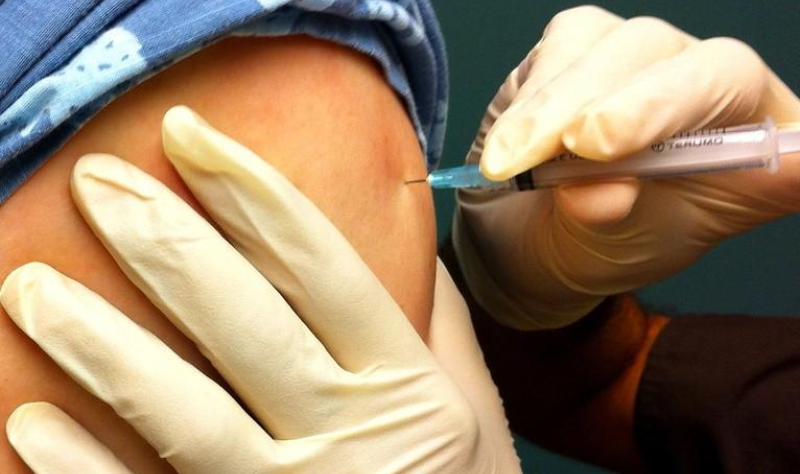
Doctors are concerned about rising tetanus cases due to declining vaccination rates, which are exacerbated by climate change-related natural disasters increasing injury risks. Tetanus, a preventable disease, can cause severe muscle spasms and death, but vaccination costs are low compared to treatment expenses. Recent cases highlight the importance of maintaining vaccination schedules, especially in disaster-prone areas.
New research suggests that adults may not need routine tetanus and diphtheria booster shots if childhood vaccination coverage remains high, potentially saving the U.S. about $1 billion annually, with evidence from the UK supporting long-lasting immunity from childhood vaccines.
Research suggests that US adults may not need routine tetanus and diphtheria booster shots if childhood vaccination coverage remains high, potentially saving billions annually and aligning US guidelines with WHO recommendations, as immunity from childhood vaccines appears to last over 30 years with minimal disease incidence.
New research from Oregon Health & Science University suggests that adults who are vaccinated in childhood may not need tetanus and diphtheria booster shots every 10 years, as immunity could last for 30 years or more, potentially leading to significant cost savings and a revision of current vaccination guidelines.
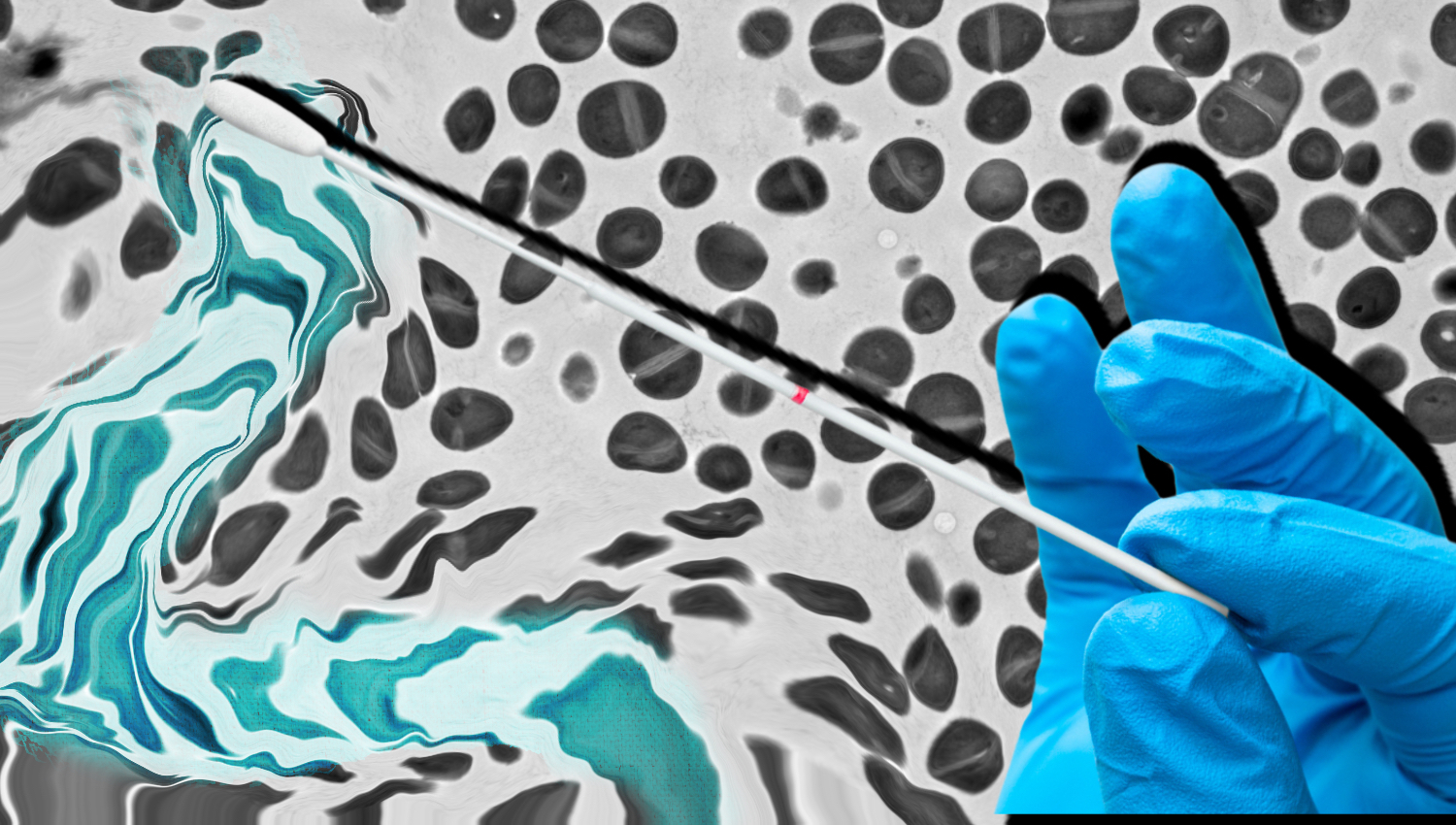
Stanford University scientists have developed a topical vaccine using the skin bacterium Staphylococcus epidermidis, which could replace traditional needle-based vaccinations. This innovative approach, tested in mice, showed that the bacterium can trigger a strong immune response, producing antibodies against diseases like tetanus without causing inflammation or pain. The research suggests potential for a wide range of applications, including protection against viruses and other pathogens, with plans to advance to clinical trials in the near future.
The Wyoming Department of Health's vaccine ad campaign, titled "A Hairy Time," has gained national attention for its darkly humorous approach. Inspired by historical newspaper articles about tetanus-related deaths, the ad features a graveside service where a man died from shaving. The campaign aims to address a decline in vaccine compliancy in Wyoming, partly due to anti-vaccine disinformation and complacency. The ad highlights the importance of vaccines in controlling or eradicating once-common diseases like polio, Hepatitis B, and tetanus. The cinematic ad, funded by federal funding, combines humor and beautiful visuals to engage viewers and promote vaccine awareness.
The increase in Sudden Infant Death Syndrome (SIDS) since the 1970s has led to questions about a possible link to the diphtheria, tetanus, and acellular pertussis (DTAP) vaccine. Specifically, the tetanus component of the vaccine is being examined, as data has raised concerns about why infants are required to take it.