Tag

Temperature Rise

All articles tagged with #temperature rise

science1 year ago

Diminishing Clouds and Darkening Earth Linked to 2023's Record Heat

Recent research suggests that diminishing cloud cover may be contributing to unexpectedly high global temperatures, as less cloud cover allows more sunlight to heat the Earth's surface. This reduction in cloud cover could be linked to global warming, maritime shipping regulations, or unidentified climate feedback loops, indicating that the planet may be warming faster than anticipated. The study highlights the complexity of cloud behavior in climate models and raises concerns about the sensitivity of the climate to human pollution, potentially bringing the world closer to exceeding emission targets.

weather2 years ago

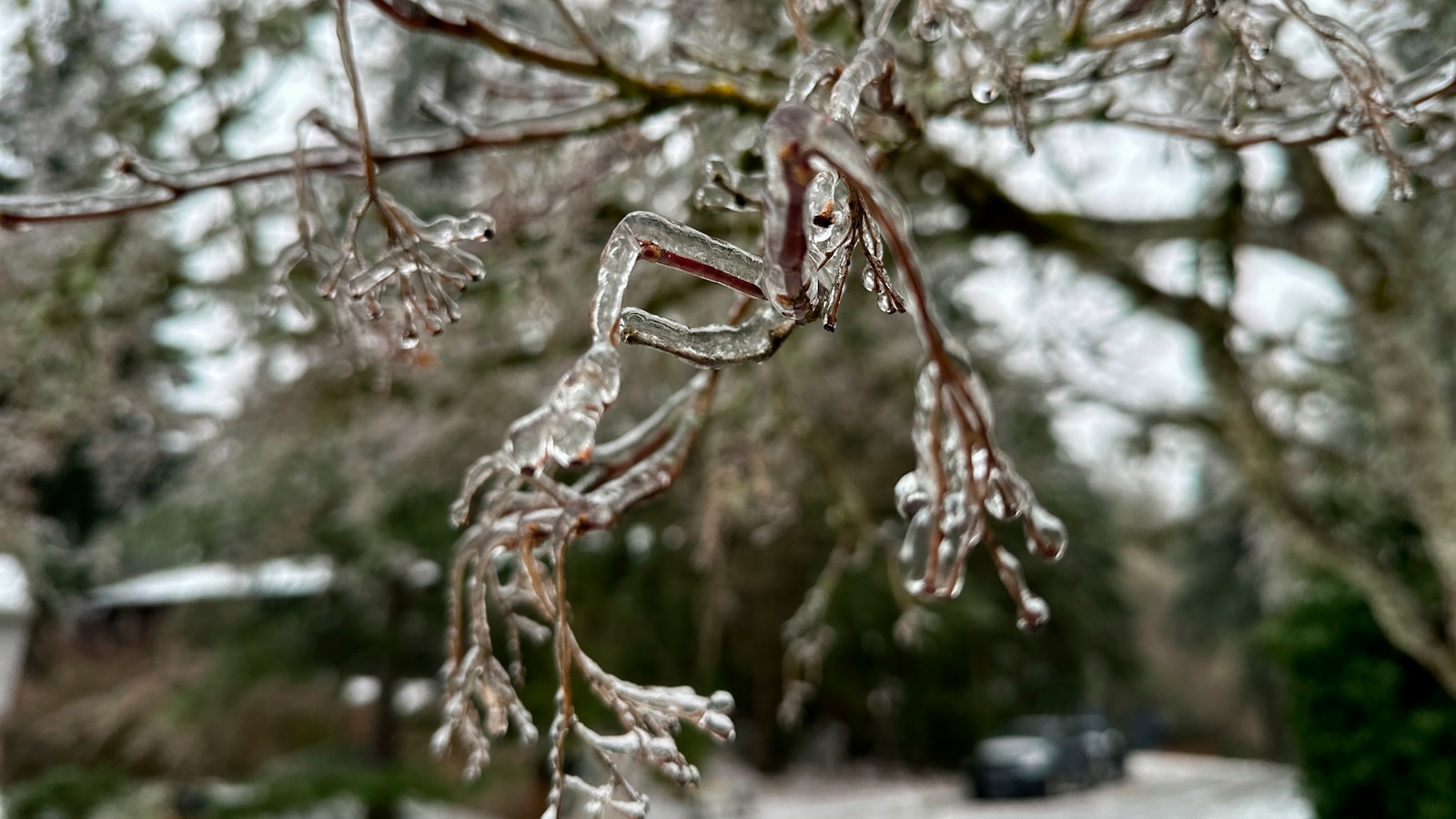
"US Braces for Major Thaw After Ice Storm Hits"

An ice storm is causing travel disruptions in eleven states from Texas to Michigan, with warnings issued in Oklahoma, Arkansas, and Missouri. The storm is forecast to bring freezing rain, sleet, and heavy rain to several interstates, with icy conditions expected to continue into the evening for cities like Chicago, Indianapolis, Detroit, and Cleveland. After the ice storm, heavy rain is expected in the South, potentially leading to flash flooding and severe weather. Meanwhile, the West Coast is bracing for heavy rain and snow, while temperatures are expected to rise well above normal from Kansas to New York as arctic air departs.

weather2 years ago

Rainy Friday Forecast: Showers and Clouds Bring Wet Weather to D.C.-Area

The D.C.-area forecast predicts a temperature rise with partly sunny skies and light winds today, reaching highs in the upper 40s to lower 50s. However, clouds will increase tomorrow, bringing light showers in the afternoon. The rest of the weekend will be mostly cloudy with a chance of showers, but temperatures will remain mild, reaching the upper 50s to lower 60s. Cooler air returns on Monday with clearing skies.

climate-change2 years ago

Midwest's Climate Future: Dry Projections and Changing Patterns

A new federal climate report suggests that dependably snowy winters may be in jeopardy due to climate change. The report projects that rising temperatures will lead to more precipitation falling as rain instead of snow, and the snowpack will stick around for a shorter period of time. This could result in decreased snowfall and snow water volume in areas that rely on it for runoff. The report also indicates that while extreme events with greater precipitation may become more common, overall precipitation totals could still decrease. These changes could disrupt water infrastructure and have implications for water availability and hydropower.

climate-change2 years ago

Climate Crisis Hits America's Poorest Hardest: New Report Reveals Dire Warnings

A new federal climate report warns that dependably snowy winters may be in jeopardy due to climate change. The report projects that rising temperatures will lead to more precipitation falling as rain instead of snow, and the snowpack will stick around for a shorter period of time. This could result in a decrease in overall snow water volume and disrupt water infrastructure and hydropower in the Southwest. While some areas may experience more precipitation, overall precipitation totals could decrease, leading to more extreme events causing flooding over a day or two but fewer normal rainy or snowy days.

environment2 years ago

Unprecedented Marine Heatwave Hits North Atlantic and UK Coastlines

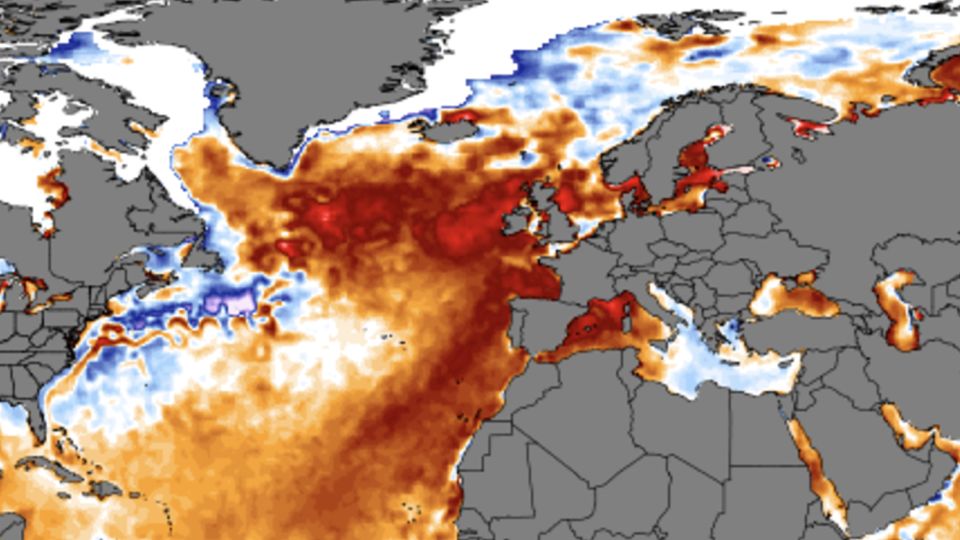
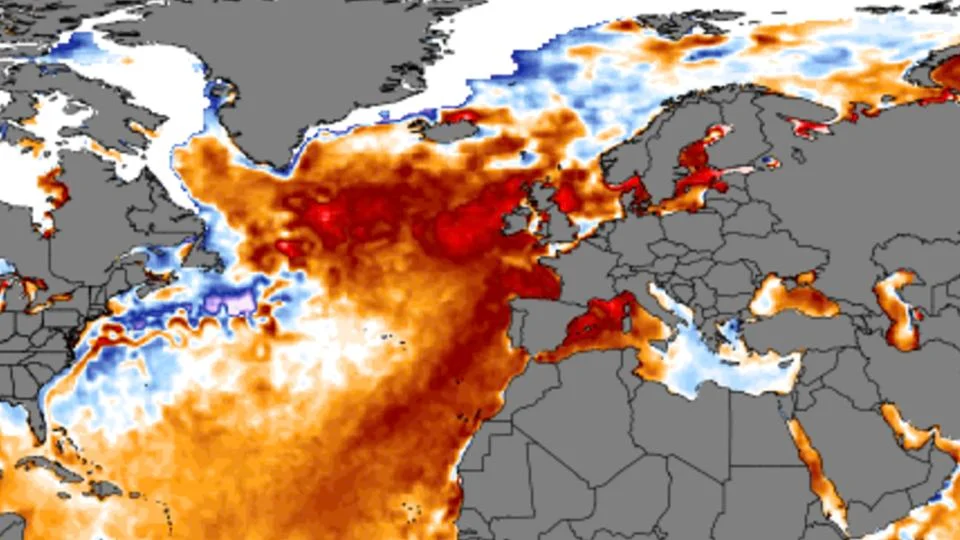
The North Atlantic is experiencing an "exceptional" marine heat wave, with some areas experiencing temperatures up to 5 degrees Celsius hotter than usual. The heat wave is "totally unprecedented" and risks are high for marine species such as fish, coral, and seagrass. Rising ocean temperatures due to human-caused climate change, El Niño, weaker winds, and anti-pollution regulations are among the factors driving the extreme heat. Marine heat waves are set to become more common as climate change intensifies.

environment2 years ago

"Unprecedented Marine Heatwave Hits North Atlantic and UK Coastlines"

The North Atlantic is experiencing an "exceptional" marine heat wave, with some areas experiencing temperatures up to 5 degrees Celsius hotter than usual. The heat wave is "totally unprecedented" and risks are high for marine species such as fish, coral, and seagrass. Rising ocean temperatures due to human-caused climate change, El Niño, weaker winds, and anti-pollution regulations are among the factors driving the extreme heat. Marine heat waves are set to become more common as climate change intensifies.

weather2 years ago

Weather Update: Sunny and Warmer End to Work Week with Gusty Winds Easing.

Gusty winds up to 40 mph eased with sunset after boosting temperatures into the low 80s across the region. Thursday will be largely clear with some haze aloft from wildfires in Canada, and a slight chance of showers overnight. Temperatures should reach the mid-80s for highs, with low humidity and northwest winds around 5 to 10 mph. Smoke from Canada's wildfires may increase over the next few days, but it should stay up high and not cause major concerns locally.

climate-change2 years ago

El Niño brewing as world experiences 529th straight month of above-average heat

March 2023 was the second-warmest month in recorded history, marking the 529th consecutive month of above-average temperatures compared to the 20th century average. NOAA confirmed the findings and also issued an "El Niño Watch," indicating that the chances of the weather pattern forming are more likely than not. While El Niño can boost global temperatures, climate scientists emphasize that the current warming trend is due to global warming caused by human activities. The world's fever is unlikely to break anytime soon.

environment2 years ago

Alarming New Findings on Antarctic Melting and Climate Change

A new study published in the journal Nature shows that parts of a huge ice sheet covering Eurasia retreated up to 2,000 feet per day at the end of the last ice age, far outpacing the fastest-moving glaciers studied in Antarctica. The finding has sparked fears about how quickly ice in Greenland and Antarctica could melt and raise global sea levels in today's warming world. If air and ocean temperatures around Antarctica were to increase as projected, researchers say ice marching backward hundreds of feet in a day could trigger a collapse of modern-day glaciers sooner than previously thought.