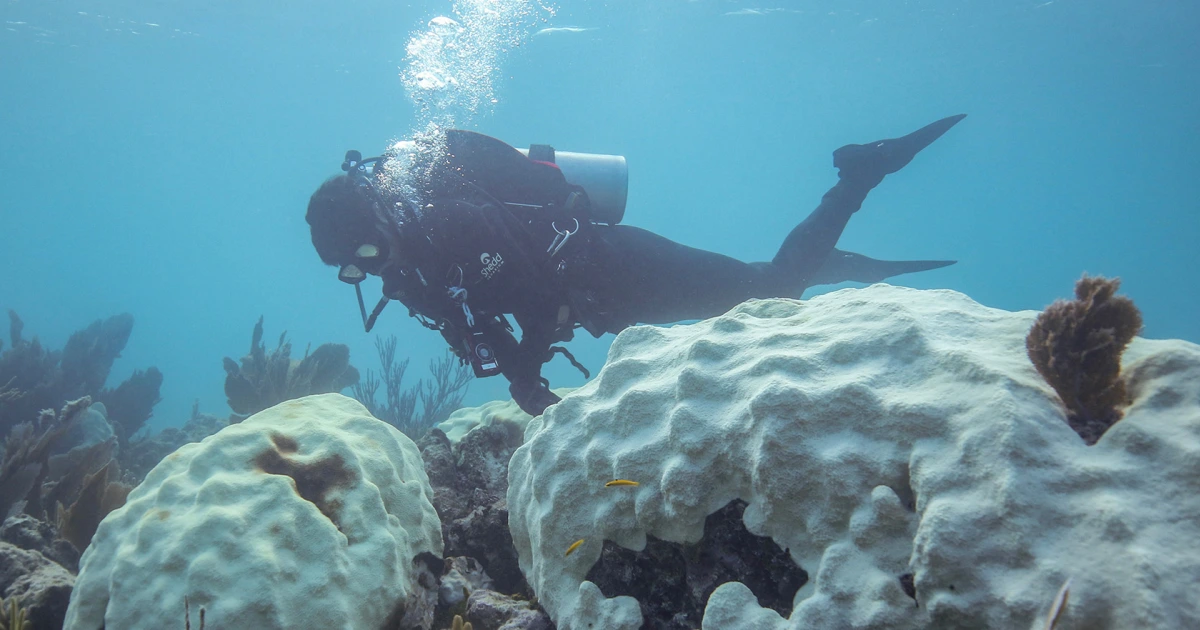
Two key coral species in Florida, elkhorn and staghorn, have been declared 'functionally extinct' due to a severe 2023 marine heat wave caused by climate change, leading to near-total mortality and significant ecological impacts on reef ecosystems and coastal protection.
A record-breaking heat wave in Florida in 2023 has nearly wiped out two key coral species, elkhorn and staghorn, rendering them functionally extinct and causing significant ecological and economic damage, including increased coastal vulnerability and loss of biodiversity, highlighting the urgent need for advanced conservation efforts amid ongoing climate change.
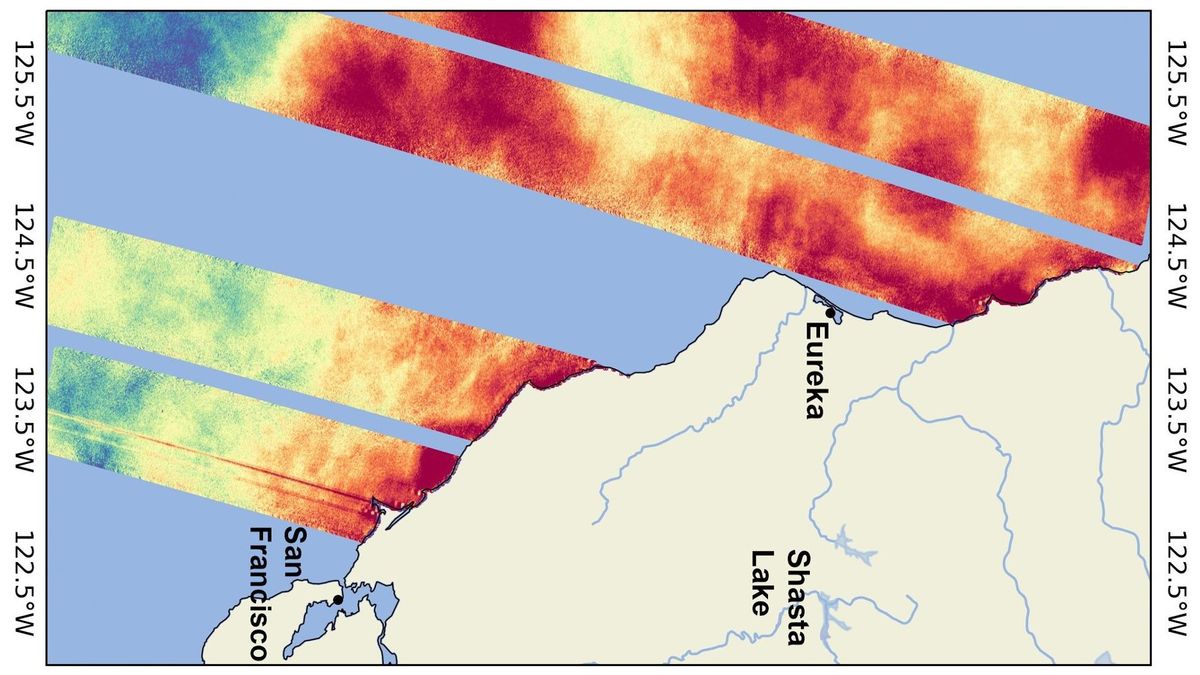
The Surface Water and Ocean Topography (SWOT) satellite has captured a marine heat wave off the coast of California in data from August 2023. This heat wave is a signature of El Niño, a climate cycle that sees the Pacific Ocean warm and the trade winds weaken at irregular intervals. The U.S. National Oceanic and Atmospheric Administration (NOAA) has forecasted a greater than 70% chance for a strong El Niño this coming winter. Scientists can use SWOT data to monitor sea level changes and inform their forecasts and models.
Florida's coral reefs are facing an unprecedented threat as ocean temperatures in the Gulf of Mexico reach the 90s Fahrenheit, posing severe risks to marine life. The concern is not just the current sea surface temperatures, but the fact that it's only July, with August and September typically being the months of highest heat stress for corals. Coral reefs are vital for supporting various species and providing economic benefits, but climate change and marine heat waves have already caused significant damage to reefs worldwide. Scientists are racing to find ways to make corals more resilient, but ultimately, the survival of corals and other species depends on reducing greenhouse gas emissions and addressing the root causes of climate change.
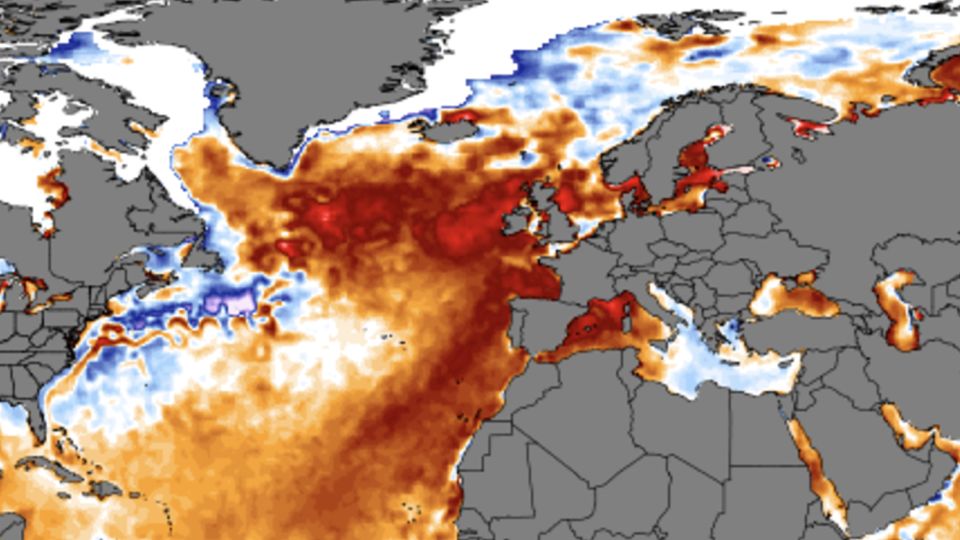
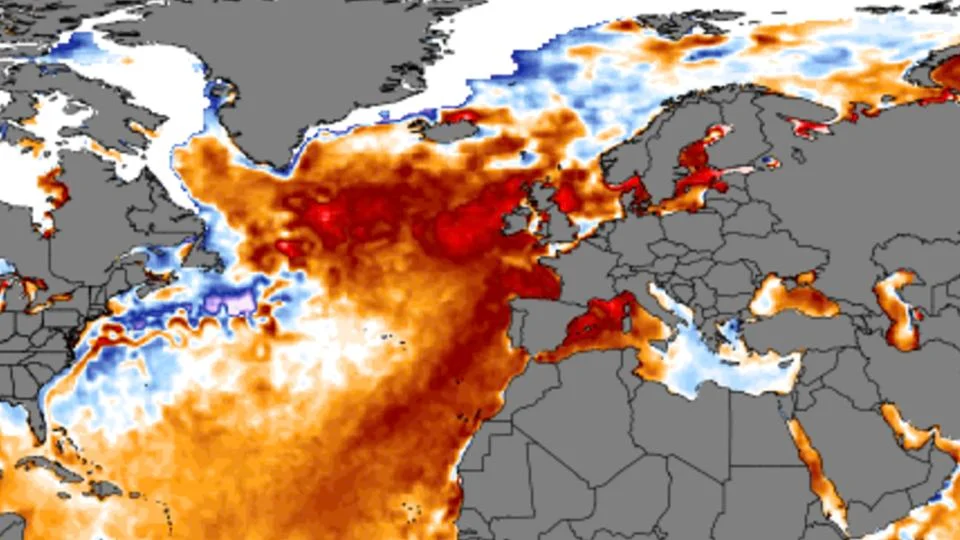
The North Atlantic is experiencing an "exceptional" marine heat wave, with some areas experiencing temperatures up to 5 degrees Celsius hotter than usual. The heat wave is "totally unprecedented" and risks are high for marine species such as fish, coral, and seagrass. Rising ocean temperatures due to human-caused climate change, El Niño, weaker winds, and anti-pollution regulations are among the factors driving the extreme heat. Marine heat waves are set to become more common as climate change intensifies.
The North Atlantic is experiencing an "exceptional" marine heat wave, with some areas experiencing temperatures up to 5 degrees Celsius hotter than usual. The heat wave is "totally unprecedented" and risks are high for marine species such as fish, coral, and seagrass. Rising ocean temperatures due to human-caused climate change, El Niño, weaker winds, and anti-pollution regulations are among the factors driving the extreme heat. Marine heat waves are set to become more common as climate change intensifies.