Chicago is transforming a historic steel mill site into the Illinois Quantum and Microelectronics Park, focusing on quantum computing and advanced water technologies, with community concerns about environmental impact and water use. The project aims to boost regional innovation while addressing environmental sustainability, especially water reuse, amidst local skepticism and environmental justice issues.

Apple has begun developing a 24-inch OLED iMac with higher brightness levels, expected to launch after the M6 MacBook Pro series, with a release possibly around 2027 or 2028, featuring specifications slightly improved over current LCD models.
Intel announced key leadership changes including Kevork Kechichian leading the Data Center Group, Jim Johnson heading Client Computing, Srini Iyengar managing Central Engineering, and Naga Chandrasekaran expanding his role in Foundry Services, while Michelle Johnston Holthaus is departing after over 30 years.
Nvidia is developing a new AI chip specifically for the Chinese market, reflecting its strategic focus on expanding its semiconductor technology in China.
Tesla's stock rose after Elon Musk confirmed the company is dismantling its Dojo supercomputer team, which could be a strategic move that might benefit the company's future prospects.
Daimler Truck is considering exiting manufacturing in China due to a severe global downturn, US tariffs, and declining demand, while aiming to maintain R&D and sourcing access; the company faces challenges from market shifts and Chinese competition, with a decision expected by year's end.
Margaret Mitchell criticizes the pursuit of artificial general intelligence (AGI), calling it a vague and potentially harmful narrative driven by industry hype rather than scientific reality. She emphasizes the importance of centering AI development around human needs and ethical considerations, warning against the risks of privacy loss, societal harm, and the widening economic gap caused by AI advancements. Mitchell advocates for responsible AI focused on augmenting human capabilities rather than replacing them, and urges a more rigorous, people-centered approach to AI innovation.
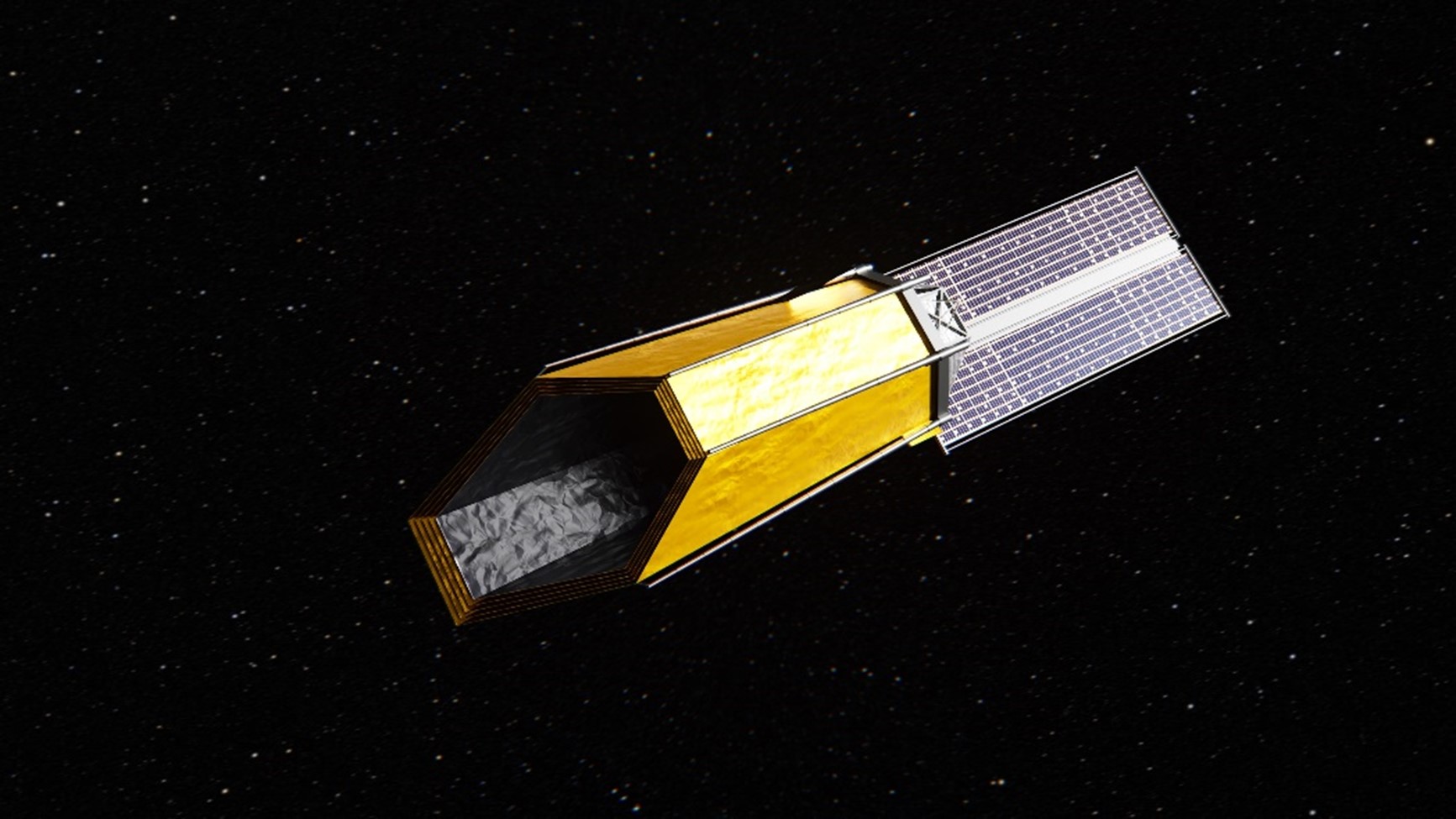
NASA has awarded three industry proposals to advance technologies for the future Habitable Worlds Observatory mission, aimed at directly imaging Earth-like planets and studying their atmospheres for signs of life. The selected projects, with a combined value of $17.5 million, will focus on ultra-stable optical systems, integrated modeling infrastructure, and maturing telescope support technologies. This initiative builds on previous large space telescope technologies and aims to close technology gaps for this ambitious mission.
Tesla's Senior Vice President Drew Baglino has resigned from the company, becoming the latest top executive to depart amidst the carmaker's ongoing job cuts. Baglino, who led engineering and technology development for Tesla's batteries, motors, and energy products, is one of just four named executive officers at the company.
Chicago-based asset manager Gary Brinson donates $100 million to Caltech to establish the Brinson Exploration Hub, aiming to accelerate scientific breakthroughs and new technologies in collaboration with the Jet Propulsion Laboratory. The Hub will prioritize risk-taking and agility, inspired by SpaceX's approach, and fund projects such as studying Venus's seismology and deploying small drones to study Antarctic ice shelves. The gift is expected to generate income for the Hub and foster industry partnerships to drive scientific and societal benefit.
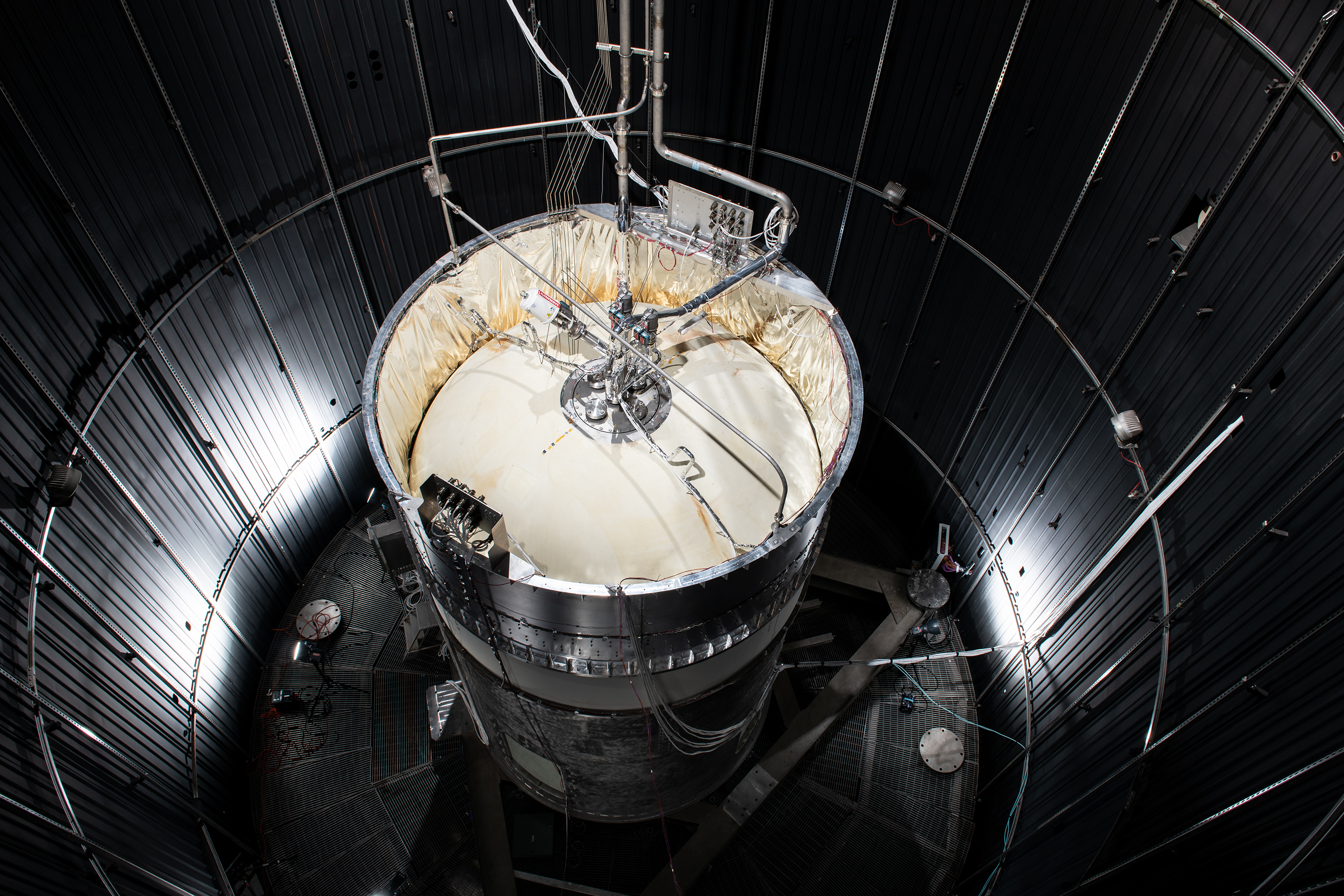
NASA is addressing the challenges of managing cryogenic fluids for sustained space exploration and science missions by developing innovative technologies such as cryocoolers, Radio Frequency Mass Gauges, and a liquefaction system to mitigate boiloff, improve gauging, and advance fluid transfer techniques. These efforts are crucial for the success of future missions to the Moon, Mars, and beyond, as they require storing and transferring large amounts of cryogenic fluids for extended durations.
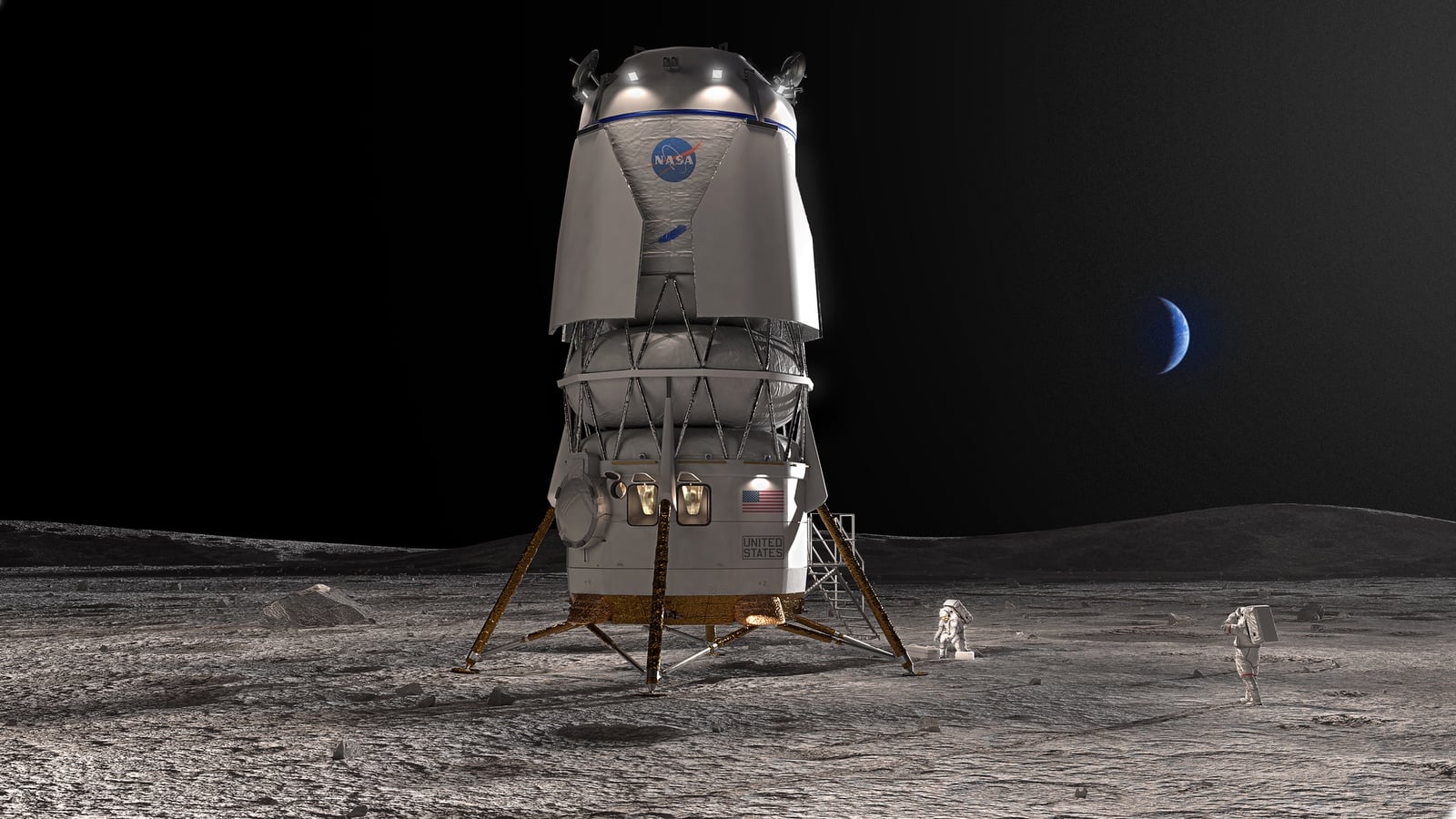
Limited access to data from companies working on cryogenic fluid management technologies is hindering NASA's development of key capabilities needed for moon and Mars exploration. The agency is facing challenges in obtaining the necessary telemetry and data to validate models and understand how these technologies interact with other systems. Data rights restrictions in various agreements with companies are limiting NASA's ability to distribute the data to the broader community. This issue is particularly relevant for the Human Landing System (HLS) contracts, where cryogenic fluid management is crucial for transporting astronauts to and from the lunar surface. SpaceX's Starship lunar lander effort also requires advancements in cryogenic fluid management for propellant transfer and management.
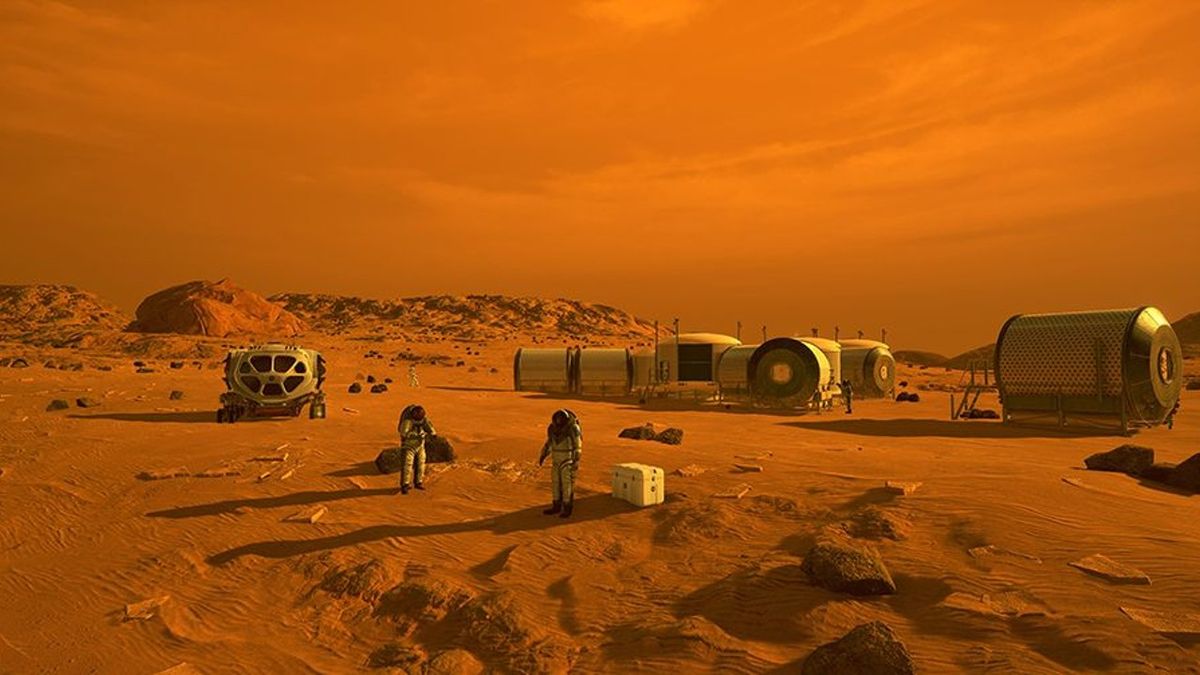
The Mars Society has announced plans to establish the Mars Technology Institute (MTI), a non-profit organization focused on developing the necessary technologies for human settlement on Mars. The institute will prioritize biotech, including genetic engineering and microbial food production, to address the challenges of labor, agriculture, and energy on the Red Planet. The MTI aims to secure funding through tax-deductible donations and investments, and it may license technologies developed by the institute to spin off into separate companies. The Mars Society is currently soliciting donations for the establishment of the MTI.
NASA is in the early planning stages for its next flagship space telescope, the Habitable Worlds Observatory (HWO), which aims to study exoplanets, stars, and galaxies for signs of life. The telescope will utilize advanced technologies such as coronagraphs and starshades to block out starlight and analyze exoplanet atmospheres. The Technical Assessment Group (TAG) for HWO, consisting of 56 experts, will focus on developing the necessary technologies and design requirements for the mission. The HWO is expected to launch in the late 2030s or early 2040s.
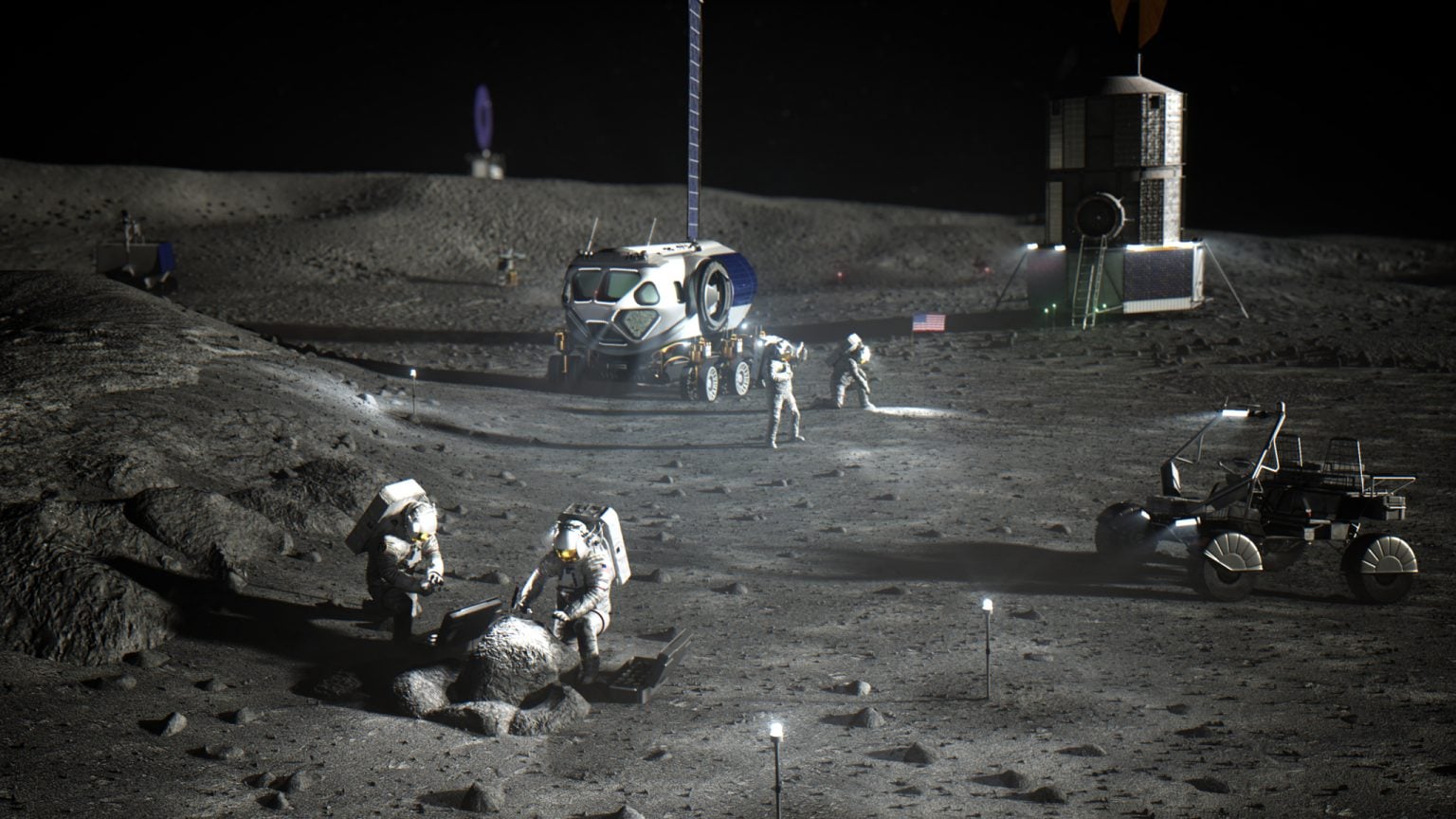
The Defense Advanced Research Projects Agency (DARPA) has launched the LunA-10 project, a 10-year study to develop an analytical framework for integrated lunar infrastructure. DARPA is seeking ideas from potential developers and users of lunar power, communications, navigation, and other infrastructure. The agency plans to select a group to work together on new integrated system-level solutions that will be commercially available by 2035. The study will define a commercial end state for lunar infrastructure in 10 years and will focus on both technology and economics. DARPA is coordinating with NASA on this effort, which is complementary to NASA's architecture studies. The study aims to identify technology that could have national security applications and is grounded in the peaceful use of outer space. Abstracts are due by September 6, and the final report is expected in June 2024.