Tesla's Dojo Disbandment Signals Shift in AI Strategy
Tesla's stock rose after Elon Musk confirmed the company is dismantling its Dojo supercomputer team, which could be a strategic move that might benefit the company's future prospects.

All articles tagged with #dojo supercomputer
Tesla's stock rose after Elon Musk confirmed the company is dismantling its Dojo supercomputer team, which could be a strategic move that might benefit the company's future prospects.
Tesla is discontinuing its Dojo supercomputer project and shifting its focus to developing inference chips in partnership with Samsung, as Elon Musk emphasizes real-time AI decision-making for its self-driving systems and humanoid robots. The move involves disbanding the Dojo team, reallocating staff, and prioritizing AI chips like AI5 and AI6 for future vehicle and robot applications. Tesla's stock has seen modest gains amid these strategic changes and broader market fluctuations.
Tesla is streamlining its AI chip research to focus on inference chips for real-time AI decision-making, disbanding the Dojo supercomputer team, and concentrating efforts on AI5, AI6, and future chips, as part of its broader AI and robotics strategy.
Tesla's head of Dojo hardware, Ganesh Venkataramanan, has left the company, possibly due to issues with the next generation of the supercomputer. Venkataramanan was responsible for the development of Tesla's self-driving chips and later oversaw the Dojo supercomputer hardware. Rumors suggest that the second-generation "Dojo 2" chip is not meeting expectations. This departure raises concerns about Tesla's progress in achieving Elon Musk's self-driving promises, as the Dojo program was a key component for accelerating advancements in autonomous driving.
Ganesh Venkataramanan, the project lead for Tesla's Dojo supercomputer, has left the company, dealing a blow to the automaker's self-driving technology efforts. Venkataramanan, who had been leading the Dojo project for the past five years, departed last month, and Peter Bannon, a former Apple executive and Tesla director, is now leading the project. Dojo is a Tesla-designed supercomputer aimed at training the machine learning models behind the company's self-driving systems. The departure of Venkataramanan and another member of the team poses challenges to the expensive and technologically advanced project, which Tesla plans to invest over $1 billion in by the end of 2024.
Ganesh Venkataramanan, the lead of Tesla's Dojo supercomputer project, has left the company after overseeing the project for the past five years. Former Apple executive Peter Bannon is now leading the effort. Tesla aims to spend "well over" $1 billion on Dojo to enhance its autonomous driving capabilities.
Tesla stock surged 10% after Morgan Stanley upgraded it to "Overweight" and highlighted the potential of its Dojo supercomputer, which could add $500 billion to Tesla's market value. The bank sees Dojo as a catalyst for improving Tesla's full-self driving technology, leading to higher-margin revenues. Analysts estimate that Dojo could drive $6.5 billion in cost savings for Tesla and accelerate the development of autonomous driving capabilities. Additionally, the supercomputer could support other projects, such as Tesla's humanoid robot, and contribute to Elon Musk's broader scientific and commercial interests. If Tesla reaches Morgan Stanley's $400 price target, its valuation would be nearly $1.3 trillion.
Tesla's Dojo supercomputer could potentially boost the company's market value by $500 billion, according to analysts at Morgan Stanley. The prediction led to a more than 6% increase in Tesla's shares. The analysts believe that Dojo could unlock new revenue streams through the wider adoption of robotaxis and software services, similar to how Amazon Web Services propelled Amazon's profitability. They see Tesla's software and services revenue as the biggest value driver going forward. Dojo is designed to train AI systems for tasks like assisting Tesla's Autopilot and advancing its "Full Self-Driving" efforts. The analysts also highlighted the upcoming release of Tesla's full self-driving system and the next AI day as events to watch.
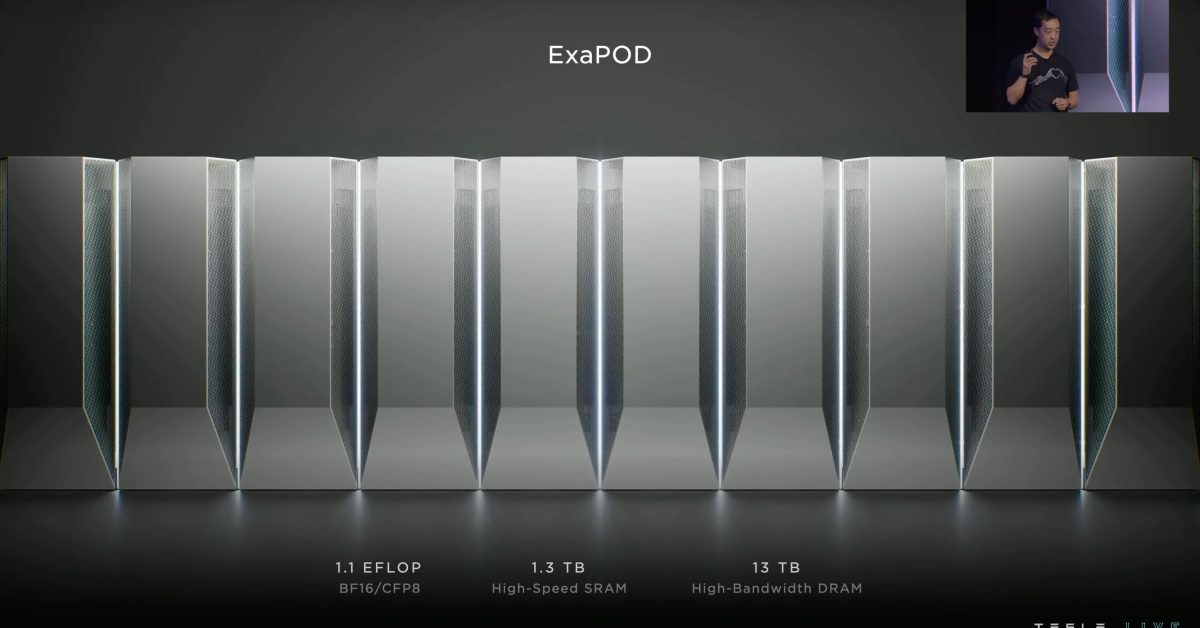
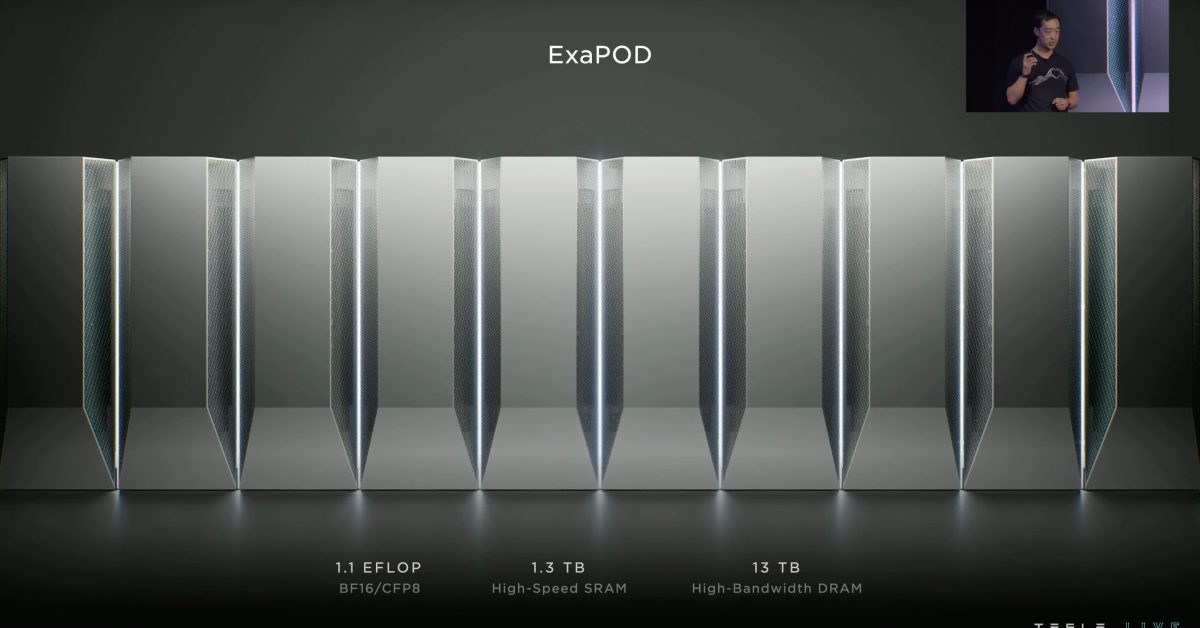
Tesla's stock is surging after Morgan Stanley released an optimistic report on the automaker's Dojo supercomputer. Dojo is Tesla's custom-built supercomputer platform designed for AI machine learning and video training for self-driving technology. The report suggests that Dojo could add $500 billion in value to Tesla and gives the company an advantage in the $10 trillion autonomous car market. As a result, Morgan Stanley raised its price target on Tesla's stock from $250 to $400.
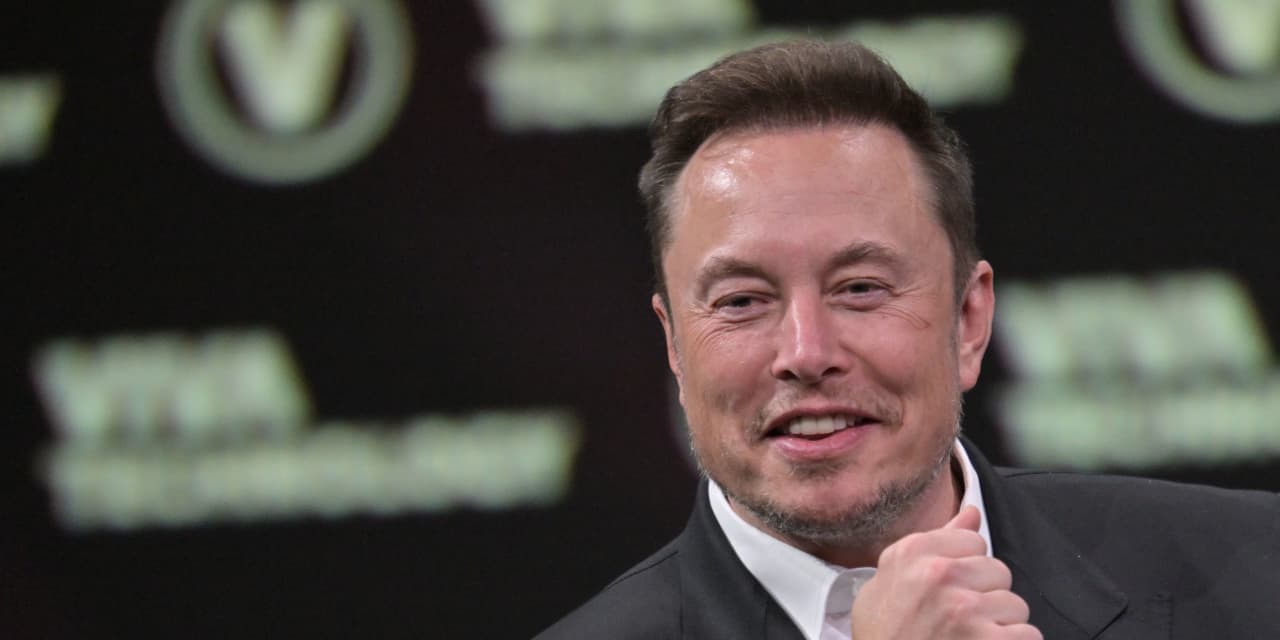
Tesla CEO Elon Musk announced that the company will invest "well over" $1 billion in building an in-house supercomputer called Project Dojo by the end of 2024. Dojo will be used to process data and video to enhance Tesla's autonomous driving capabilities, with the aim of achieving full autonomy. Musk emphasized the importance of training the neural net with data from millions of vehicles, stating that more training data leads to better results.