Nvidia is set to resume sales of its advanced H200 GPUs to Chinese customers starting February 2026, which could significantly boost its revenue and earnings, leading to a potential 36% stock increase and a 60% rise in earnings per share in 2026, supported by renewed access to the Chinese market and increased demand for AI chips.
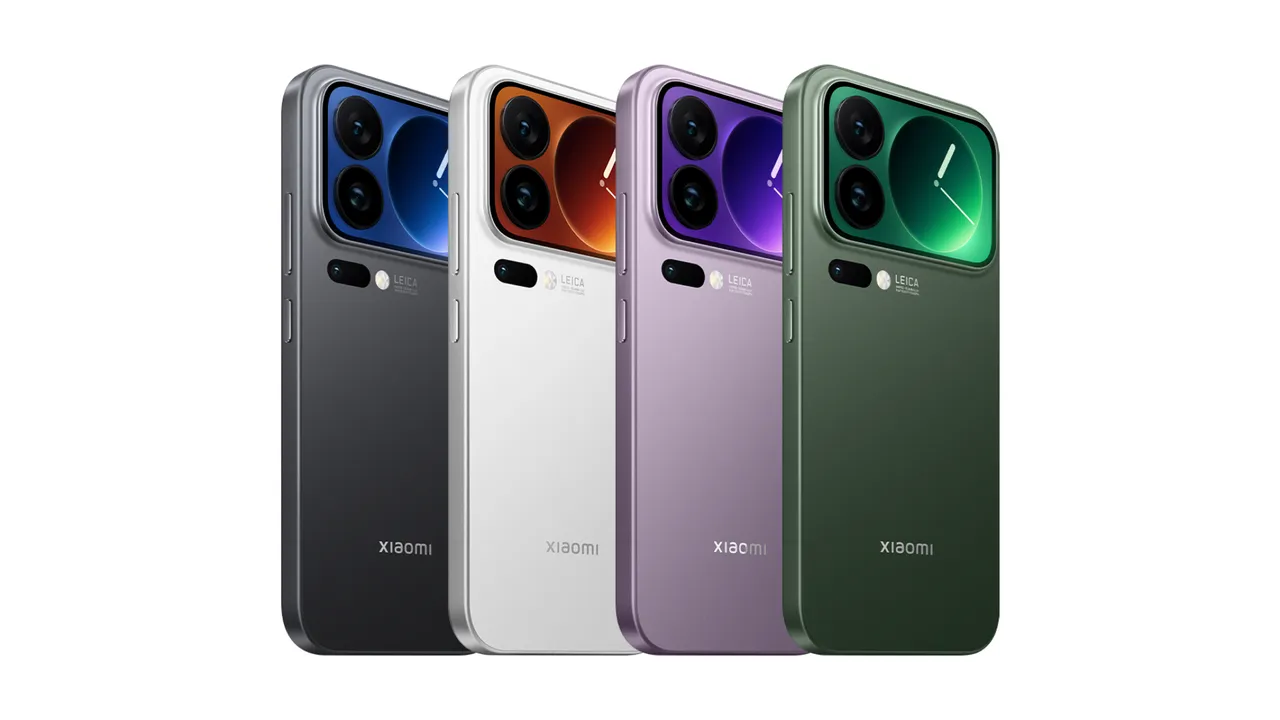
Xiaomi's new 17 series skips the number 16 to align with the iPhone 17, featuring flagship specs, a unique rear display called Dynamic Back Display for customizable functions, and industry-first L-shaped batteries with high capacities, though currently only available in China with a global release expected soon.
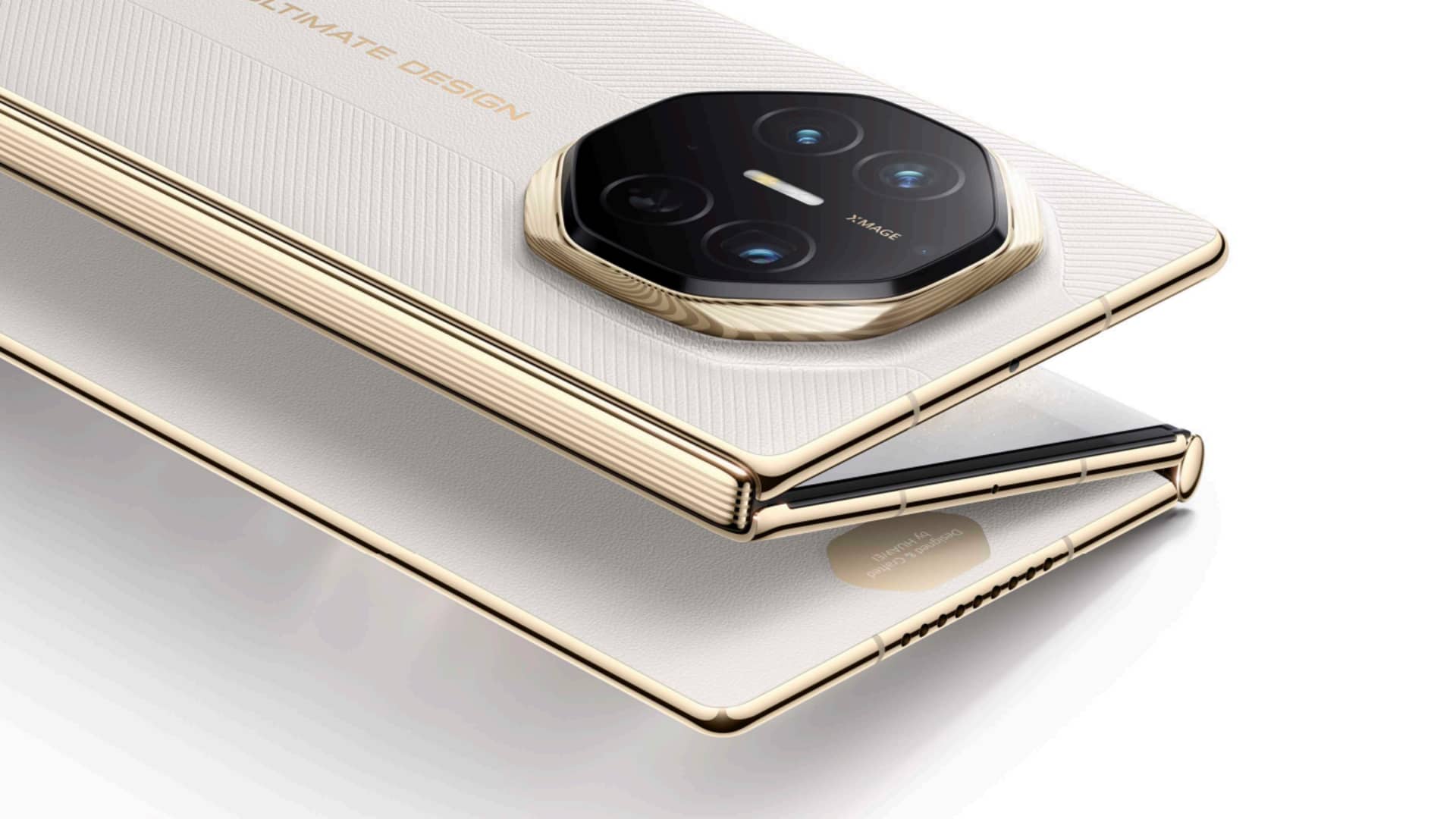
Huawei has launched its second-generation trifold smartphone, the Mate XTs, priced at around $2,520, aiming to strengthen its comeback in China with innovative foldable technology and a focus on productivity features, despite limited international presence due to past sanctions.
Nvidia is developing a new AI chip specifically for the Chinese market, reflecting its strategic focus on expanding its semiconductor technology in China.
Hong Kong stocks, especially H-shares, have outperformed mainland Chinese A-shares in 2025 due to a re-rating of tech and consumption stocks, driven by AI breakthroughs and global rebalancing flows, while onshore markets remain subdued amid economic woes and uncertain stimulus prospects.
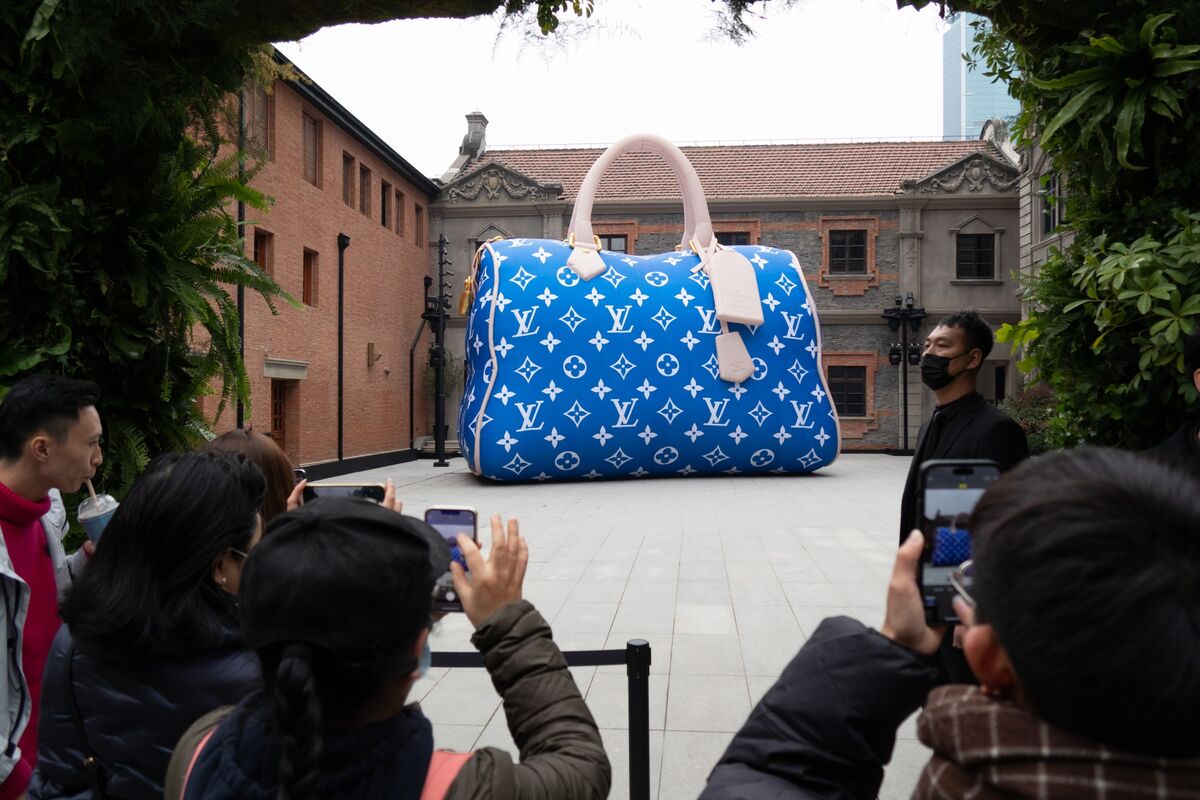
Luxury brands such as Burberry and Net-A-Porter experienced a significant loss in sales during China's major online shopping festival as a large number of Chinese consumers returned or cancelled their purchases, resulting in up to 75% of the sales value being lost, according to sources familiar with the matter.
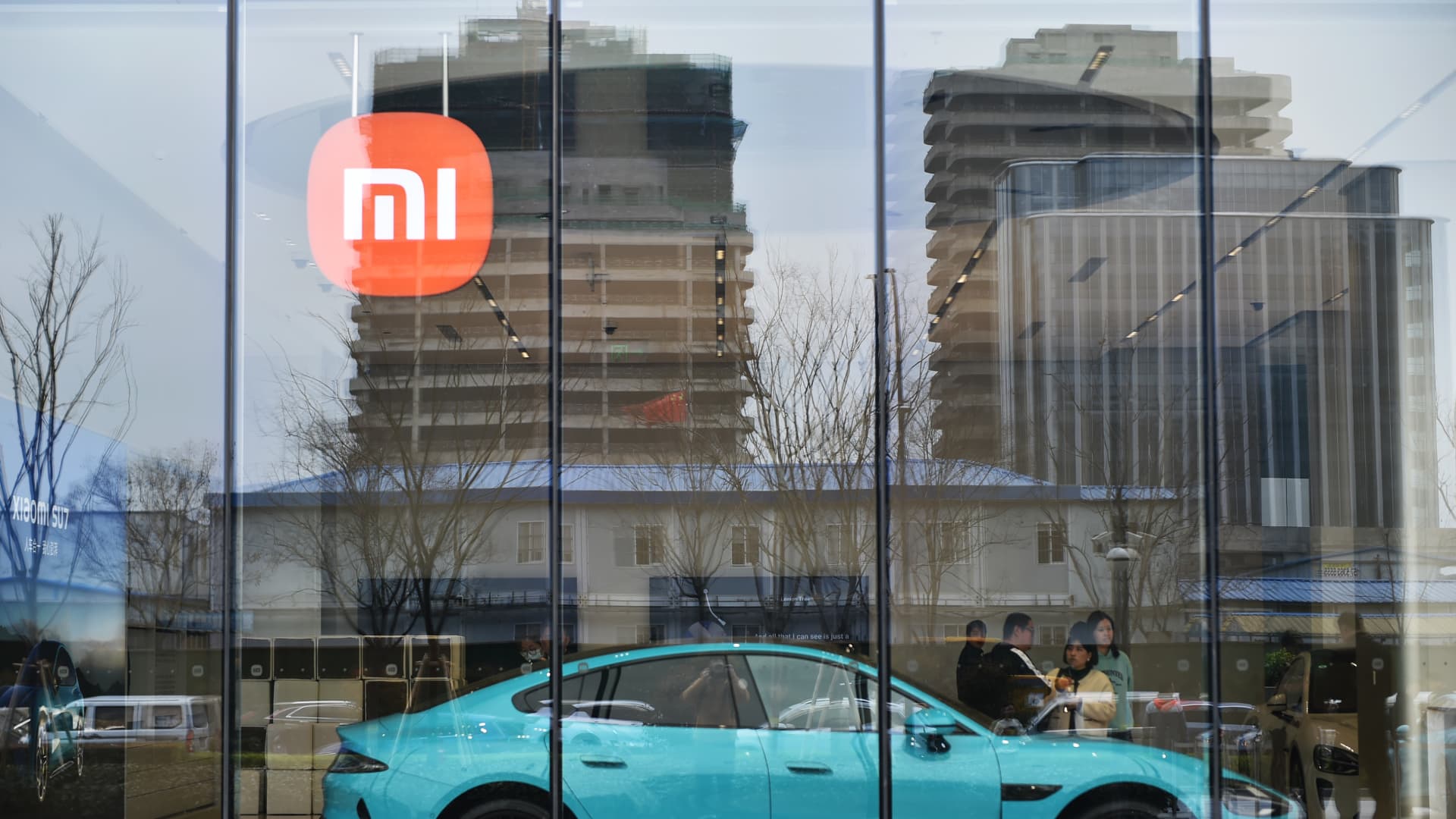
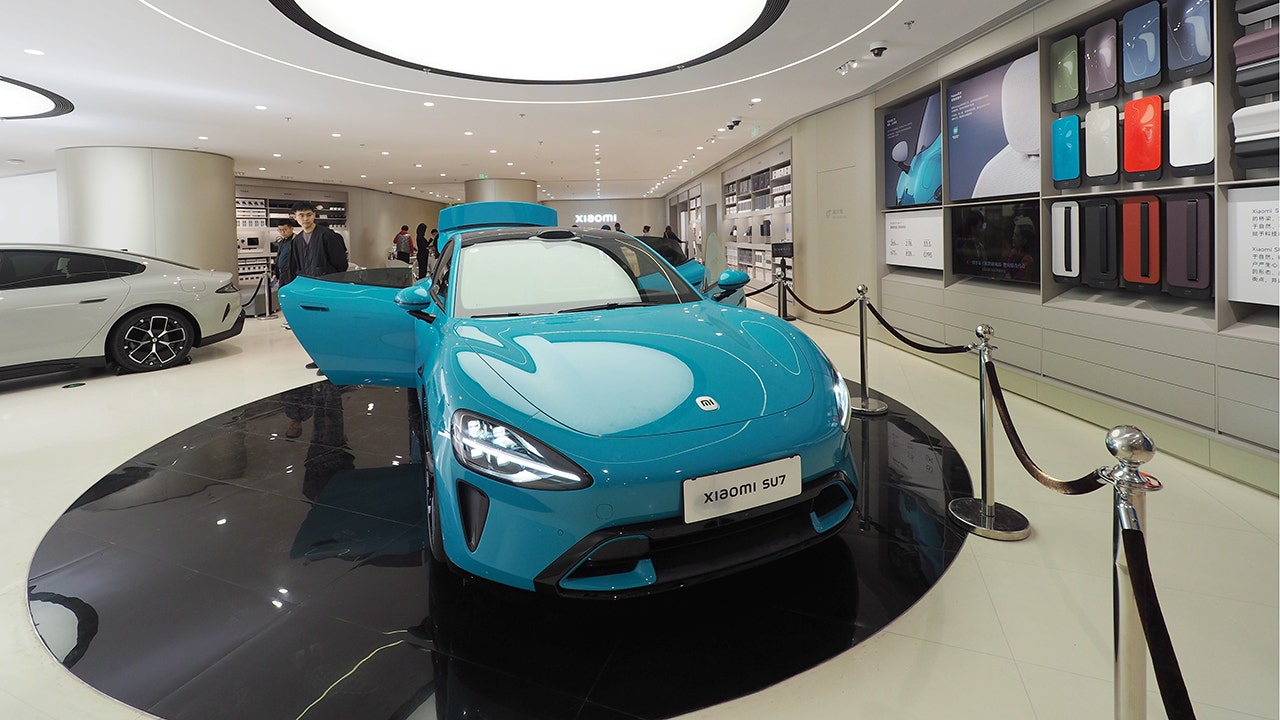
Xiaomi's shares surged 15% after the company launched its first electric car, the SU7, priced $4,000 less than Tesla's Model 3, with a claimed longer driving range. The Chinese EV market is competitive, with Xpeng and Nio offering purchase subsidies following government policy efforts to boost consumption. Growth of new energy vehicles in China is slowing, with Li Auto and Nio cutting their first quarter delivery estimates, while Huawei's Aito brand delivered 31,727 cars in March and BYD remained the industry giant with strong sales.
Xiaomi's new electric vehicle, the SU7, is facing potential delivery wait times of up to seven months due to high demand, with the Max model showing the longest wait of 27-30 weeks. The company received almost 88,900 orders in the first day of availability, with the base model priced at around $30,000, making it cheaper than the Tesla Model 3 in China. Xiaomi has been investing in its EV efforts for years and has now officially entered the Chinese EV market with the SU7.
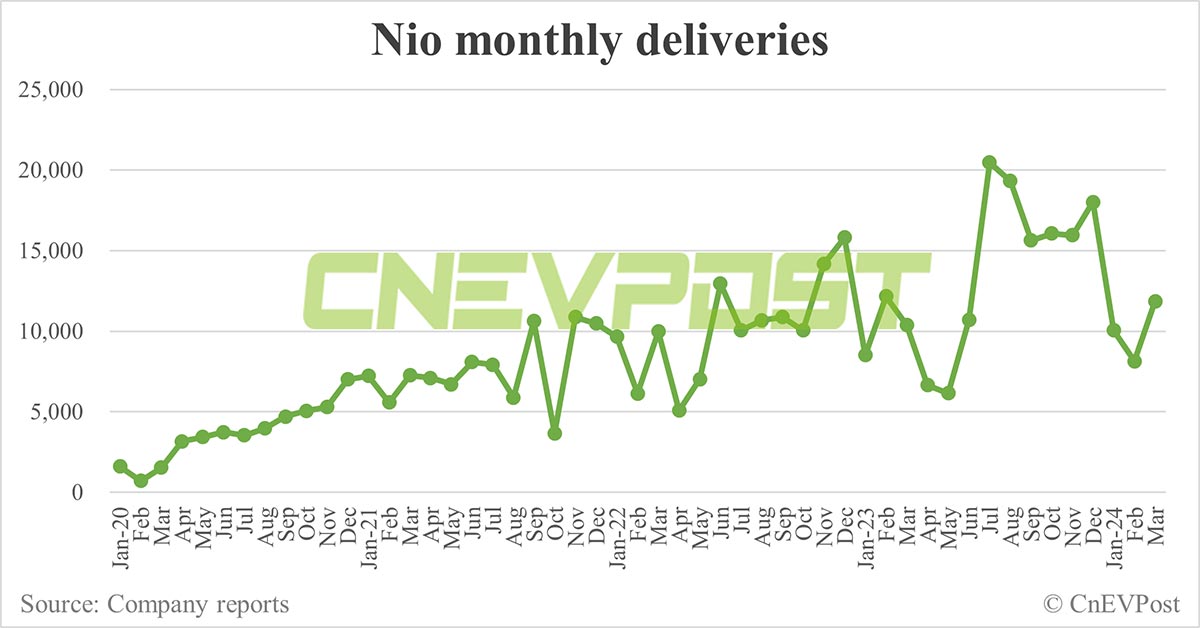
Nio delivered 11,866 vehicles in March, meeting its lowered guidance for the first quarter with a total of 30,053 deliveries. The company also announced a subsidy for gasoline vehicle trade-ins and unveiled updated models, including the ET9 set for release in 2025. Nio's cumulative deliveries now stand at 479,647 vehicles, and it plans to begin deliveries of the 2024 ES7, ET7, and ET5 in the second quarter of 2024.
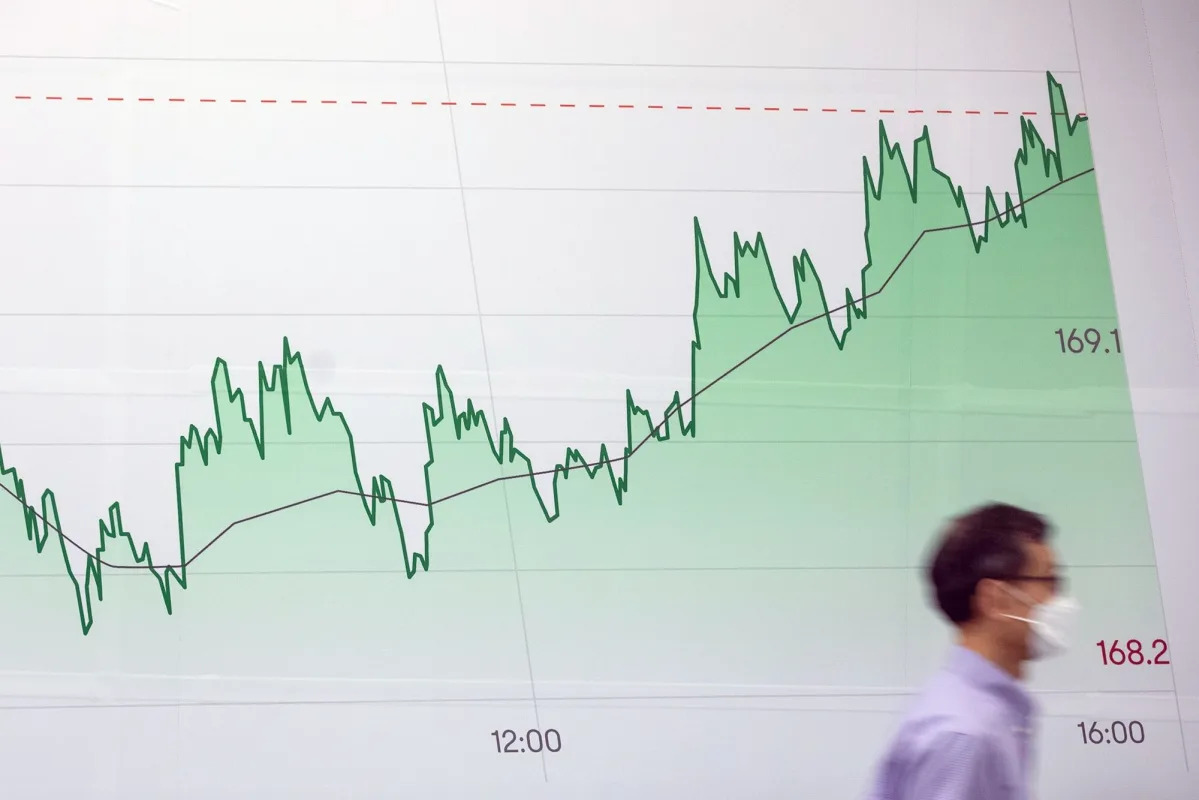
Technology stocks are driving the Chinese and Hong Kong markets higher, with the Financial Times reporting that the surge is attributed to the strong performance of tech shares.
Chinese EV giant BYD has launched a new version of its e2 EV hatchback with a lower starting price of 89,800 yuan ($12,507), which is 12.7% lower than its predecessor, aiming to make electric vehicles more accessible in the Chinese market.
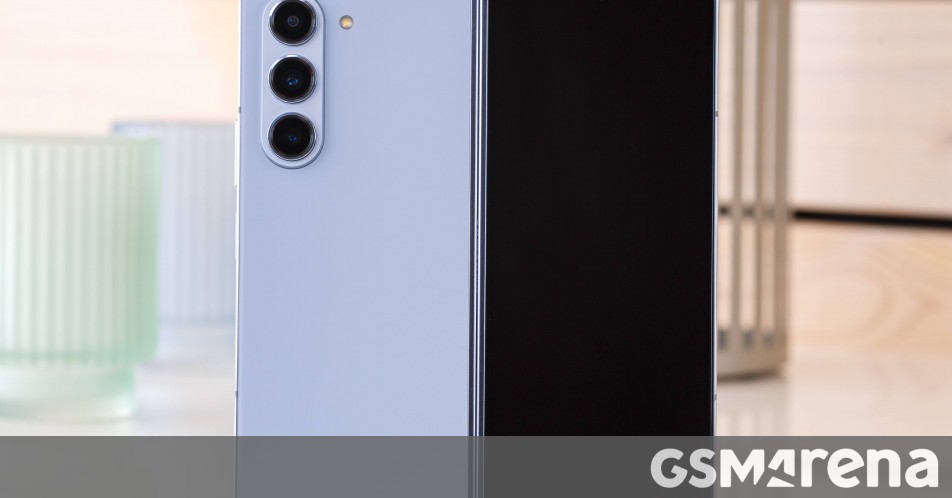
Samsung is reportedly considering releasing a cheaper version of the upcoming Galaxy Z Fold6 to gain traction in the Chinese market and expand the global market for foldables. This move would mark the first time Samsung has developed a lower-cost foldable device and could help reinvigorate the Fold line, which has been overshadowed by the success of the Flip line. However, the potential launch of a cheaper Fold6 may impact Samsung's profitability, and the company is also considering the impact of an economic downturn on consumer demand for premium products.
Samsung is reportedly planning to release an "entry-level" version of the Galaxy Z Fold 6 to increase the penetration rate of the foldable phone market, particularly in response to more affordable foldables from Chinese competitors. This move comes as Samsung currently holds third place in the Chinese foldable phone market. Additionally, details on the standard Galaxy Z Fold 6 are still minimal, but it is expected to have a different aspect ratio and be thinner.
Chinese stocks listed in Hong Kong plunged, widening their discount to mainland peers to the deepest in fifteen years, reflecting growing pessimism among international investors. The Hang Seng China Enterprises Index fell 2.4%, nearing a level last seen almost two decades ago, while the onshore benchmark CSI 300 Index finished 1.6% lower. The steeper losses in Hong Kong, where influential Chinese firms are listed and Beijing’s interference is less felt, paint a worrisome picture of global investor sentiment toward the world’s No. 2 economy. The slump is attributed to a confluence of factors, including a deepening housing slump, deflationary pressures, and uncertainties about US interest rates. The mood is similarly fragile in the mainland Chinese market, with the benchmark CSI 300 hitting a new five-year low.