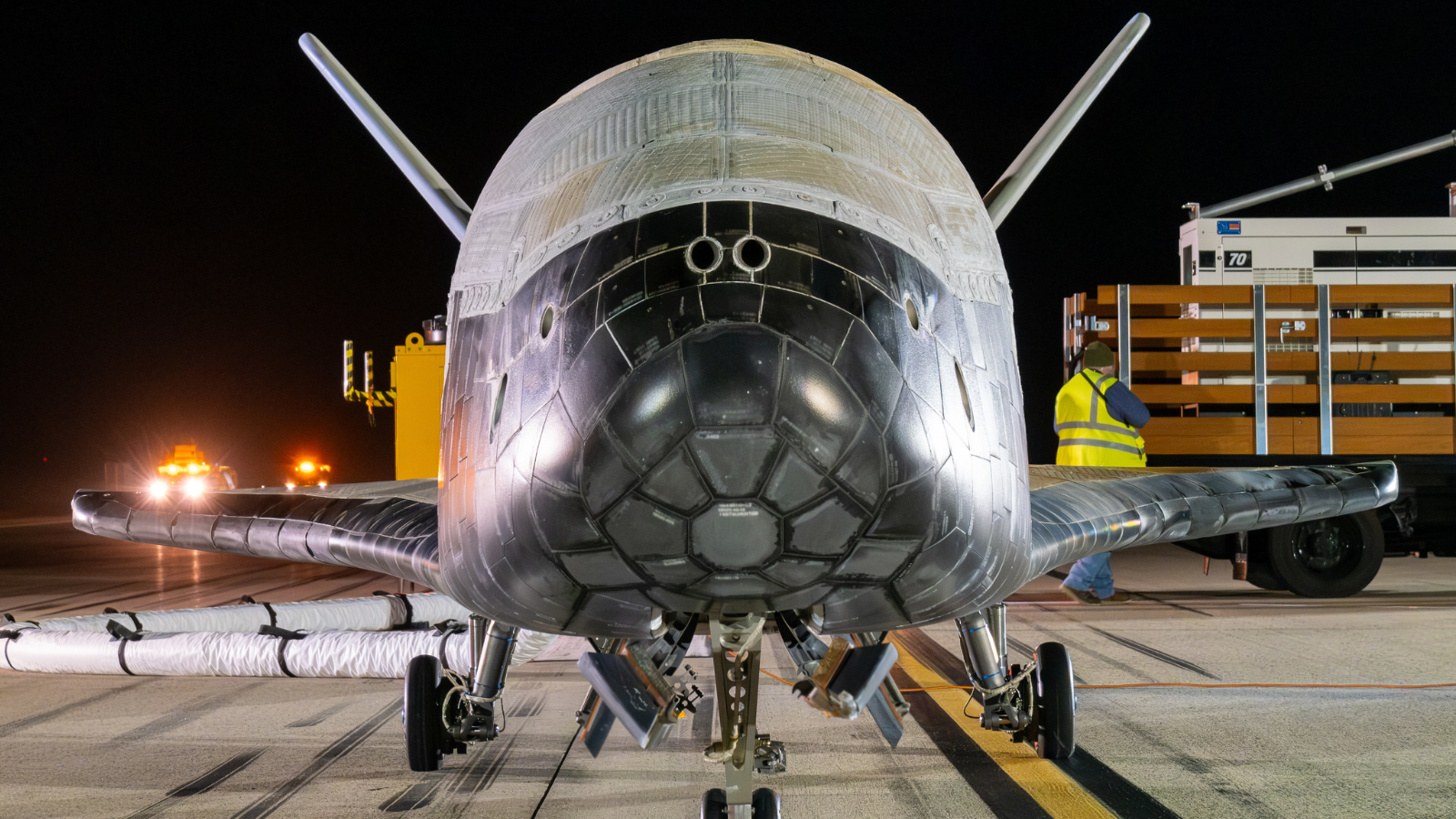
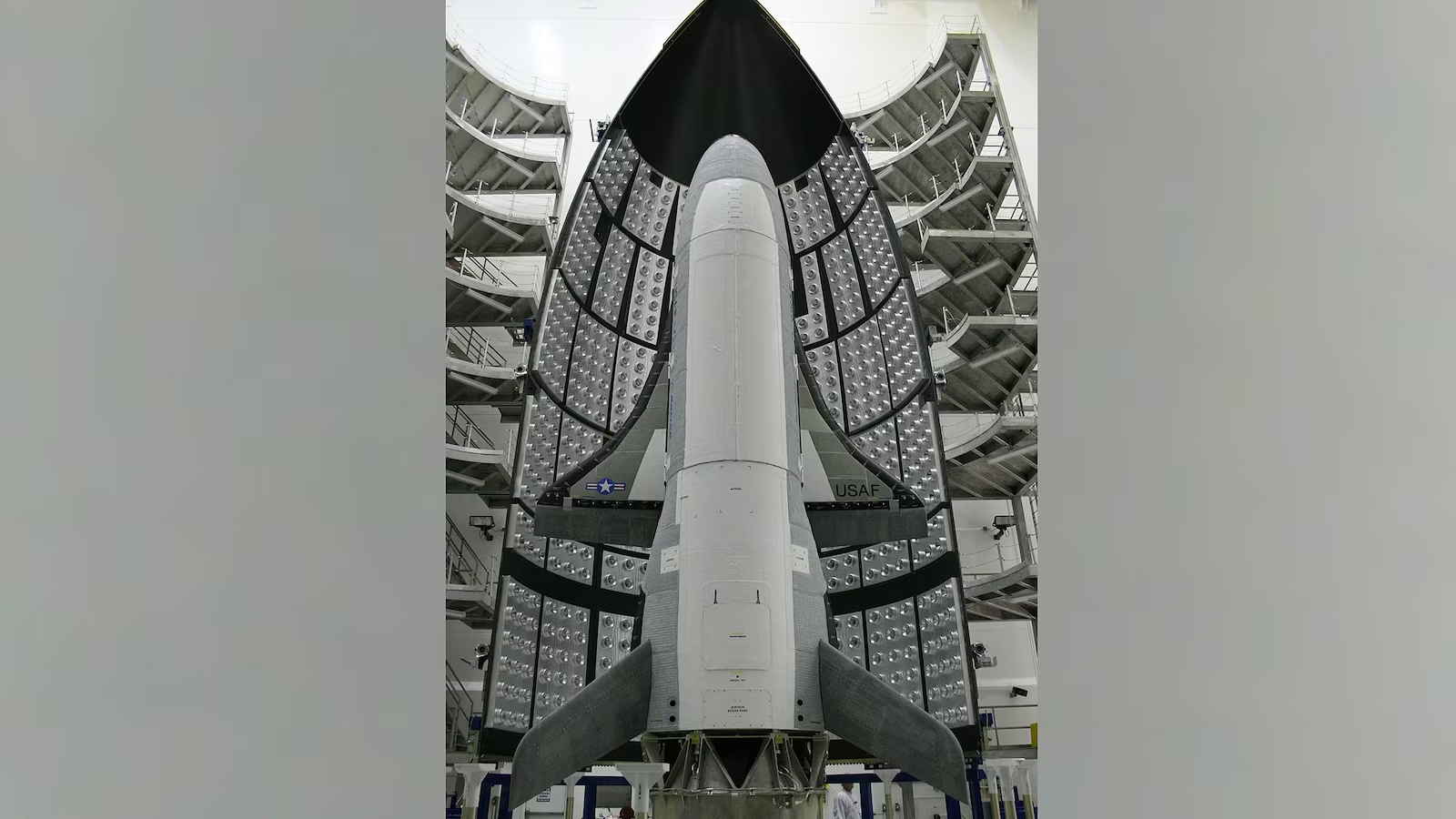
SpaceX is launching the US Space Force's classified X-37B space plane on a Falcon 9 rocket from Kennedy Space Center, with the mission focusing on advanced laser communication and quantum inertial sensor technology demonstrations, scheduled for August 21-22, 2023.
The US Space Force is launching its eighth mission of the X-37B spaceplane, an autonomous, reusable spacecraft used for testing and experiments in space, with a focus on advanced communication and navigation technologies, from Kennedy Space Center, using a SpaceX Falcon 9 rocket.
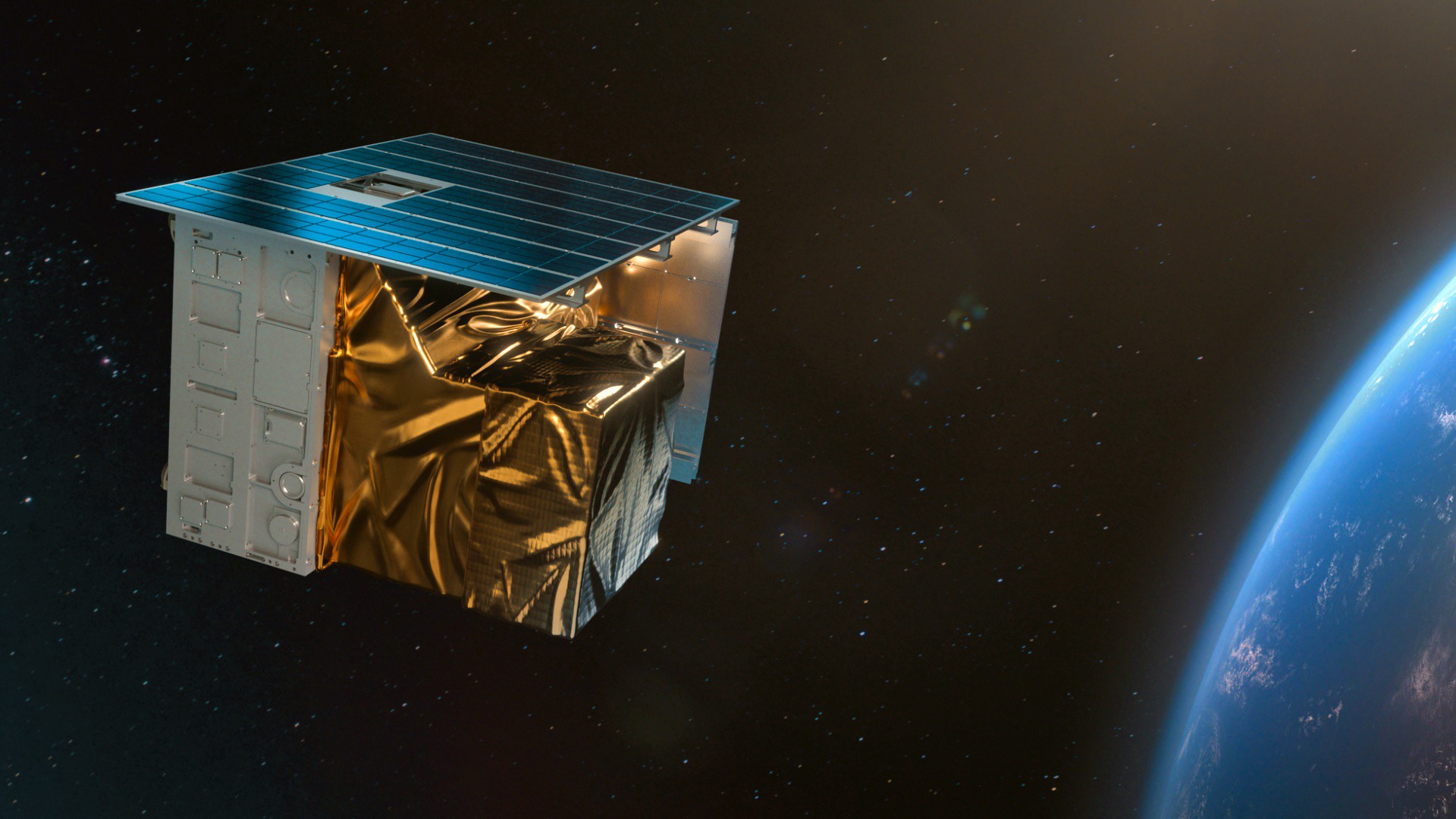
Lockheed Martin's electronically steerable antenna payload, launched to orbit on December 22, 2023, is expected to de-orbit in February after being placed in the wrong orbit due to an upper stage problem with the Firefly Aerospace Alpha rocket. Despite the shortened mission, the company stated that it successfully achieved many of the technology demonstration objectives, including demonstrating the capability to calibrate and activate the antenna faster than before. The spacecraft data shows that the antenna design is operating on-orbit as it had during ground testing, advancing the technology readiness level for a range of mission applications.
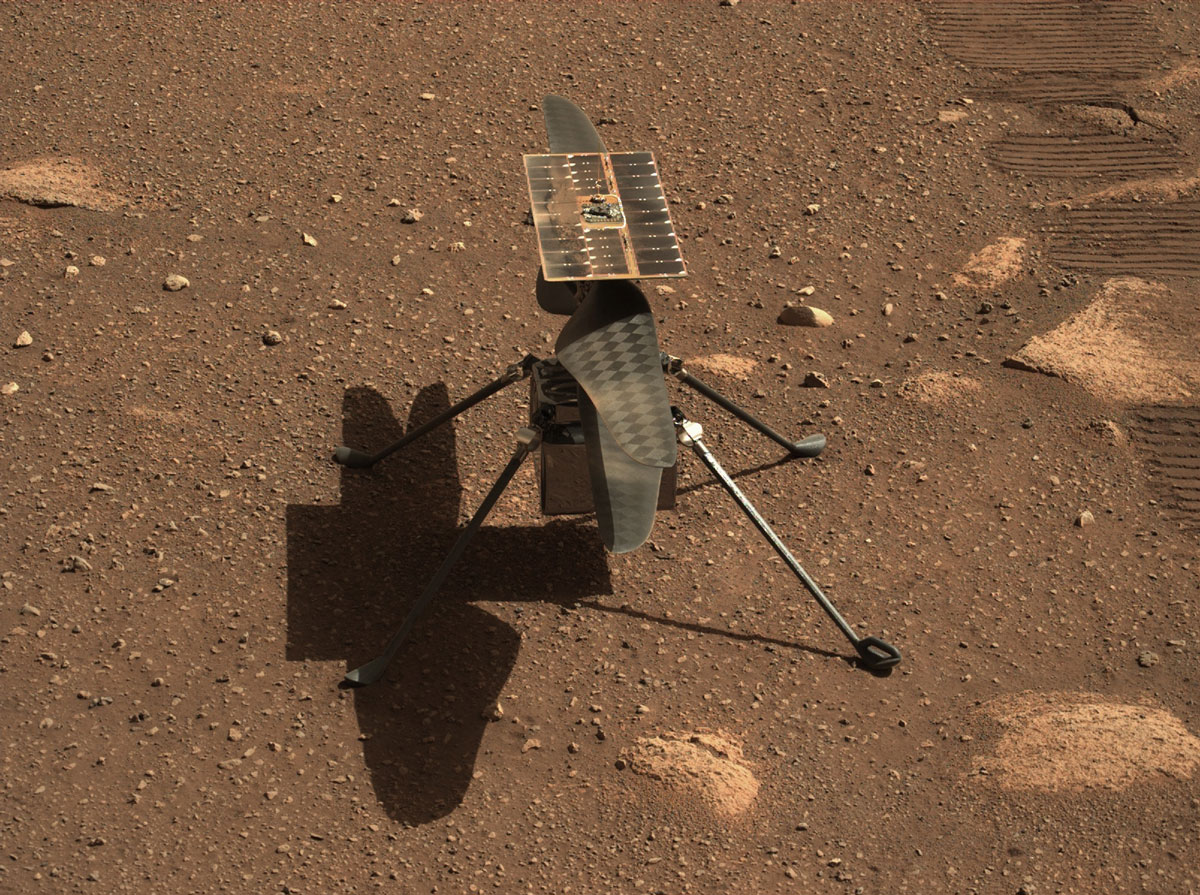
NASA's Ingenuity helicopter on Mars lost contact with Earth for six days due to a challenging topology between the rover and the helicopter and partially blocked signals between the two robots. The team was relieved to hear from the helicopter again and has determined that future communication glitches are likely to happen. Despite the challenges, Ingenuity has exceeded its expected flight time and distance flown, proving incredibly useful for the rover's mission. However, the aging equipment and dusty conditions mean the helicopter won't last forever.
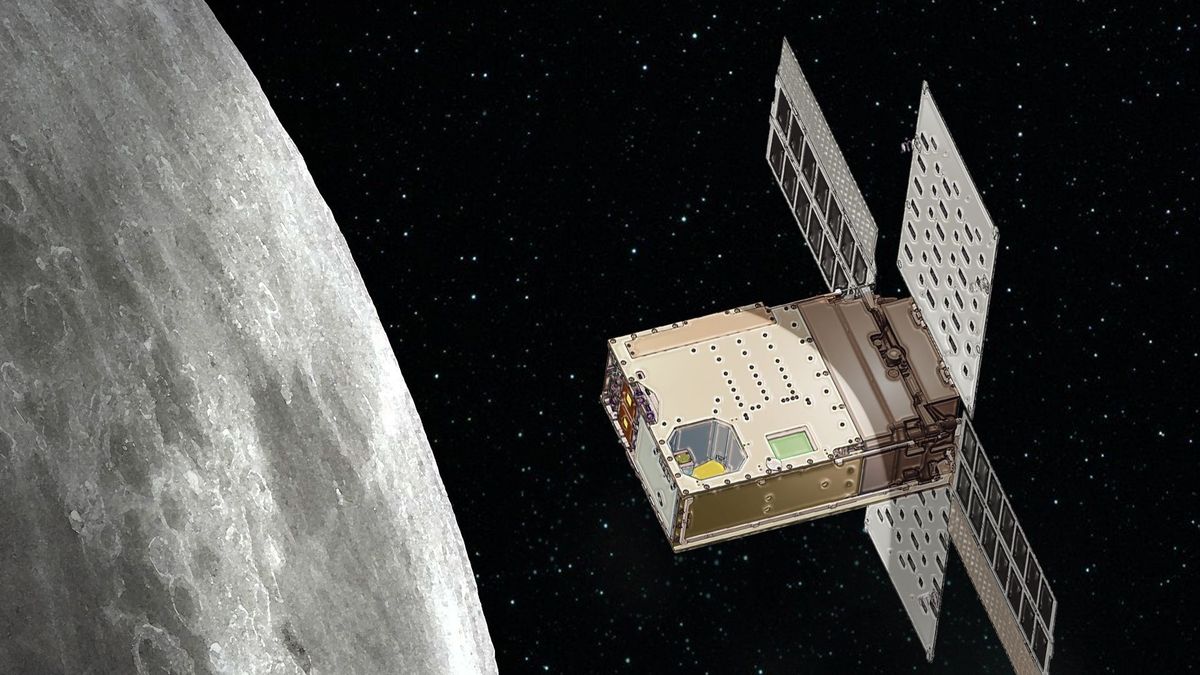
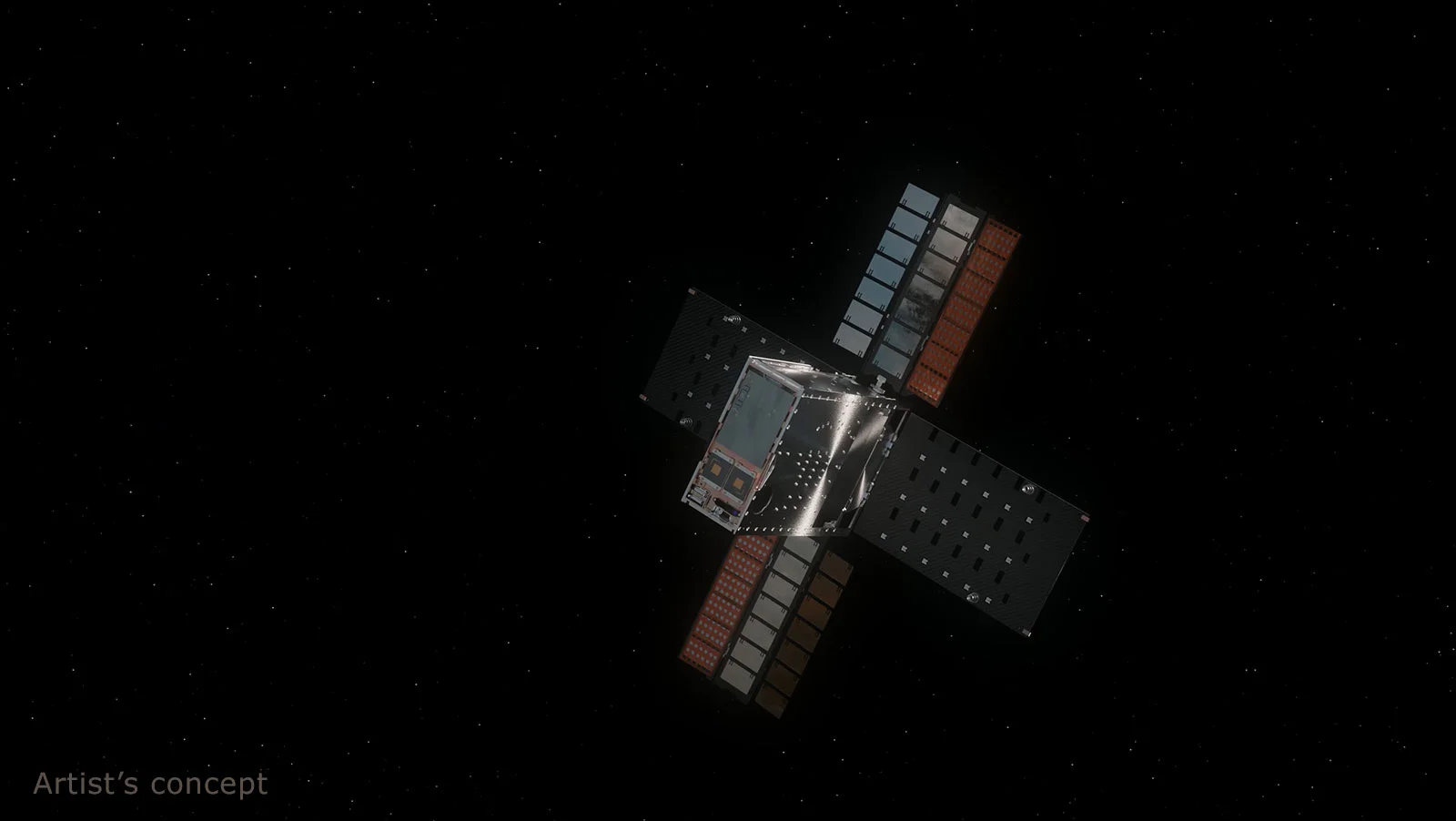
NASA has abandoned the mission of its Lunar Flashlight cubesat, which aimed to search for water ice in shadowy craters near the moon's south pole. The briefcase-sized spacecraft failed to generate enough thrust to reach lunar orbit due to problems with its propulsion system. However, most of the probe's systems are still functioning well, and NASA could end up assigning it a new task. The mission team also successfully tested Lunar Flashlight's four-laser reflectometer, suggesting that it could indeed have spotted water ice on the floors of moon craters.
NASA's Lunar Flashlight mission, launched in December 2022 to test new technologies and seek out surface ice in the Moon's South Pole, has been called off after its miniaturized propulsion system failed to generate enough thrust to get into lunar orbit. Despite this setback, the mission successfully demonstrated several new technologies, including a low-power computer and upgraded radio, and tested a never-before-flown science instrument. The lessons learned from Lunar Flashlight will be used for future missions, according to NASA.