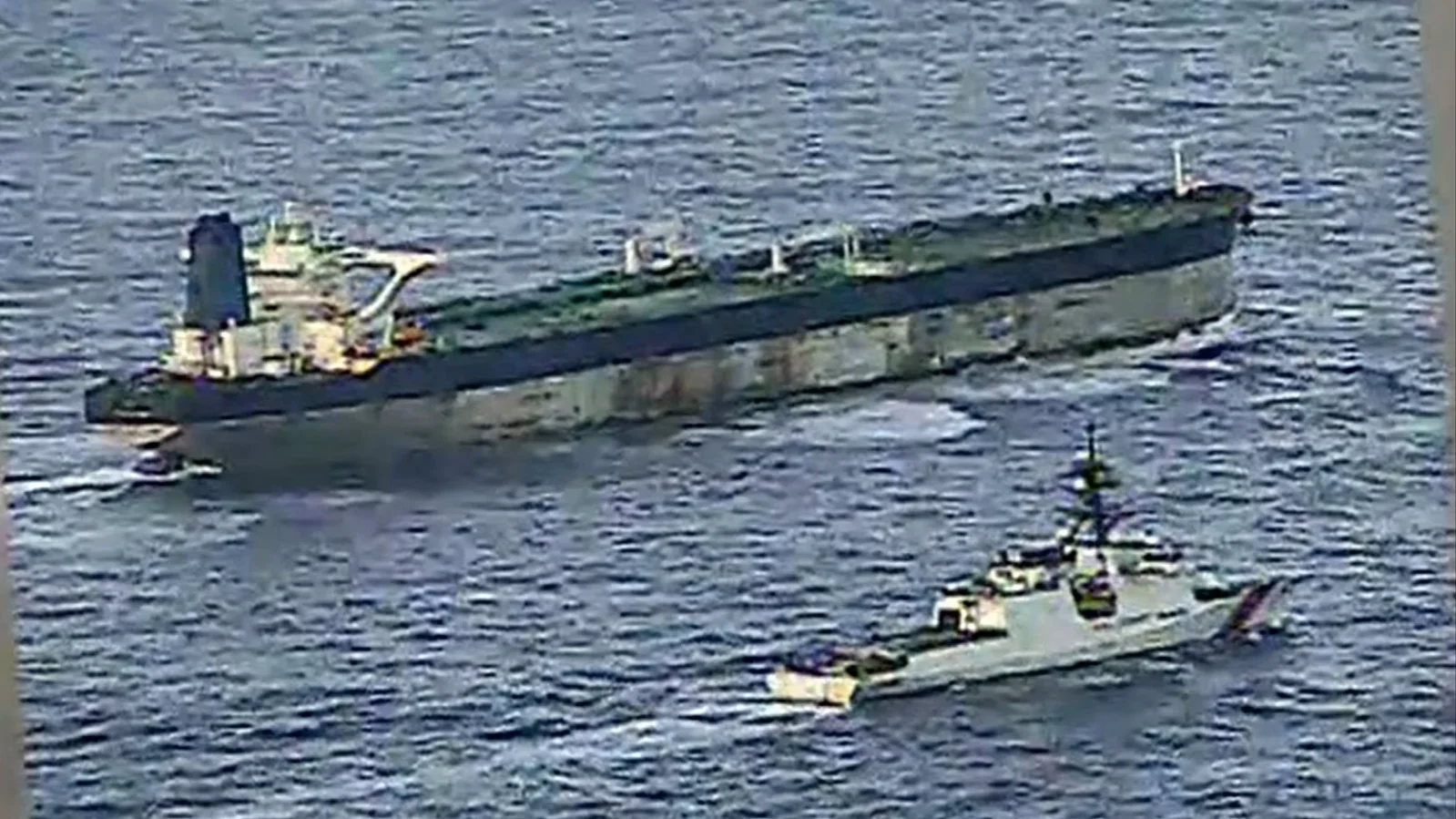
US Seizures of Russian and Venezuelan Tankers Heighten Tensions at Sea
Moscow warns that the US seizure of a Russian tanker could lead to military escalation at sea, highlighting tensions between the two nations.

All articles tagged with #tankers
Moscow warns that the US seizure of a Russian tanker could lead to military escalation at sea, highlighting tensions between the two nations.
Iran's IRGC seized a foreign tanker near Gheshm Island amid tensions with the US over tanker seizures, while Iran deploys naval flotillas to escort ships. Iraqi militias are demanding concessions from the US, complicating efforts to reduce Iranian influence. In Syria, joint operations target ISIS, and sectarian violence persists, with attacks claimed by ISIS-aligned groups. In Yemen, Saudi Arabia and the UAE appear to be negotiating a compromise following recent clashes involving the Southern Transitional Council.
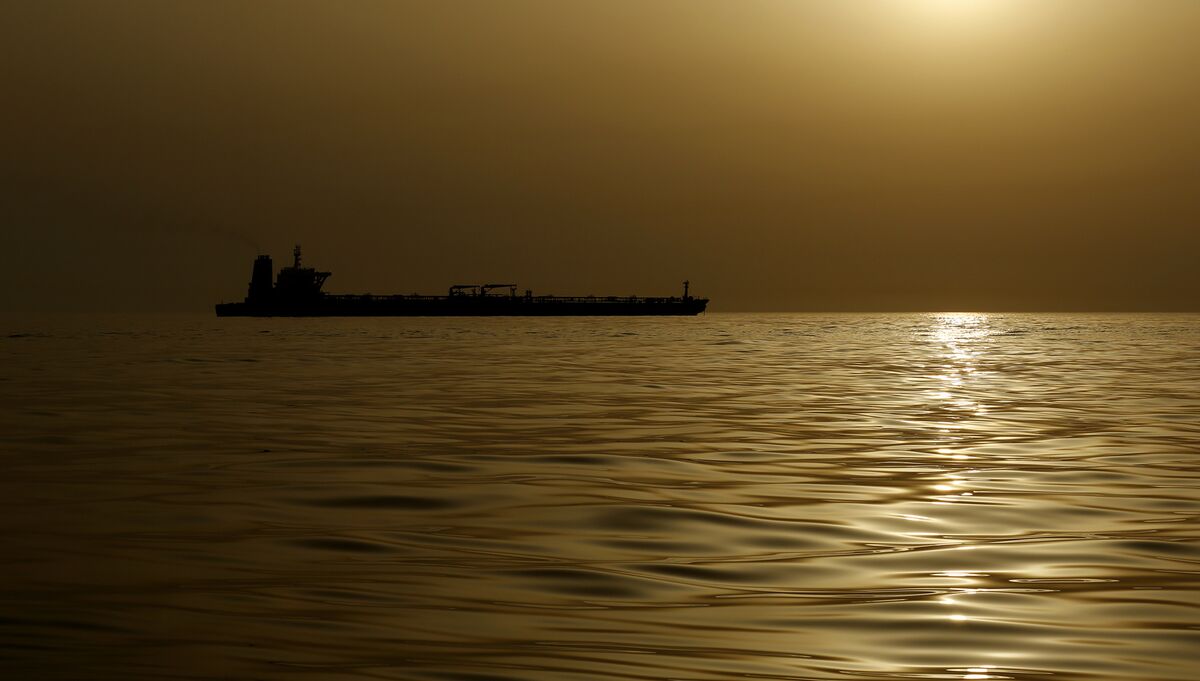
Russia's crude oil exports have increased to their highest in over two years, but delays in offloading at Chinese and Indian ports have caused a significant build-up of tankers at sea, with at least 20 vessels waiting to dock. Despite higher export volumes, falling prices and US sanctions targeting tanker movements have complicated the situation, leading to increased at-sea storage and potential covert transfers.
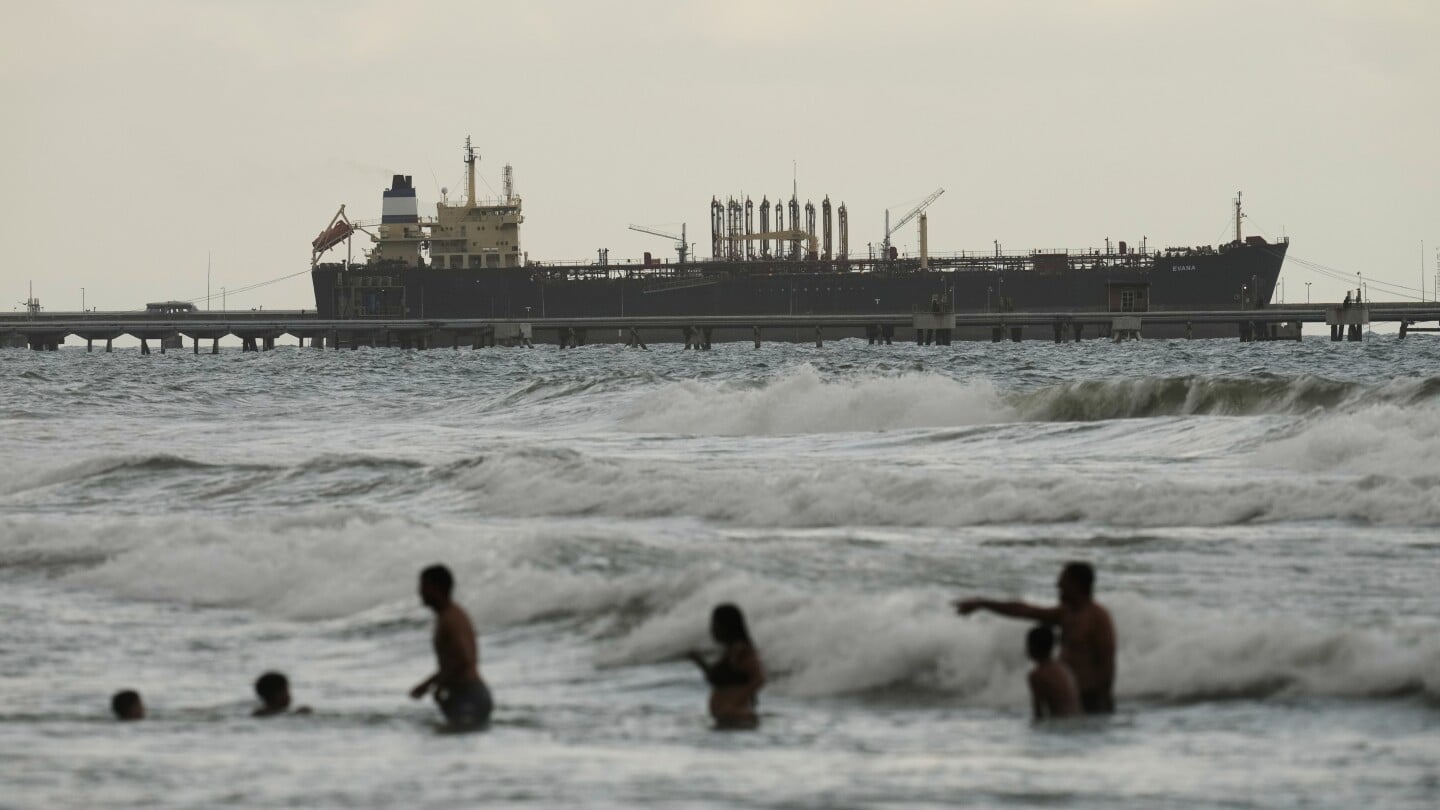
The US Coast Guard is pursuing a sanctioned Venezuelan oil tanker in the Caribbean as part of increased efforts by the Trump administration to target vessels linked to Venezuela's government, including recent seizures of ships involved in sanctions evasion and oil trafficking, amidst escalating tensions and US sanctions policies.
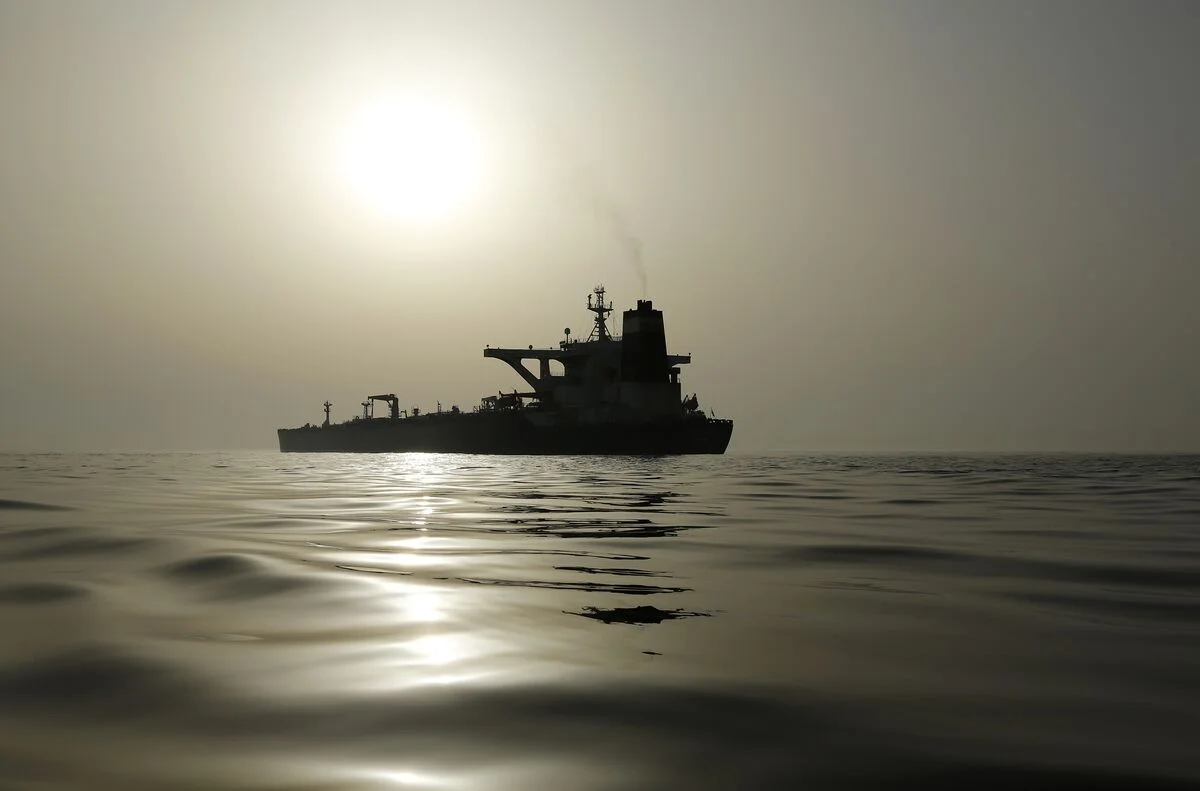
The US has boarded a third oil tanker near Venezuela as part of an intensified oil blockade aimed at cutting off Nicolás Maduro's regime's main revenue source, potentially leading to a halt in Venezuela's crude exports and increased internal unrest, despite US officials downplaying the impact on global oil prices.
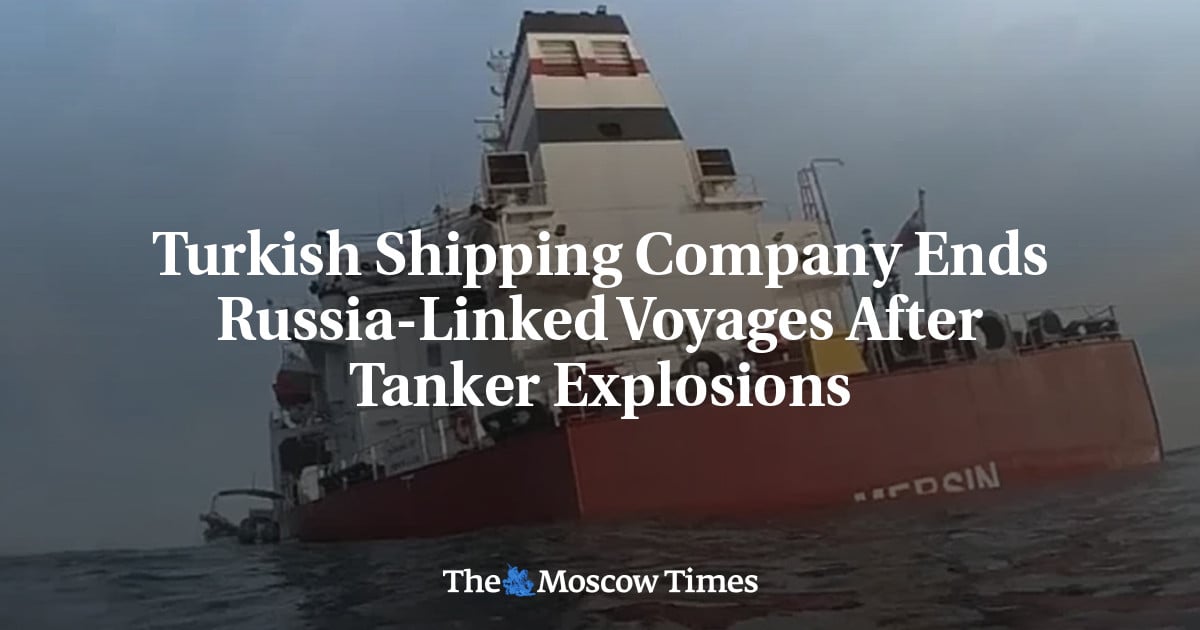
Turkish shipping company Besiktas Shipping announced it will cease all operations involving Russia following a series of explosions on its tanker off Senegal and recent attacks on Russia-linked vessels in the Black Sea, citing increased security risks despite compliance with Western sanctions.
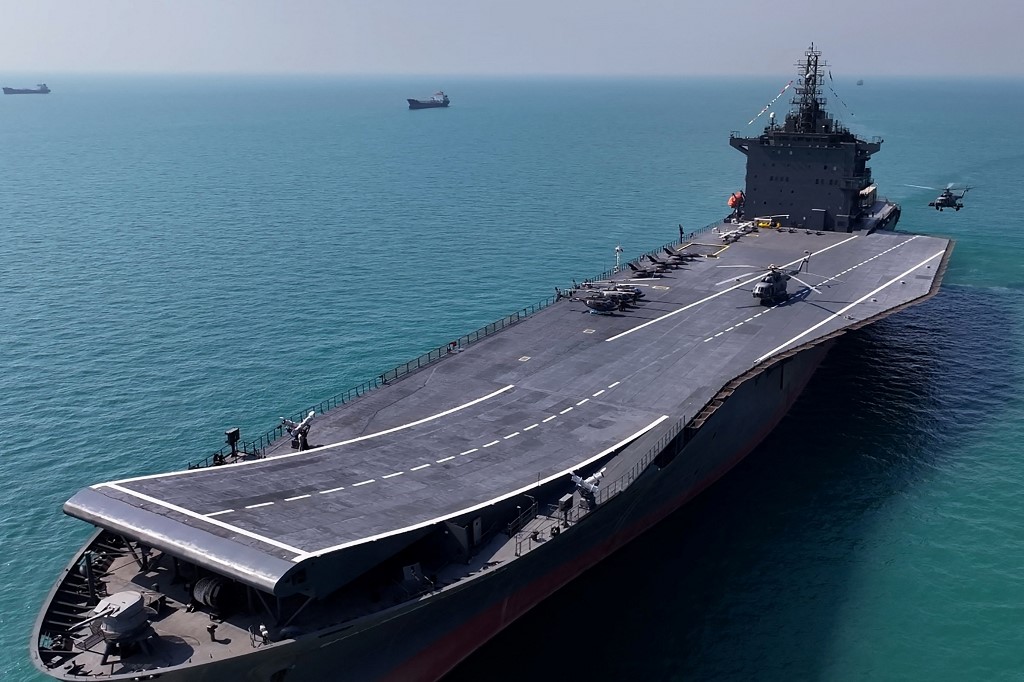
Iran's Islamic Revolutionary Guard Corps seized an Eswatini-flagged tanker carrying 350,000 liters of allegedly smuggled fuel in the Strait of Hormuz, prompting Eswatini to deny any involvement, amid ongoing tensions over Iran's nuclear program and maritime security issues.
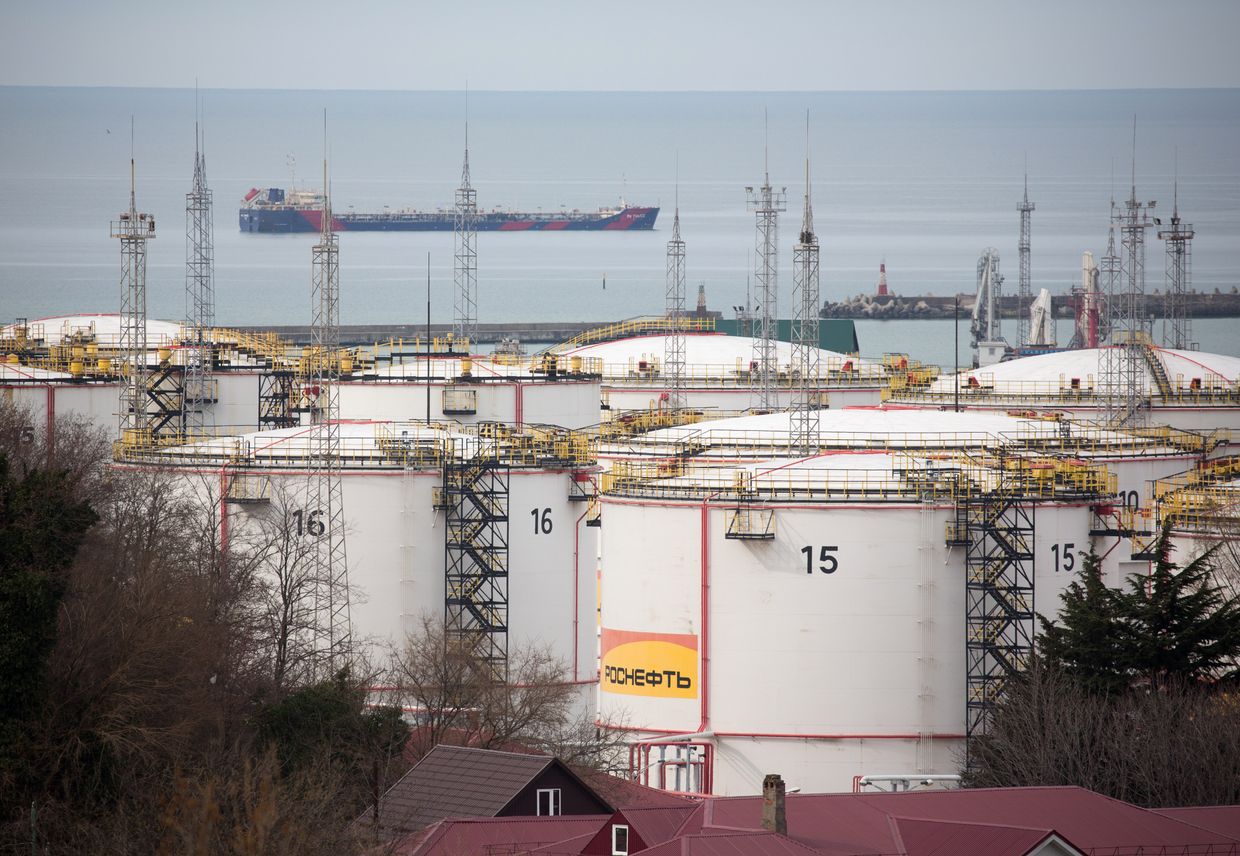
Russia's seaborne crude oil exports have sharply declined, the largest weekly drop since January 2024, following US sanctions on major Russian oil companies, leading to increased oil storage at sea and reduced exports to key buyers like India, China, and Turkey, amid broader geopolitical tensions and Europe's ongoing efforts to phase out Russian fossil fuels.
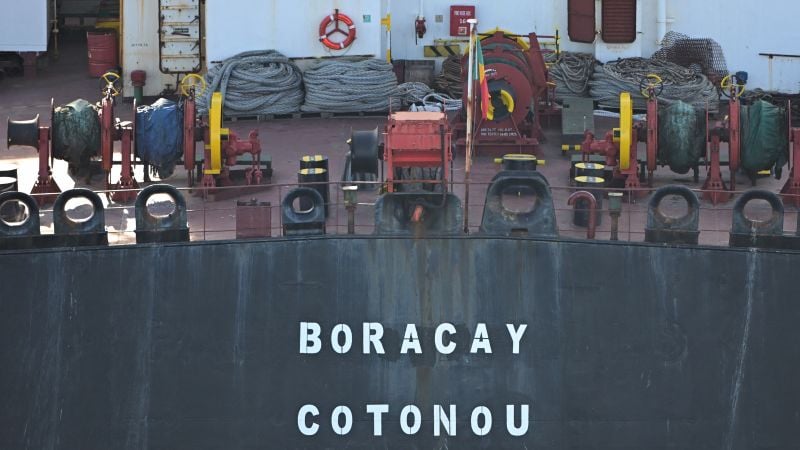
French authorities arrested the captain and first officer of a sanctioned Russian tanker, Boracay, suspected of operating for Russia's shadow fleet, after French Navy intervention near Saint-Nazaire. The vessel, linked to Russia's covert maritime activities, was boarded following drone activity and is under investigation, with authorities remaining tight-lipped about further details.
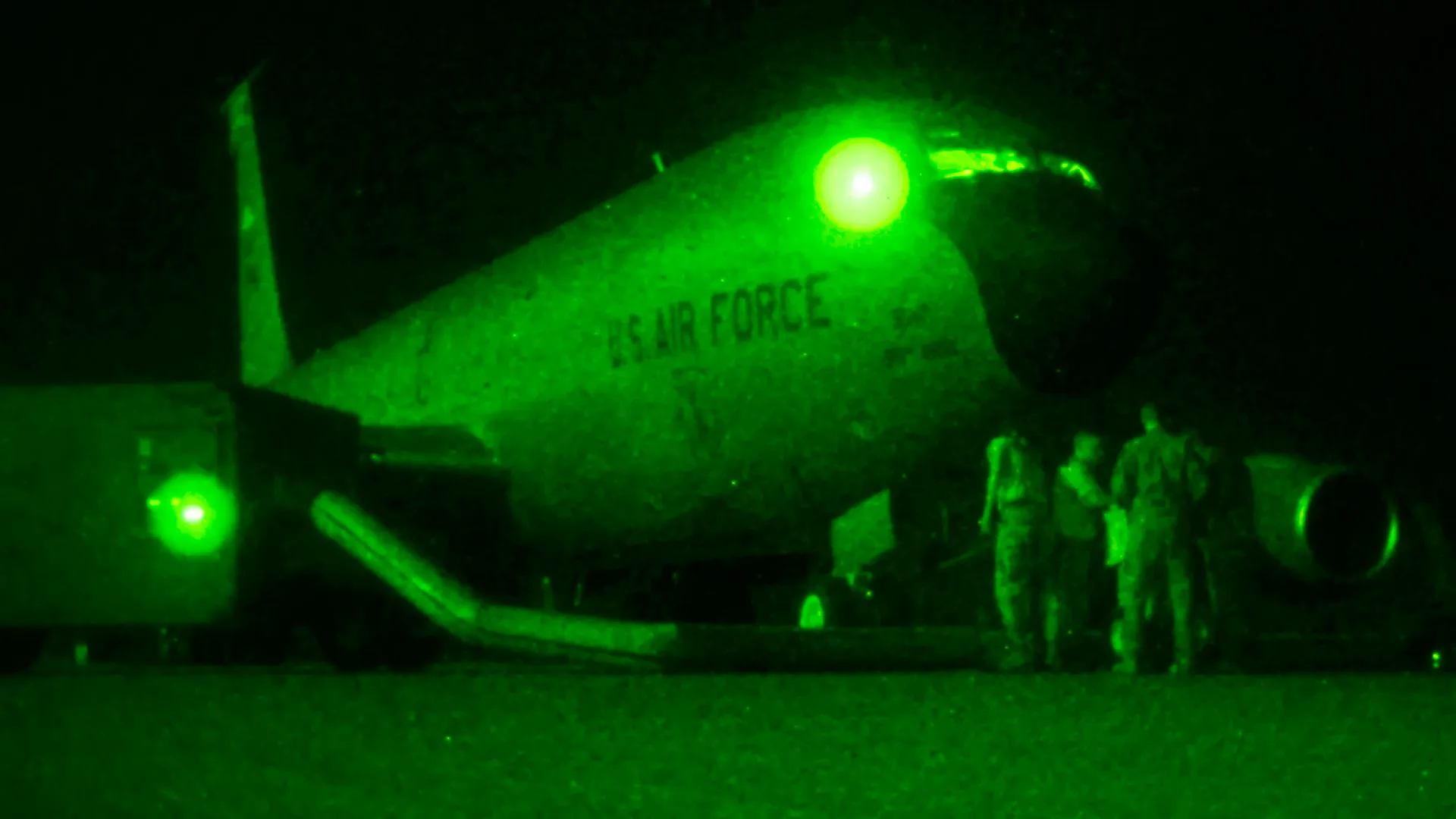
Over 28 US Air Force tankers were deployed east over the Atlantic, sparking speculation about potential support for Israel, preparations for direct involvement in the Iran-Israel conflict, or strategic positioning for regional security. The movement could indicate plans for aerial refueling support, increased US involvement, or a broader military contingency in the Middle East amid ongoing tensions.
Oil prices surged after tankers were warned to avoid the Red Sea following US and UK strikes on sites in Syria and Iraq used by Iran-backed militia groups. The warning heightened concerns about potential supply disruptions in the region, leading to a spike in oil prices.
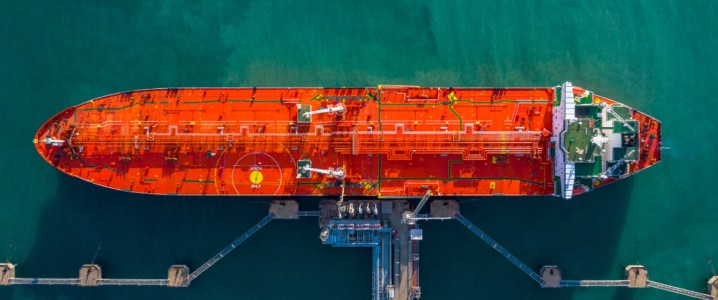
Crude oil prices rose by 1% as Russian oil exports were negatively impacted by winter weather and Red Sea ship attacks raised concerns about the security of oil shipments. Russia suspended over 60% of Urals loadings due to storms and maintenance, while major shipping lines, including Maersk Tankers and Moller-Maersk, announced the suspension of travel through the Red Sea. The impact of the ship attacks on oil prices remains uncertain, with traders currently focused on supply and U.S. record production. Weaker greenback and the Fed's suggestion of no more rate hikes also support oil prices.
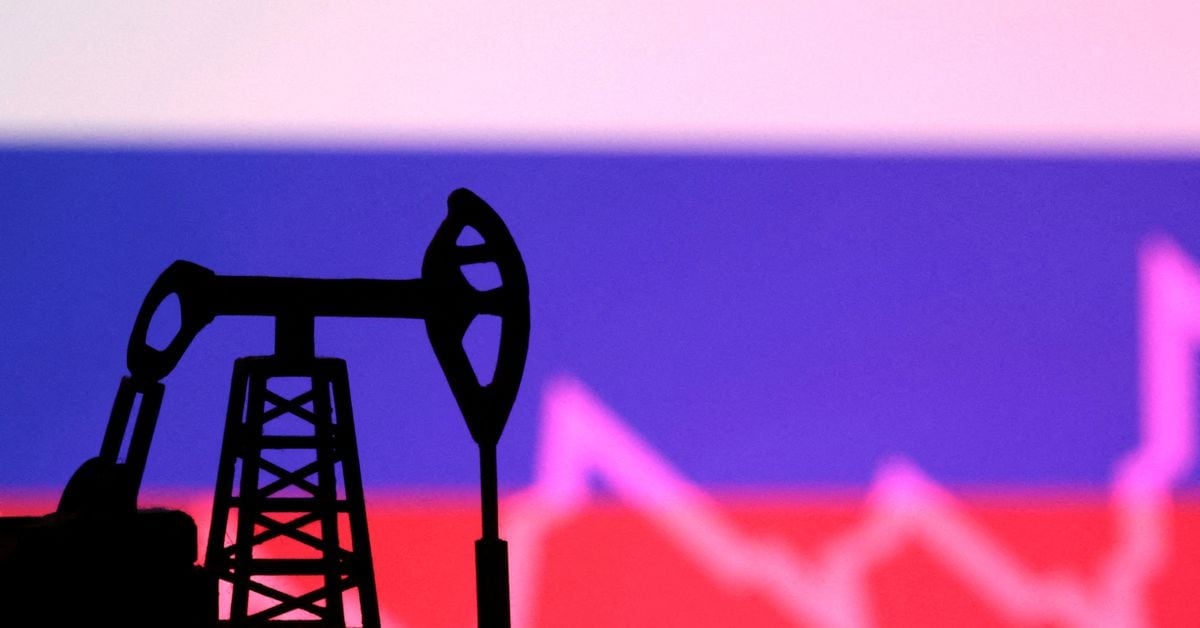
Three oil tankers, recently sanctioned by the US, have been regularly shipping Russian Sokol crude to Indian Oil Corp (IOC), the country's top refiner, according to shiptracking data. The US imposed sanctions on maritime companies and vessels for shipping Russian oil sold above the Group of Seven's price cap. While the sanctions may reduce the number of ships carrying Russian oil and prompt India to seek supplies elsewhere, the trade is unlikely to stop completely due to its profitability. India may look to the Mediterranean and North Sea for alternative supply sources.
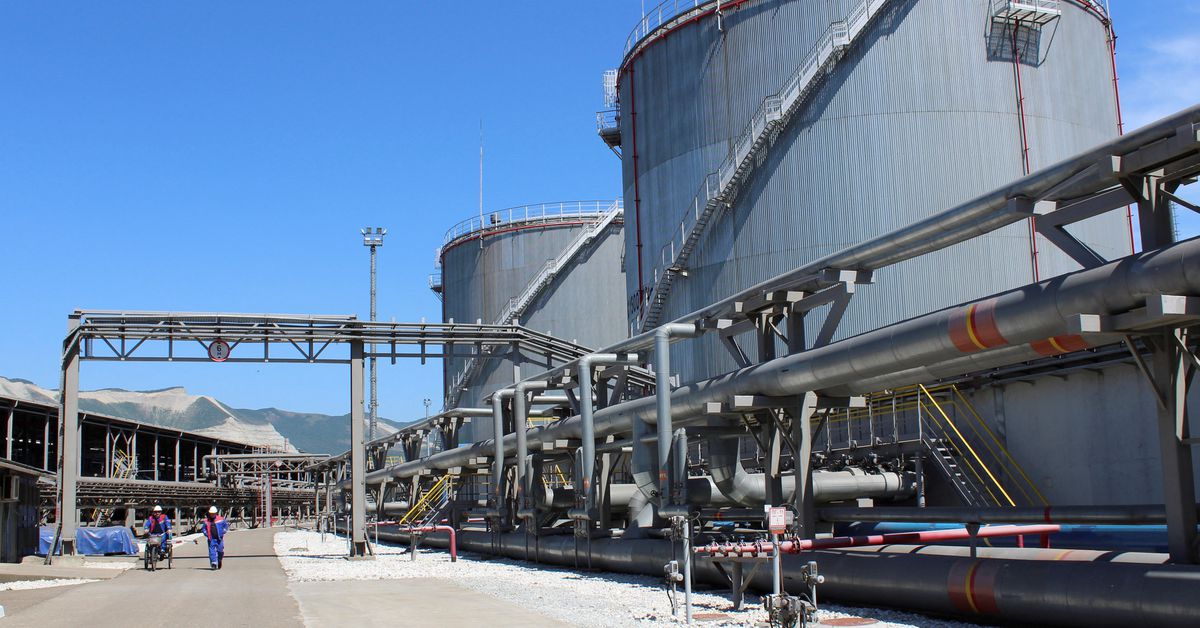
Insurance companies have informed charterers of ships operating in Russia's Black Sea ports about an increase in "war risk premiums" following escalating tensions in the region. The premiums, which were introduced last year after Russia's military action in Ukraine, have now been raised from around 1% to approximately 1.20-1.25% of the cargo's cost. This increase adds an additional $200,000 per voyage for a Suezmax tanker delivering Russian oil to India, resulting in an overall cost of nearly $1 million. The rise in premiums reflects the higher risks associated with cargoes carrying Russian oil, as recent attacks at Black Sea ports have raised concerns about the security of shipments.

Two tankers, the BW Lesmes and Burri, collided briefly in Egypt's Suez Canal. The LNG tanker BW Lesmes will be towed away, while the Burri, an oil products tanker, remains moored. The incident occurred approximately 19 km from the southern end of the canal. The Suez Canal Authority has not yet confirmed the collision. The Suez Canal is a vital trade route, with approximately 12% of global trade passing through it.