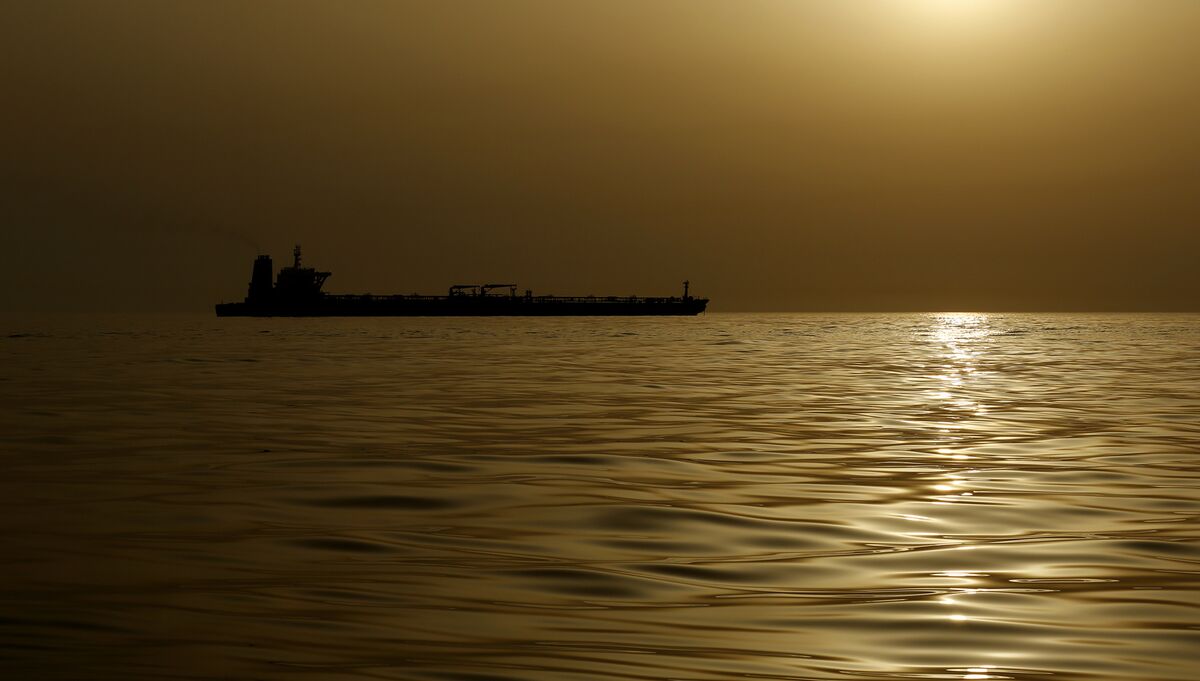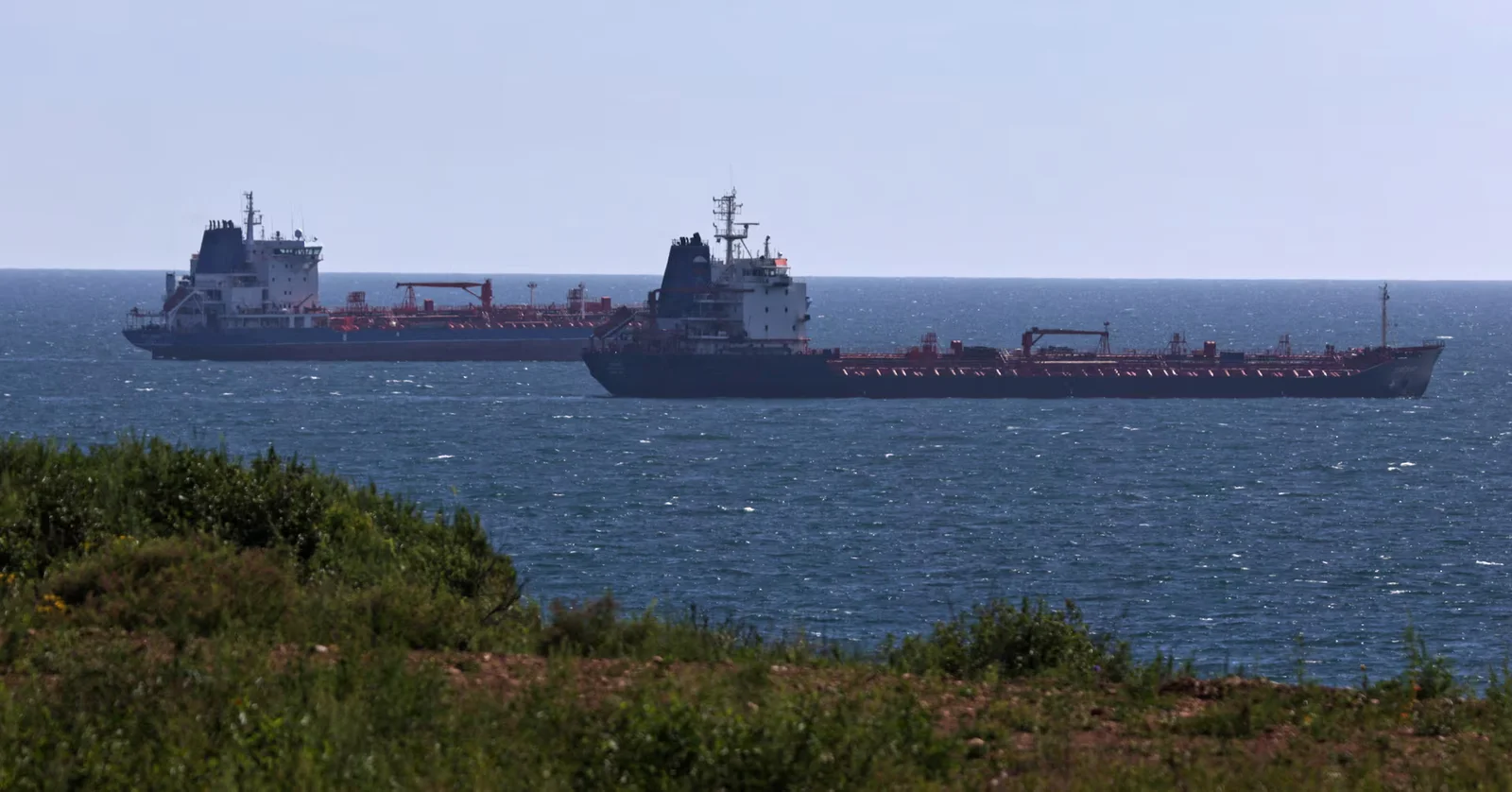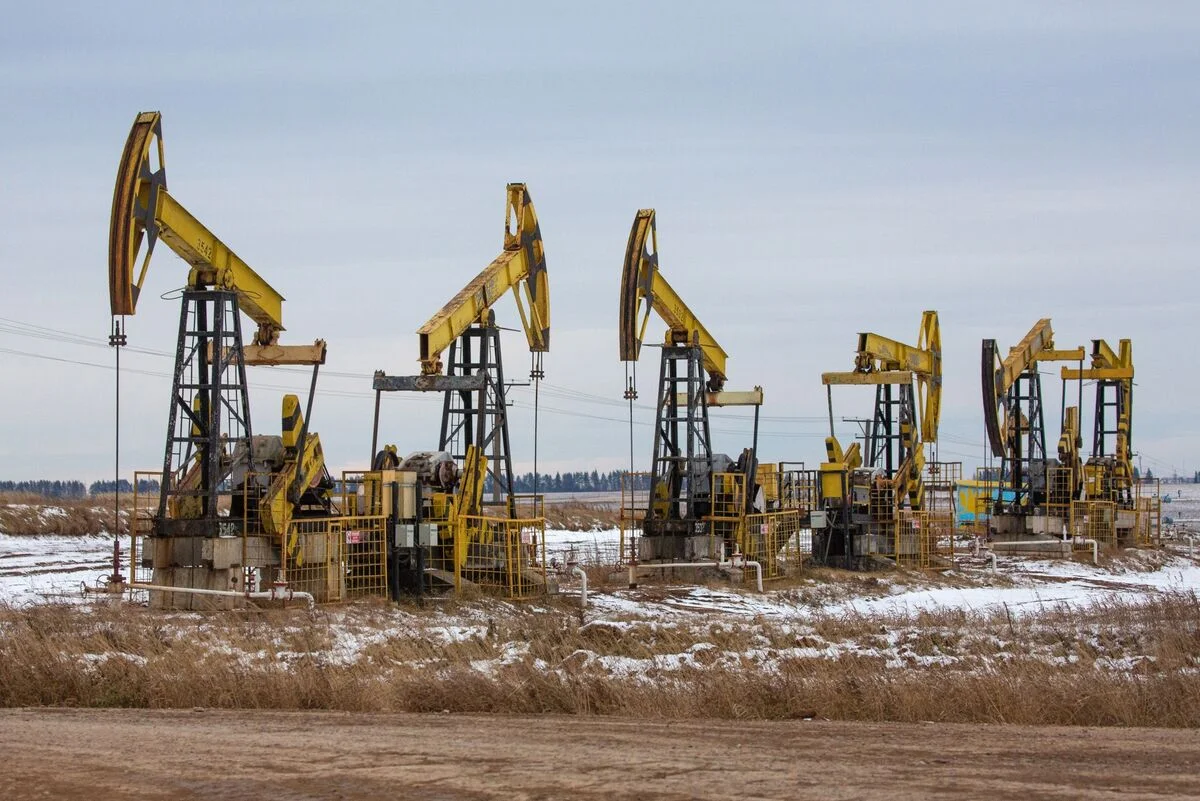
Russia's crude oil exports have increased to their highest in over two years, but delays in offloading at Chinese and Indian ports have caused a significant build-up of tankers at sea, with at least 20 vessels waiting to dock. Despite higher export volumes, falling prices and US sanctions targeting tanker movements have complicated the situation, leading to increased at-sea storage and potential covert transfers.
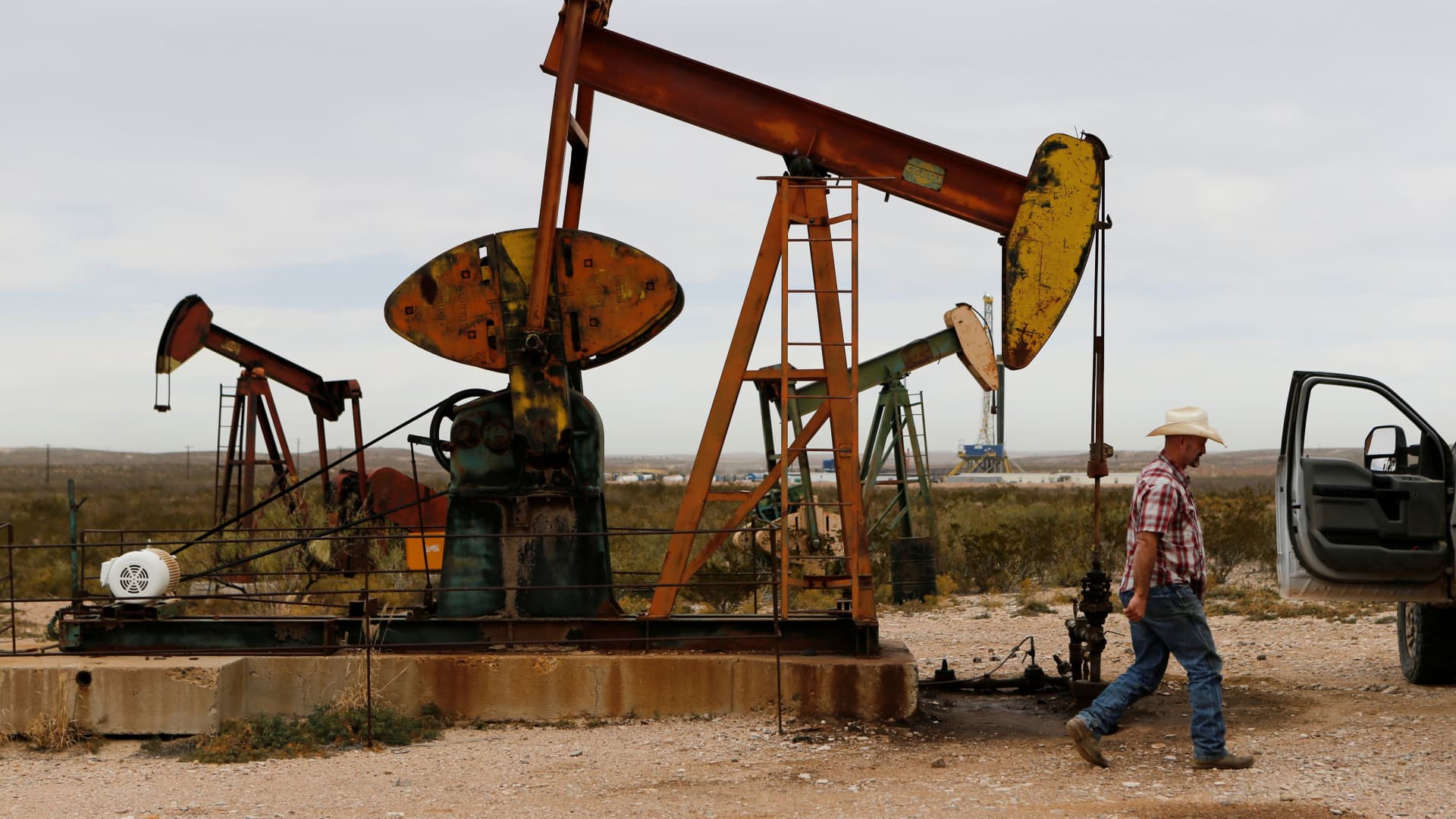
U.S. crude oil prices have dropped to their lowest since early 2021 due to a looming surplus, potential peace in Ukraine, and increased OPEC+ production, with broader economic indicators also showing signs of slowdown.
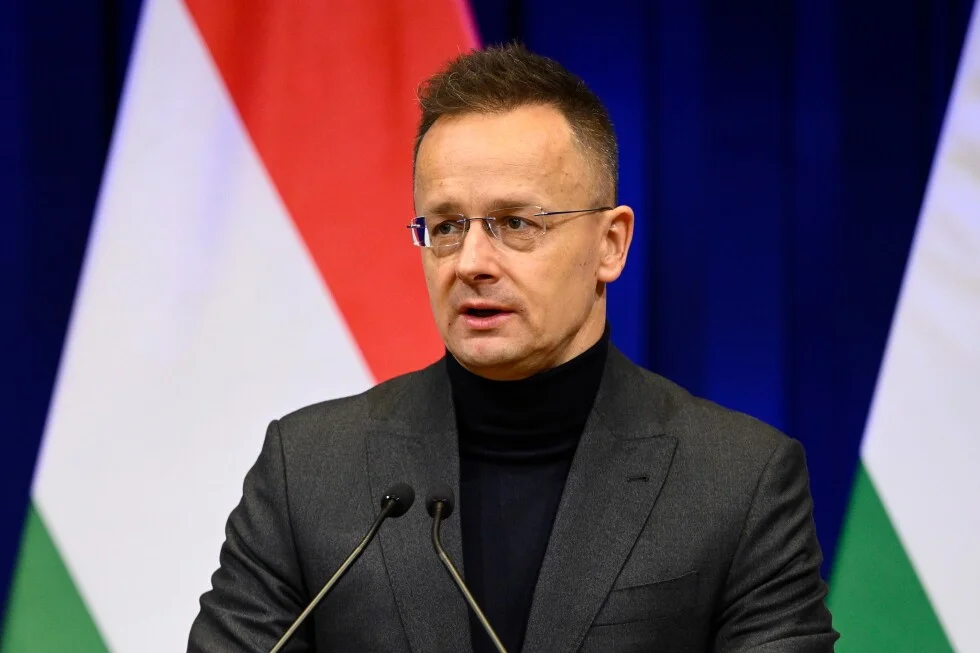
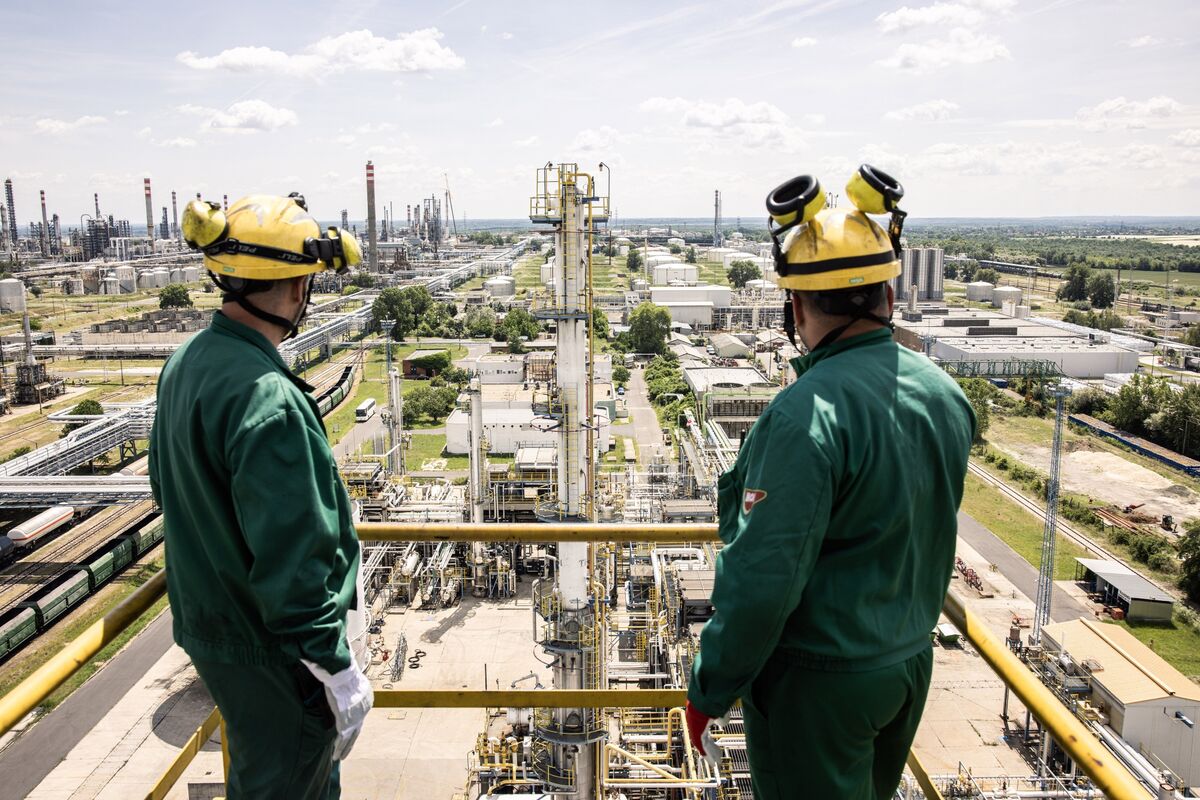
Hungary received a one-year exemption from US sanctions on Russian oil, following negotiations with President Trump, due to its reliance on pipeline imports and unique situation compared to other European countries. The exemption allows Hungary to continue importing Russian oil via the Druzhba and TurkStream pipelines, highlighting ongoing tensions between Hungary and the EU over energy dependence and sanctions policies.
Hungary's Mol is shifting its oil procurement strategy away from Russia, with plans to increase use of non-Russian crude via a Croatian pipeline, ahead of a key meeting between Orban and Trump on Russian oil sanctions, as Hungary seeks to reduce dependence on Russian energy amidst EU phase-out plans.
Russian oil is trading at its steepest discounts to Brent in a year in Asia as Indian and Chinese refiners cut purchases following US sanctions on Russian producers, leading to wider price gaps and potential financial strain on Moscow.
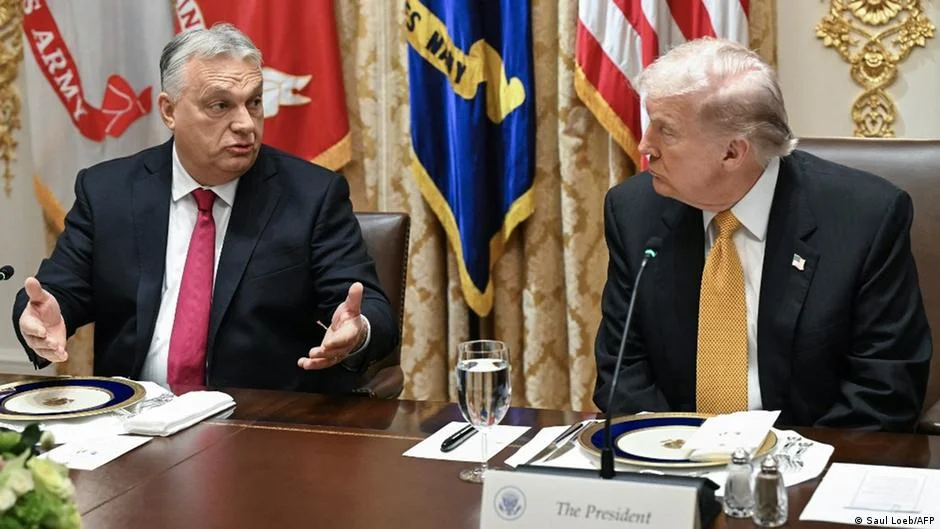
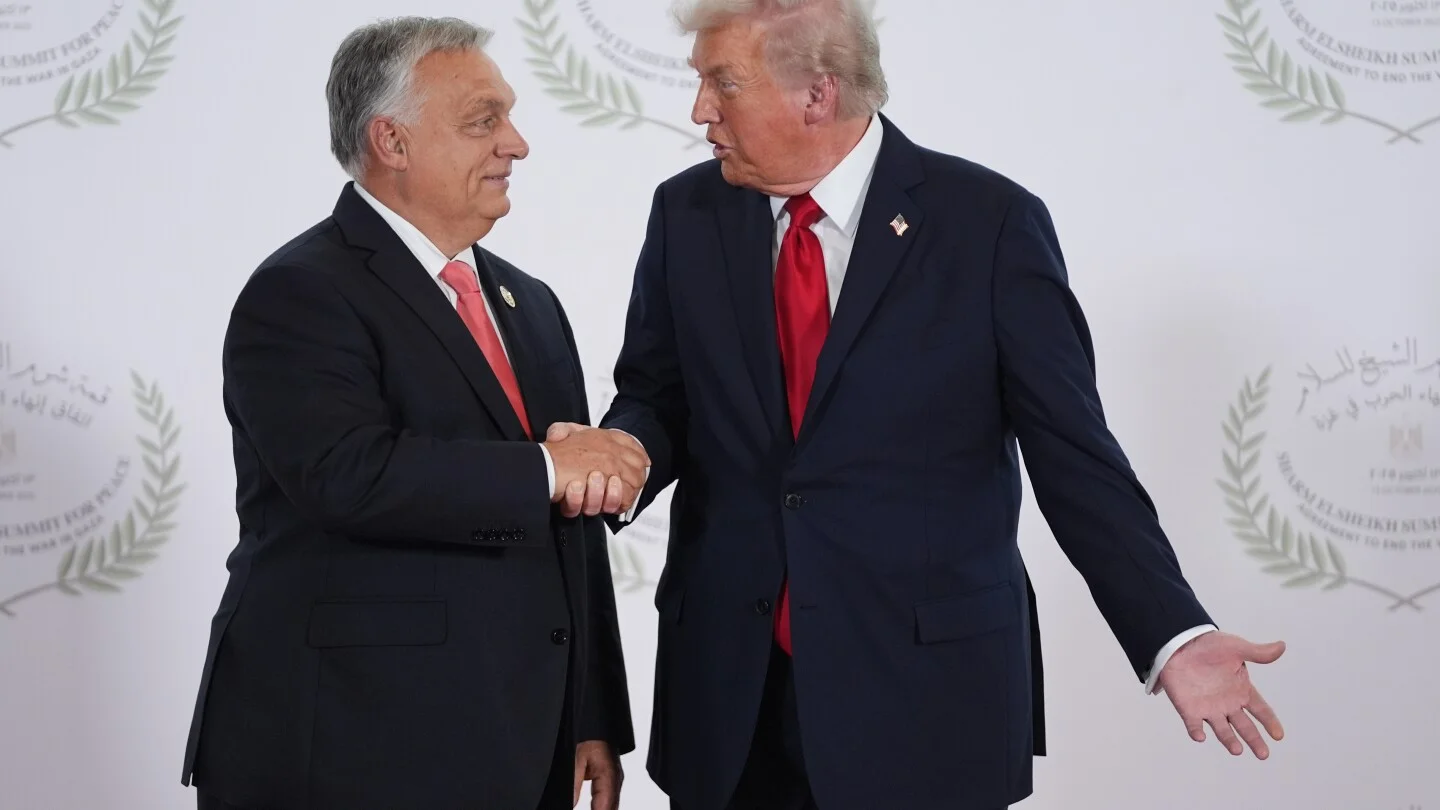
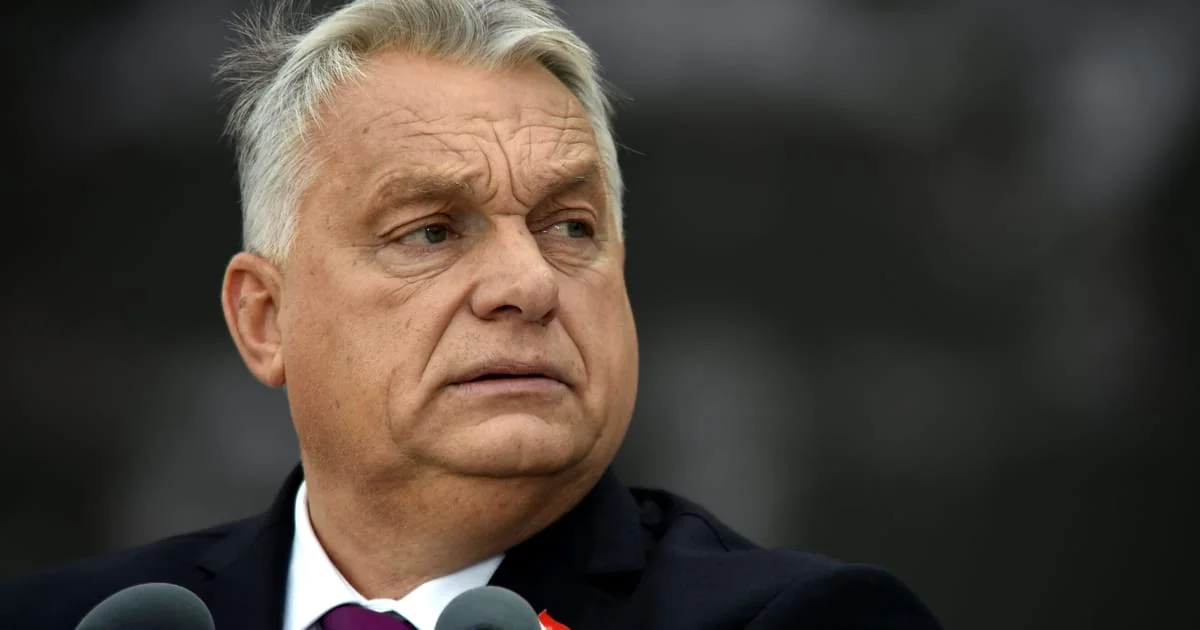
Hungarian Prime Minister Viktor Orbán is visiting President Trump to seek support for Hungary's continued purchase of Russian oil amid international pressure to diversify energy sources and reduce reliance on Russia, highlighting the complex geopolitical ties and Orbán's strategic alliances with Trump and Russia.
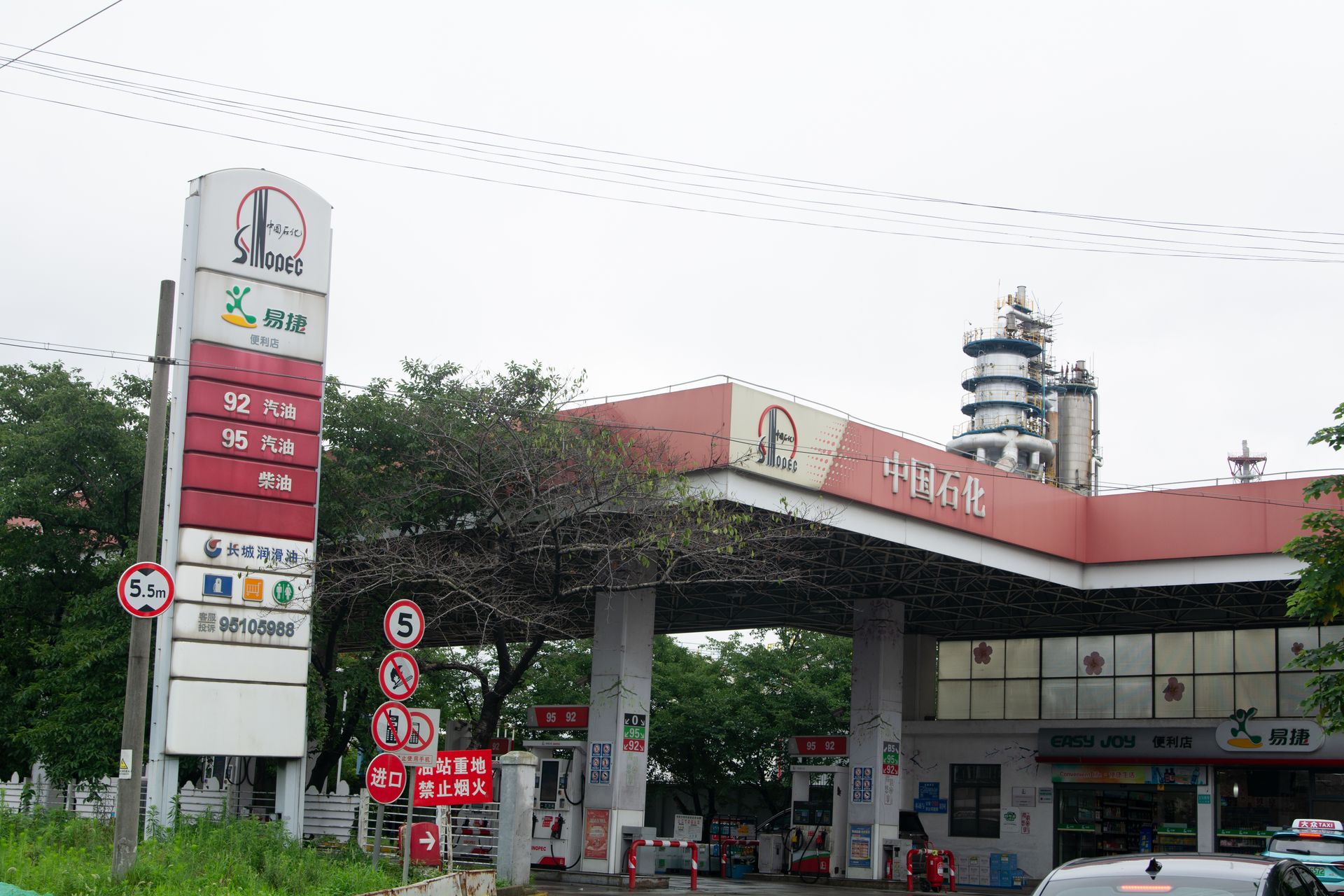
Following US sanctions on Russian oil companies, Chinese refiners like Sinopec and PetroChina are reducing their purchases of Russian crude, affecting about 45% of China's Russian oil imports, as other countries also begin to shun Russian oil due to Western sanctions.
Chinese oil refiners are increasingly shunning Russian oil shipments, especially the ESPO grade, due to US and allied sanctions targeting Russian producers and customers, leading to a significant drop in Russian oil imports by China and impacting global supply dynamics.
Hungary's Prime Minister Viktor Orbán has vowed to find ways to bypass US sanctions targeting Russian oil companies, highlighting ongoing geopolitical tensions and Hungary's stance on the Russia-Ukraine conflict and Western sanctions.
EU countries are moving to ban Russian oil imports, aiming to overrule Hungary and Slovakia's opposition, marking a significant step in Europe's efforts to cut reliance on Russian energy amidst ongoing geopolitical tensions.
The US has imposed sanctions on Russia's largest oil companies, Rosneft and Lukoil, to pressure Moscow to end its war in Ukraine, marking the first such sanctions since Trump returned to office. The move aims to cut off revenue funding the Russian military effort, with coordinated actions from the UK and EU, including potential bans on Russian natural gas and financial dealings, signaling increased international pressure on Russia.
The article discusses India's evolving stance on Russian oil amidst US pressure, highlighting the broader geopolitical tensions involving the US, China, and Russia, and emphasizing India's need to maintain strategic autonomy despite external pressures and internal divisions.
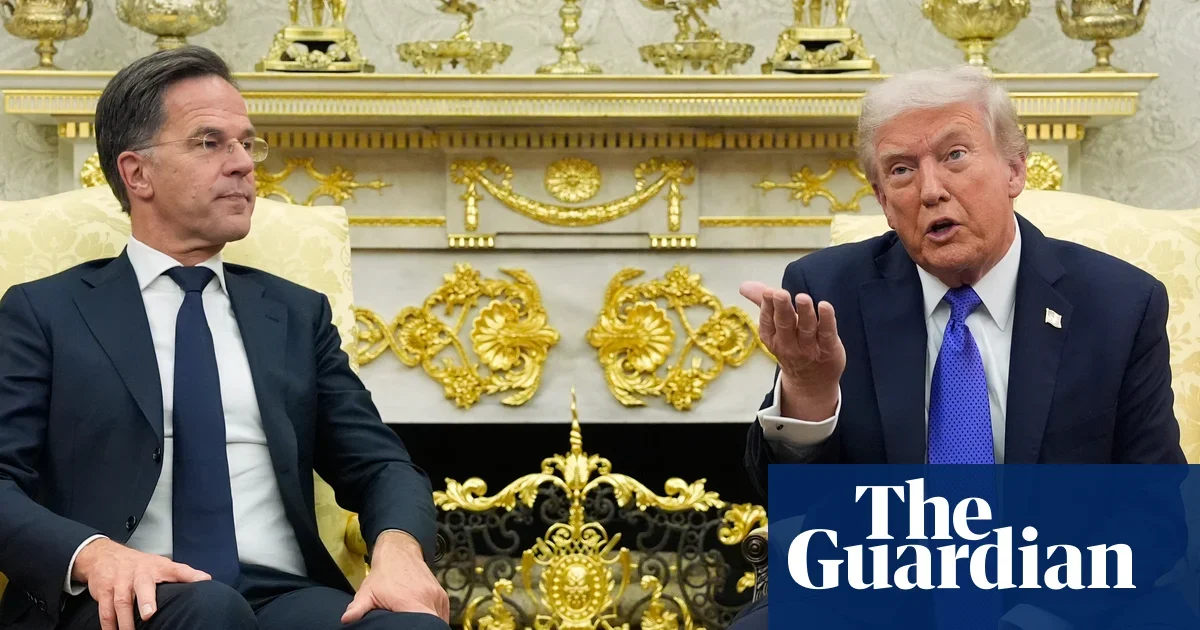
Donald Trump claimed that Narendra Modi pledged India would cease purchasing Russian oil, highlighting a potential shift in India's energy policy amid geopolitical tensions.
Trump predicts India will cease buying Russian oil, amid ongoing trade tensions and tariffs imposed after India’s purchase of Russian energy, with discussions of strengthening US-India relations and encouraging China to join the boycott.
The article discusses the complex and interconnected global oil market, highlighting recent shifts such as OPEC+ production cuts, Russia's continued exports despite sanctions, and the impact of geopolitical tensions on oil prices and energy security. It emphasizes the rising demand, especially from Asia, and the strategic moves by countries like China, India, and Venezuela, while also considering the implications of energy transition policies like the European Green Deal.