A Type-Moon fan reported that their imported Tsukihime Trial Edition—one of only 50 copies—arrived damaged after transit, with bubble wrap removed and the floppy disk destroyed, sparking discussion about shipping risks to ultra-rare adult visual novels.
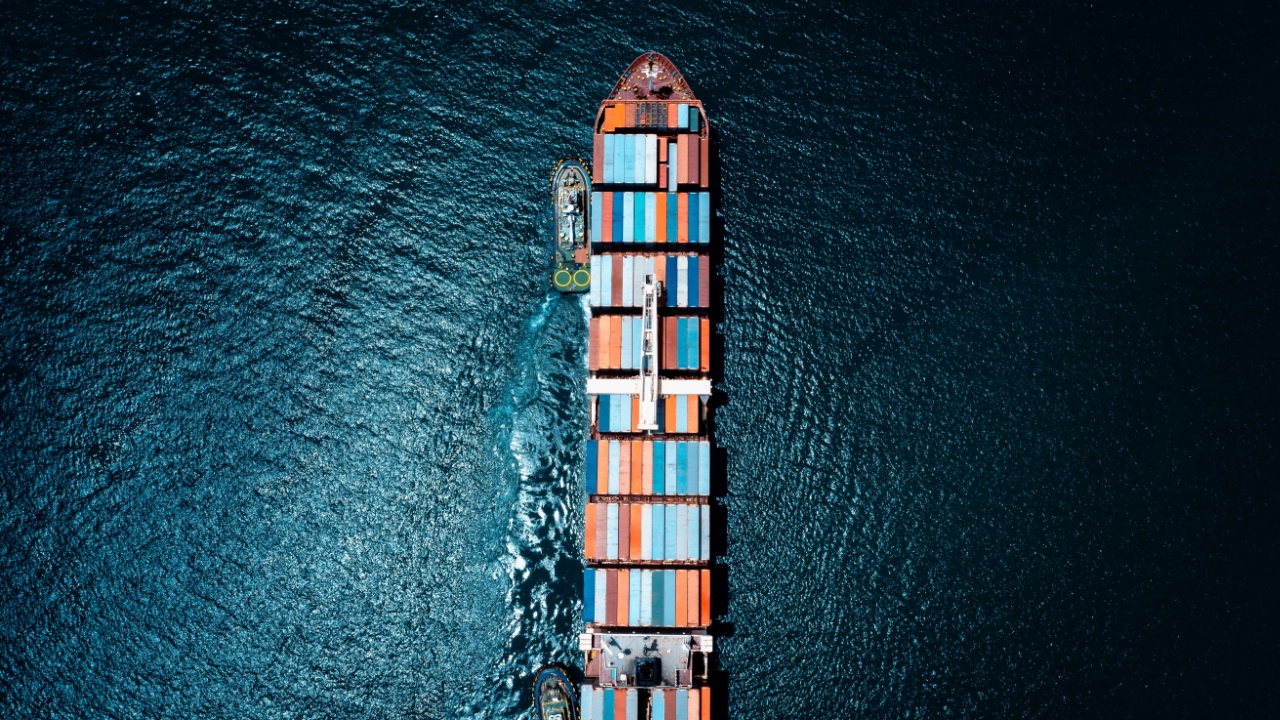
Germany’s Hapag-Lloyd is set to acquire Israel’s ZIM Integrated Shipping Services in a $4.2 billion deal, signaling a major consolidation in the container shipping industry.
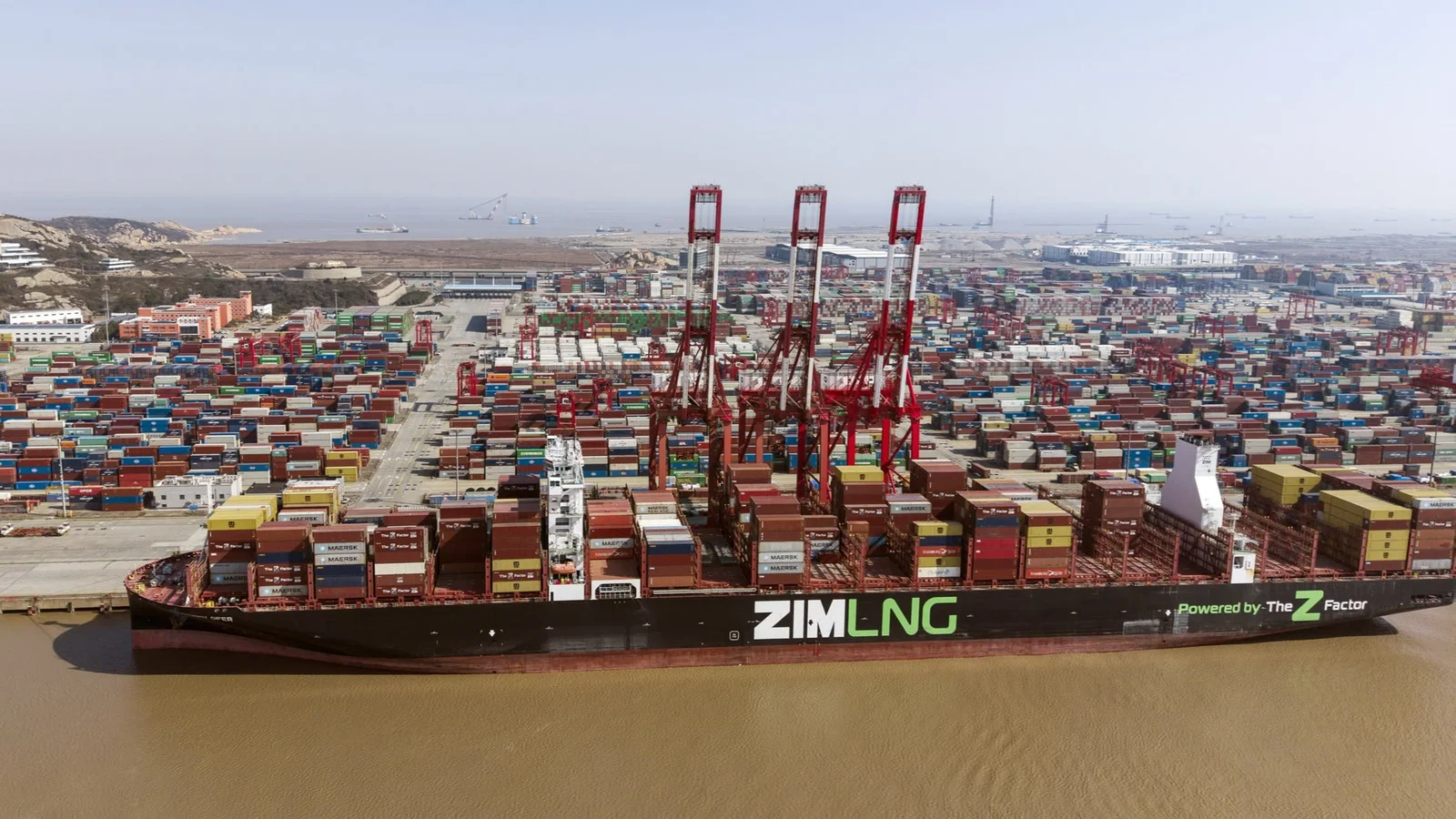
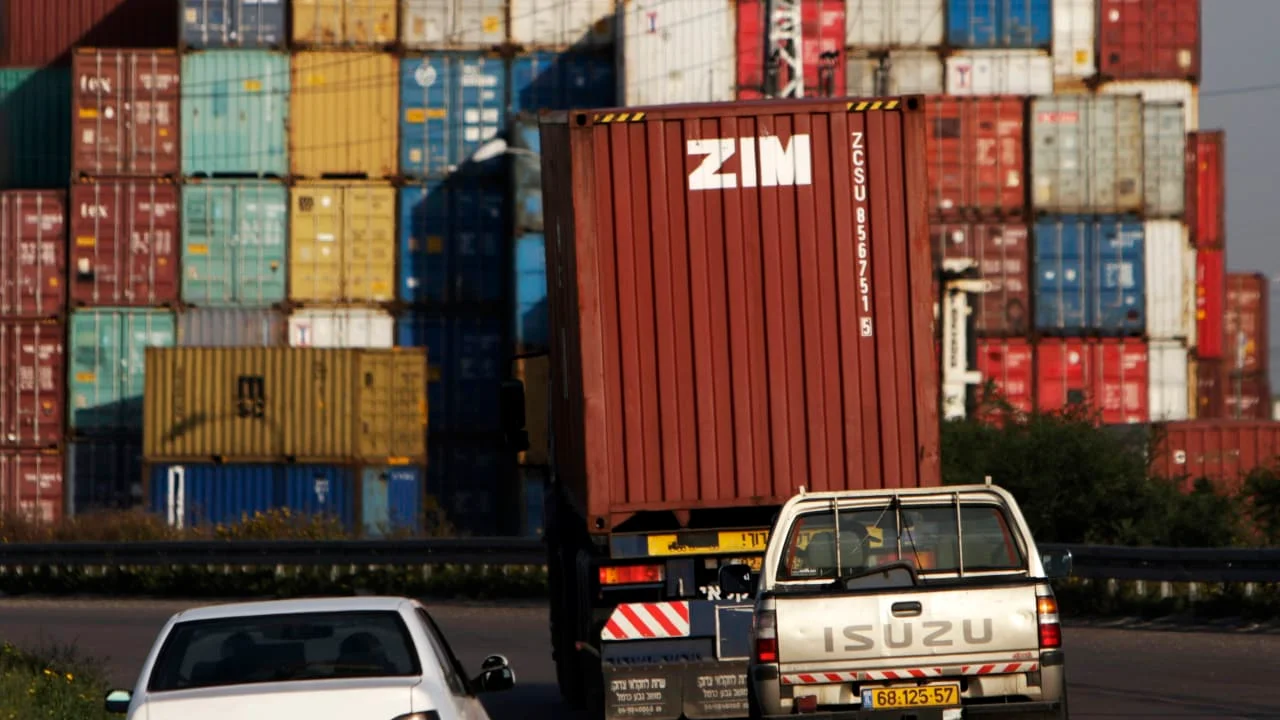
Israel's ZIM will be sold for about $4.2 billion to a German-Israeli partnership of Hapag-Lloyd and FIMI Opportunity Funds, with Hapag-Lloyd running international operations and FIMI Israeli assets. The deal, approved by ZIM’s board, aims to bypass the government’s golden share but faces pushback from workers, politicians and Haifa officials who warn it could threaten Israel’s economy and security.
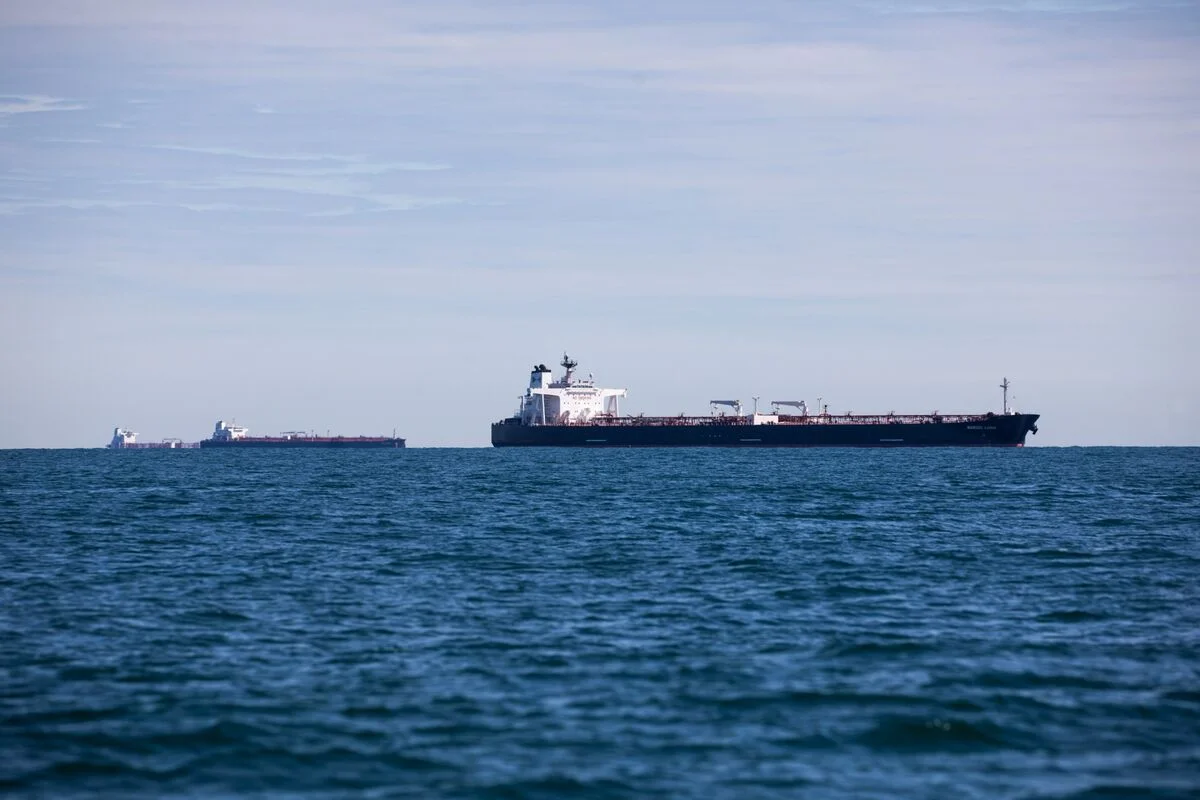
The European Commission proposed its broadest sanctions package yet on Russian crude, banning European firms from providing shipping, insurance, financing and other maritime services for Russian oil at any price. The plan would also widen Moscow’s shadow fleet sanctions (adding dozens of vessels to the blacklist) and tighten import bans on metals, chemicals and minerals. European Commission President Ursula von der Leyen says the measures will raise the cost and risk of selling Russian oil and push Moscow toward peace talks, as the US tightens enforcement on related fronts. While unlikely to halt flows entirely, the package would push more oil into high-friction channels, increasing logistics complexity and shrinking margins; EU unanimity on the measures remains a hurdle.
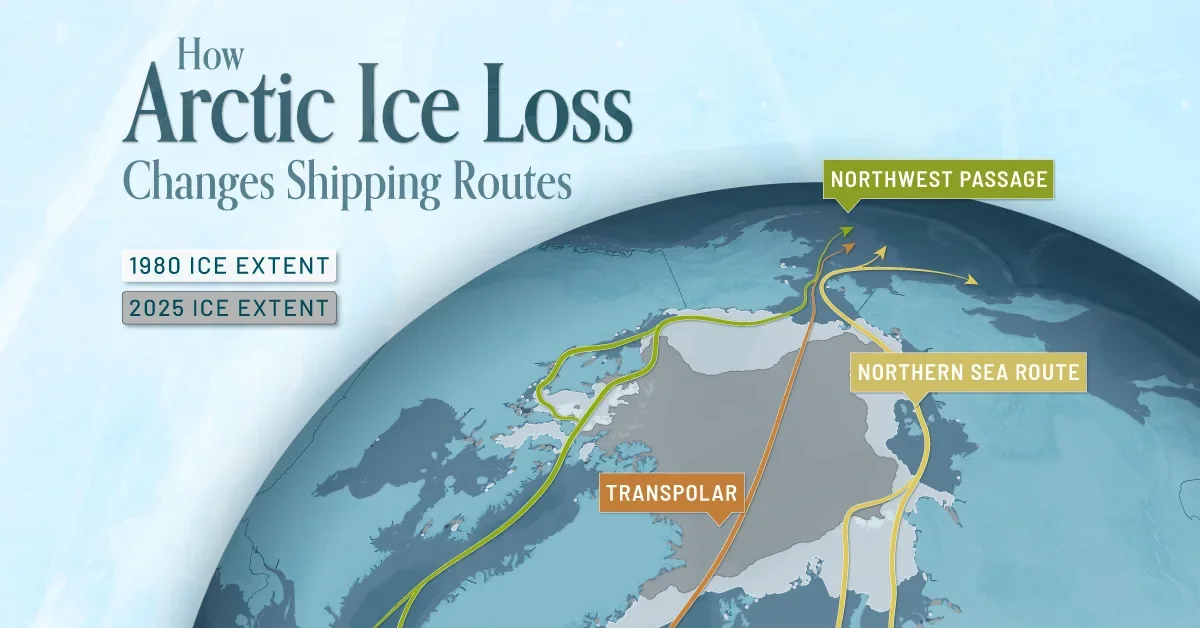
Rapid Arctic warming is opening significant shortcuts for global trade: Arctic shipping has risen 37% over the past decade, and 2025 alone saw the Greenland ice sheet shrink by 129 billion metric tons while the Arctic’s minimal ice extent fell about 39% since 1980. Key routes like the Northern Sea Route and Northwest Passage are shortening distances—2025 China–Europe transit took about 20 days (7,850 nautical miles) compared with the Suez route’s ~27 days (11,167 nautical miles)—and the proposed Transpolar Route could become viable by 2059, boosting navigable seasons and geopolitics around Russia and others. The visualization aggregates data from NASA, World Bank, NOAA, and ArcData.
A 19FortyFive piece argues Iran has used the threat of closing the Strait of Hormuz as a coercive bargaining tool. It notes that while a full, sustained closure is unlikely given U.S. and allied naval superiority, even intermittent disruption could raise insurance costs, disrupt routes, and push global oil prices higher. Iran’s asymmetric toolkit—mines, drones, missiles, fast boats—could cause episodic traffic halts, but maintaining long-term denial would be difficult. The likely global response would involve a U.S.-led naval surge, mine countermeasures, coalition involvement, and potential strategic oil reserve releases, with the broader takeaway that Hormuz is a critical leverage point that could hurt both sides and trigger economic spillovers.
A Ukrainian drone attack on a Russian tanker in Rostov-on-Don resulted in two deaths, a fire, and damage to port infrastructure, amid escalating maritime conflicts in the Black Sea region involving Ukraine and Russia, raising concerns over civilian safety and environmental risks.
The U.S. Postal Service announced a new initiative to open its last-mile delivery network to a broader range of shippers through a bid solicitation process, aiming to enhance delivery options, reduce costs, and increase revenue, with bids opening in early 2026.
Turkish shipping company Besiktas Shipping announced it will cease all operations involving Russia following a series of explosions on its tanker off Senegal and recent attacks on Russia-linked vessels in the Black Sea, citing increased security risks despite compliance with Western sanctions.
Russia's seaborne crude shipments have sharply declined due to US sanctions, leading to increased oil at sea and reduced export revenues, with major buyers like China, India, and Turkey cutting back on purchases, though some believe the disruption may be temporary.
UPS reported better-than-expected third-quarter earnings of $1.74 per share on $21.4 billion in sales, leading to a 14% premarket stock increase, despite ongoing challenges from lower volumes and higher costs. The company's stock has declined significantly this year, with a high dividend yield signaling investor concern about future cuts. Analysts have adjusted their earnings estimates downward for 2026 due to ongoing volume challenges, but the stock remains a focus of investor attention amid a challenging shipping environment.
The United States plans to impose penalties on ships, seafarers, flags, and officials if the International Maritime Organization (IMO) approves a new carbon tax, according to TradeWinds, a global shipping news source.
The UN's IMO is set to approve new greenhouse gas emission rules for ships, aiming to reduce global shipping emissions by 40%, but the US opposes the regulations, citing concerns over costs and economic impact, potentially leading to international tensions and retaliatory measures.
FedEx reported better-than-expected Q1 earnings with adjusted EPS of $3.83 on sales of $22.2 billion, surpassing Wall Street estimates, and provided full-year revenue growth guidance of 4-6%, leading to a nearly 6% rise in after-hours stock trading, signaling a relief for investors amid recent shipping industry challenges.
Apple has begun shipping the first pre-orders of the iPhone 17, iPhone 17 Pro, Pro Max, and iPhone Air, with some customers seeing their orders marked as 'Shipped' ahead of the official release date on September 19. Customers can check their order status for updates, and even if not yet shipped, their devices are likely on the way. Apple often updates shipping statuses close to the release date, and delivery may occur earlier than expected.