The Syrian government announced a comprehensive ceasefire after days of violence in Druze areas, while Israel conducted extensive strikes on Gaza targets. The region remains tense with ongoing conflicts involving Hezbollah, Iran, and various factions, amid efforts by regional and international actors to stabilize the situation.

Stock futures rose after President Trump announced a ceasefire timeline for Iran and Israel, easing market concerns despite recent military tensions and a retaliatory attack in Qatar. Major indices gained, oil prices fell, and investors await Federal Reserve comments on monetary policy.
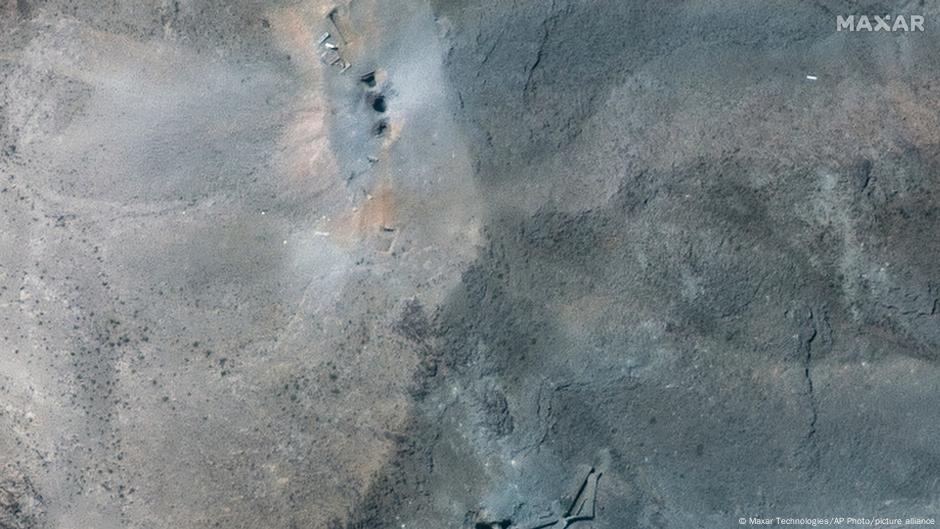
The article reports on recent US airstrikes on Iran's nuclear facilities, Iran's response including threats to close the Strait of Hormuz, increased regional tensions, Israeli strikes in Iran, and international reactions condemning the US actions, which have significantly escalated the conflict in the Middle East.
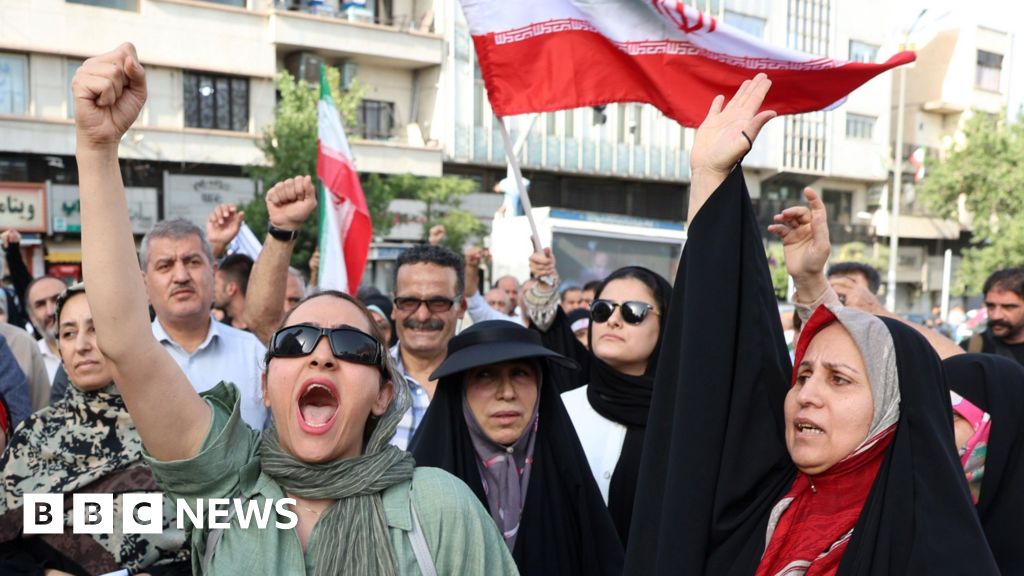
Following US strikes on Iran's key nuclear sites, Iranians express fear, anger, and resilience, with some calling for national unity and others warning of potential escalation, amid restricted internet access and ongoing regional tensions.
Israel continues its targeted strikes against Iranian military and nuclear sites, killing senior IRGC officers and damaging Iran's nuclear capabilities, while Iran has launched drone and missile attacks on Israel, with some success, amidst ongoing regional tensions.
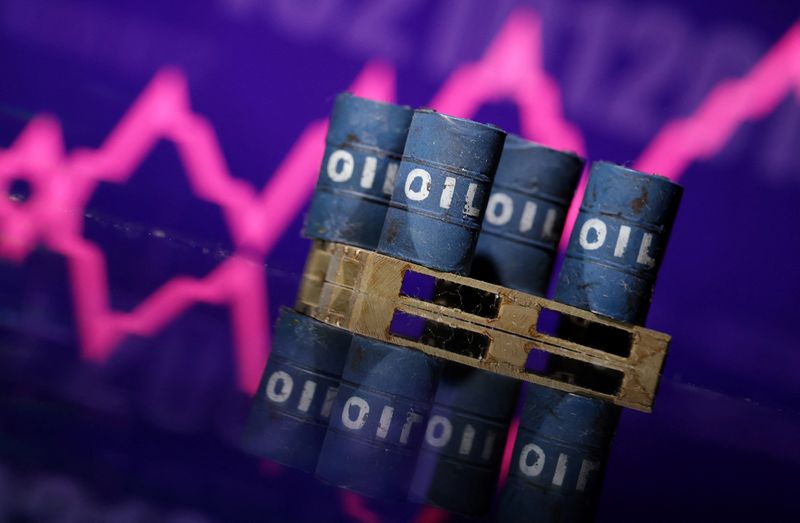
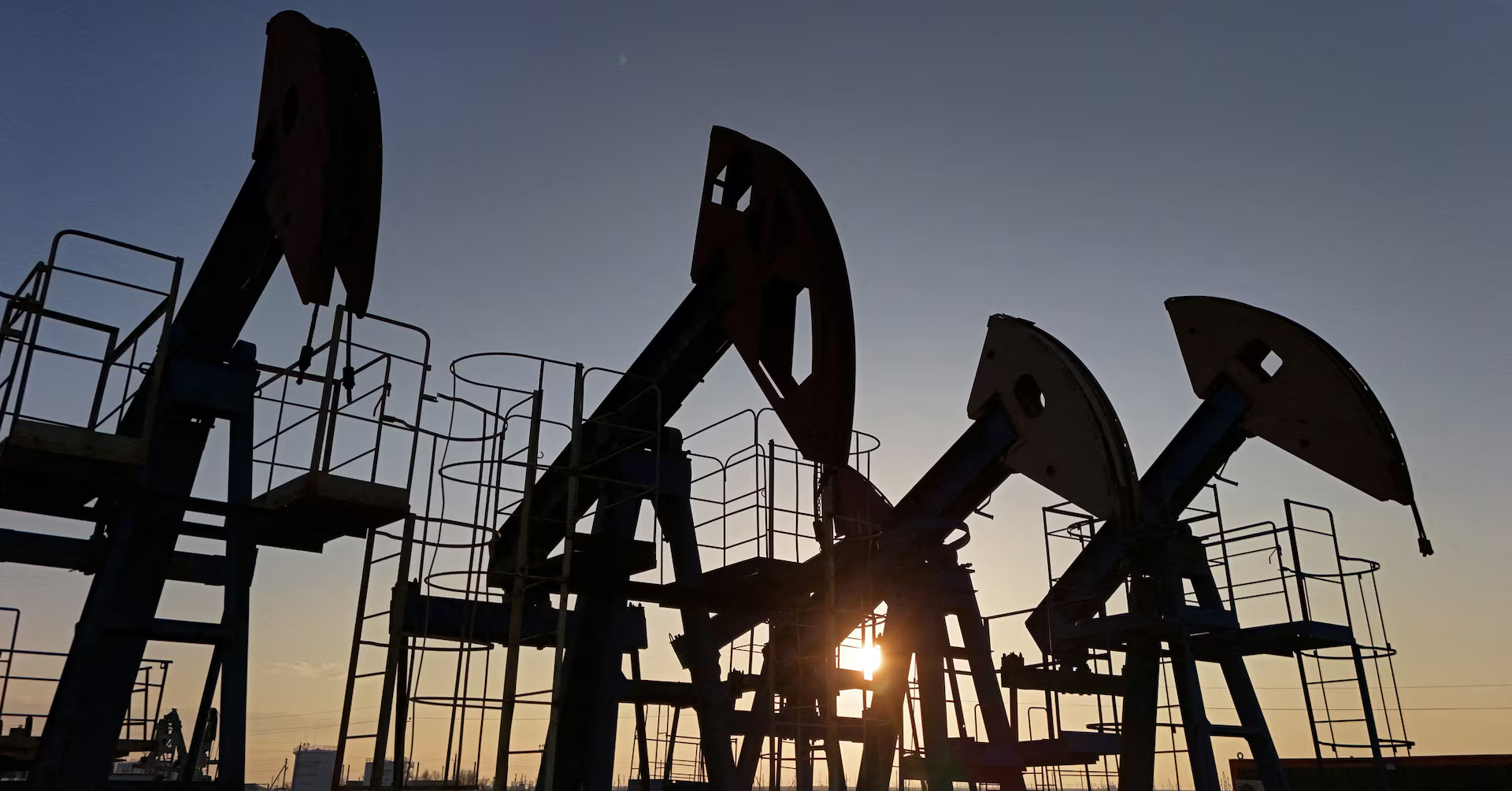
US oil producers are increasing their hedging activities to lock in profits amid rising oil prices caused by geopolitical tensions between Israel and Iran, with record volumes on the Aegis Hedging platform reflecting a strategic move to mitigate future price volatility.
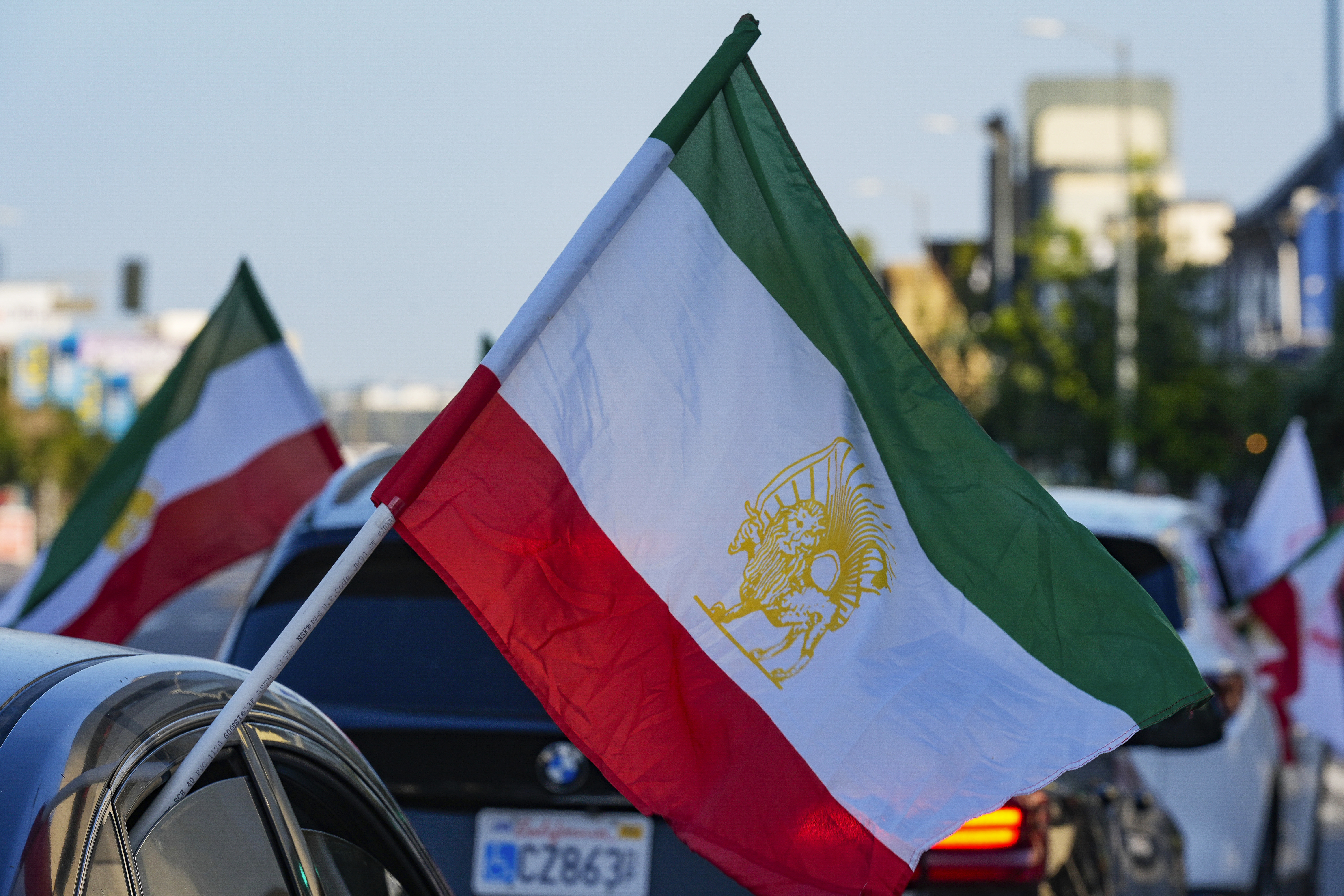
The Iranian-American community in Southern California is at a pivotal moment amid tensions between Iran and Israel, with community leaders urging local politicians to oppose U.S. military involvement in Iran and advocating for democratic change within Iran, while also navigating complex political and cultural divisions.
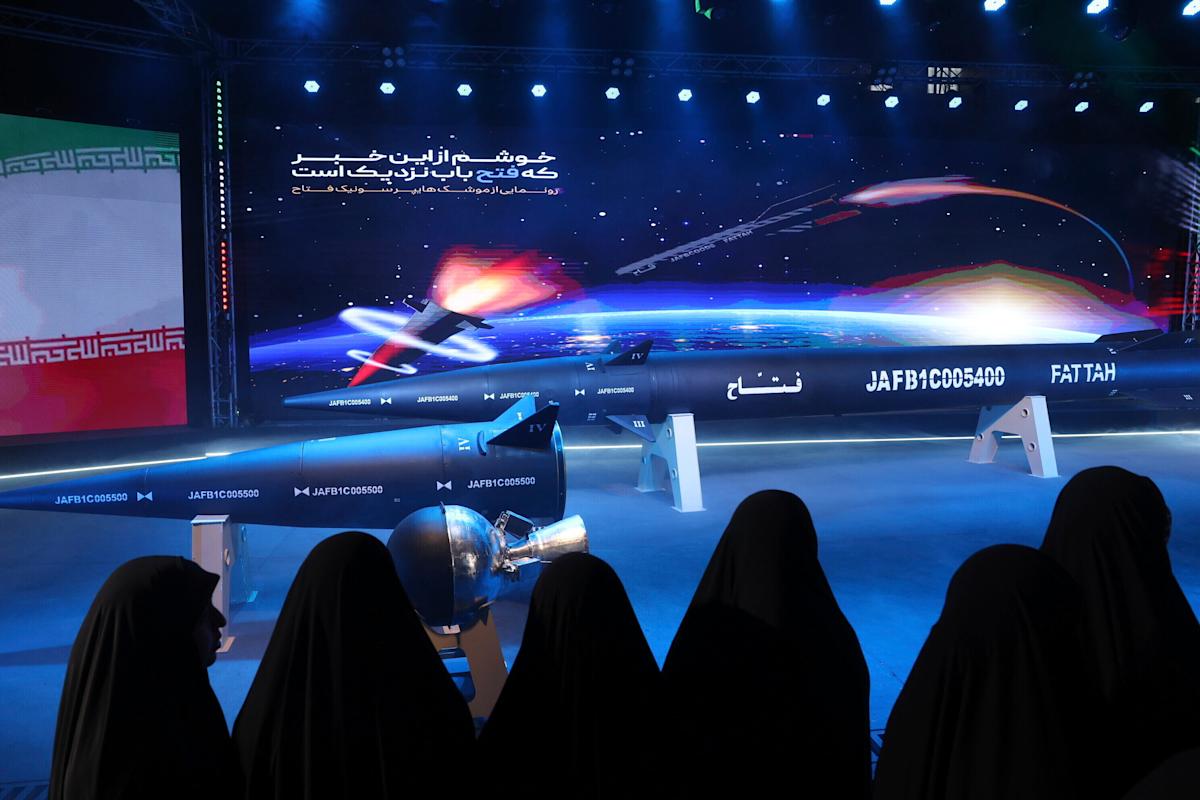
Iran claims to have fired hypersonic missiles at Israel, but experts are skeptical about the authenticity of these claims and the capabilities of Iran's missile technology. Hypersonic missiles, which travel faster than Mach 5 and are highly maneuverable, pose a significant challenge to missile defense systems, but currently only the US and China have developed advanced hypersonic weapons. Russia has claimed to use hypersonic missiles in Ukraine, though experts debate their true capabilities. The development and deployment of hypersonic weapons continue to influence global military dynamics and security concerns.
Oil prices increased as the Iran-Israel conflict entered its sixth day, raising concerns over potential supply disruptions in the Strait of Hormuz, a key oil route. The conflict has prompted military deployments and heightened geopolitical tensions, impacting global oil markets amid broader economic considerations including U.S. Federal Reserve interest rate discussions.
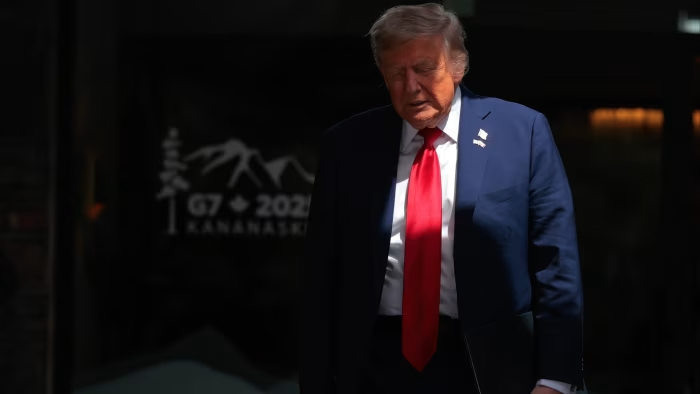
Donald Trump announced he would leave the G7 summit early to address the escalating Iran-Israel conflict, amid ongoing diplomatic efforts for a ceasefire and de-escalation in the Middle East, with the US increasing military presence in the region.
Social media claims of three ships on fire in the Gulf of Oman near the Strait of Hormuz remain unverified by authorities, amid heightened tensions in the region related to Iran-Israel conflicts and concerns over disruptions to global oil supplies. The incident, if confirmed, could escalate regional tensions and impact global markets, especially given the strategic importance of the Strait of Hormuz.
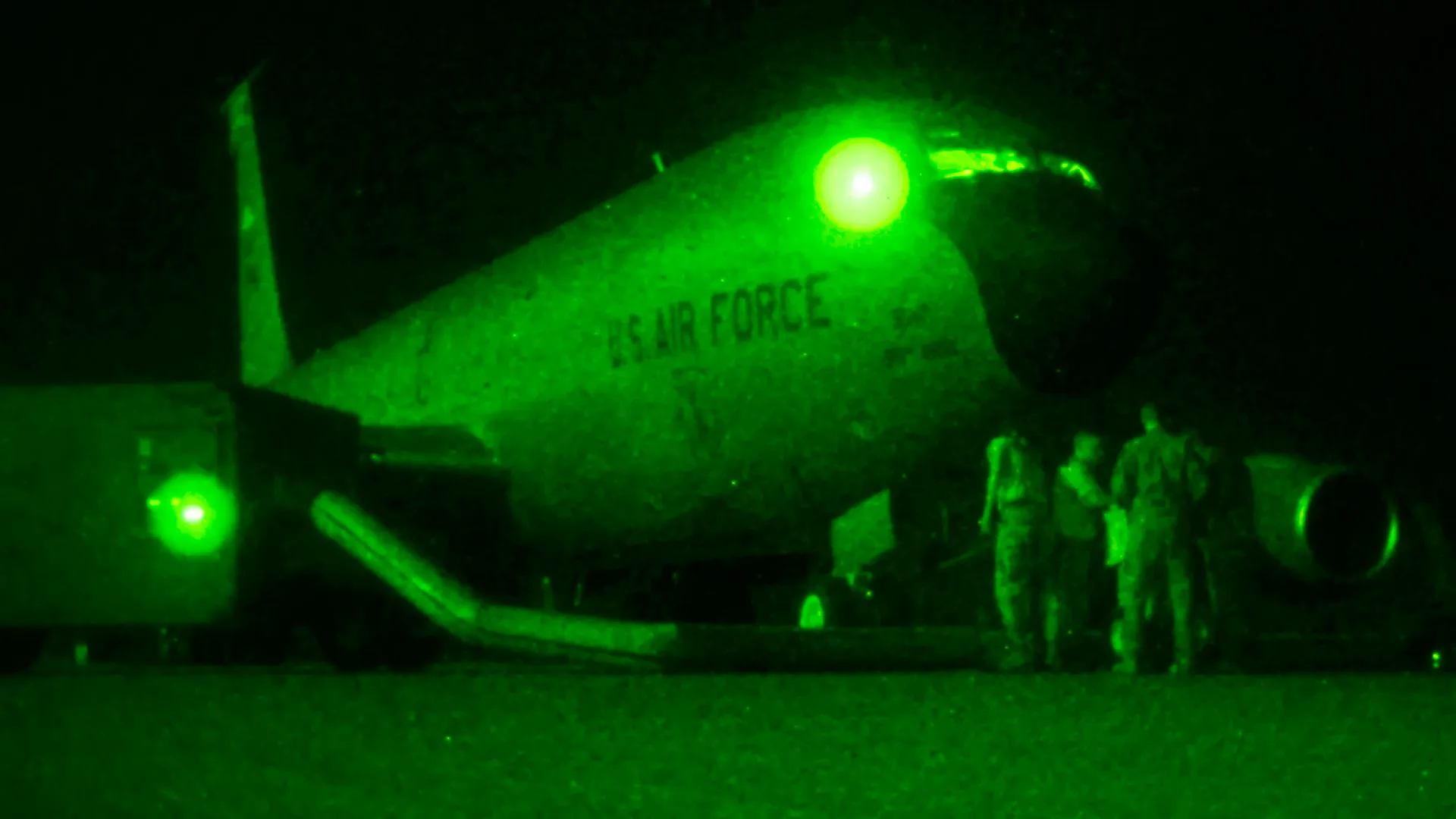
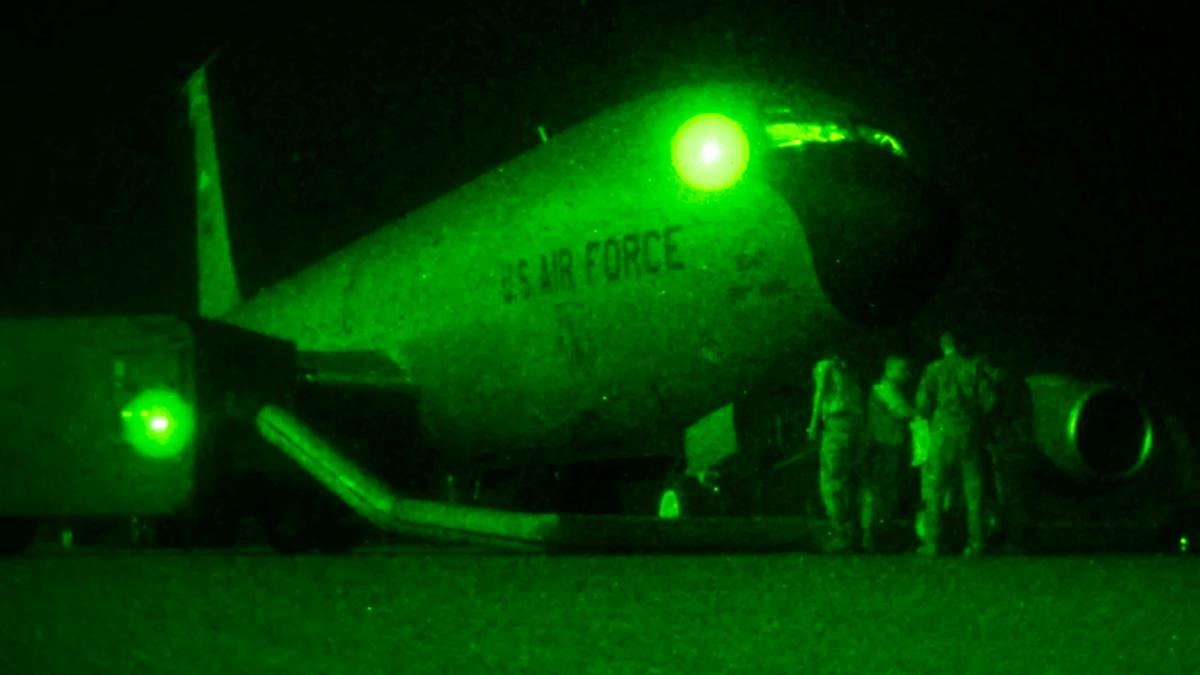
Over 28 US Air Force tankers were deployed east over the Atlantic, sparking speculation about potential support for Israel, preparations for direct involvement in the Iran-Israel conflict, or strategic positioning for regional security. The movement could indicate plans for aerial refueling support, increased US involvement, or a broader military contingency in the Middle East amid ongoing tensions.
Over 28 US Air Force tankers were deployed east over the Atlantic, sparking speculation about their purpose amid the Iran-Israel conflict. Possible reasons include increasing aerial refueling support for Israel, preparing for direct US involvement, contingency planning for blocking the Strait of Hormuz, or establishing a global airbridge. The movement indicates heightened military readiness and strategic planning in response to regional tensions.
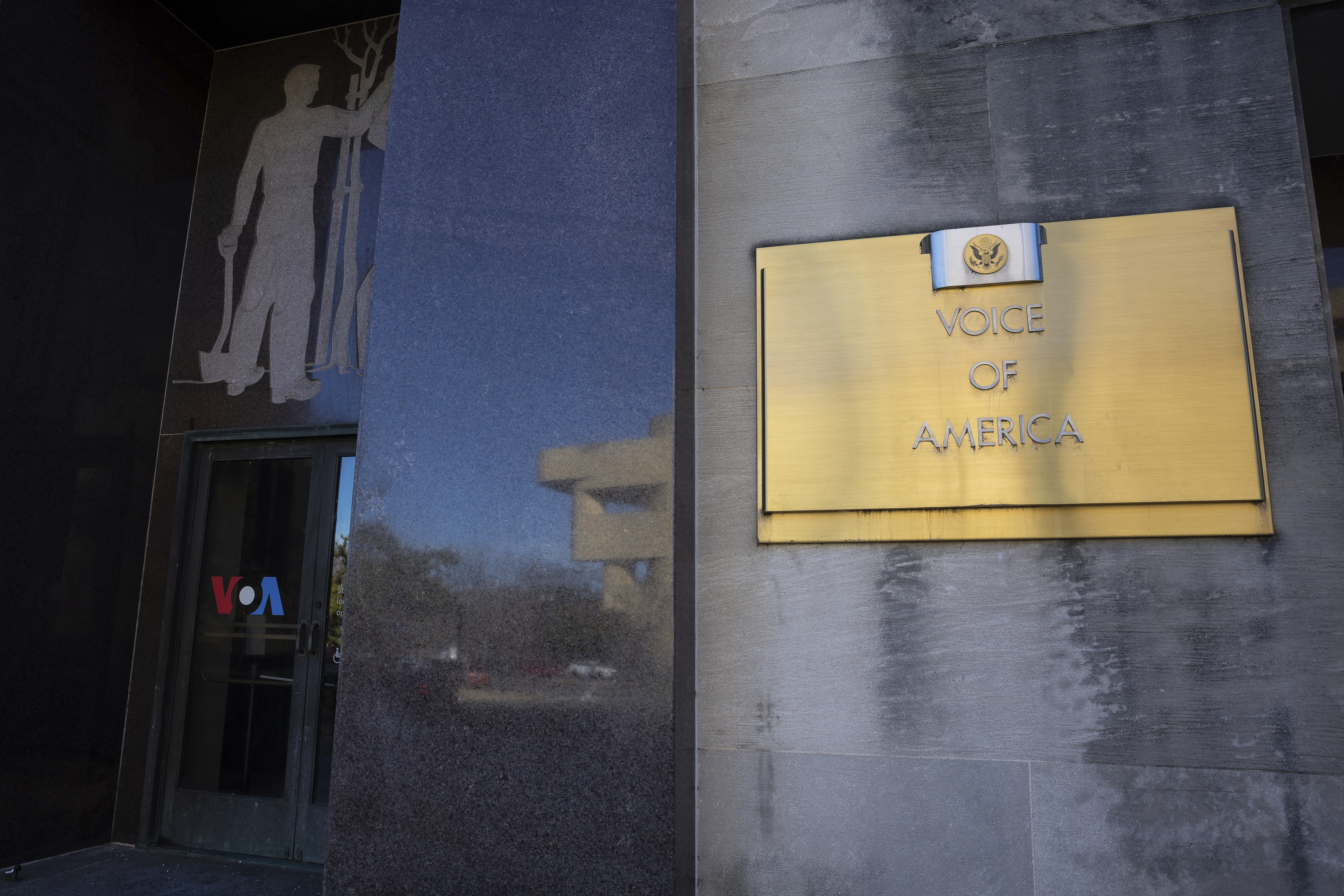
The US has recalled employees of Voice of America's Persian service amid escalating Iran-Israel tensions, after being on administrative leave due to Trump's media shutdown order, highlighting ongoing struggles and the importance of the service for breaking news coverage.
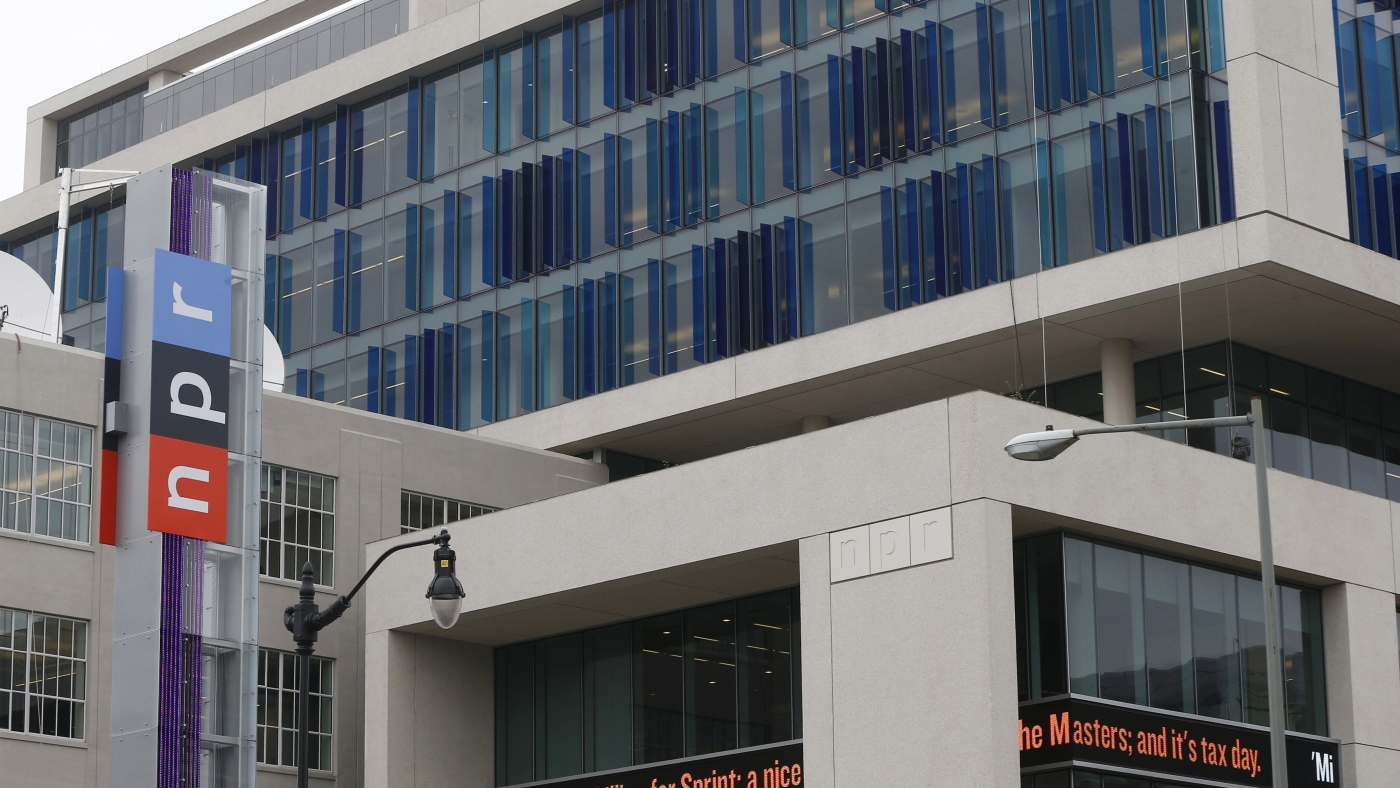
The House narrowly approved a bill to cut $1.1 billion in funding for NPR and PBS, amid accusations of bias, while the Senate's approval is pending. Meanwhile, Trump retains control over California National Guard troops despite legal challenges, and Israel conducted strikes in Iran targeting military sites, escalating tensions. Other stories include political protests involving Senator Padilla, climate solutions initiatives, and cultural weekend picks.