Tag

Tail Loss

All articles tagged with #tail loss

science1 year ago

Uncovering the Genetic Basis of Human Tail-Loss Evolution

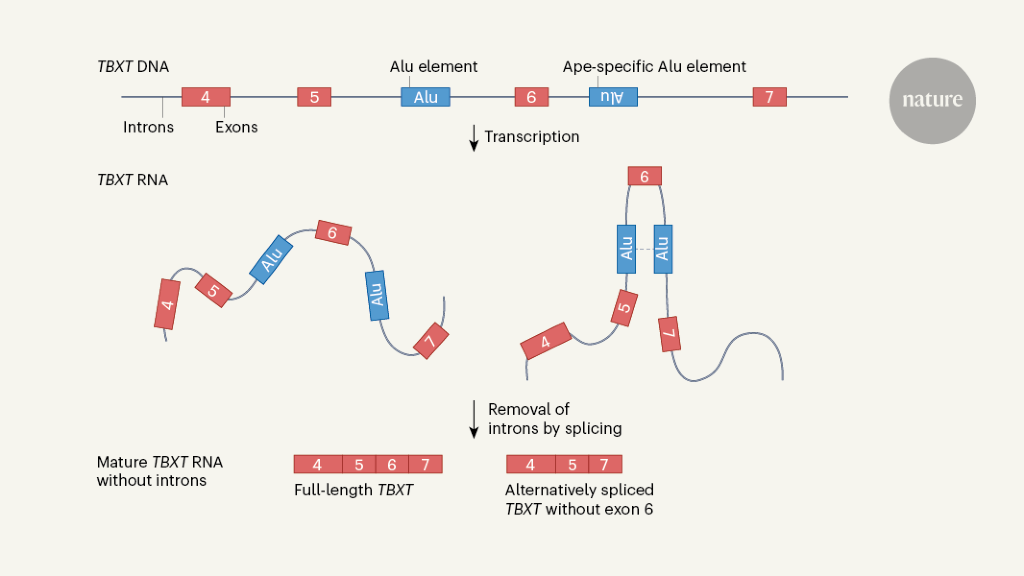
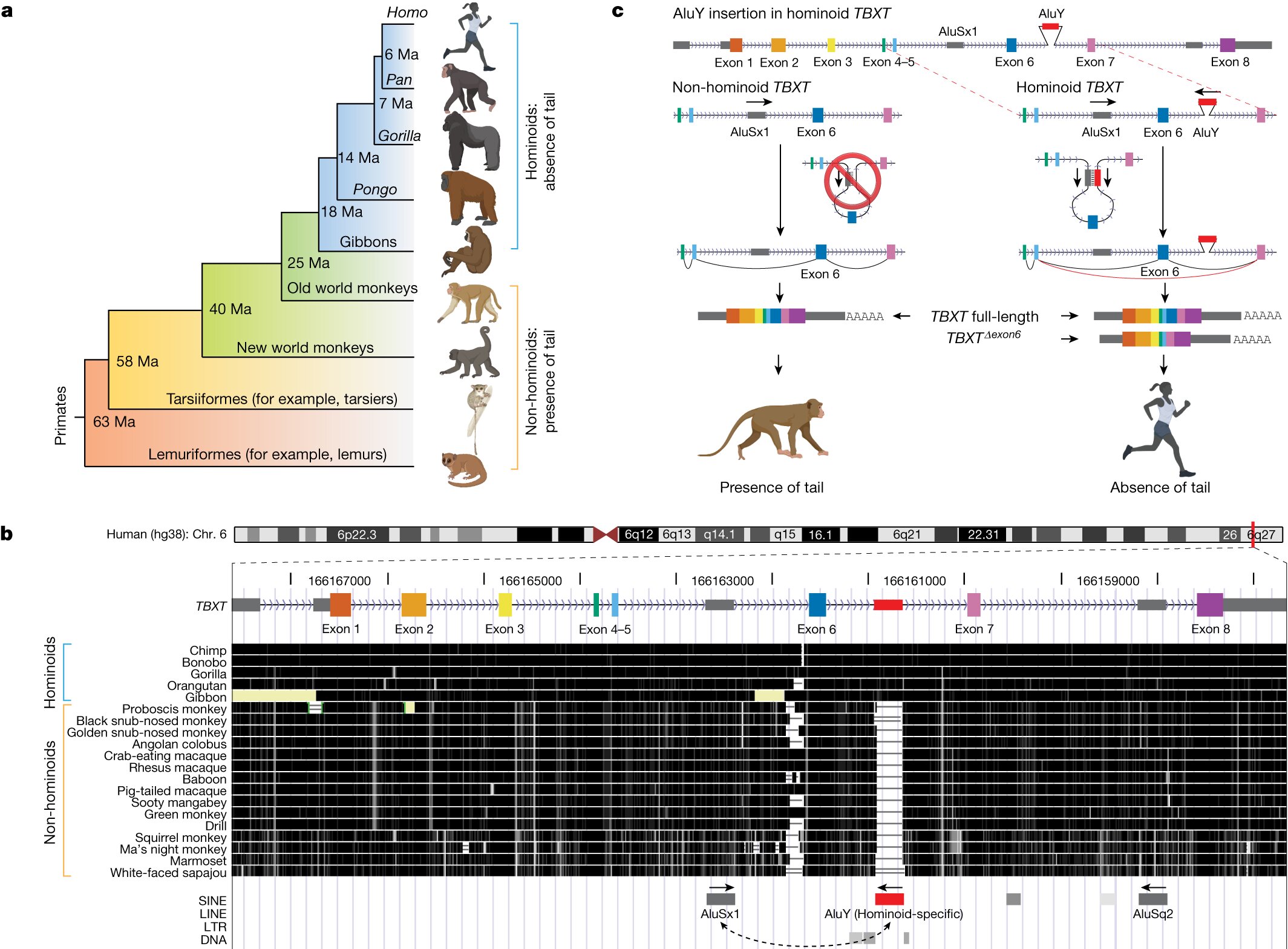
Scientists have discovered that the loss of tails in humans and great apes can be traced back to a genetic sequence called Alu element, previously dismissed as junk DNA, which inserted itself into the TBXT gene associated with tail length. This discovery challenges previous hypotheses and sheds light on the genetic mechanism behind taillessness. The findings may also have implications for understanding neural tube defects and other developmental shifts in early hominoids.
science1 year ago

"The Evolutionary Advantage of Losing Tails: Uncovering the Genetic Code in Humans and Apes"

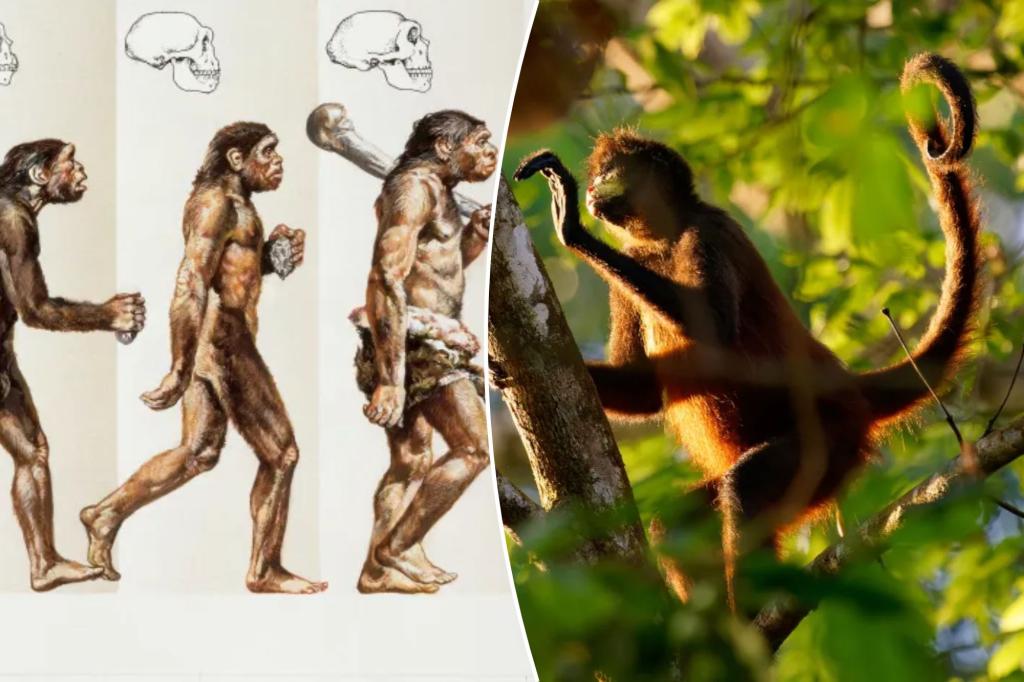
A new study published in Nature explores the genetic changes that enabled our ape ancestors to lose their tails, shedding light on the high mutation rate in humans and the prevalence of genetic diseases. The research identified a genetic mechanism involving "jumping genes" that altered the processing of a tail-determining gene, leading to the evolution of taillessness. While being tailless provided an evolutionary advantage, it also resulted in occasional genetic and developmental diseases, such as spina bifida, as a byproduct. This study challenges the notion of evolutionary progress and highlights the costs associated with genetic changes.

science1 year ago

The Evolutionary Mystery of Human Tail Loss Unraveled

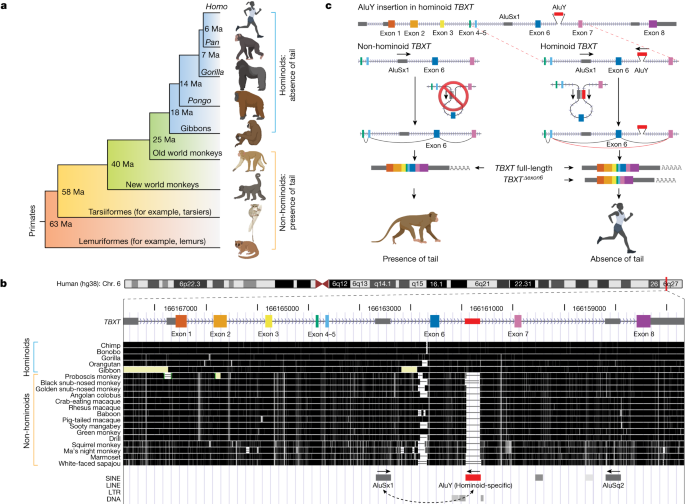
Scientists from NYU Langone Health have discovered that a genetic code snippet called AluY, randomly inserted into early humans and non-tailed apes, played a crucial role in the loss of tails in humans and apes. This finding, published in "Nature," sheds light on the genetic differences between monkeys and early humans, leading to tail loss around 25 million years ago. The study also suggests a potential link between tail loss and an increase in neural tube defects, offering new insights into the evolutionary trade-offs that shaped human development.

science1 year ago

The Evolutionary Mystery of Human Tail Loss Unraveled

After 2.5 years, researchers have identified a genetic change shared by humans and other apes that might have contributed to their ancestors’ tail loss some 25 million years ago. The study involved developing several strains of gene-edited mice to demonstrate the genetic changes' effects, leading to the publication delay. The findings suggest that a DNA insertion in the TBXT gene can lead to shortened or absent tails in mice, shedding light on the genetic mechanisms behind tail loss and length reduction in apes, although it's not the only factor involved. This research provides insight into the evolution of tail loss and its potential impact on apes' ability to walk upright.

science1 year ago

"The Genetic Mystery of Human Tail Loss Unraveled"

A new study led by researchers at NYU Grossman School of Medicine suggests that a genetic change in our ancient ancestors, specifically an insertion of DNA called AluY, may have contributed to the loss of tails in humans and apes. This insertion, found in the TBXT gene, influenced alternative splicing and resulted in a variety of tail lengths, ultimately leading to tail loss. The study provides insight into the genetic mechanisms behind the evolution of tail loss and raises questions about potential trade-offs, such as an increase in neural tube defects, associated with this evolutionary change.

genetics1 year ago

"The Genetic Mystery of Human Tail Loss Unraveled"

The genetic basis of tail-loss evolution in humans and apes is explored, with a focus on the role of Alu elements in the TBXT gene. The study identifies a hominoid-specific intronic AluY element in TBXT that induces alternative splicing, leading to the production of a TBXTΔexon6 isoform. This isoform is found to be associated with tail loss, as evidenced by experiments in human ES cells and mouse models. The findings provide insights into the genetic mechanism underlying the loss of the tail in hominoids and its potential link to human traits such as bipedalism.

science1 year ago

"The Genetic Code Change Behind Human Tail Loss"

A new study led by researchers at NYU Grossman School of Medicine suggests that a genetic change, specifically the insertion of a DNA snippet called AluY into the TBXT gene's regulatory code, may partly explain why humans lost their tails. This finding, published in the journal Nature, sheds light on the evolutionary process that led to tail loss in humans and apes, and may also have implications for understanding neural tube birth defects. The study provides insights into the genetic basis of tail-loss evolution and highlights the complex interplay between genetic mutations and evolutionary adaptations.