Tag

Symbiotic Relationship

All articles tagged with #symbiotic relationship

science1 year ago

"The Unseen World: Hundreds of Tiny Arachnids Reside on Your Face"

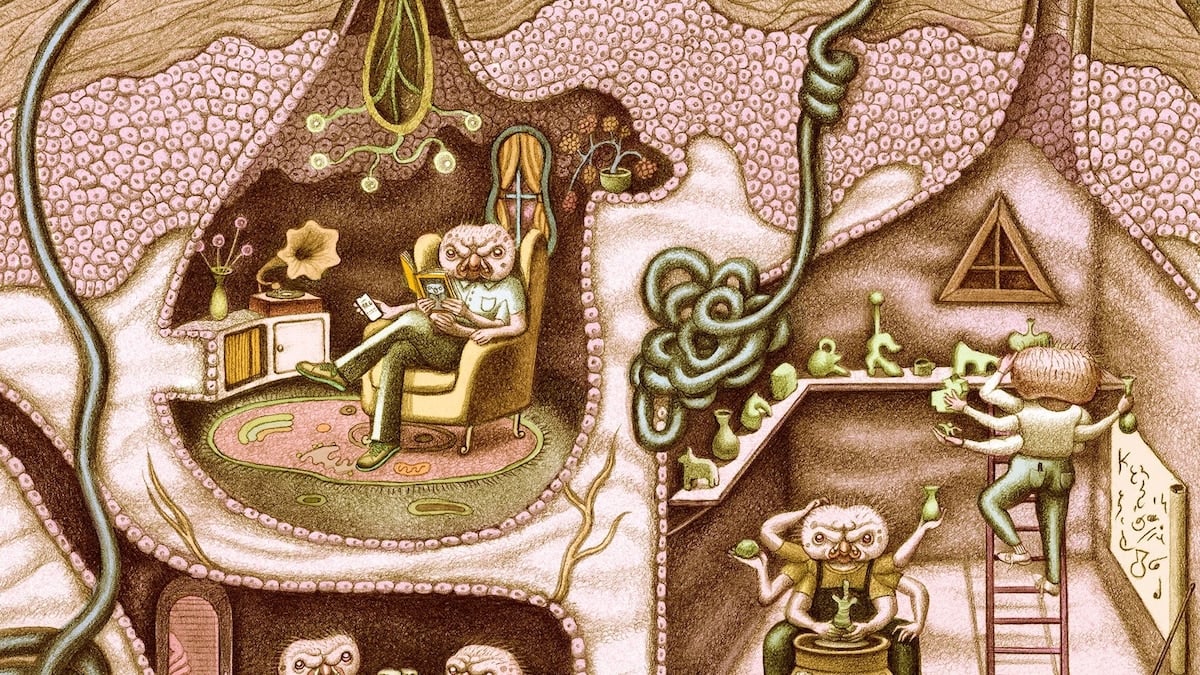
Hundreds or thousands of tiny face mites, related to spiders and ticks, live in the pores of human faces, feeding on dead skin cells and oily sebum. Scientists have discovered at least two species of these mites, and research suggests they may be evolving toward a symbiotic relationship with humans. Despite being initially viewed as potential pests or medical problems, the presence of face mites in virtually everyone is leading to a shift in perspective, with some scientists suggesting they could be beneficial by aiding in housekeeping and potentially eating harmful bacteria in our pores.
biology2 years ago

"Tiny Pseudoscorpion Hitches a Ride on Scorpion"

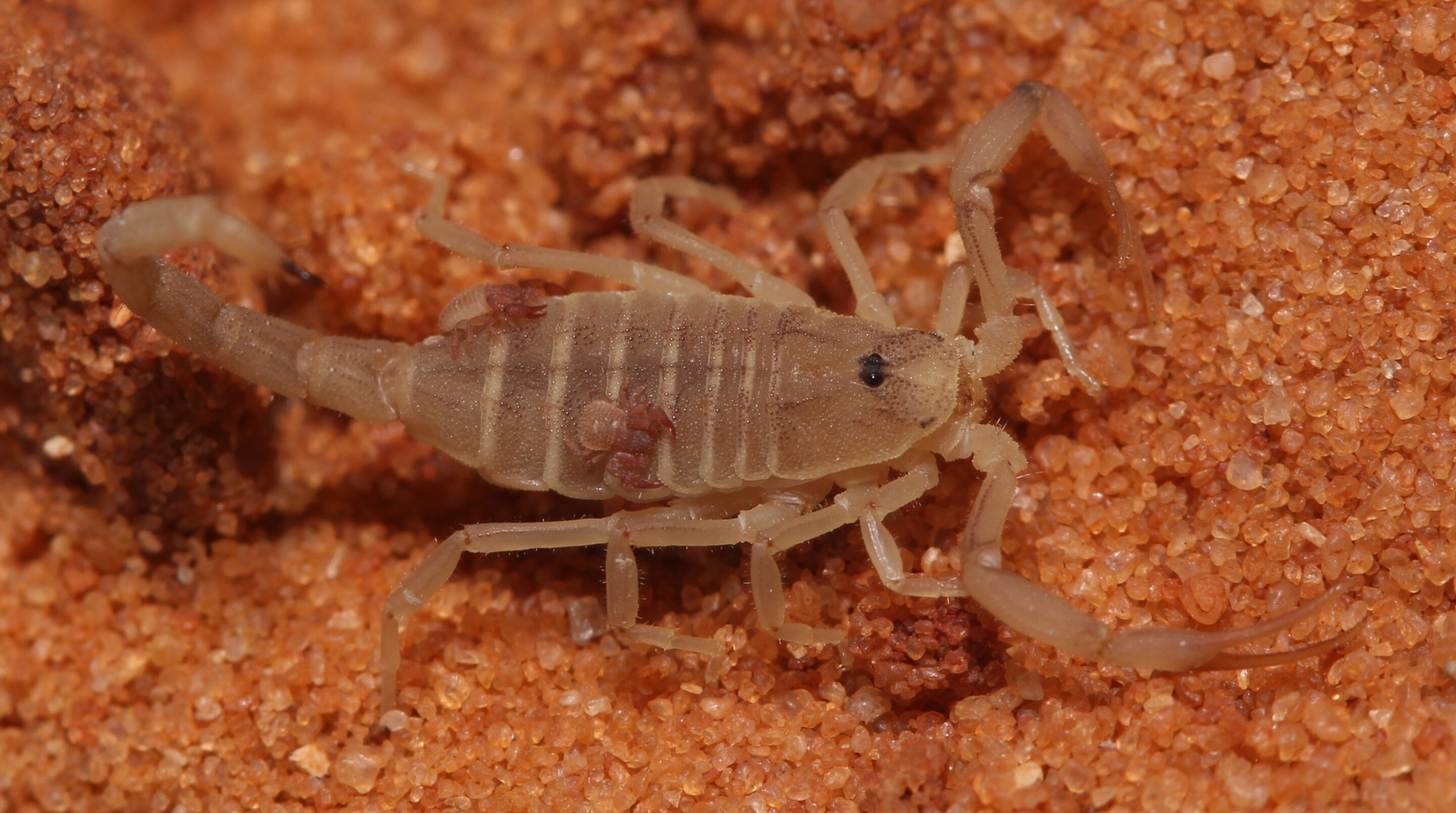
Researchers from The Hebrew University of Jerusalem have documented the first observation of phoresy, a phenomenon where pseudoscorpions attach themselves to hosts for dispersal, involving a myrmecophile pseudoscorpion on a myrmecophile scorpion in Israel. The study, published in Arachnologische Mitteilungen: Arachnology Letters, focuses on the Nannowithius pseudoscorpions observed on the Birulatus scorpion, marking the first recorded instance of pseudoscorpions engaging in phoresy on a scorpion host. This observation sheds light on the intricate world of symbiotic relationships within the ant nest ecosystem and raises questions about dispersion cues and the co-evolutionary relationship between pseudoscorpions and scorpions.

science2 years ago

"Unveiling the Role of Host-Derived Organic Acids in Honey Bee Gut Colonization"

A study on the gut microbiota of honey bees reveals that the symbiotic bacterium Snodgrassella alvi can colonize the bee gut with only sugar in the diet, depleting host, pollen, and Gilliamella-derived metabolites. Host-derived carboxylic acids enable S. alvi colonization, as validated by experiments showing their synthesis by the host and utilization by S. alvi. Isotope labelling experiments and NanoSIMS analysis demonstrate that S. alvi assimilates biomass from host-derived compounds, providing direct evidence of nutrient foraging by the bacterium.

science2 years ago

"Newly Discovered Four-Eyed Creatures Unveil Brand New Species"

Two new species of four-eyed worms, Parahesione pulvinata and Parahesione apiculata, have been discovered in sandy burrows on a beach in Japan. These bright-red worms, measuring between 12 and 20mm in length, have four eyes and unique physical characteristics. They rely on a symbiotic relationship with ghost shrimp to survive in low-oxygen environments. These findings highlight the vast number of undiscovered species in the ocean, with over 80 percent of the ocean floor remaining unexplored.

science2 years ago

Viruses: Unexpected Allies in Mammal Cell Health

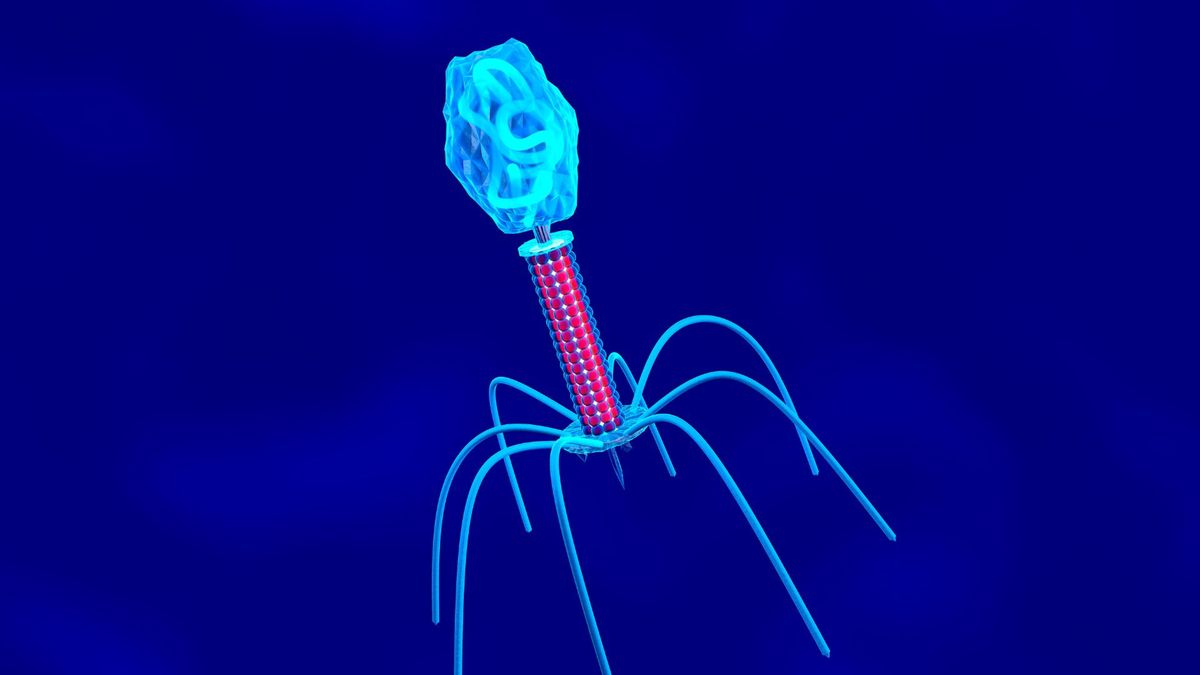
A new study reveals that a type of bacteriophage, a virus that infects and kills bacteria, found in the human gut can help mammal cells grow and thrive, suggesting a potential symbiotic relationship. This surprising finding could have implications for future research, including phage therapy to treat antibiotic-resistant infections. The study also highlights the need for further investigation into the interactions between phages and mammalian cells, as well as their potential impacts on human health, particularly in the gut microbiome.

environment2 years ago

"Breakthrough: Natural Solution Unveiled for Global Air Pollution Crisis"

Scientists from Sheffield University have discovered that mycorrhizal fungi, which live underground in symbiotic relationships with plants, store approximately 36% of the world's annual air pollution underground. These fungi convert air pollution into sugars, which they feed on, while providing plants with essential nutrients. However, human activities such as agriculture are destroying soil ecosystems, threatening this ancient air-cleaning process. The researchers are calling for soil conservation measures to protect this symbiotic relationship and maintain its role in mitigating climate change.