Japanese researchers have made a breakthrough in producing clean fuel from sunlight by redesigning catalysts with increased surface area and using microwave-assisted synthesis, potentially revolutionizing sustainable energy production and reducing reliance on fossil fuels.
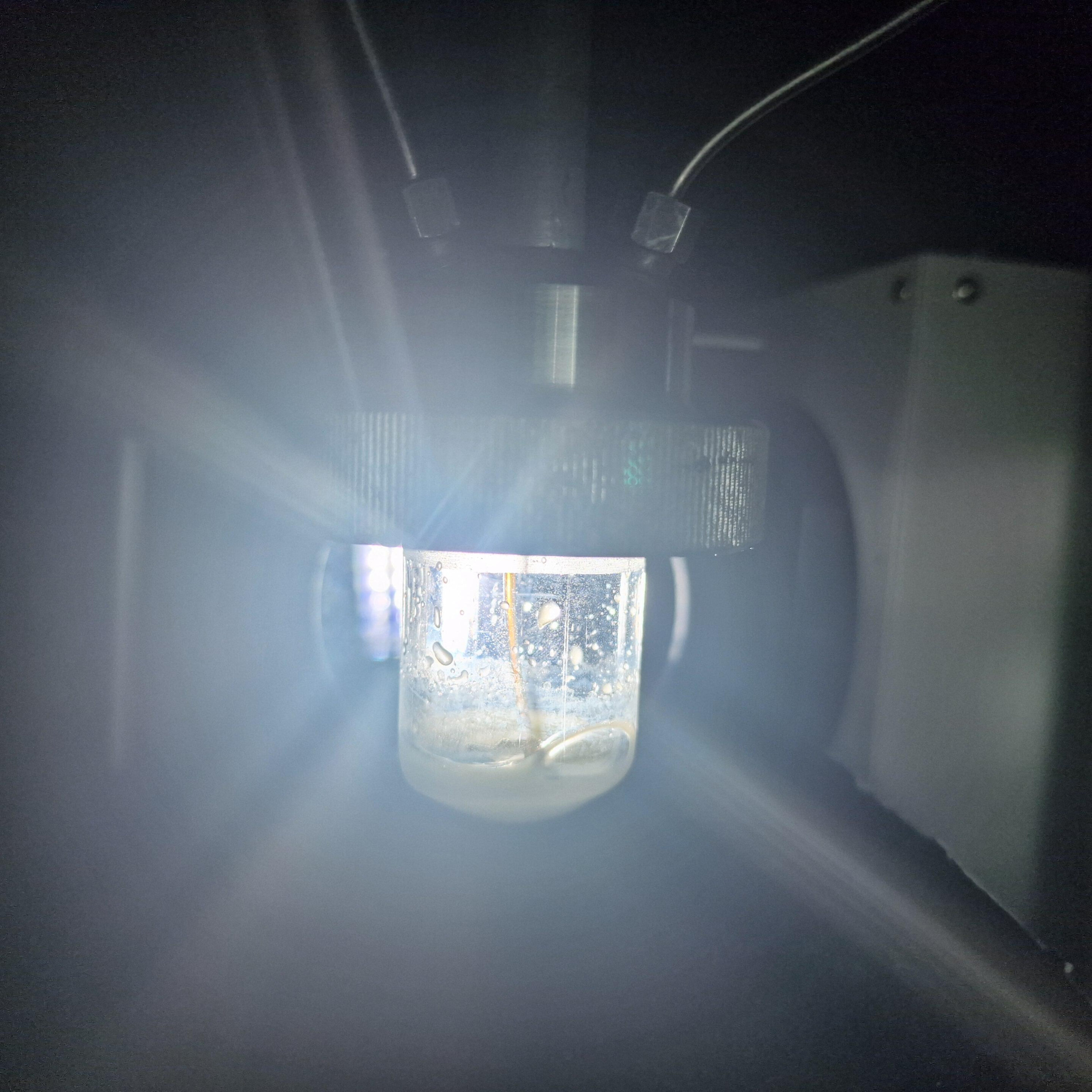
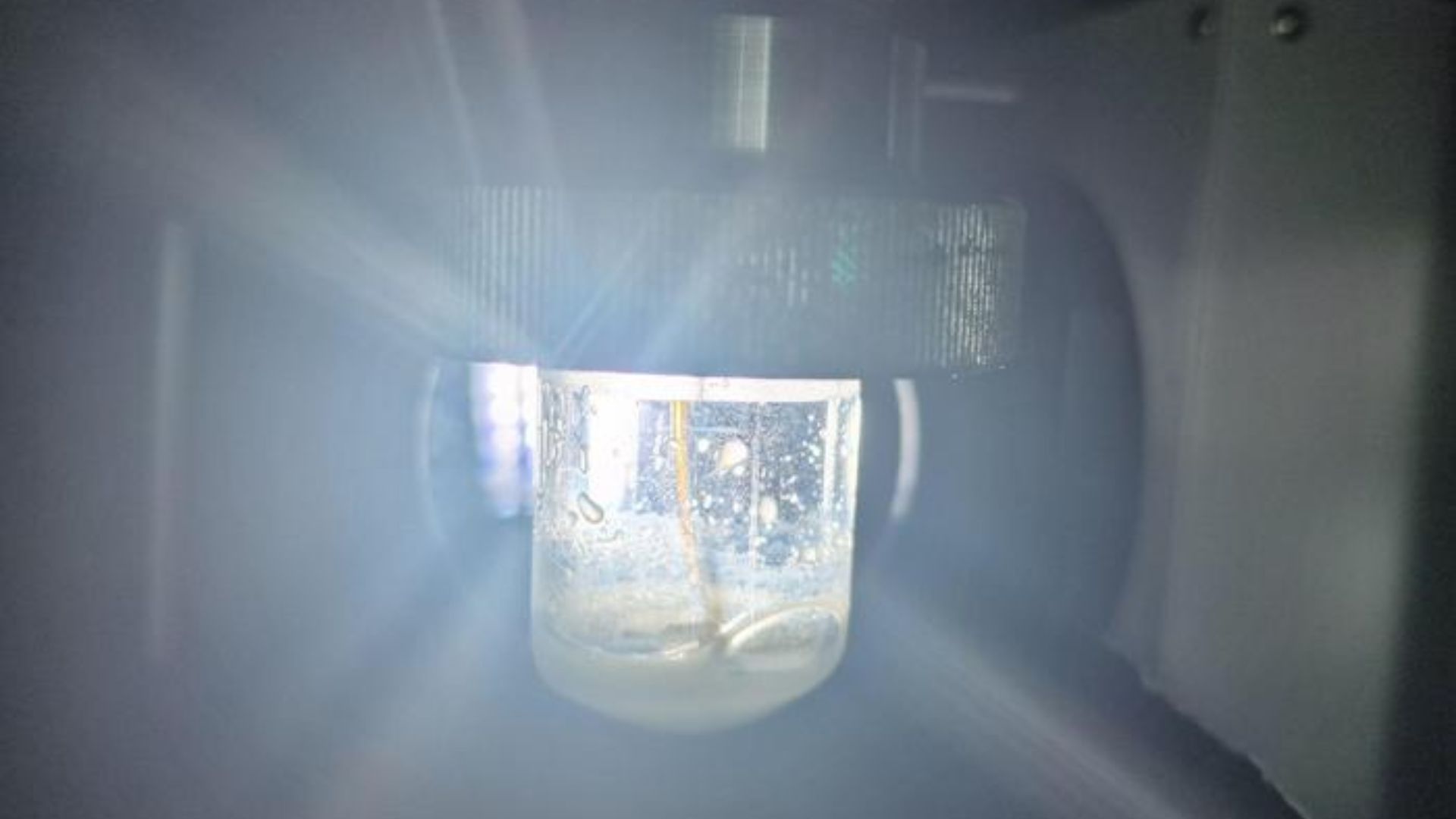
Researchers have developed a material consisting of copper anchored on nanocrystalline carbon nitride, which, when exposed to sunlight, can efficiently convert CO2 into methanol, a green fuel. This breakthrough paves the way for creating sustainable fuels and reducing the impact of carbon dioxide, the primary contributor to global warming. The new catalyst, made of abundant elements like carbon, nitrogen, and copper, demonstrates high efficiency and selectivity, offering a promising pathway for the development of highly tunable catalysts at the nanoscale for CO2 conversion.
Scientists have developed a method using copper atoms to convert CO2 into sustainable fuel, such as methanol, which can replace fossil fuels. This approach aims to address the build-up of CO2 in the atmosphere, which contributes to global warming and climate change, by creating a circular economy around carbon-based fuels.
Radia, a Colorado-based energy startup, is developing the WindRunner airplane, aiming to create the largest aircraft in aviation history to deliver gigantic 300-foot-long blades directly to wind farms. The aircraft will use sustainable aviation fuel, operate from regional hubs, and require only a simple packed-dirt or gravel runway to land on. With a cargo bay volume of 272,000 cubic feet and a wingspan of 261 feet, the WindRunner is designed to meet aerospace industry standards and could potentially start commercial operations as soon as 2027. The development of WindRunner is intended to enable the deployment of XXL turbines, which could be two to three times more powerful and profitable than those typically deployed today.
Plug Power has commenced operations at the largest liquid green hydrogen plant in the U.S., showcasing its vertically integrated hydrogen ecosystem and the largest PEM electrolyzer deployment in the country. Located in Woodbine, Georgia, the plant is designed to produce 15 tons per day of liquid electrolytic hydrogen, catering to customer demand for sustainable fuel in industries such as transportation, manufacturing, power generation, and aviation. This achievement marks a significant milestone for Plug Power and the hydrogen ecosystem, demonstrating its commitment to decarbonizing operations and supporting customer demand.
The space travel industry, with its several dozen launches per year, is responsible for the same amount of carbon emissions as the global aviation industry. A recent study warns that pollution from rockets could have a significant cumulative effect on climate and human health. However, there is a green revolution starting in the space launch industry, with emerging companies opting for sustainable fuels like propane. Propane is clean-burning and has a minimal carbon footprint compared to traditional rocket fuels. Efforts towards environmental sustainability are also seen in the construction of carbon-neutral spaceports and initiatives to tackle space debris. The European Space Agency is actively investing in projects to remove space junk and make Earth's orbit cleaner. Sustainability is becoming a core part of the space industry's ethos as it faces potential financial disincentives and future legislation.