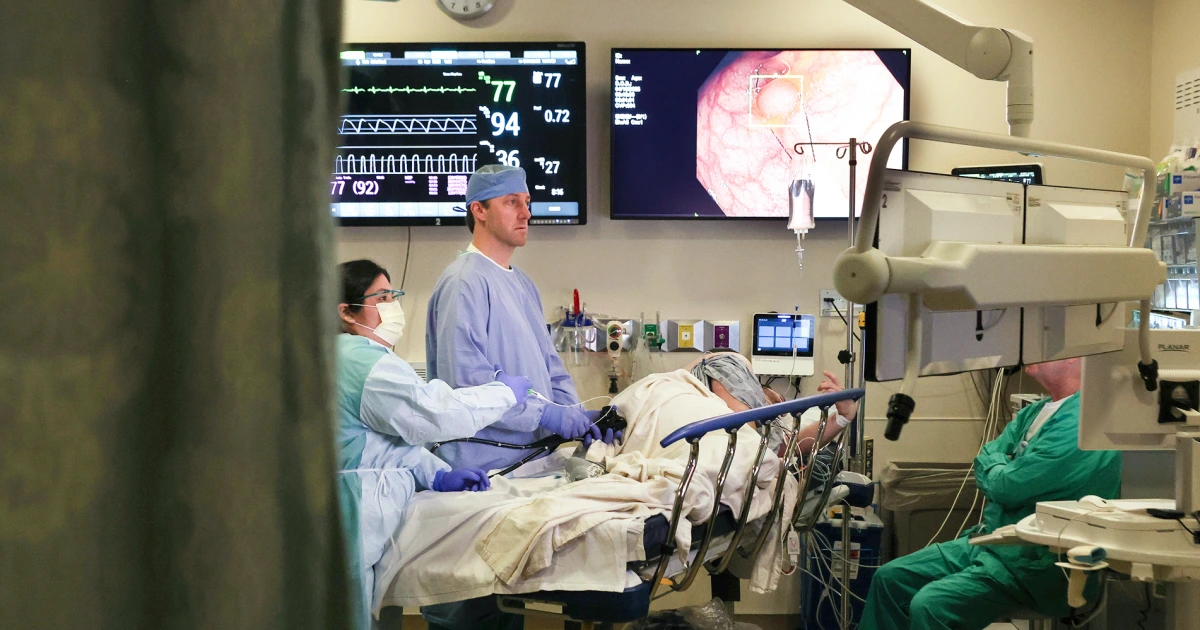
Gastrointestinal cancers, especially colorectal cancer, are increasing rapidly among Americans under 50, with researchers uncertain of the exact causes but pointing to factors like obesity, diet, and genetics. The rise is particularly notable in high-income countries, and early detection and prevention strategies are urgently needed to address this alarming trend.
Gastrointestinal cancers, including colorectal, stomach, and pancreatic cancers, are increasing rapidly among people under 50, with lifestyle factors like obesity and diet possibly contributing. The review emphasizes the importance of screening and early detection, especially since younger patients often have worse outcomes, potentially due to more aggressive cancers or delayed diagnoses.
A new study reveals that although appendix cancers are rare, their rates have significantly increased among Gen X and millennials, highlighting the need for increased awareness and research into potential environmental and lifestyle causes behind this trend.
Gastrointestinal cancers, including colorectal, pancreatic, and bile duct cancers, are being diagnosed more frequently and at a faster rate in younger adults compared to a decade ago, according to a new study. The incidence rates of early-onset cancer increased by 0.74% between 2010 and 2019, with gastrointestinal cancers showing the greatest increase. Other types of cancer, such as breast, urinary system, and reproductive system cancers, also saw an increase. The reasons for the rise in early-onset cancer rates are not fully understood, but lifestyle and behavioral factors, including obesity, diabetes, lack of physical exercise, and diet (high consumption of alcohol, processed foods, and red meat), may play a role. The study highlights the importance of understanding cancer risks and considering earlier screening for high-risk individuals.