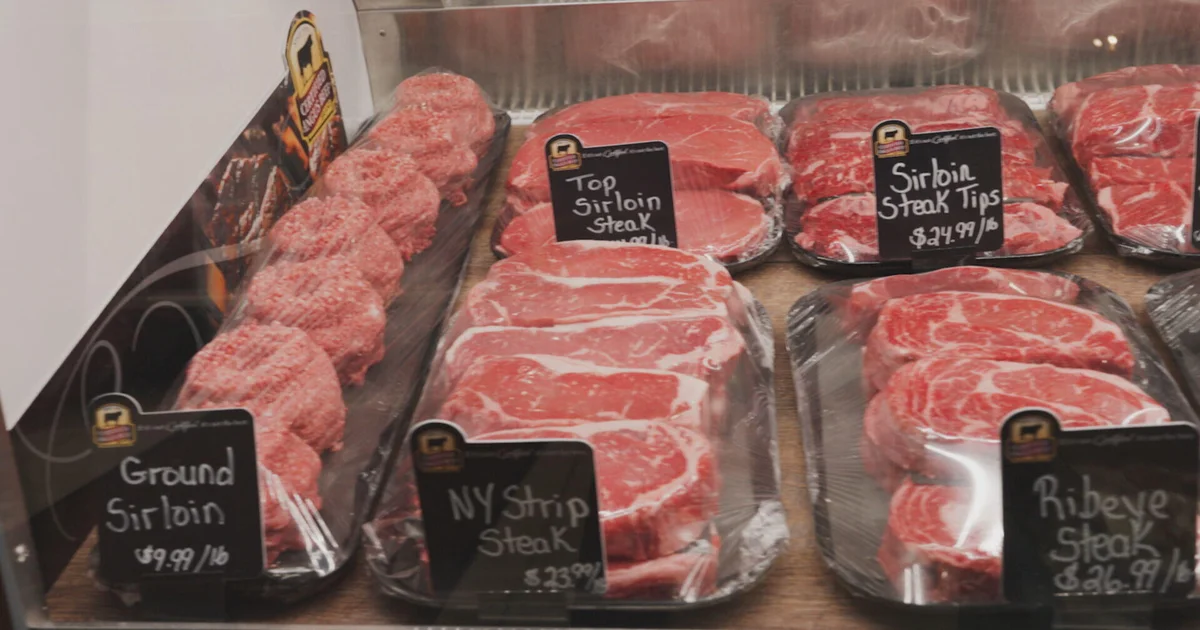
Small butcher shops like The Country Butcher in Connecticut are facing higher beef prices due to supply and demand issues, drought, and disease, leading customers to seek alternatives like sausage, while shops adapt to these challenges with optimism and resilience.
The price of cocoa beans has more than doubled since January, reaching a record high due to a severe drop in supply caused by severe weather, plant disease, and illegal mining in West Africa, where most cocoa beans are grown. This surge in price is expected to result in higher costs for chocolate products ahead of the Easter holiday, with some shops already selling chocolate eggs for $80, impacting celebrations like Valentine's Day as well.
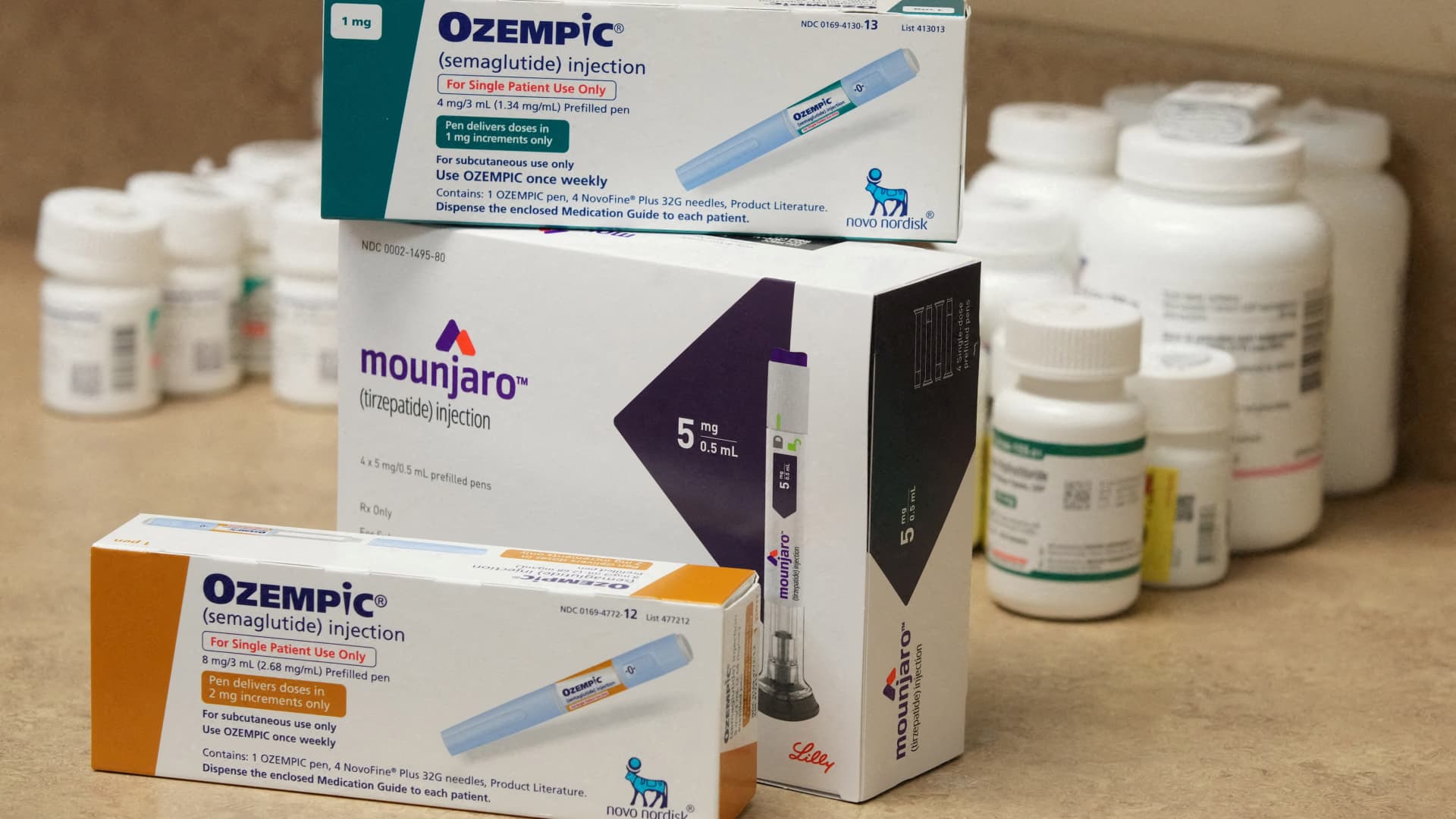
Novo Nordisk and Eli Lilly are still struggling to meet the high demand for their weight loss and diabetes drugs due to supply shortages. Eli Lilly has doubled its capacity for producing injectable incretin drugs and plans to increase production further in 2024, while Novo Nordisk's parent company, Novo Holdings, will acquire drug manufacturer Catalent to improve supply. In other news, Elon Musk's Neuralink has implanted its brain-computer interface into a human patient for the first time, marking a significant milestone in the development of technology to help patients with paralysis control external technologies using only their mind.
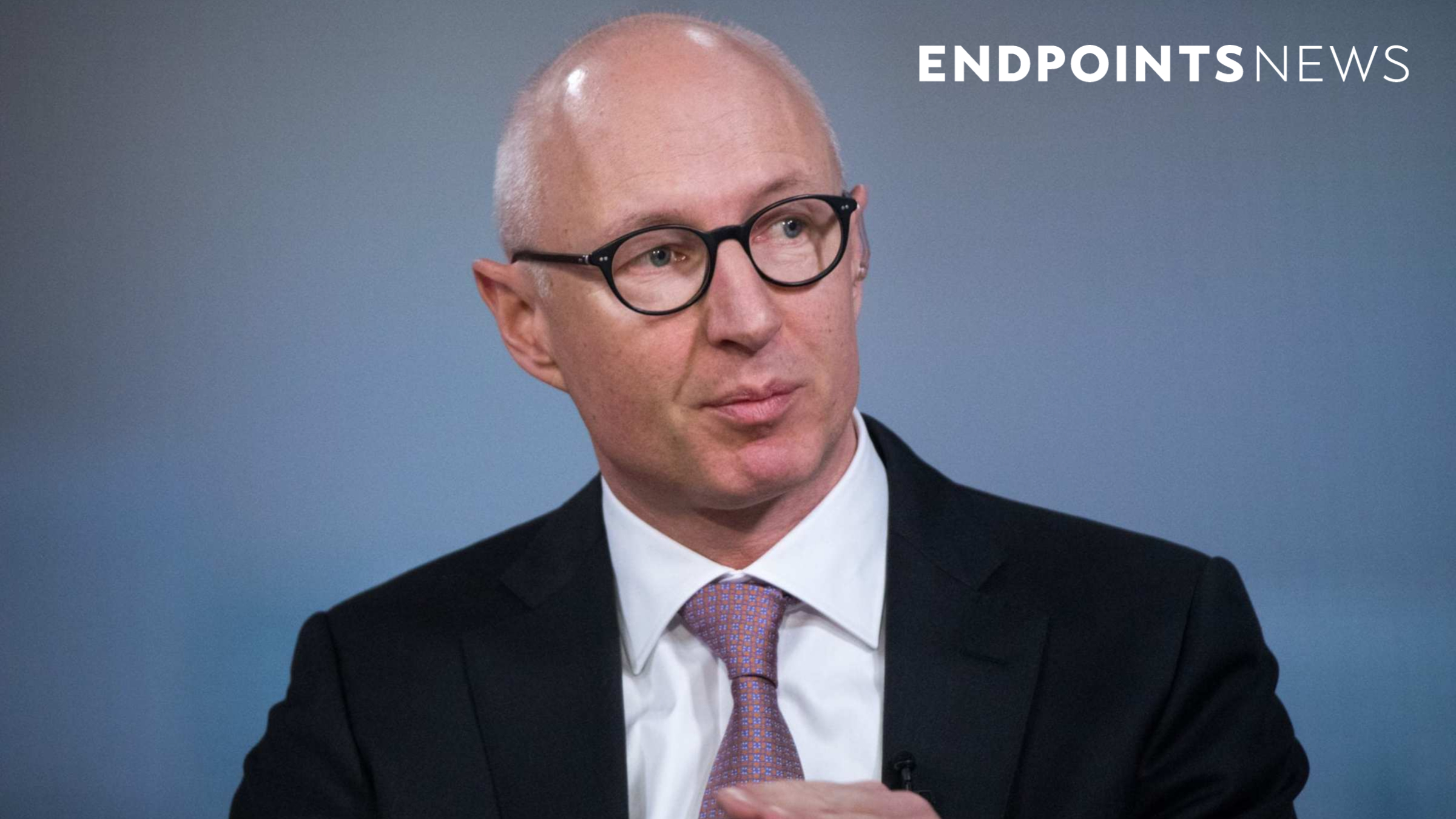
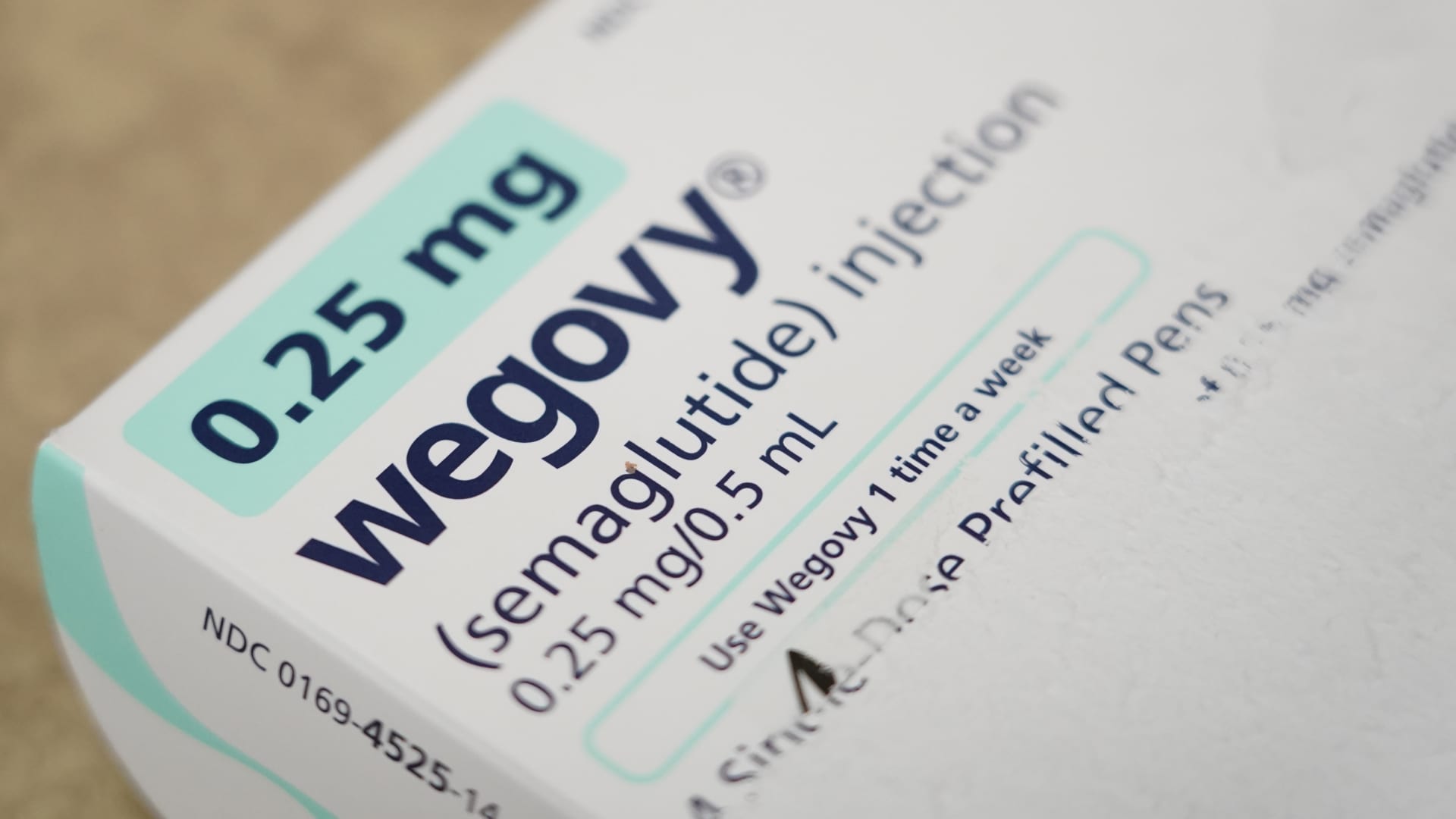
Novo Nordisk reports a 38% growth in demand for its GLP-1 products for diabetes and obesity, but continues to face supply issues with its drug Wegovy in the US due to unrelenting demand, with the FDA still listing it in shortage. The company has doubled its starter doses for Wegovy in the US, but CEO Lars Fruergaard Jørgensen acknowledges that supply will likely remain unsteady for some time due to overwhelming demand that outstrips production capacity.
The weight loss drug market is expected to continue growing in 2024, with analysts projecting it to be worth $100 billion by the end of the decade. However, supply issues are plaguing dominant players Novo Nordisk and Eli Lilly, affecting the availability of their treatments. Despite this, both companies have a big year ahead, with potential approvals for expanded use of their drugs and the release of new data showing other health benefits. Pfizer and Amgen are also expected to release new data on their weight loss drugs, potentially altering the competitive landscape. Acquisitions and partnerships between larger and smaller drugmakers may also shape the market in the coming months.
Parents of infants and toddlers are struggling to obtain the new preventative drug, nirsevimab, for respiratory syncytial virus (RSV) due to high demand, supply issues, and confusion over insurance coverage. Nirsevimab, approved by the FDA, is recommended for babies under 8 months old and children between 8 and 19 months old who are vulnerable to severe RSV disease. However, there is a shortage of doses, leading to prioritization for high-risk infants. Some parents have faced difficulties in booking appointments and receiving clear information about eligibility and insurance coverage. Despite the challenges, parents are taking precautions to protect their children from RSV.
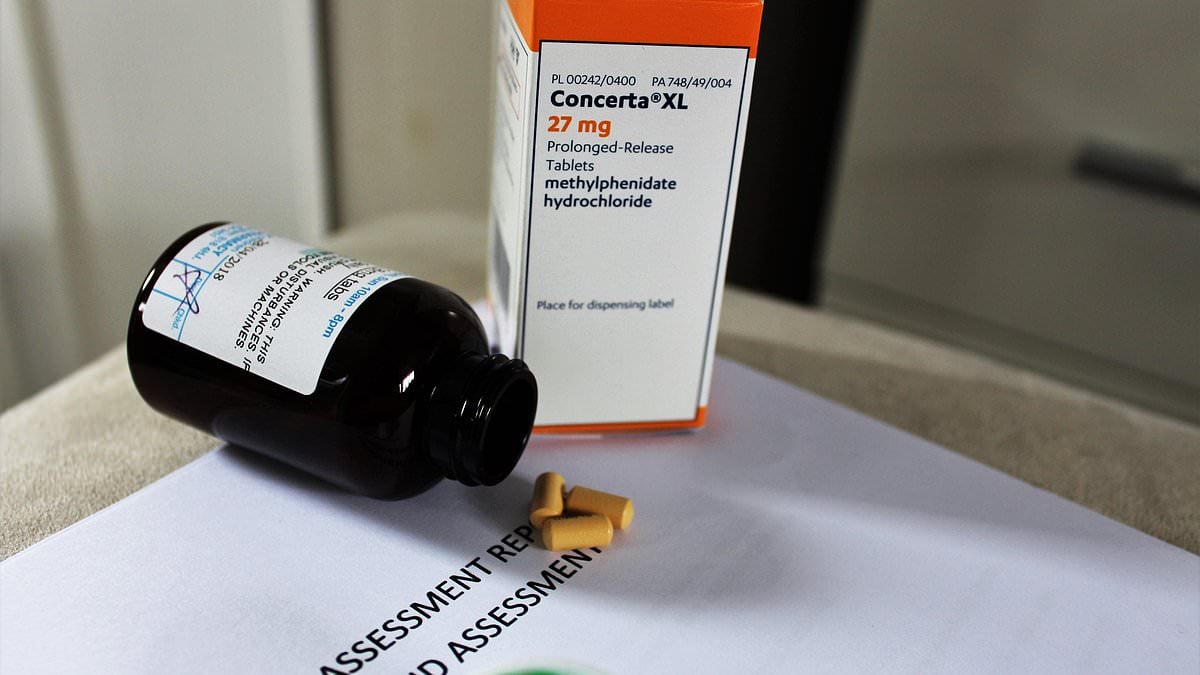
A dire shortage of ADHD medication has left patients struggling to obtain their life-changing tablets, with some having to call dozens of pharmacies. The shortage, affecting medications such as methylphenidate, lisdexamfetamine, and guanfacine, is expected to be resolved by December. The government has issued a safety alert attributing the supply issues to manufacturing problems and increased global demand. Patients and ADHD charity organizations have criticized the lack of planning and support from the NHS, stating that the sudden removal of medication is akin to removing a wheelchair from a disabled person. The Department of Health and Social Care has advised healthcare professionals on managing patients during this time and is working with manufacturers to resolve the issues.
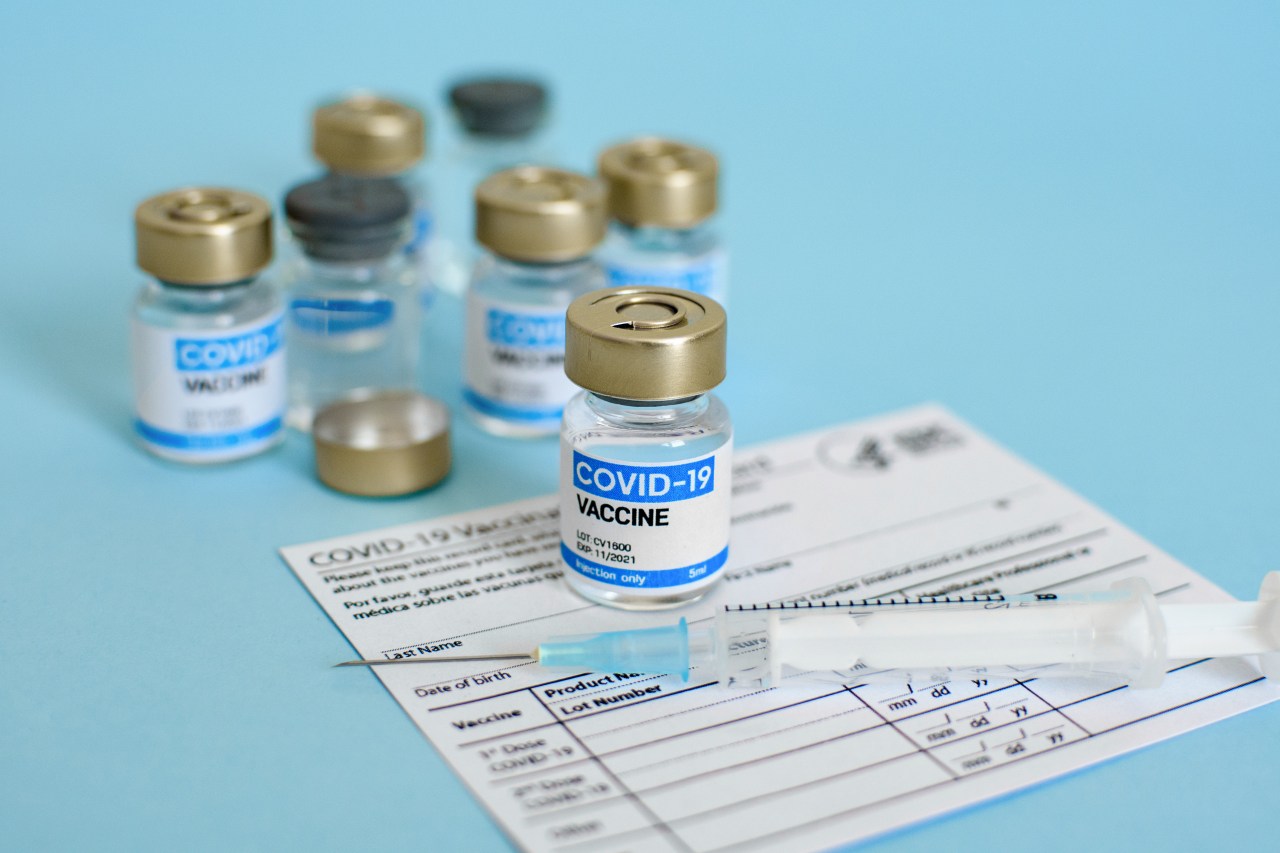
Viewers have reported COVID-19 vaccine appointments being canceled by pharmacies due to high demand, insurance issues, and supply delays. Walgreens, CVS, Rite Aid, and Kinney Drugs were contacted for an update, with CVS and Kinney Drugs acknowledging delivery delays and rescheduling appointments as supply is received. Rite Aid mentioned improvements in vaccine supply and encouraged customers to check for available appointments.
The fall Covid-19 vaccine campaign in the US is facing challenges due to supply and insurance issues. Some pharmacies have had to cancel vaccine appointments due to limited supplies, while others have encountered problems with insurance coverage, leaving individuals to pay out of pocket for the shots. Experts say these issues are temporary but avoidable, and they are slowing down the momentum of the vaccination campaign. Insurance companies have up to 15 business days to add the Covid-19 vaccines to their plans, but some people have experienced delays in coverage. Pharmacies are also grappling with the cost of unused doses and the complexities of billing insurance.
Analyst Jeff Pu predicts that Apple is cutting production of the upcoming iPhone 15 due to supply issues with components such as the display and cameras, as well as potential demand concerns. Apple was previously estimated to ship around 83 million iPhone 15 units but is now expected to build 77 million units by the end of the year. Additionally, Pu mentions some details about the rumored iPhone 16 Pro models, which are expected to be introduced in late 2024.
Gas prices are increasing due to high temperatures impacting refinery production and elevated demand. The national average price for a gallon of regular gasoline has risen by 11 cents in a week and nearly 30 cents in a month. The cost of crude oil, which accounts for nearly half of the pump price, has also surged. Refineries are reducing production rates in extreme heat, limiting gasoline supply. Unscheduled outages and power disruptions further constrain supply. Demand is up 3% compared to last year, while OPEC+ production cuts and disputes between the Kurds and Turkish government have also affected oil supply.
The International Energy Agency (IEA) has revised up its forecast for global oil demand growth by 200,000 barrels per day (bpd) to 2.2 million bpd this year, due to China's record oil consumption in March. The IEA also expects demand in developed economies to return to growth this quarter, but this will be overshadowed by an expected growth of 1.9 million bpd in non-OECD oil demand. The agency also noted that supply issues, including the halt of oil exports from Kurdistan, outages in Nigeria, and wildfires in Canada, will add to the new OPEC+ oil production cuts.