Alec Baldwin revealed he experienced suicidal thoughts and deep emotional pain after being charged a second time in the 2021 'Rust' shooting incident, which he described as devastating for his mental and physical health, but he credits his family and faith for helping him through the crisis.
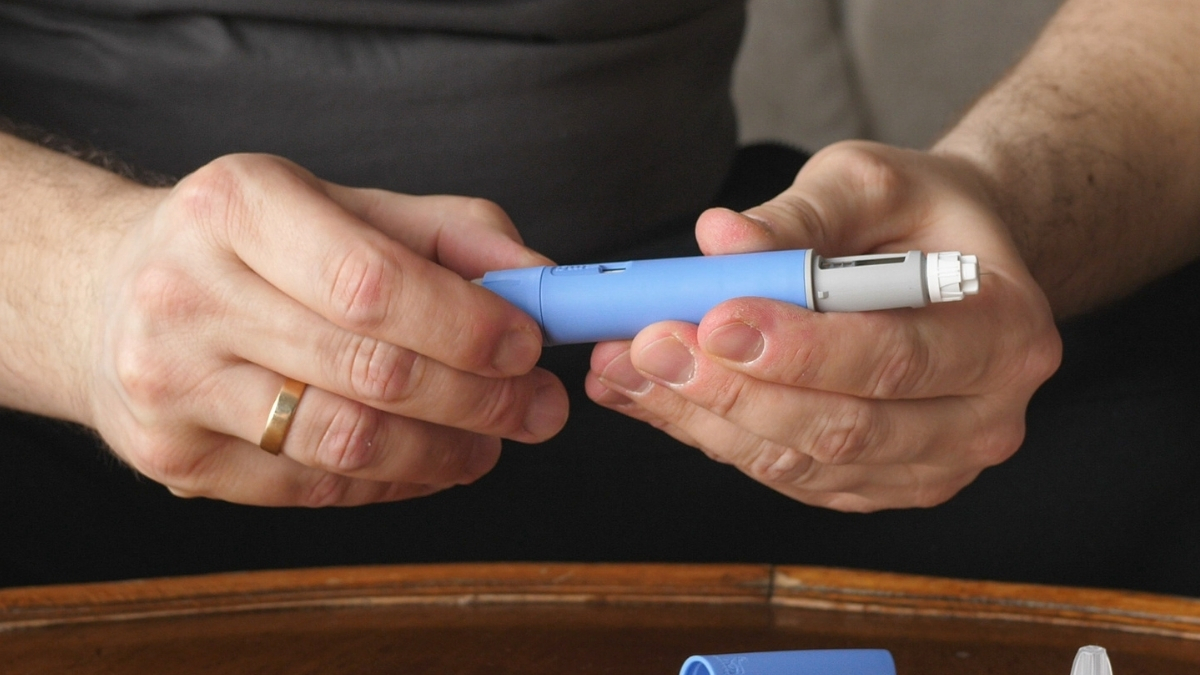
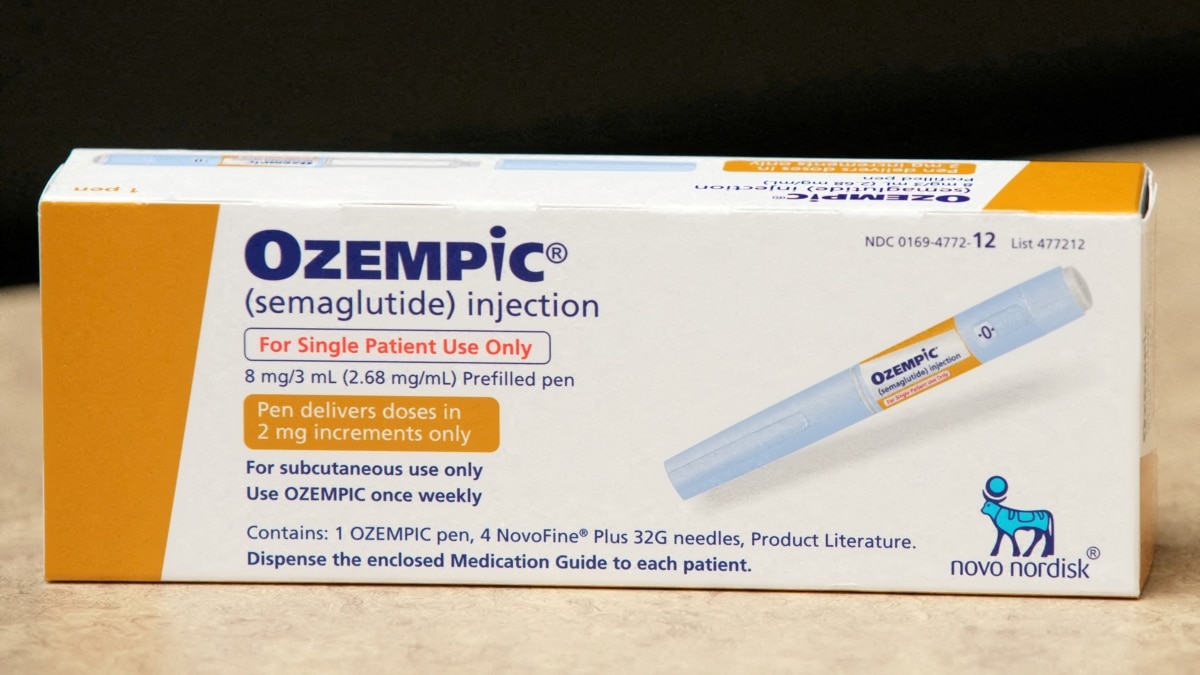
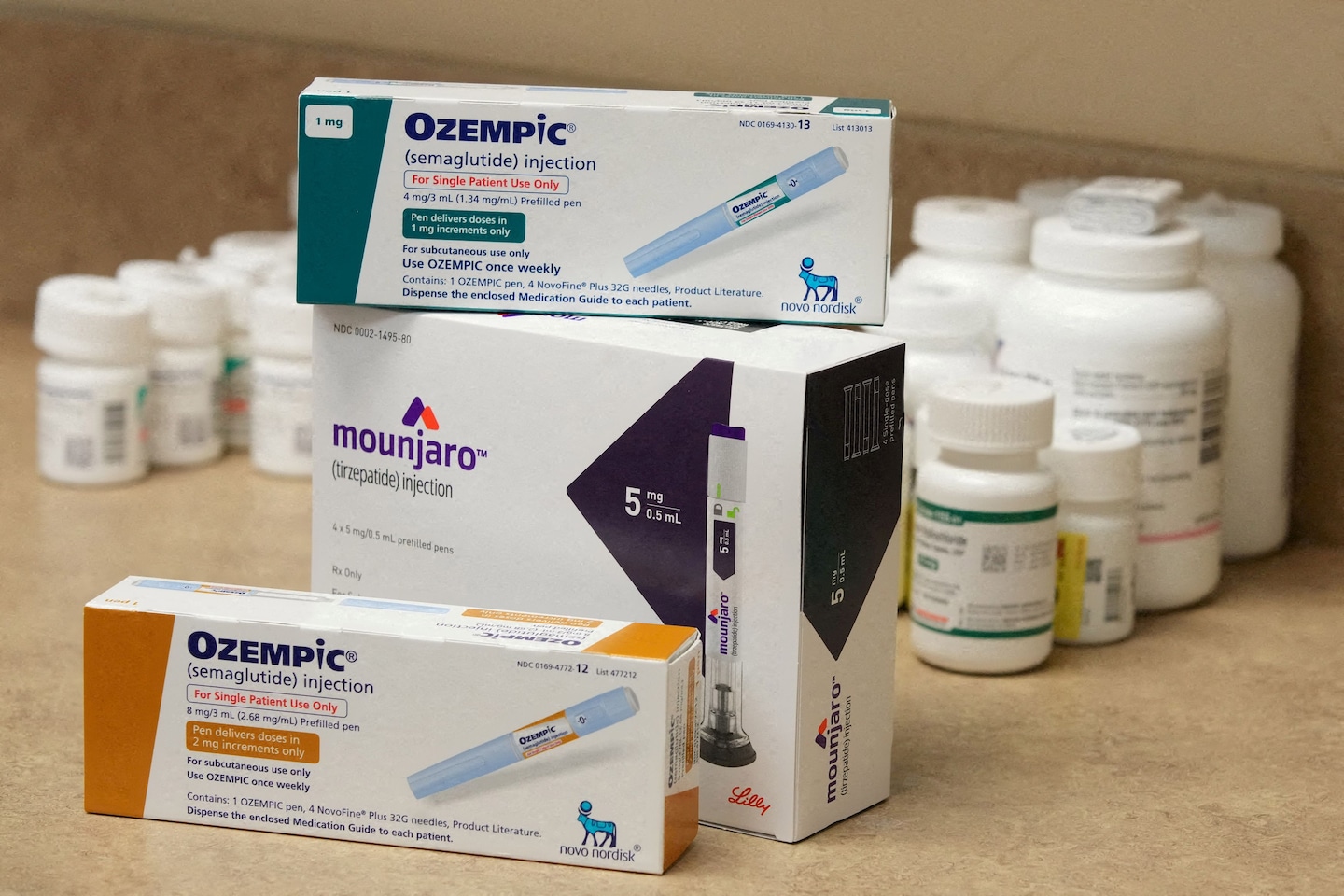
Health authorities warn about increased risks of suicidal thoughts and potential contraception failures associated with GLP-1 drugs like Ozempic and Mounjaro, which are used for diabetes and weight loss. While these drugs are generally effective, they may impact hormone absorption, reducing contraceptive efficacy, especially oral contraceptives. Patients should consult their doctors if experiencing mood changes or suicidal thoughts and consider alternative contraception methods if on GLP-1 medications. Use during pregnancy is not recommended due to potential risks.
OpenAI has disclosed that approximately 0.07% of ChatGPT users exhibit signs of mental health emergencies like suicidal thoughts, with 0.15% showing potential suicidal planning, prompting the company to implement safety responses and consult mental health experts amid legal scrutiny and concerns over AI's impact on vulnerable users.
A large international study found that nearly half of first-year university students have experienced suicidal thoughts, with emotional abuse during childhood, mental health disorders, and gender identity being key predictors. The research highlights the need for comprehensive mental health support in universities to address these risks.
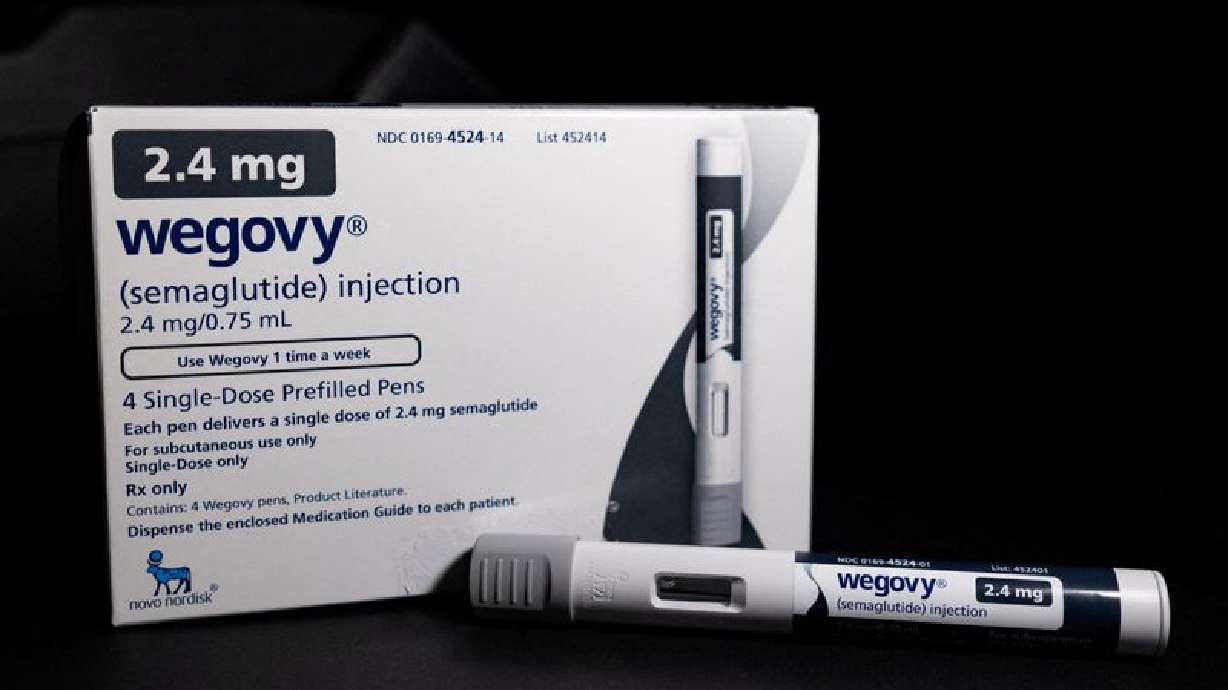
A large U.S. study found no evidence linking the diabetes drug Ozempic and the obesity treatment Wegovy, both containing semaglutide, to an increase in suicidal thoughts. The analysis of over 1.8 million patients actually revealed a lower risk of new and recurring suicidal thoughts in those taking semaglutide compared to other medications for weight loss or diabetes. The study, funded by the U.S. National Institutes of Health, suggests that concerns over suicidal ideation connected with semaglutide may not be supported by the findings.
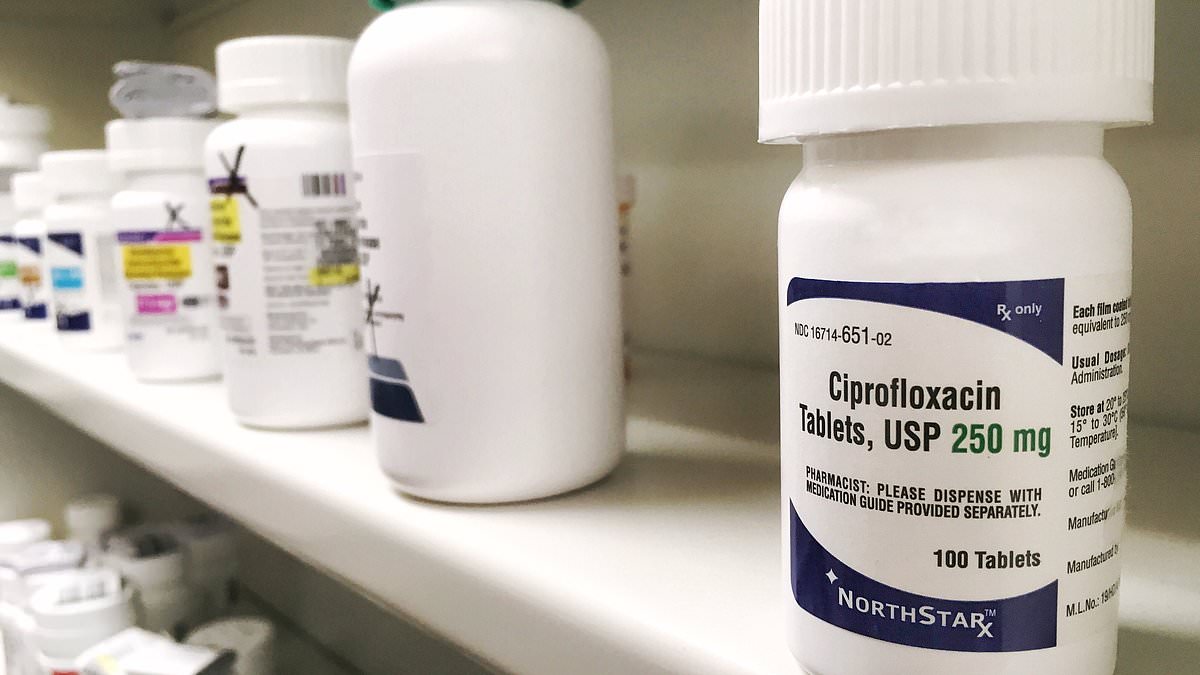
The Medicines and Healthcare products Regulatory Agency (MHRA) has instructed doctors to limit the prescription of fluoroquinolone antibiotics due to safety concerns, including a link to suicidal thoughts. These antibiotics should only be prescribed when no other drug is deemed appropriate, and patients are advised to discontinue use at the first signs of serious adverse reactions. The crackdown follows reports of irreversible harm such as tendon rupture, nerve, joint and muscle pain, fatigue, insomnia, and gut problems associated with fluoroquinolones. Patients are urged to carefully read the patient information leaflet and seek immediate medical advice if they experience specific side effects.
The FDA conducted a preliminary review and found no clear link between popular weight-loss drugs, such as Mounjaro, Ozempic, Wegovy, and Zepbound, and suicidal thoughts. While the agency cautioned that a small risk cannot be definitively ruled out, it emphasized that the benefits of these medications outweigh their risks when used according to FDA-approved labeling. The drugs, which mimic natural hormones and are part of the GLP-1 class, have been under scrutiny for potential side effects, including thoughts of suicide. A recent study also found no higher risk of suicidal thoughts among patients taking semaglutide for weight loss or diabetes.
The FDA has conducted a preliminary evaluation of reports of suicidal thoughts or actions in patients taking glucagon-like peptide-1 receptor agonists (GLP-1 RAs) for type 2 diabetes and obesity, finding no evidence of a causal link. While additional evaluations are ongoing, including a meta-analysis of clinical trials and an analysis of postmarketing data, patients are advised not to stop taking GLP-1 RAs without consulting a healthcare professional. Healthcare professionals should monitor and advise patients to report any new or worsening depression, suicidal thoughts, or unusual changes in mood or behavior. The FDA encourages reporting of side effects involving GLP-1 RAs or other medicines to the FDA MedWatch program.
A large study found no evidence linking Novo Nordisk's Ozempic or Wegovy, both containing semaglutide, to an increase in suicidal thoughts. Instead, the analysis of electronic medical record data from over 1.8 million patients found a lower risk of new and recurrent suicidal thoughts in those taking semaglutide compared to other medications for weight loss or diabetes. The findings, published in the journal Nature and funded by the U.S. National Institutes of Health, may allay concerns about the potential risk of suicidal ideation associated with GLP-1 agonists, although further research is needed to fully understand the drug's potential complications.
A reader is hesitant to disclose their history of suicidal thoughts on therapy intake forms due to fear of involuntary admission. Carolyn Hax advises the reader to be honest and check the box, as it helps providers determine appropriate treatment. Lying on the form can lead to potential errors and suffering. Another reader suggests leaving the question blank and asking the therapist directly. Assessing suicidal ideation is a crucial part of a therapist's job, and disclosure helps explore and understand the thoughts and their role in the individual's life.
Reports of suicidal thoughts and behavior linked to GLP-1 receptor agonist drugs, including Novo Nordisk's Ozempic and Wegovy, as well as Eli Lilly's Mounjaro, have raised concerns and prompted scrutiny by regulators. The FDA has received 265 reports of suicidal thoughts or behavior in patients taking these drugs since 2010, with 36 of these reports describing a death by suicide or suspected suicide. While the clinical trials for these drugs did not show suicide risk, doctors are monitoring for previously undocumented dangers as more patients start taking them for weight loss. The European Medicines Agency is also investigating the suicide risk of these drugs. The FDA is evaluating the reports and will decide on any necessary actions after a thorough review.
Gisele Bündchen, the Brazilian supermodel, has spoken about her battle with destructive thoughts and panic attacks during her modeling career. She described feeling suffocated and even contemplated suicide at one point. Bündchen coped with the pressure by creating a persona for the modeling industry, but now feels liberated to be herself. She has reduced or quit alcohol, cigarettes, and caffeine, and is happy to have taken a step back from the fashion industry. Bündchen previously discussed her struggles in her 2018 memoir and hopes that sharing her vulnerabilities will help others.
GLP-1 drugs like Ozempic and Wegovy are currently under safety review in several countries due to reports of an increase in suicidal thoughts among users. While the risk of suicidal thoughts is not currently listed as a side effect, a small number of cases have reported such thoughts and self-harming behavior. The review is assessing whether the side effect is caused by the medication or associated with underlying conditions. Manufacturers deny a causal association between GLP-1 drugs and suicidal thoughts, but experts emphasize the importance of discussing concerns with healthcare providers and considering the potential risks and benefits of these medications.
Health regulators in Europe and the UK are investigating whether the diabetes drug Ozempic and its weight loss version, Wegovy, carry a risk of self-injury and suicidal thoughts. Reports of these side effects have prompted discussions about the need for warning labels on the medications. While clinical trials have not shown evidence of an increased risk, some patients have reported severe psychological reactions. The FDA requires weight management medications that work on the central nervous system to carry a warning about suicidal thoughts, but Ozempic, which is only approved to treat diabetes, does not have this warning. Medical experts have differing opinions on the association between these drugs and suicidal ideation, and more research is needed to determine the potential risks.
The Medicines and Healthcare products Regulatory Agency (MHRA) in the UK is reviewing the safety of a class of drugs known as GLP-1 receptor agonists, which includes Novo Nordisk's diabetes medicine Ozempic and weight-loss treatment Saxenda, after some patients reported suicidal or self-harming thoughts. The review follows similar action taken by the European Union. Novo Nordisk has confirmed receiving a request from the MHRA and stated that it will respond within the requested timelines. Other GLP-1 drugs from AstraZeneca, Sanofi, and Eli Lilly are also included in the review. The MHRA's review will consider safety data, including adverse drug reactions reported by patients and clinicians.