Tag

Subsurface Oceans

All articles tagged with #subsurface oceans

"NASA's Snake Robot: Exploring Alien Seas on Saturn's Moon"
space-exploration1 year ago

"NASA's Snake Robot: Exploring Alien Seas on Saturn's Moon"

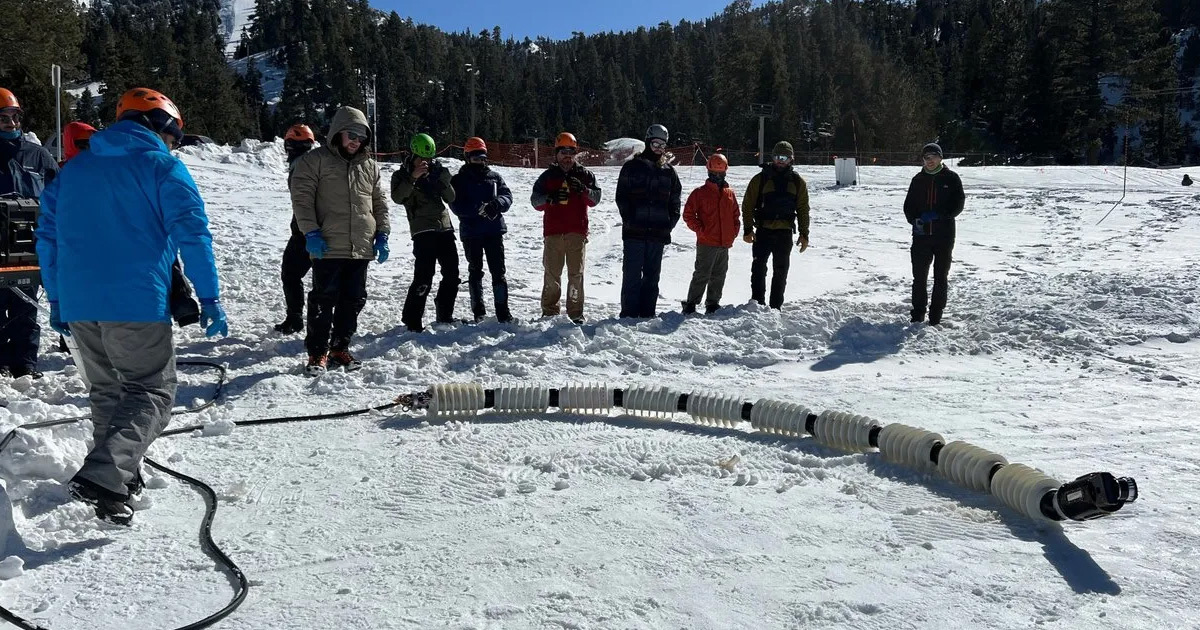
NASA is testing a snake-like robot named EELS for potential exploration of Saturn's moon Enceladus, which is believed to have subsurface oceans and conditions suitable for life. The 14-foot autonomous and self-propelled robot is designed to navigate various terrains, including oceans, sands, rocks, and cliffs, using its flexible body and array of sensors. If successful, EELS could provide valuable insights into the potential for life beyond Earth.
"NASA Discovers 17 Exoplanets with Potential Life-Sustaining Oceans"
space2 years ago

"NASA Discovers 17 Exoplanets with Potential Life-Sustaining Oceans"

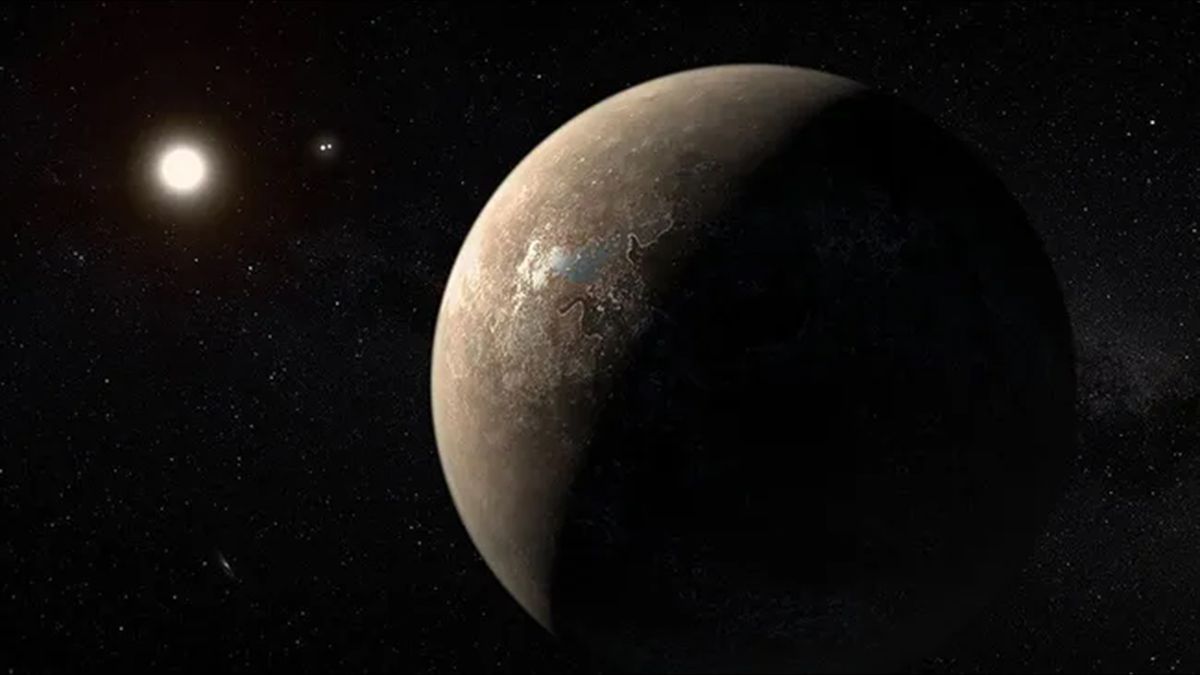
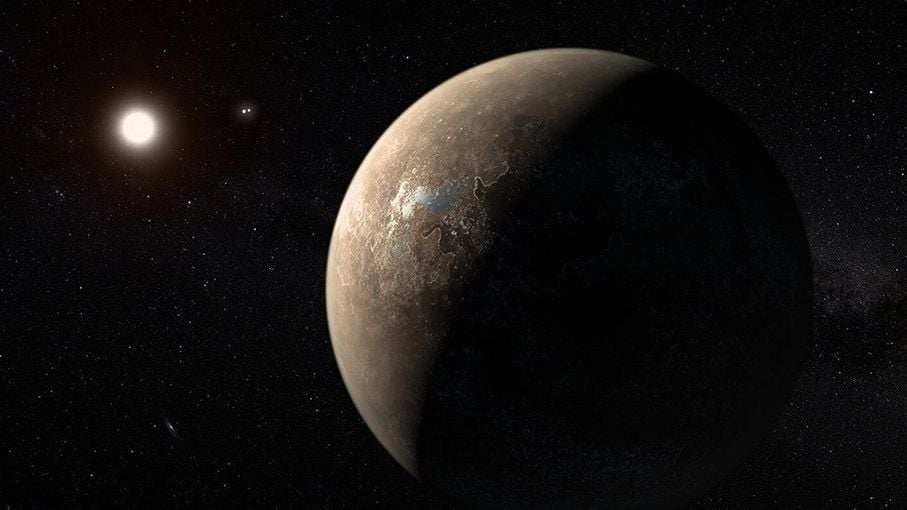
NASA has identified 17 exoplanets that could potentially have subsurface oceans buried beneath thick sheets of ice, making them promising candidates for hosting life. These planets, similar to Jupiter's icy moons, receive enough internal heating from the decay of radioactive elements and tidal forces from their host stars to maintain internal oceans. While their host stars may not provide conditions warm enough for liquid water on the surface, these planets may generate enough heat below the surface to sustain a subsurface ocean. Follow-up observations will involve capturing the emission spectra of light traveling through these planets' atmospheres to search for chemical signs of life.

"NASA Discovers 17 Exoplanets with Potential Liquid Oceans"
space2 years ago

"NASA Discovers 17 Exoplanets with Potential Liquid Oceans"

NASA has identified 17 exoplanets that could potentially have subsurface oceans buried beneath thick sheets of ice. These planets, similar to Jupiter's icy moons, may be promising places to search for signs of life. While their host stars may not provide enough heat to keep water in liquid form on the surface, internal sources of heat such as radioactive decay and tidal forces could sustain a subsurface ocean. Telescopes may be able to detect geological activity on these planets, and the emission spectra of their atmospheres could provide clues about the presence of life.

"Hidden Oceans: Unleashing Exoplanet Habitability Potential"
science-and-technology2 years ago

"Hidden Oceans: Unleashing Exoplanet Habitability Potential"

Subsurface oceans, consisting of thick layers of liquid water covered by a frozen surface, may be more common in our galaxy than previously thought, according to a study led by planetary scientist Lujendra Ojha. The researchers found that planets with higher surface temperatures, thicker ice sheets, and higher surface gravity are more likely to host subsurface oceans. These oceans, sustained by geothermal heat, could potentially provide a stable environment for life to evolve. However, the question of whether these subsurface oceans can support life remains to be answered. Further modeling work and future observations, such as those from the James Webb Space Telescope, may provide more insights into the habitability of exoplanets with subsurface oceans.

JUICE spacecraft captures stunning photos on its way to Jupiter.
space2 years ago

JUICE spacecraft captures stunning photos on its way to Jupiter.

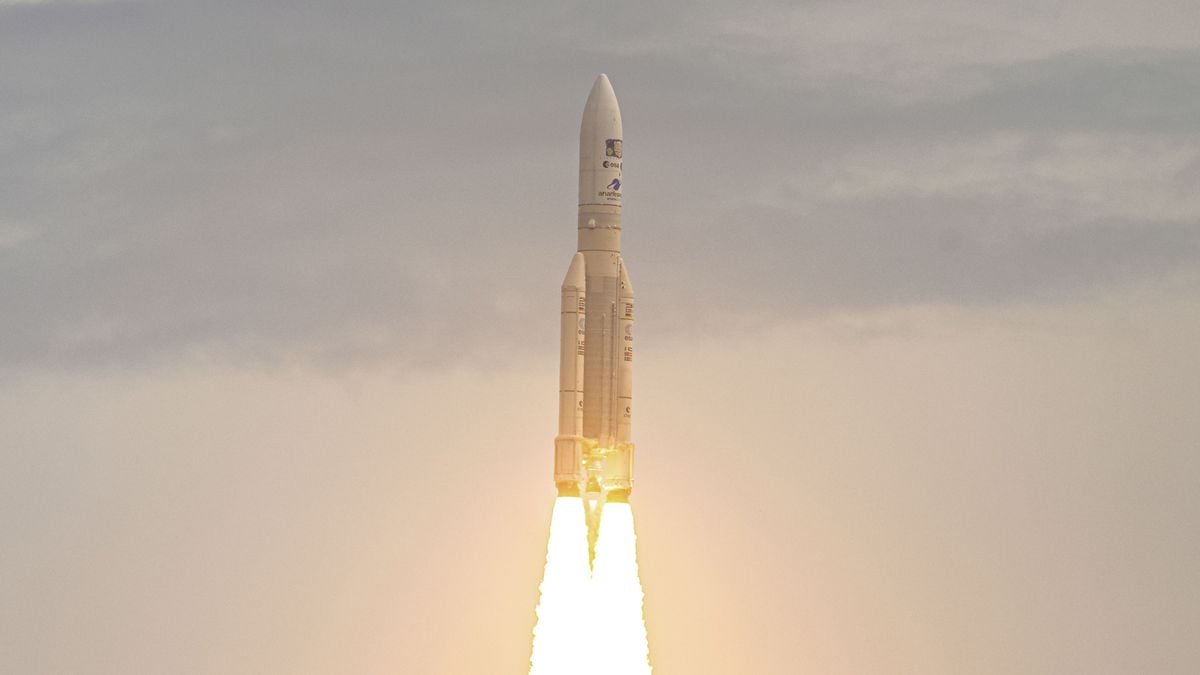
Amateur and professional astronomers captured images of the Jupiter Icy Moons Explorer (JUICE) spacecraft as it headed away from Earth on its eight-year trip to Jupiter. The European Space Agency (ESA) JUICE mission departed from the European Spaceport in Kourou, French Guiana, at 08:14 EDT (1214 GMT) journeying aboard an Ariane 5 rocket. The primary mission of JUICE will be to investigate the subsurface oceans believed to dwell beneath the icy shells of Jupiter's moons, Europa, Callisto, and Ganymede, which could help determine if any of these moons possess the conditions needed to support life.

Possible subsurface oceans on Uranus' moons, suggests NASA
science-and-astronomy2 years ago

Possible subsurface oceans on Uranus' moons, suggests NASA

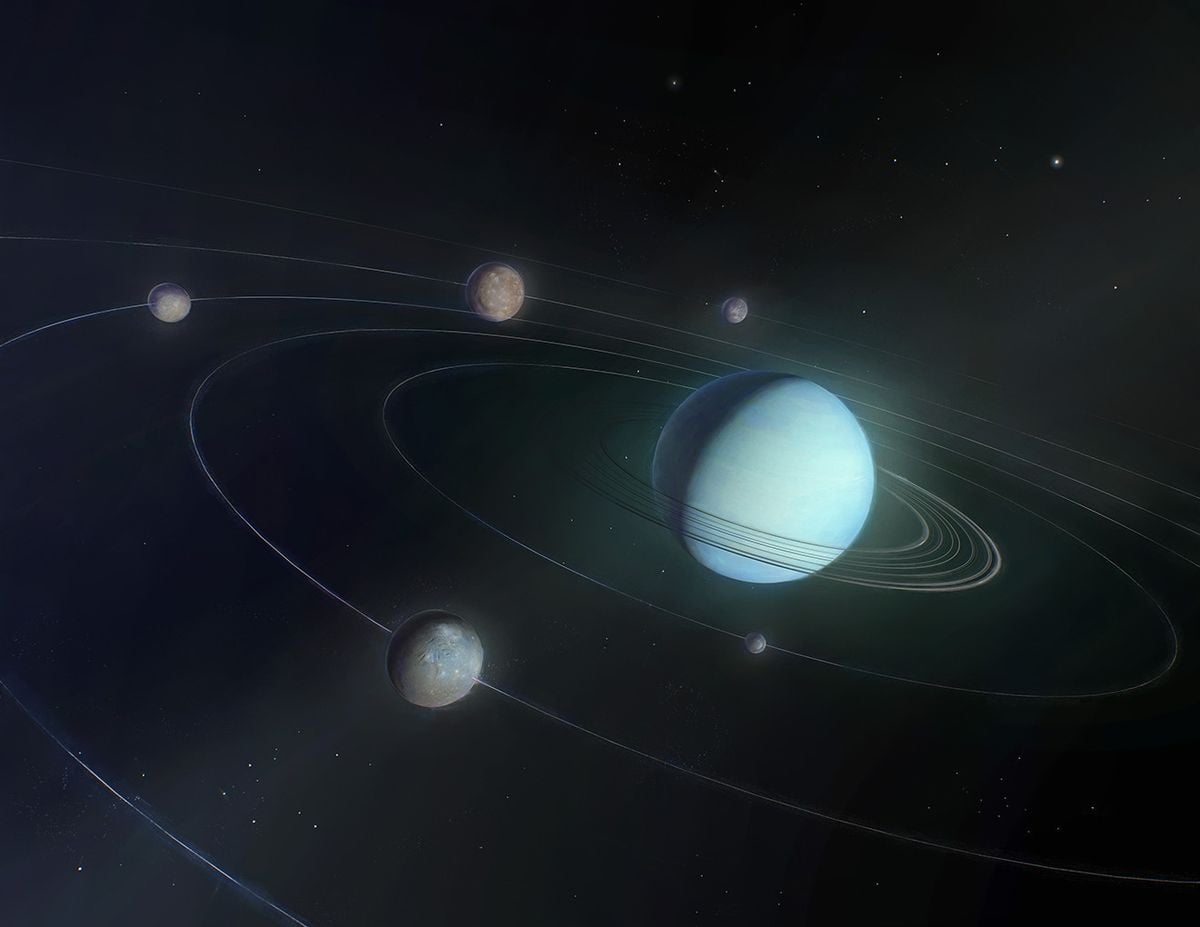
Two of Uranus' moons, Ariel and Miranda, may have active subsurface oceans that are blasting plumes of material into space, according to a new study that examined radiation and magnetic data collected by NASA's Voyager 2 spacecraft in 1986. The study team found that one or two of the ice giant's 27 known moons are adding plasma particles into the Uranus system, indicating the presence of subsurface oceans. The mechanism by which the moons are doing this is currently unknown, but it is similar to particle-releasing moons around other ice giants and gas giants.