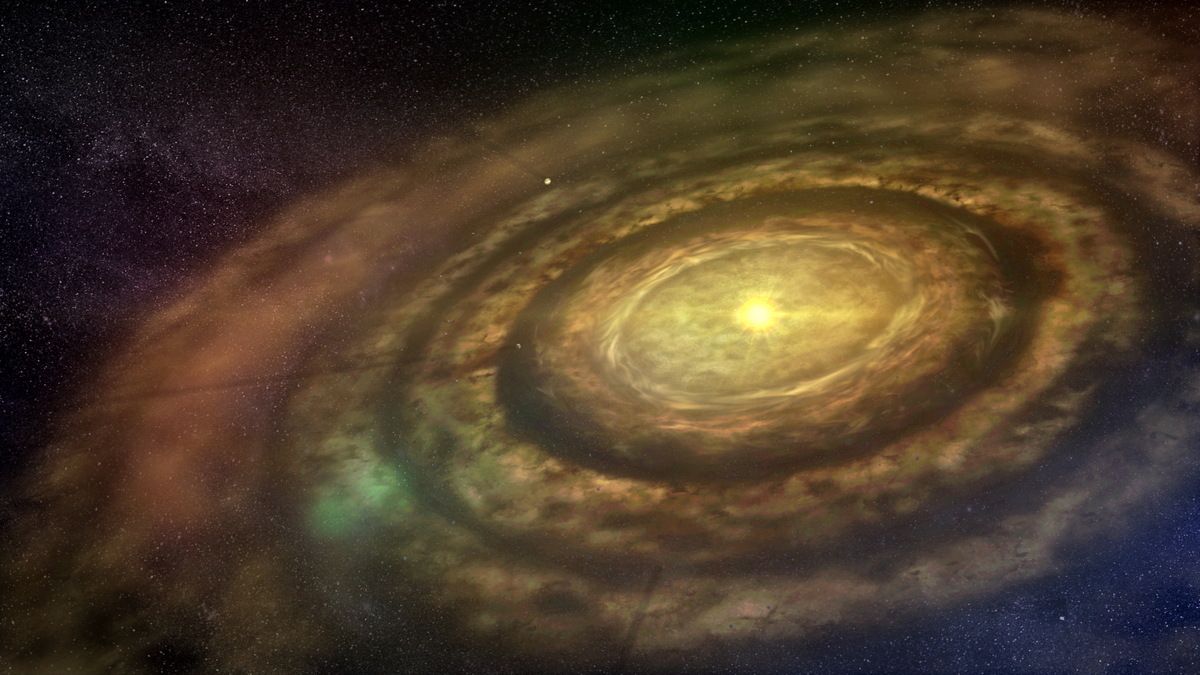
A new study suggests that water can naturally form during planet formation through rock-gas interactions, potentially increasing the likelihood of habitable worlds in the universe, as water may be more common than previously thought.
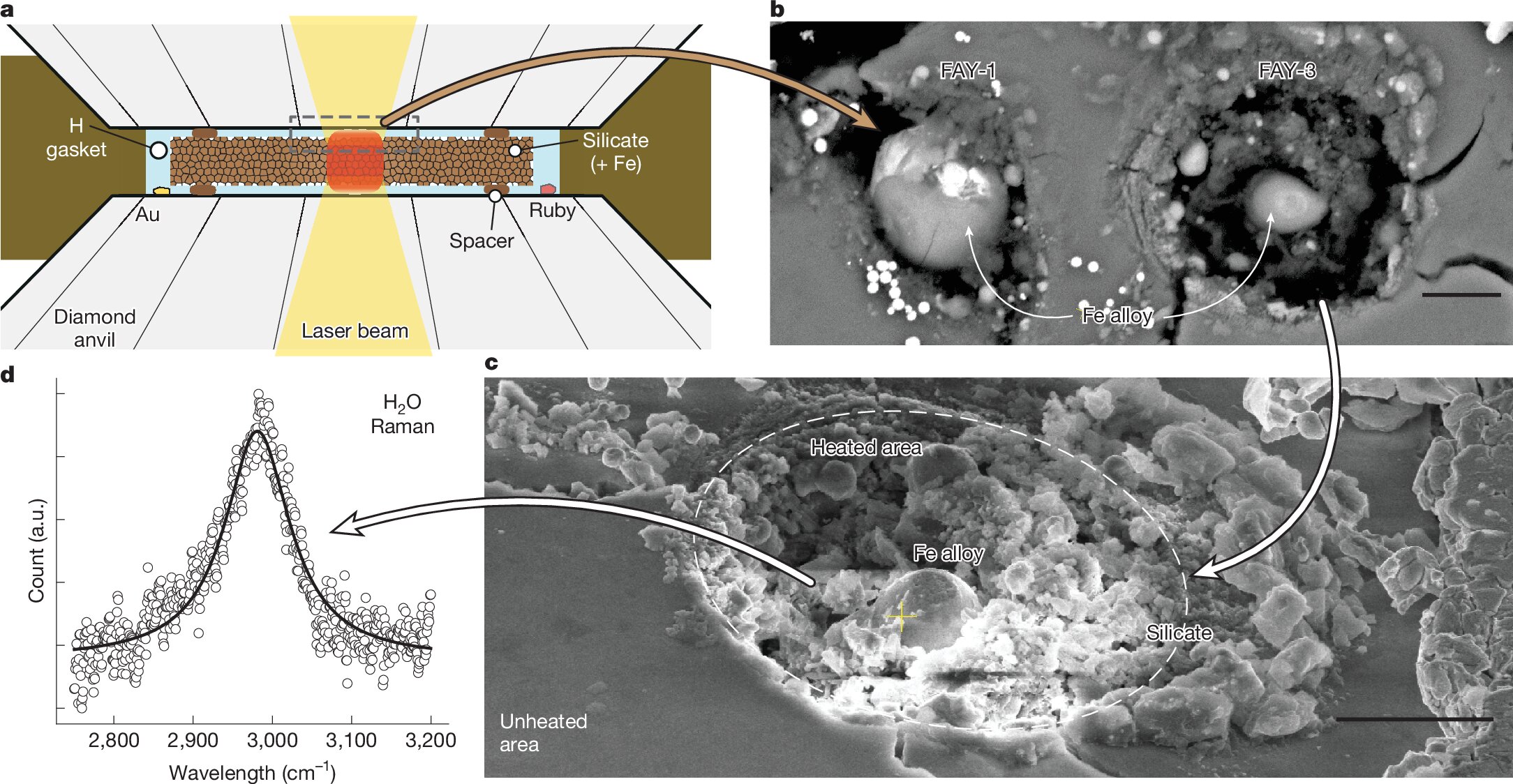
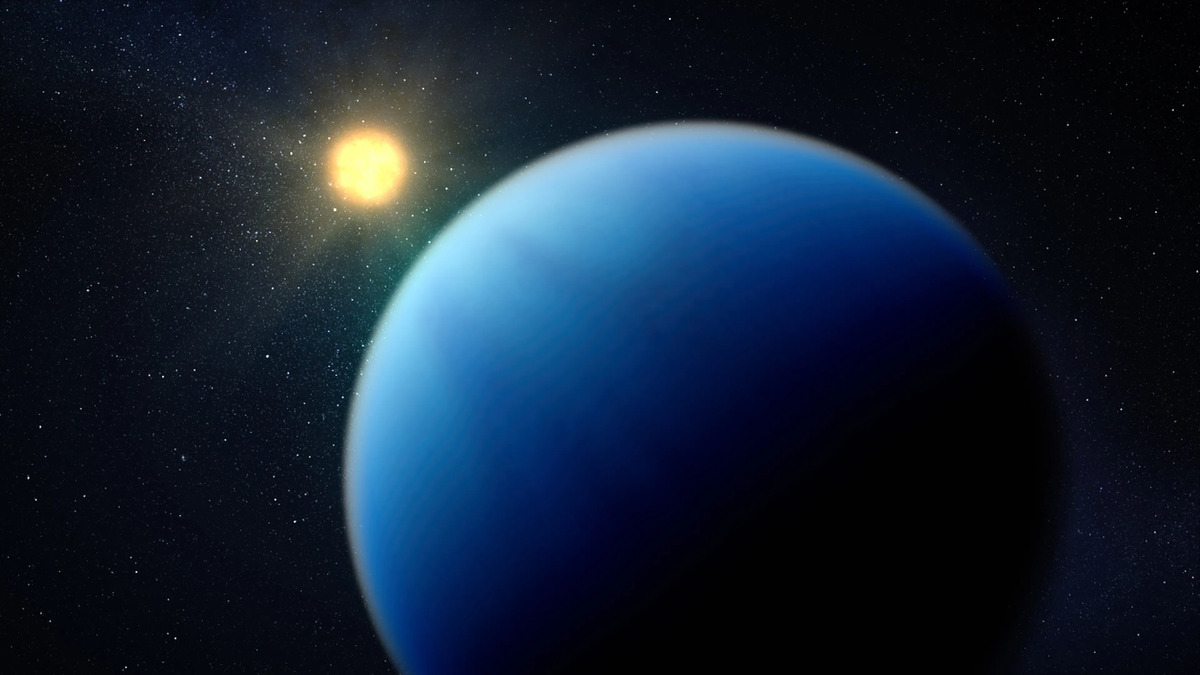
Scientists have discovered that water-rich exoplanets, especially sub-Neptunes close to their stars, can produce their own water through high-pressure reactions between silicate melts and hydrogen in their atmospheres, challenging previous theories about their formation and composition.
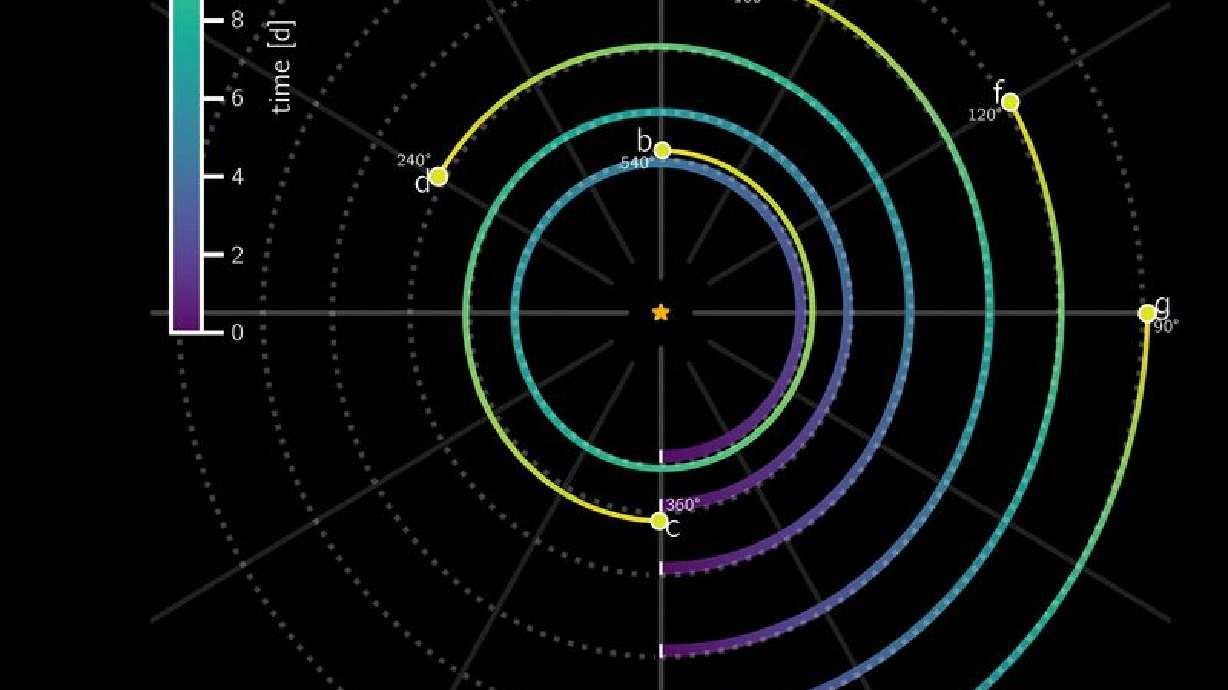
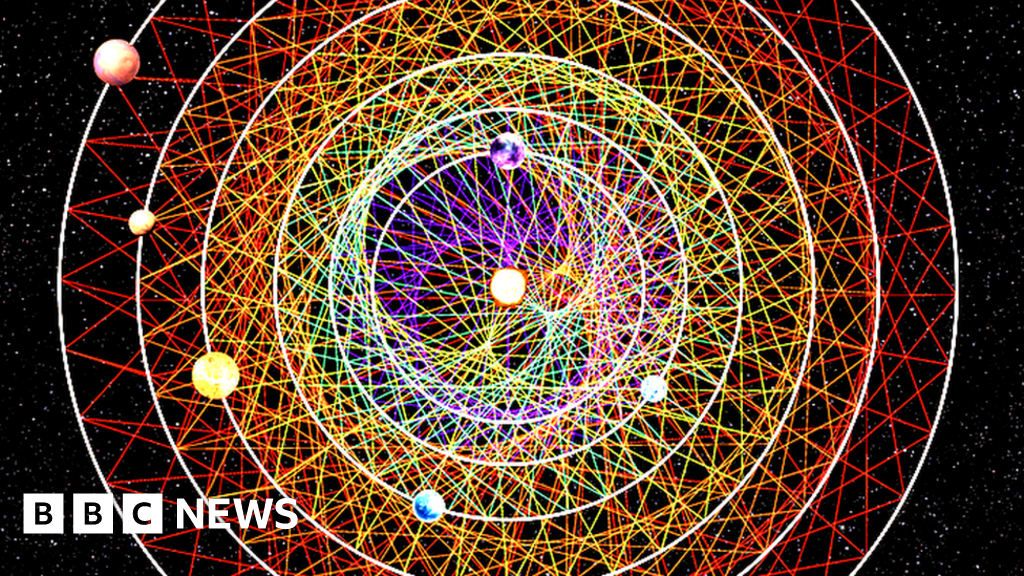
Astronomers have discovered six sub-Neptune planets in synchronized orbits around a star, offering insights into these mysterious planets that are absent from our solar system. The planets, ranging from 1.9 to 2.9 times Earth's diameter, have remained in orbital resonance since their formation about 4 billion years ago, indicating no chaotic events have perturbed their orbits. Scientists hope that studying these sub-Neptunes, which possess large atmospheres, will shed light on their composition and nature. The James Webb Space Telescope is expected to provide further insights into these planets and their potential habitability.
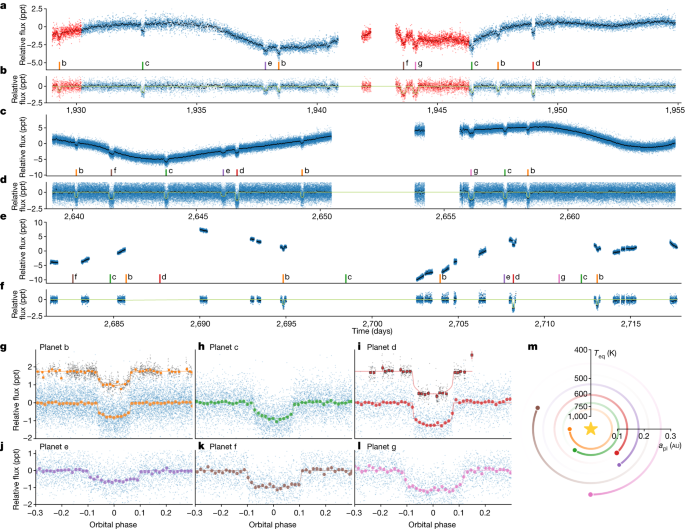
A team of researchers has discovered a unique planetary system orbiting the star HD110067, consisting of six sub-Neptune planets that are all in direct resonance with each other. The discovery was made using data from NASA's TESS and ESA's Cheops satellites. This system provides valuable insights into planetary formation and system evolution, as well as the potential for studying the atmospheric composition of sub-Neptunes. It is also a promising target for future observations using the James Webb Space Telescope.
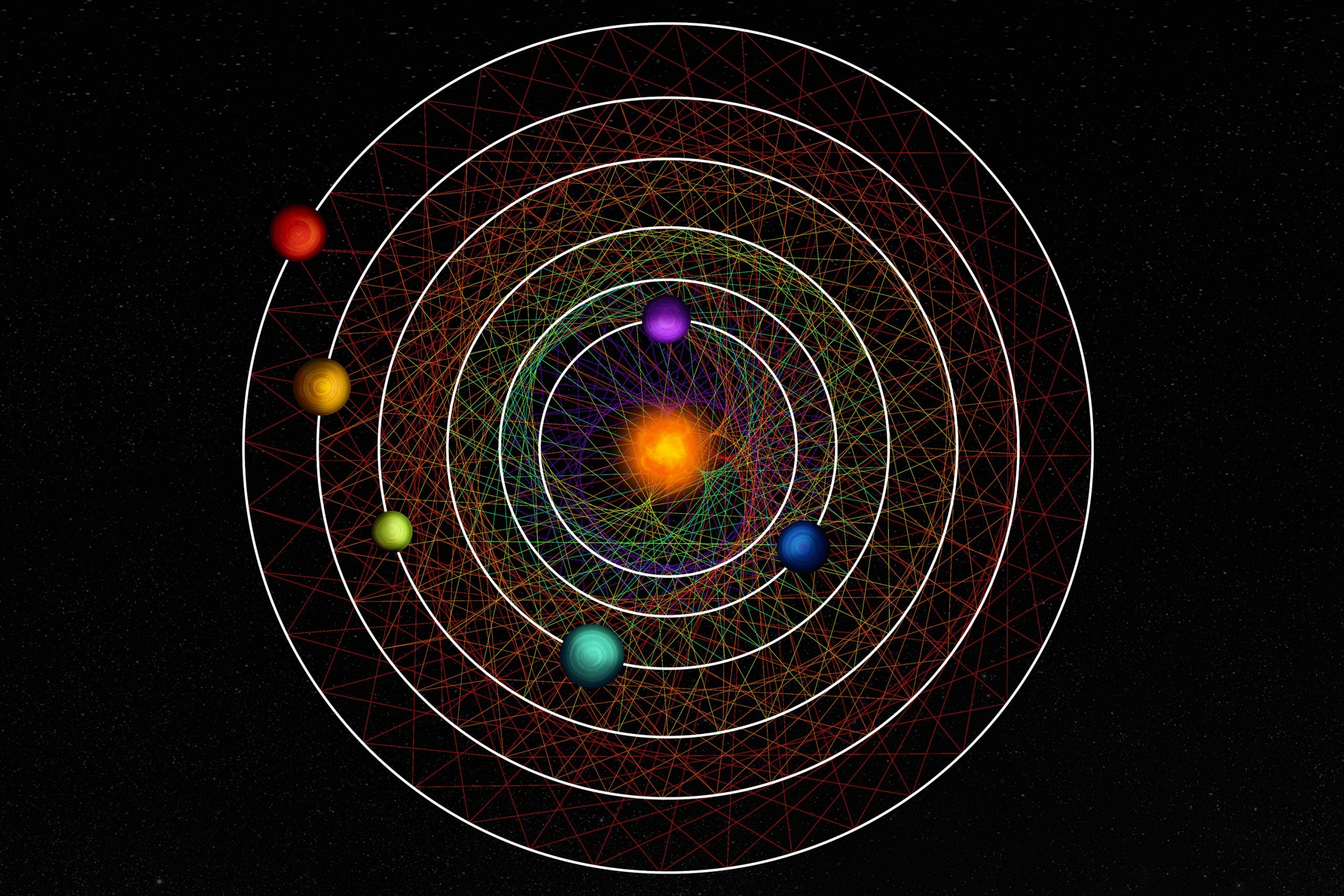
Astronomers have discovered a system of six planets orbiting a nearby sun-like star, HD 110067, which are locked into a rare resonance with one another. These sub-Neptune planets, larger than Earth but smaller than Neptune, provide insights into planet formation and evolution. The stable, predictable orbital pattern suggests that the planets have remained undisturbed for billions of years. While not suitable for life, the system offers valuable opportunities for studying planet atmospheres. The discovery raises questions about why our own solar system lacks sub-Neptune planets, and further investigation will be conducted using NASA's James Webb Space Telescope.
Researchers have discovered a "perfect solar system" located 100 light years away, consisting of six planets that are all about the same size and have remained undisturbed since their formation up to 12 billion years ago. This system provides an ideal opportunity to study how planets are created and whether they can support life. The planets' synchronized orbits and near-identical size make it easier for astronomers to compare and contrast them, helping to build a better understanding of planetary formation and evolution. The discovery of this system also increases the chances of detecting signs of life on other worlds in the near future.
The TESS and CHEOPS missions have observed a resonant sextuplet of sub-Neptunes transiting the bright star HD 110067. The data from these observations, as well as ground-based photometry and high-resolution imaging, are publicly available. The study utilized various codes and resources for data reduction and analysis. This discovery adds to the growing body of knowledge about planetary systems and their dynamics.
Astronomers have discovered that some exoplanets are losing their atmospheres, causing them to shrink. This phenomenon, known as "core-powered mass loss," occurs when radiation from the planet's hot core pushes away its atmosphere from within. This process can transform a puffy, sub-Neptune planet into a rocky super-Earth. The findings explain why there are few exoplanets with sizes between a super-Earth and sub-Neptune. The study analyzed exoplanet data collected by NASA's Kepler 2 mission and suggests that core-powered mass loss is the likely reason behind atmospheric escape on these planets.