
Unraveling the Mystery: NASA's Findings on Shrinking Exoplanets
TL;DR Summary
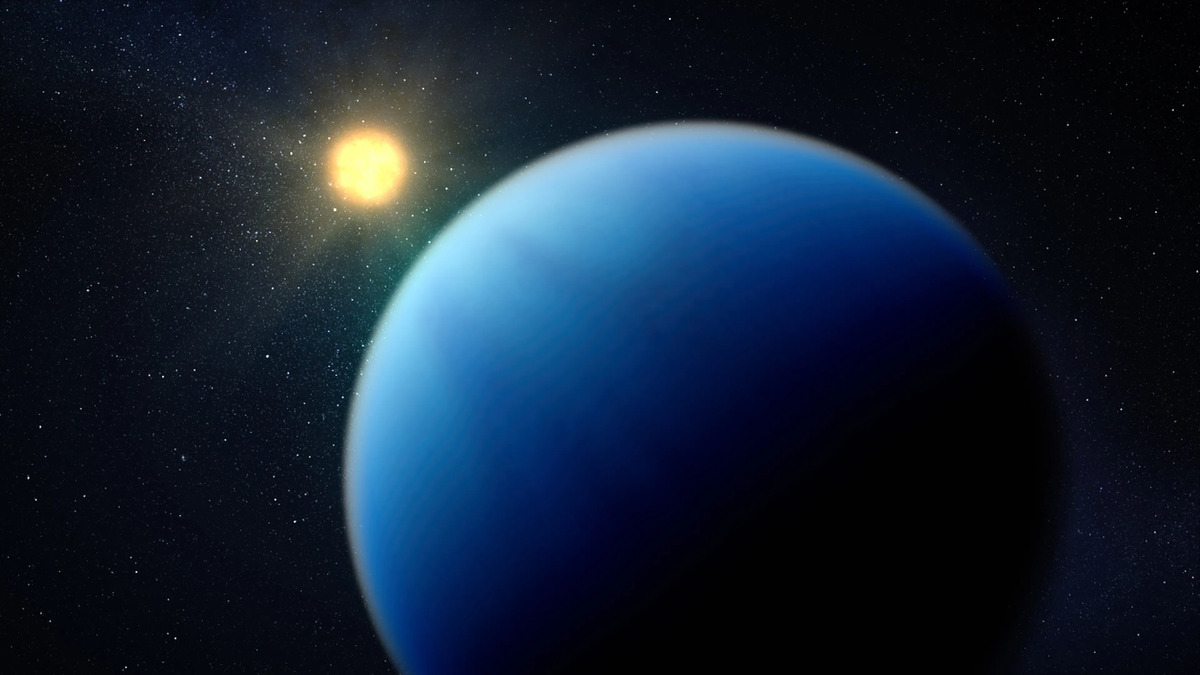
Astronomers have discovered that some exoplanets are losing their atmospheres, causing them to shrink. This phenomenon, known as "core-powered mass loss," occurs when radiation from the planet's hot core pushes away its atmosphere from within. This process can transform a puffy, sub-Neptune planet into a rocky super-Earth. The findings explain why there are few exoplanets with sizes between a super-Earth and sub-Neptune. The study analyzed exoplanet data collected by NASA's Kepler 2 mission and suggests that core-powered mass loss is the likely reason behind atmospheric escape on these planets.
Topics:top-news#astronomers#atmospheres#core-powered-mass-loss#exoplanets#science-and-astronomy#sub-neptunes
- Some exoplanets are shrinking. Here's why Space.com
- NASA scientists think some planets are shrinking because powerful radiation from their cores is pushing away their atmospheres Yahoo! Voices
- NASA Telescope Reveals Clues to Elusive 'Size Gap' in Planets Gizmodo
- NASA Astronomers Might Have Figured Out Why Some Planets Shrink ExtremeTech
- Is mystery of shrinking exoplanets solved? Data from NASA reveals new details WION
Reading Insights
Total Reads
0
Unique Readers
7
Time Saved
3 min
vs 4 min read
Condensed
87%
673 → 89 words
Want the full story? Read the original article
Read on Space.com