
crime1 year ago
"Multiple Deaths and Suspected Homicide: Recent Cases in Iowa"
A man who died after a standoff had previously been charged in a 2006 necrophilia case that was heard by the state Supreme Court.

All articles tagged with #state supreme court
A man who died after a standoff had previously been charged in a 2006 necrophilia case that was heard by the state Supreme Court.
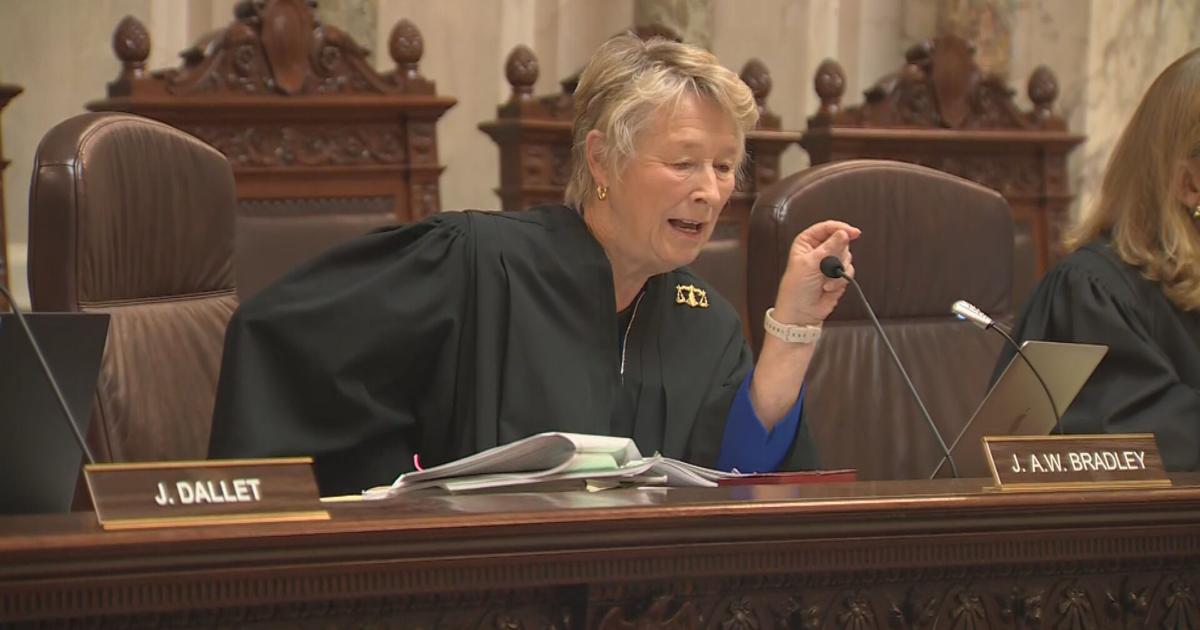
State Supreme Court Justice Ann Walsh Bradley has announced that she will not seek re-election, ending her 26-year tenure on the bench. Bradley, who has served on the Wisconsin Supreme Court since 1995, cited personal reasons for her decision and expressed gratitude for the opportunity to serve on the state's highest court.

A hospital in Mobile, Alabama, at the center of a State Supreme Court ruling regarding the legal status of frozen embryos has announced it will no longer provide in vitro fertilization (IVF) lab services due to pending litigation and lack of clarity in recently passed IVF legislation. The decision has raised concerns about access to IVF treatments and the legal status of frozen embryos in Alabama, prompting calls for federal protections for IVF and fertility treatments.
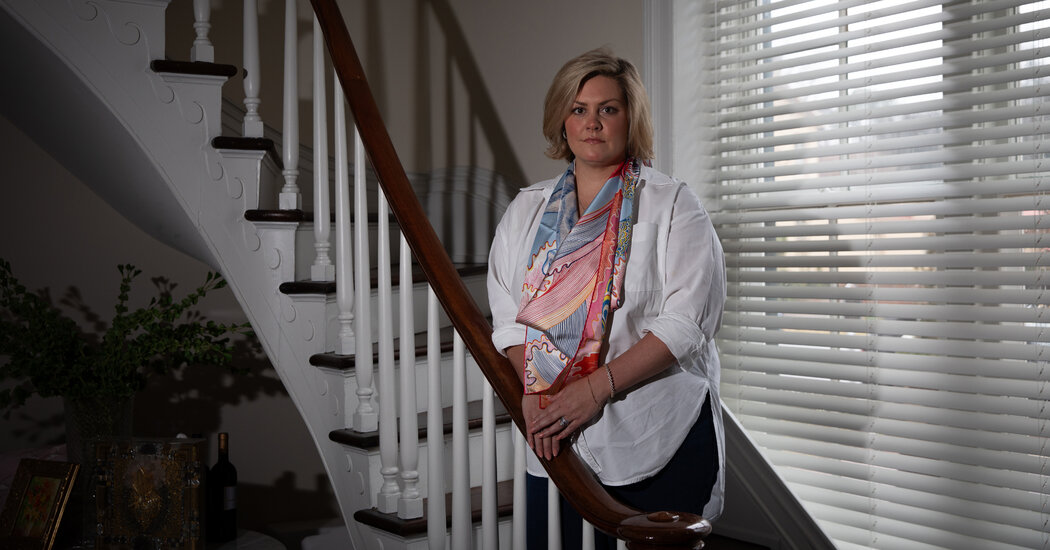
After the Alabama Supreme Court ruled that frozen embryos should be considered "extrauterine children" under state law, several fertility clinics in the state suspended I.V.F. treatments, causing setbacks for couples like Leelee and Austin Ray, who had been trying to have a baby for six years. The ruling disrupted expensive, physically and emotionally taxing fertility treatments, and may soon be repeated in other states as anti-abortion forces push to redefine the beginning of life.
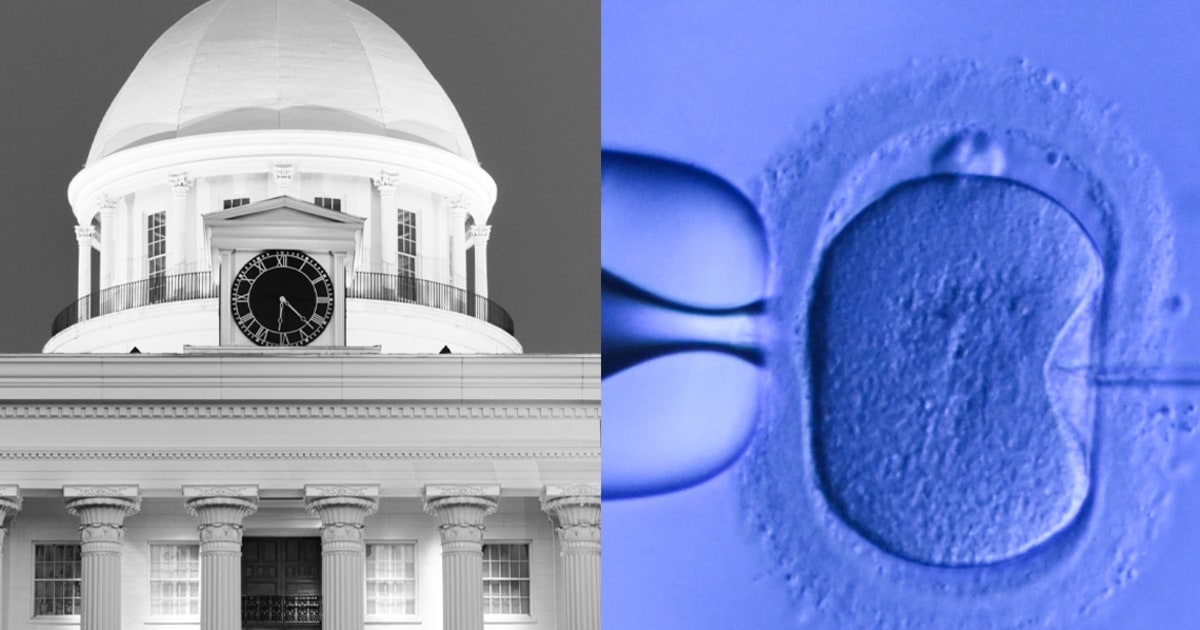
Alabama lawmakers are set to vote on a finalized bill aimed at protecting in vitro fertilization (IVF) services following a controversial state Supreme Court ruling that embryos are considered children. The bill would provide civil and criminal immunity for IVF providers but does not clarify whether frozen embryos have the same rights as children. Reproductive rights advocates criticize the bill for failing to fully protect IVF care and reinforcing the state Supreme Court's ruling. The ruling prompted IVF clinics to close, and the bill aims to allow them to reopen without fear of legal repercussions.
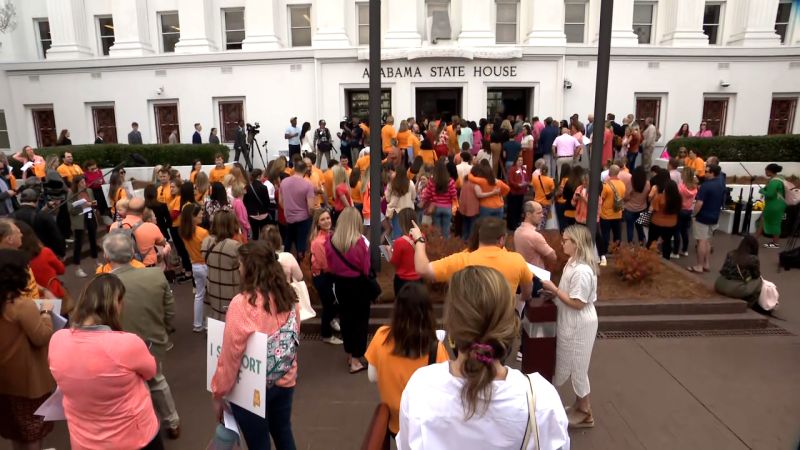
The Alabama House and Senate have passed bills aimed at protecting in vitro fertilization (IVF) treatments following a state Supreme Court ruling that classified frozen embryos as children. The bills, sponsored by Rep. Terri Collins and Sen. Tim Melson, seek to provide civil and criminal immunity to those involved in IVF services and are intended to prompt IVF clinics to reopen. The ruling has caused concern among patients, healthcare providers, and reproductive rights advocates, and the legislation is now awaiting approval from Republican Gov. Kay Ivey.
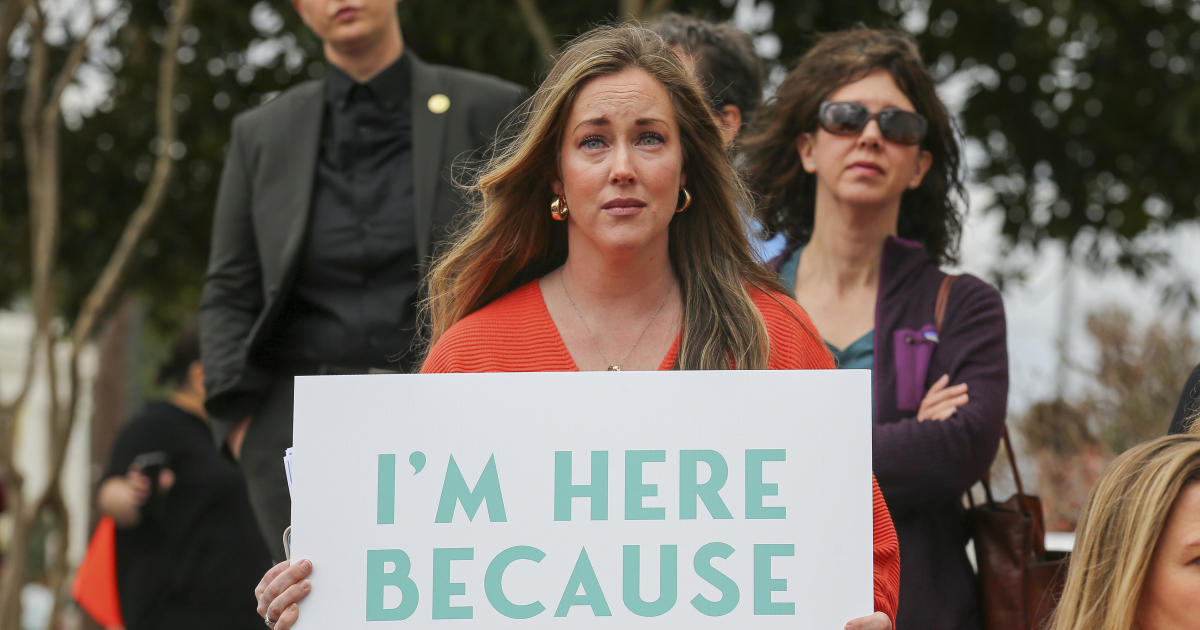
The Alabama legislature has passed bills to protect in vitro fertilization (IVF) services after a state Supreme Court ruling found that frozen embryos can be considered children under state law. The bills, which provide legal protections to health care entities offering IVF services, received overwhelming support in both chambers and are now headed to the other chamber for approval. The decision prompted widespread backlash and led to the suspension of IVF treatments at several clinics in the state. Alabama Governor Kay Ivey has expressed support for the legislation, emphasizing the state's commitment to fostering a culture of life. At the federal level, efforts to create nationwide protections for IVF access were met with opposition.

Both chambers of the Alabama Legislature passed bills to protect in vitro fertilization (IVF) following a state Supreme Court ruling that deemed embryos as children. The bills aim to provide immunity for individuals and entities involved in IVF services, but have faced criticism for not fully addressing the broader issues raised by the ruling. Lawmakers are working to pass a unified version of the legislation before sending it to the governor for approval, amid concerns that the ruling could impact IVF practices in the state.
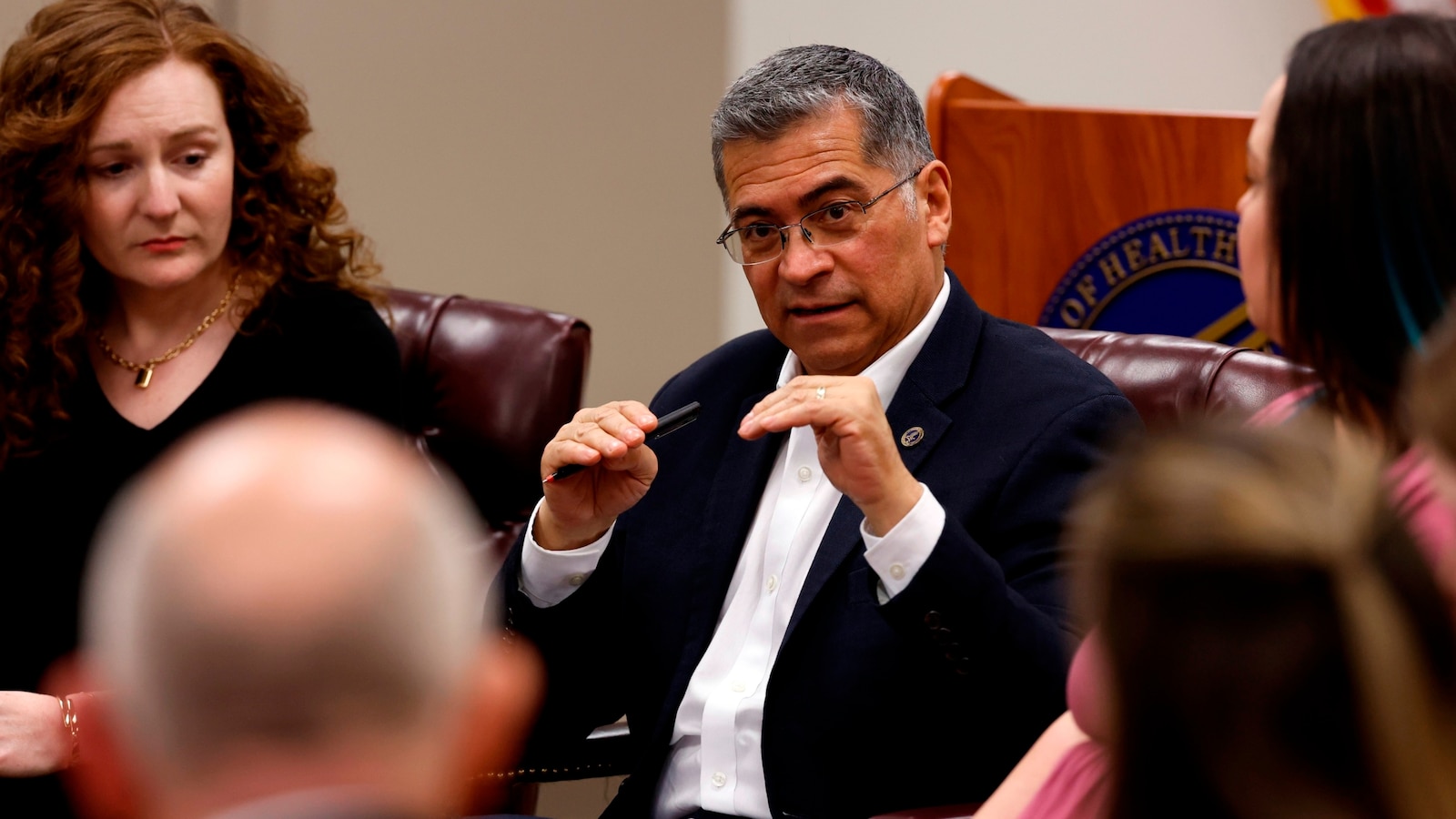
After a recent Alabama Supreme Court ruling classified embryos as "extrauterine children," causing nearly half of the state's IVF clinics to pause treatments, Health and Human Services Secretary Xavier Becerra expressed concern over the broader impact on reproductive health care access. Advocates and affected individuals are pressuring the Alabama Legislature to pass a bill protecting fertility treatments, while federal officials are exploring limited options to safeguard IVF access in the state.

Alabama lawmakers are rushing to protect in vitro fertilization (IVF) services after a state Supreme Court ruling that frozen embryos could be considered children under state law, causing multiple providers to pause treatment. Legislators are proposing separate measures to prevent fertilized eggs from being recognized as human life or unborn children until implanted in a woman's uterus. Former President Donald Trump and President Biden have both weighed in on the issue, with Trump expressing strong support for IVF availability and Biden condemning the court ruling. Lawmakers are working on solutions to clarify the status of fertilized eggs and embryos under state law, aiming to address the unintended consequences of a 2018 constitutional amendment recognizing the "rights of the unborn child."
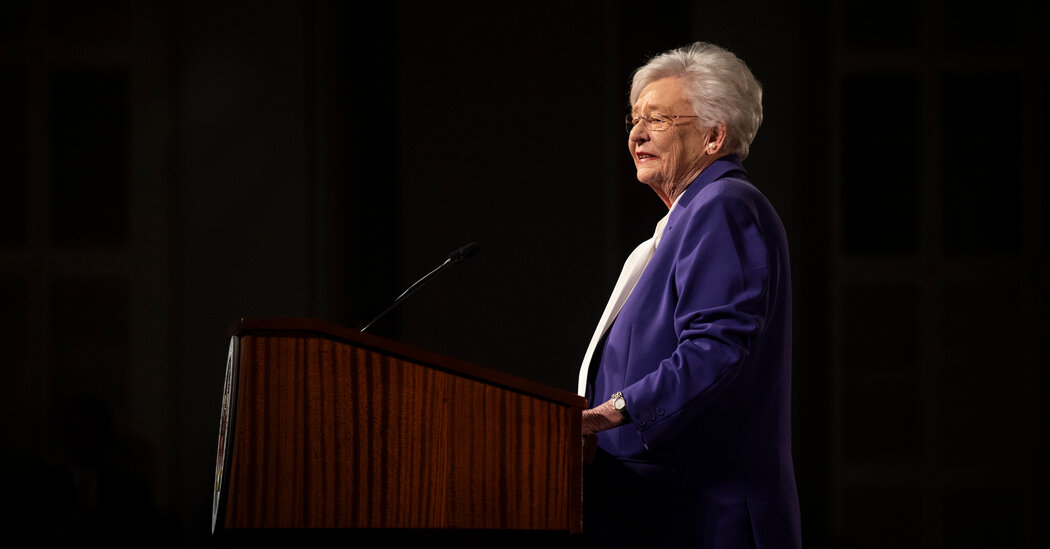
Alabama lawmakers are considering legislation to protect in vitro fertilization (I.V.F.) treatments after a State Supreme Court ruling led some clinics to halt I.V.F. treatments, leaving many women in limbo. The ruling, which declared that frozen embryos should be legally considered children, has sparked concerns about the wider implications for people seeking I.V.F. treatment. At least three major fertility clinics in Alabama have stopped I.V.F. treatments as doctors and lawyers assess the possible consequences of the ruling, prompting a major embryo shipping company to also pause its business in the state. Republican State Senator Tim Melson plans to introduce a measure to ensure continued access to I.V.F. treatment.
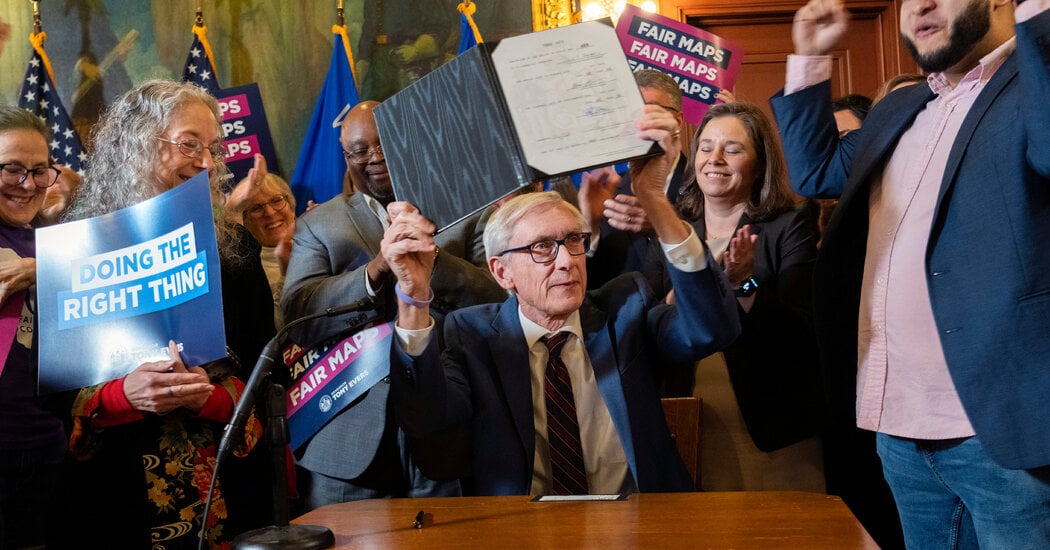
Wisconsin's Democratic governor, Tony Evers, signed new legislative maps into law, creating an almost even split between Democratic- and Republican-leaning districts and potentially giving Democrats a chance to win control of the state’s legislature for the first time in over a decade. The move comes after the state’s Supreme Court ordered new maps, and with the new maps likely to be used in the November election, Democrats are expected to pick up seats. The shift follows a long-standing Republican advantage aided by heavily gerrymandered maps, and the change in the state’s Supreme Court to a 4-to-3 liberal majority has renewed Democratic hopes of overturning the previous maps.
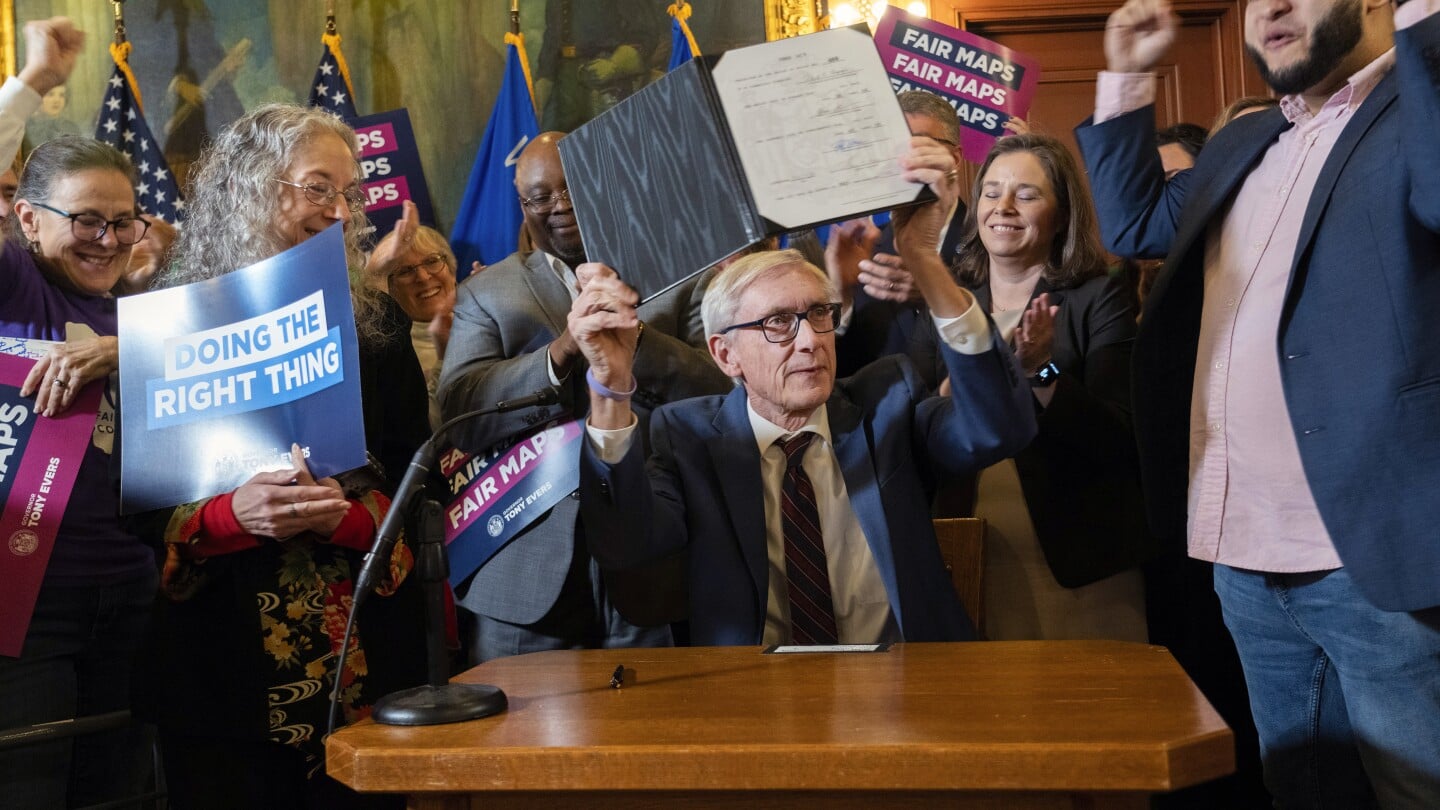
Wisconsin's Democratic Governor Tony Evers signed new legislative maps into law after Republicans, who control the Legislature, passed them to avoid the liberal-controlled state Supreme Court drawing the lines. The move is seen as a major political victory for Democrats in the swing state, likely leading to gains in the state Assembly and Senate. The new maps will be in place for the November election, and the state Supreme Court's decision to order new legislative maps has also opened the door to challenging the congressional map.

Wisconsin's Democratic Governor Tony Evers signed new legislative district maps into law, proposed by him and passed by the Republican-controlled Legislature to avoid the liberal-controlled state Supreme Court drawing the lines. The move is seen as a major political victory for Democrats in the swing state, likely leading to gains in the state Assembly and Senate. The new maps will be in place for the November election, replacing the recognized gerrymandered maps drawn by Republicans in 2011. Litigation continues in more than a dozen states over U.S. House and state legislative districts enacted after the 2020 census, and the Wisconsin Supreme Court has been asked to take up a challenge to the state's congressional district lines.
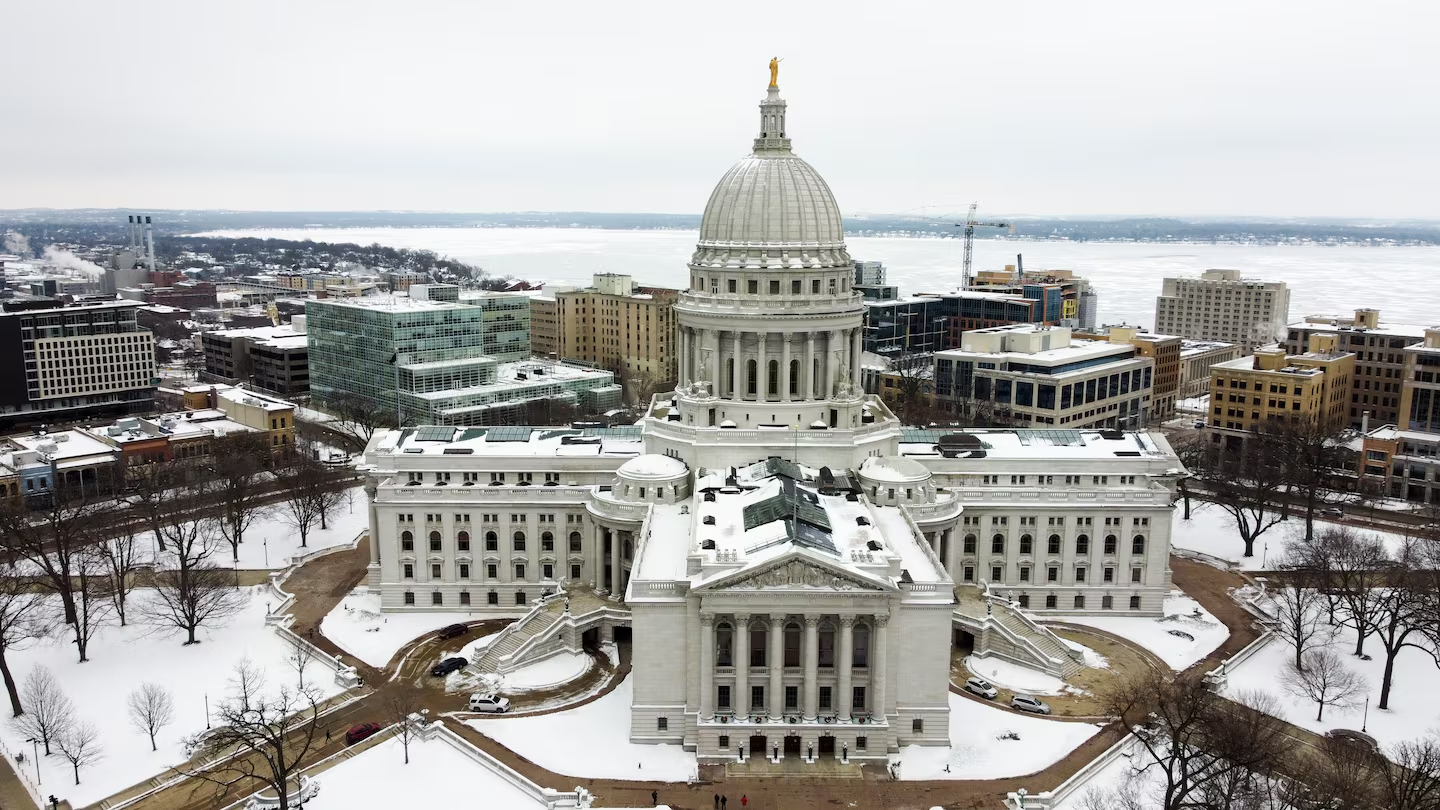
Wisconsin Republicans have approved new district maps that would weaken their stronghold on the state legislature, fearing that the Democratic-controlled state Supreme Court could impose even less favorable ones. The move comes after the court struck down the existing maps, which heavily favored Republicans. If approved by Governor Tony Evers, the new maps would significantly reduce the Republican majority in the state Assembly and Senate. However, Democrats are disappointed with the missed opportunity to secure even more favorable maps, and the possibility of further legal battles looms.