An opinion piece argues that civilization rests on secure property titles and private land ownership, and that apologies for past wrongs or Indigenous land claims cannot replace a stable, enforceable title system.
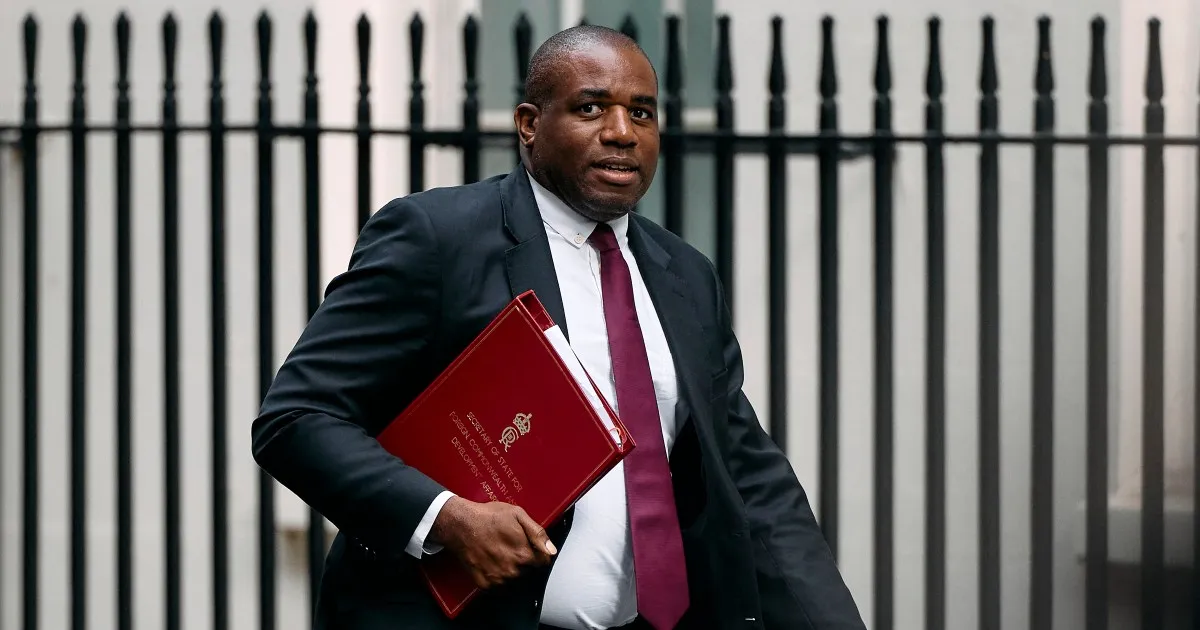
Despite Britain’s reputation for having the finest judiciary, public trust in the country's legal and police systems has sharply declined over the past year, influenced by political shifts and the rise of the Reform UK party.
The UK is reducing jury trials for less serious criminal cases to address court delays, sparking controversy over the erosion of community participation in justice, with critics arguing it undermines fairness and historical legal protections.
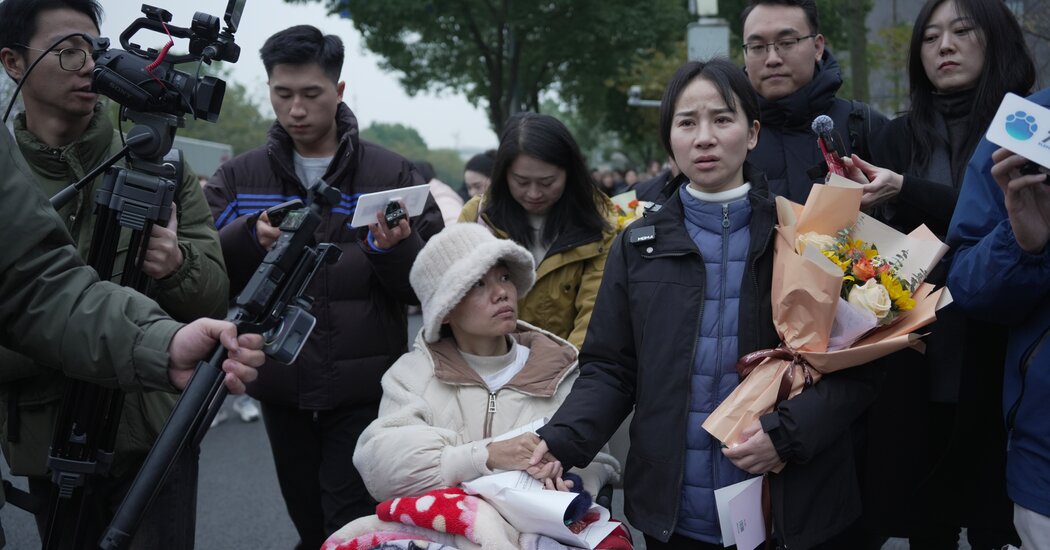
In China, victims of domestic abuse face systemic failures as laws are poorly enforced, resources are lacking, and cultural attitudes prioritize family privacy over protection, leading to tragic outcomes despite legal provisions against violence.
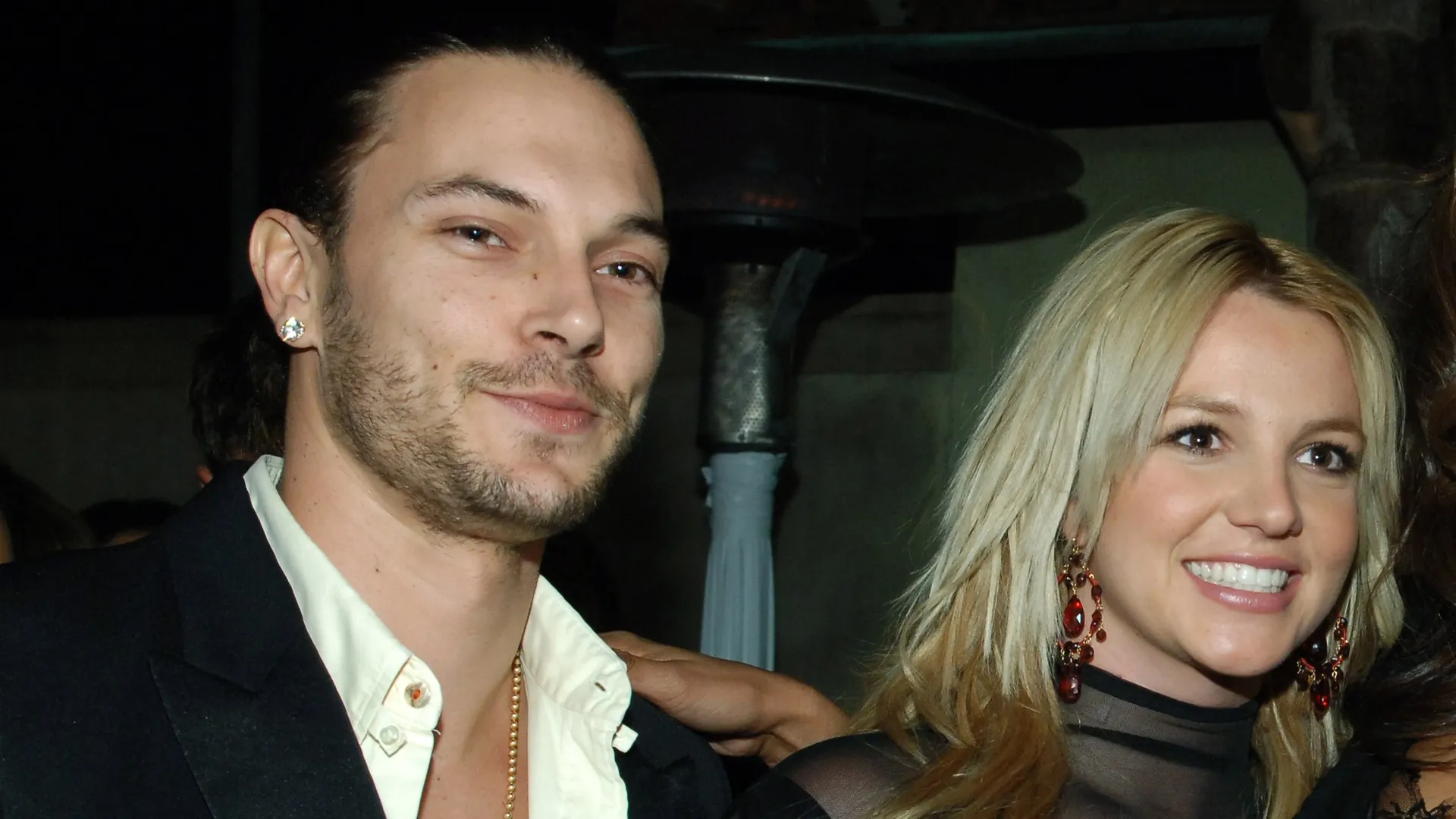
Kevin Federline's memoir raises concerns about Britney Spears' conservatorship, questioning its necessity and highlighting potential abuses, as Spears continues to advocate for her independence and control over her life.
Generative AI is increasingly being used in the US legal system for research, case presentation, and even virtual testimony, raising both potential benefits for efficiency and concerns about accuracy and justice. While it has helped humanize victims and streamline legal tasks, issues like false information and over-reliance pose challenges, prompting calls for careful integration and training.
The article discusses the prevalence and history of class action lawsuits in the US, highlighting how they serve as a tool for individuals to seek justice for small claims or mass injuries, despite recent legal hurdles making them more difficult to pursue. It emphasizes the ongoing nature of such lawsuits and encourages individuals to take advantage of them to recover damages from corporations that profit from data and misconduct.
The verdict in a recent case involving Penny has become a focal point in the ongoing debate over how the legal system handles cases involving crime and mental illness. The case highlights the complexities and challenges faced by the justice system in balancing public safety with the rights and needs of individuals with mental health issues.
The Biden administration is considering preemptive pardons for figures like Anthony Fauci, Mark Milley, Adam Schiff, and Liz Cheney, who may face retribution from the incoming Trump administration. This unprecedented move is being discussed amid concerns over Trump's potential use of the Justice Department for political revenge. While some Democrats support the pardons to protect against politically motivated prosecutions, others worry it could set a dangerous precedent. The discussions follow Biden's controversial pardon of his son, Hunter Biden, and reflect broader concerns about the politicization of the legal system.
In 2007, an Australian woman living in Dubai faced legal challenges after her boyfriend, Stuart, died in a swimming accident in Fujairah, UAE. Despite the UAE's strict laws against cohabitation and adultery, she navigated a tense legal situation by convincing a judge of her innocence, ultimately avoiding imprisonment. The ordeal highlighted the complexities of living as an expat in the Middle East, where cultural and legal norms can differ significantly from Western countries. The experience led her to leave Dubai, eventually finding a new life and husband in Abu Dhabi.
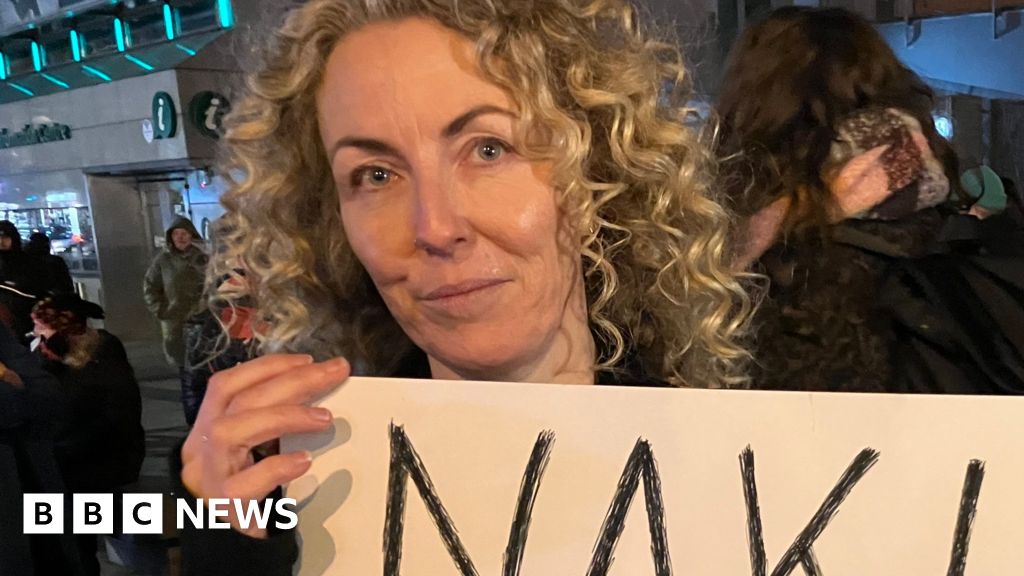
Hundreds of protesters in Dublin marched to support Nikita Hand, who accused MMA fighter Conor McGregor of rape, after the Irish director of public prosecutions (DPP) decided not to pursue a criminal case due to insufficient evidence. The protest, organized by the socialist feminist movement ROSA, coincided with the International Day for the Elimination of Violence against Women. Demonstrators expressed their dissatisfaction with the legal system's handling of the case and highlighted the broader issue of women's safety and the need for victims to be heard and believed.
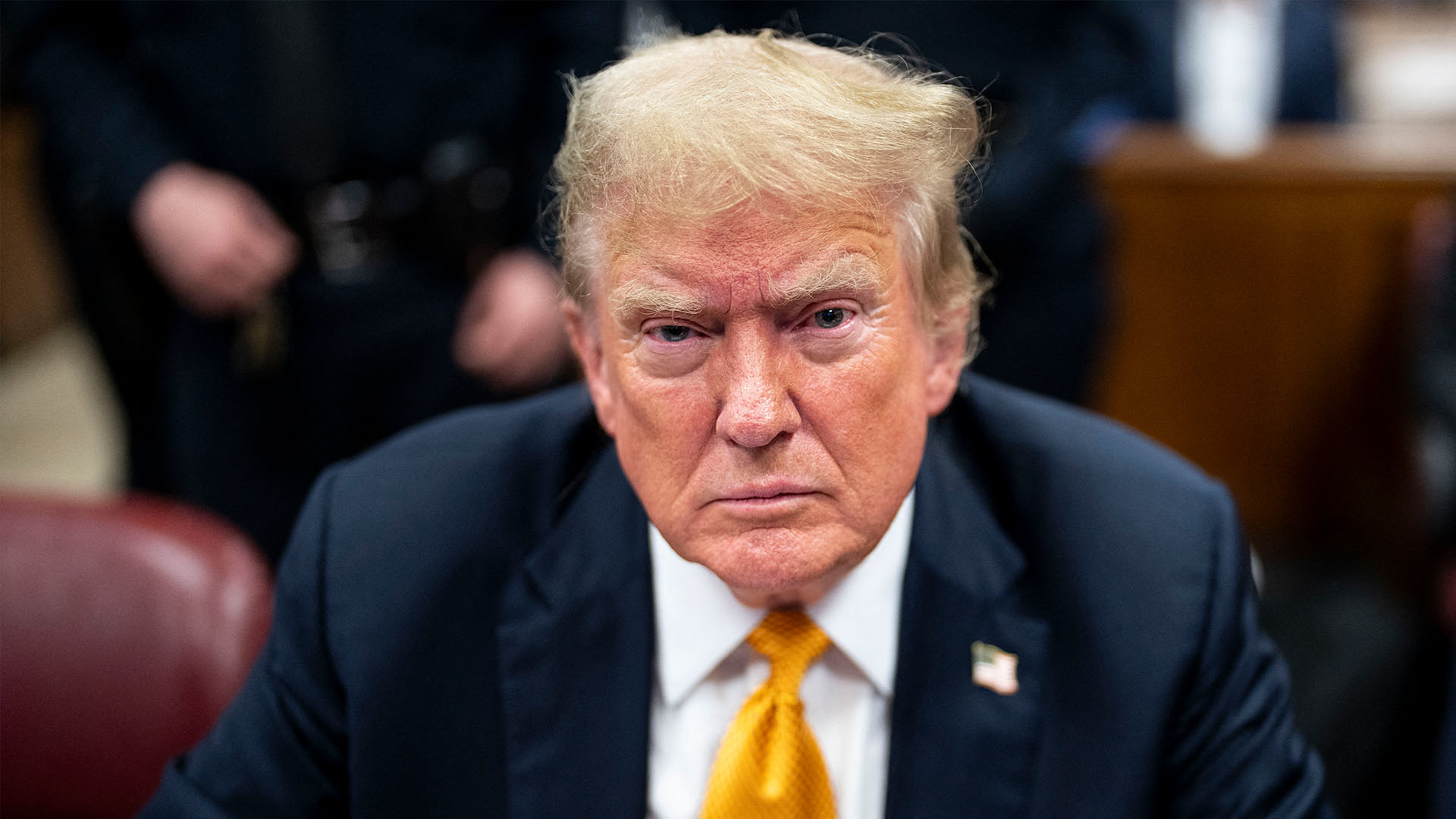
Donald Trump's sentencing in the hush money case involving Stormy Daniels has been delayed indefinitely, with legal experts calling for the case's dismissal. Attorney David Gelman criticized the case as politically motivated and a mockery of the justice system, arguing that it should be dismissed due to Trump's presidential immunity and the unreasonable delay in sentencing. The case's future remains uncertain, with Trump's legal team expected to file a motion to dismiss, while the prosecution has until December 9 to respond.
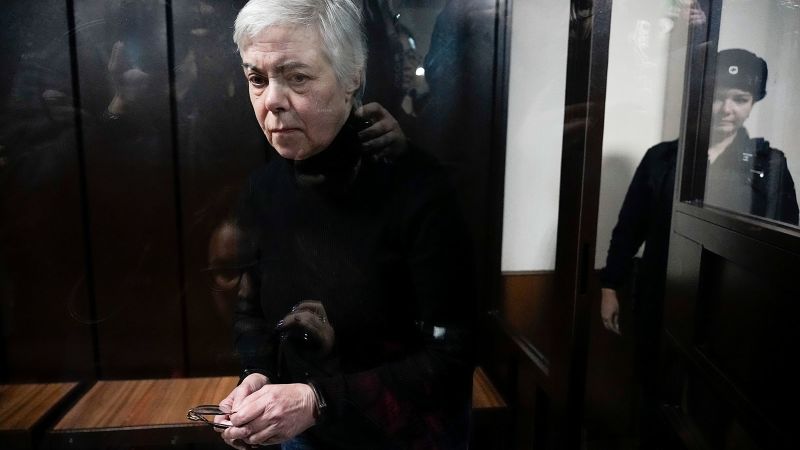
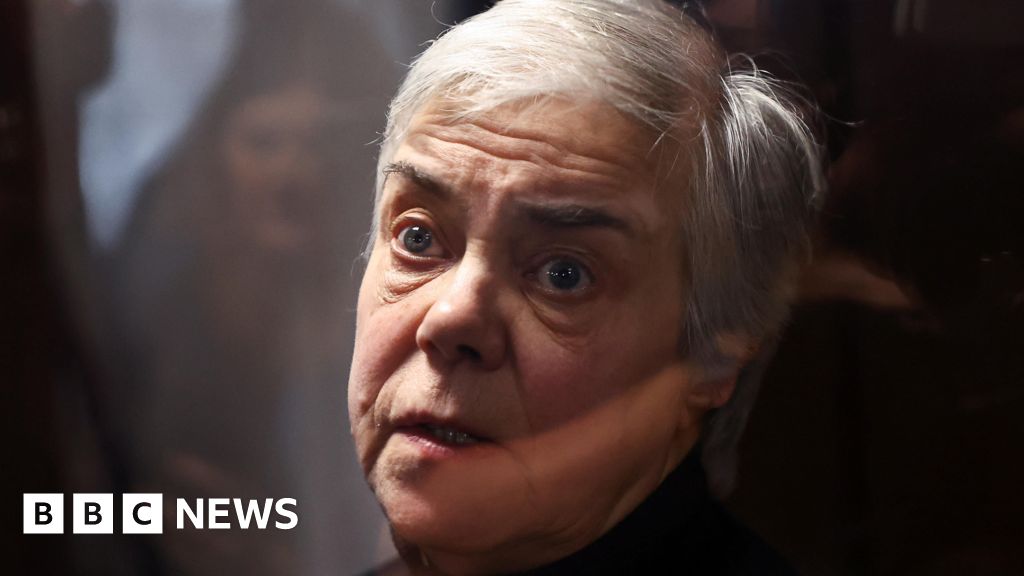
Dr. Nadezhda Buyanova, a 68-year-old pediatrician, was sentenced to 5.5 years in prison in Russia for allegedly spreading false information about the Russian military after criticizing the war in Ukraine. The case, which has drawn significant public attention and outcry, highlights the Kremlin's ongoing crackdown on dissent. Buyanova, who denies the accusations, was reported by a patient's mother, leading to a high-profile trial despite a lack of evidence. Her conviction is part of broader efforts to suppress criticism of Russia's actions in Ukraine.
A Russian pediatrician, Nadezhda Buyanova, has been sentenced to five-and-a-half years in a penal colony for allegedly making negative remarks about the Russian military's involvement in Ukraine. The case, based on accusations from a patient's mother, highlights Russia's stringent laws against spreading false information about the armed forces, which have been used to suppress dissent since the invasion of Ukraine. Buyanova denies the allegations, and her harsh sentence has shocked supporters and raised concerns about increasing repression in Russia.
The Department of Justice is considering how to wind down federal criminal cases against President-elect Donald Trump before he takes office, adhering to a policy that a sitting president cannot be prosecuted. This move contrasts with previous actions by special counsel Jack Smith, who pursued election interference charges against Trump. With Trump's election victory, DOJ officials see no feasible way to continue the cases, which are entangled in legal complexities. The decision raises questions about the future of these cases and the implications for Trump's co-defendants and legal strategy.