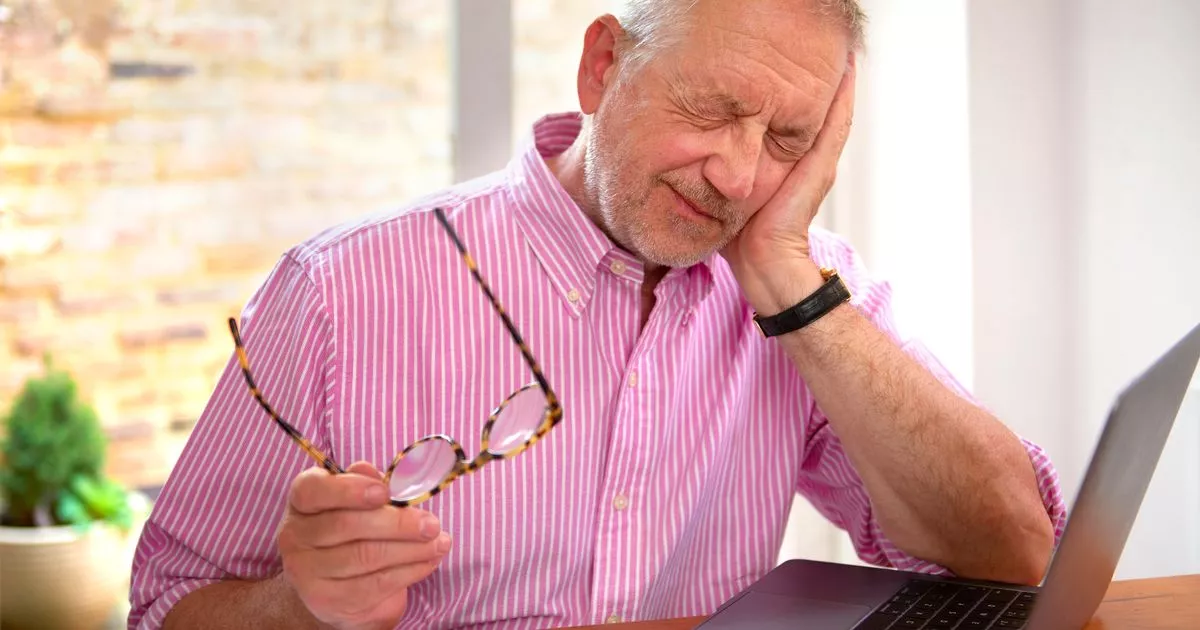
Feeling winded after climbing stairs can be a normal physiological response because stairs demand more oxygen and energy, but new or prolonged breathlessness warrants medical evaluation to rule out underlying conditions such as heart failure, obesity, COPD, or anemia. If recovery is quick, it’s usually not concerning; if breathing stays elevated for more than about three minutes or is accompanied by chest pain, headaches, or vision changes, consult a doctor. To improve stair endurance, gradually train and strengthen the muscles involved while addressing any medical issues first.
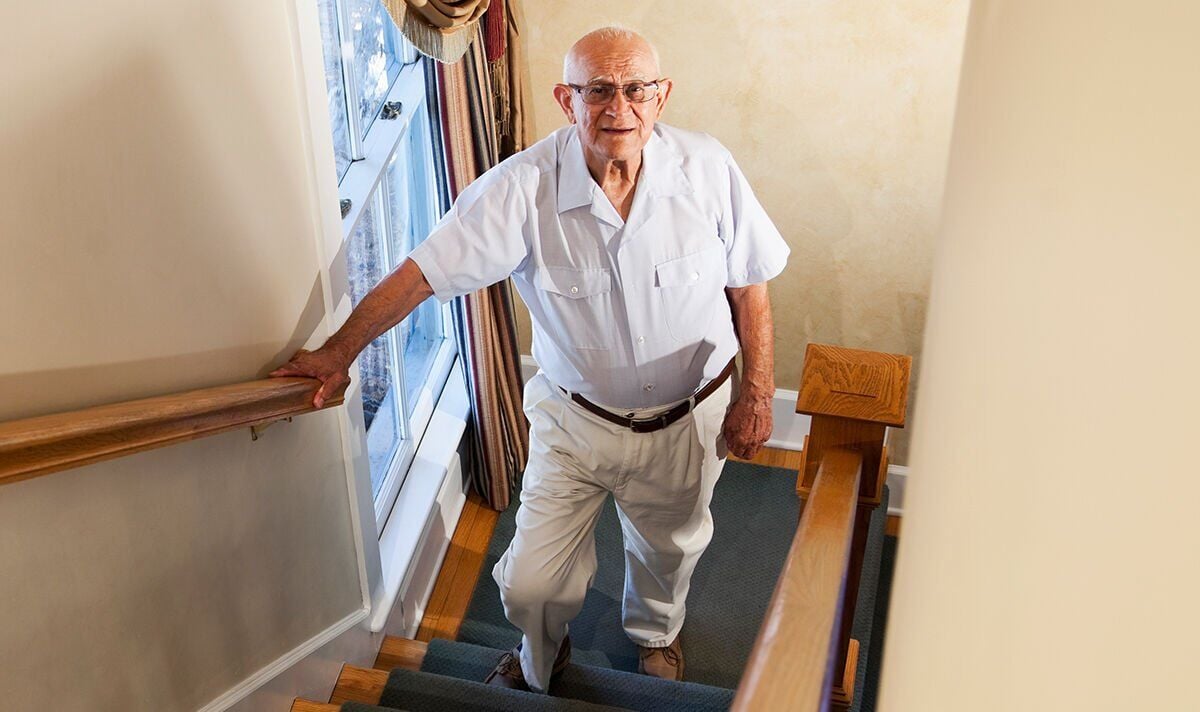
Climbing stairs offers significant health benefits for seniors, including improved cardiovascular health, muscle strength, and balance, and may lower mortality rates. While fall risks exist, stairs with rails are safer than outdoor walking, and incorporating stair climbing into daily routines can help seniors stay active and healthy. Experts recommend maintaining options with and without stairs as health declines.
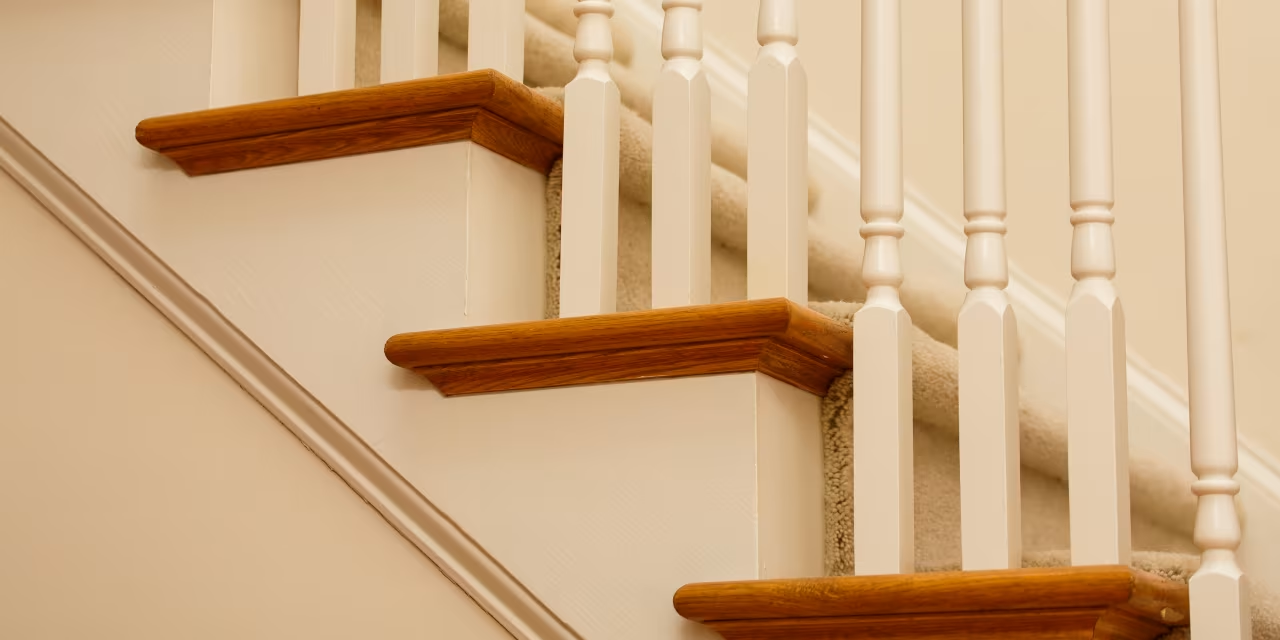
Medical experts have identified a "red flag warning" for dementia, which can be observed when individuals struggle to navigate stairs. Dementia can impact a person's movement, speech, and cognitive abilities, leading to difficulties in everyday activities. Alzheimer Scotland advises looking out for symptoms such as shuffling instead of lifting legs while walking, difficulty going up and down stairs, and an increased risk of slips, trips, and falls. It is recommended to consult a GP if someone exhibits these symptoms, and measures can be taken to make stairs safer, such as replacing worn carpets, ensuring sturdy handrails, and keeping stairs clutter-free. Balance and strength exercises can also improve mobility for those with difficulties on stairs.
Difficulty walking up and down stairs, shuffling instead of lifting legs, and increased risk of slips and falls can be physical symptoms of dementia. If someone is experiencing these difficulties along with other symptoms of dementia, it is important to arrange for them to see their GP. Making stairs safer by replacing worn carpets, ensuring sturdy handrails, and keeping them free from clutter can help reduce the risk of falls. Strength and balance exercises, as well as checking the home for potential hazards, are also recommended. Other signs of dementia include memory loss, language problems, mood changes, and personality changes.
President Biden has been using a shorter and sturdier set of stairs to board Air Force One, avoiding the sometimes-wobbly 18-foot staircase. This change draws attention to Biden's age and his history of stumbling on the tall stairs. The White House has not provided a clear explanation for the shift, but factors such as security, weather, and availability of rolling staircases are said to be considered. While some see the use of shorter stairs as a way to reduce risk, others view it as a reflection of White House staffers being overly protective. Critics argue that it highlights Biden's age as a political liability, although supporters argue that voters prioritize a president's ability to navigate problems rather than steps.
President Biden stumbled while boarding Air Force One in Helsinki, Finland, despite using a shorter staircase. This is at least the fourth time he has tripped while boarding or descending the aircraft. The president has been observed using the shorter stairs since his fall at the Air Force Academy last month. Biden's stumble comes after a gaffe-filled week during his visit to Europe, where he made several verbal mistakes and skipped the summit's opening dinner.
The central staircase with thousands of stairs in Apple TV Plus' Silo is more than just a set piece, it defines the life and look of the entire world. The stairs are a character unto themselves, and one that tests each of the players in the show's mystery. The set's design is surprisingly intuitive, with three levels of stairs built in a refrigeration warehouse about an hour outside of London. The first two episodes of Silo are now streaming on Apple TV Plus.
Choosing the stairs over the elevator can burn extra calories, strengthen leg muscles, and boost energy. Climbing stairs qualifies as a vigorous physical activity, contributing to greater heart health and improving bone health. Daily stair climbing is associated with a reduced risk for metabolic syndrome. Choosing the stairs over the elevator contributes to non-exercise activity thermogenesis (NEAT), which includes any lifestyle activities that promote movement, energy expenditure, and even mental health. Just 11 minutes of moderate-intensity physical activity each day can help reduce the risk of heart disease, stroke, and cancer.