The Trump administration is significantly reducing FEMA's disaster response staff, particularly targeting the CORE teams, as part of a broader effort to downsize the agency and shift disaster management responsibilities to states, raising concerns about preparedness and federal support during emergencies.

Google has recently laid off employees in its Cloud division, primarily affecting those in user experience roles, as part of its ongoing efforts to become more efficient and agile, with staff being informed via email and some affected employees needing to find new roles due to visa restrictions.
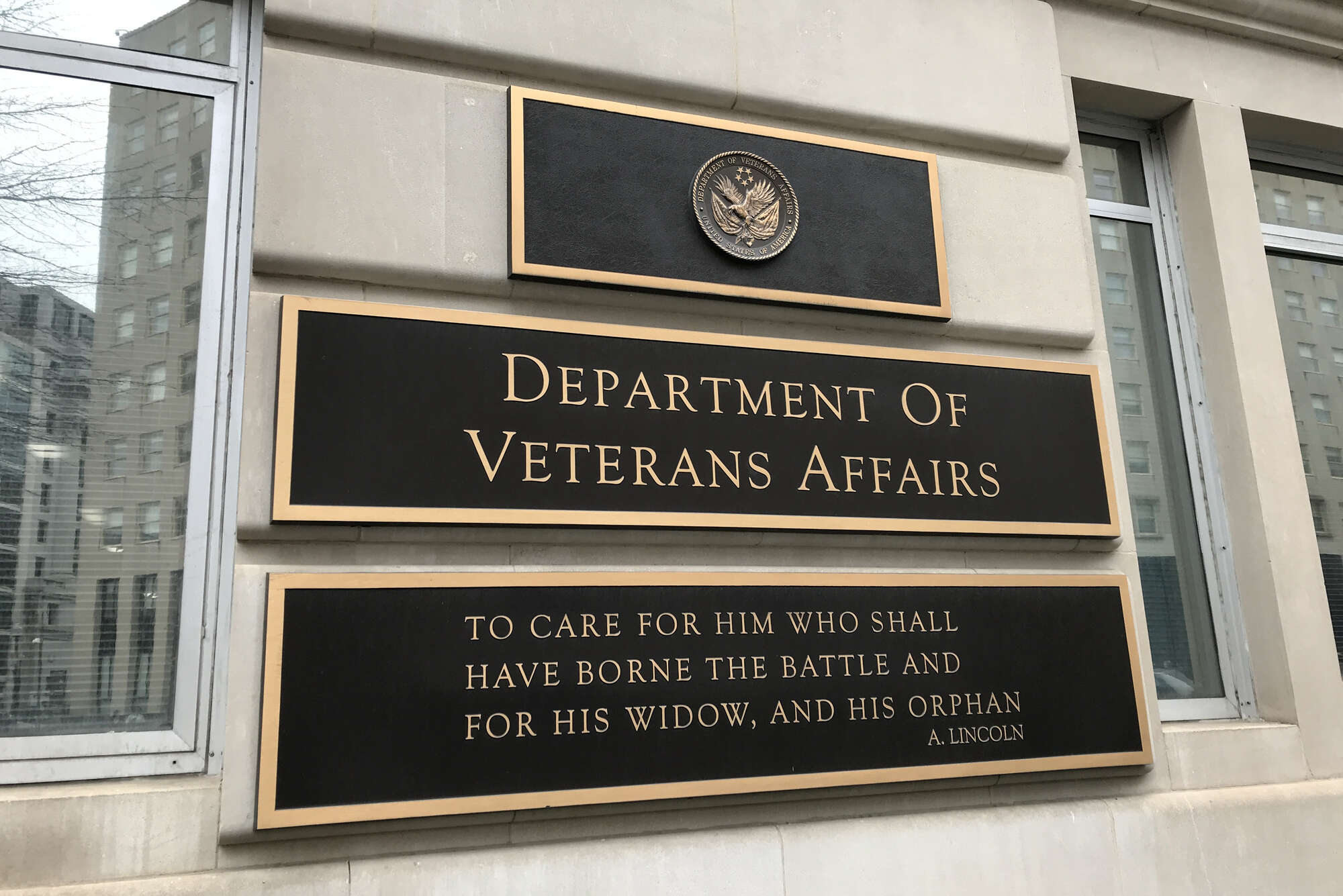
The Department of Veterans Affairs initially planned to cut 83,000 employees to save $8.3 billion but has since abandoned the department-wide layoffs, instead opting to eliminate 30,000 positions mainly through attrition by the end of fiscal 2025, citing safeguards to prevent impact on veteran care.
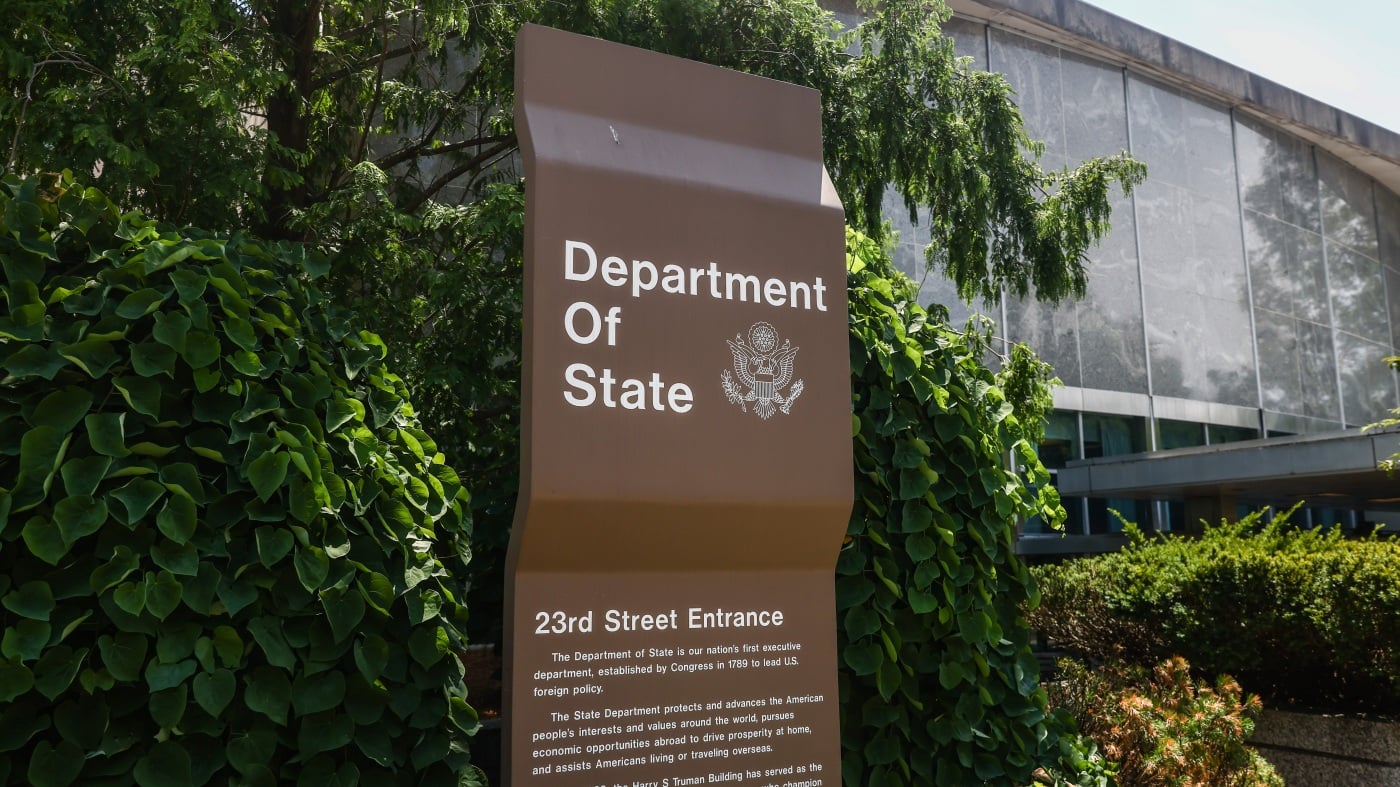
The U.S. State Department is undergoing its largest overhaul in decades, cutting about 15% of its Washington-based staff to reduce bureaucracy, a move criticized by former diplomats for potentially weakening U.S. global influence and institutional knowledge.
Over 2,000 senior NASA staff are planning to leave due to proposed budget cuts and leadership uncertainties, risking significant experience loss and operational challenges for the agency.
The US Supreme Court has allowed the Trump administration to proceed with large-scale staff reductions at federal agencies, despite ongoing legal challenges and dissenting opinions from some justices, highlighting a significant legal and political debate over executive authority and congressional mandates.
Inspectors at the FDA report that recent staff cuts and layoffs have significantly hampered their ability to effectively monitor and inspect foreign drug manufacturing facilities, potentially compromising drug safety for millions of Americans. Despite official statements claiming inspections continue unaffected, experienced personnel have been lost, and support staff reductions have slowed investigations, raising concerns about the oversight of overseas drug production.
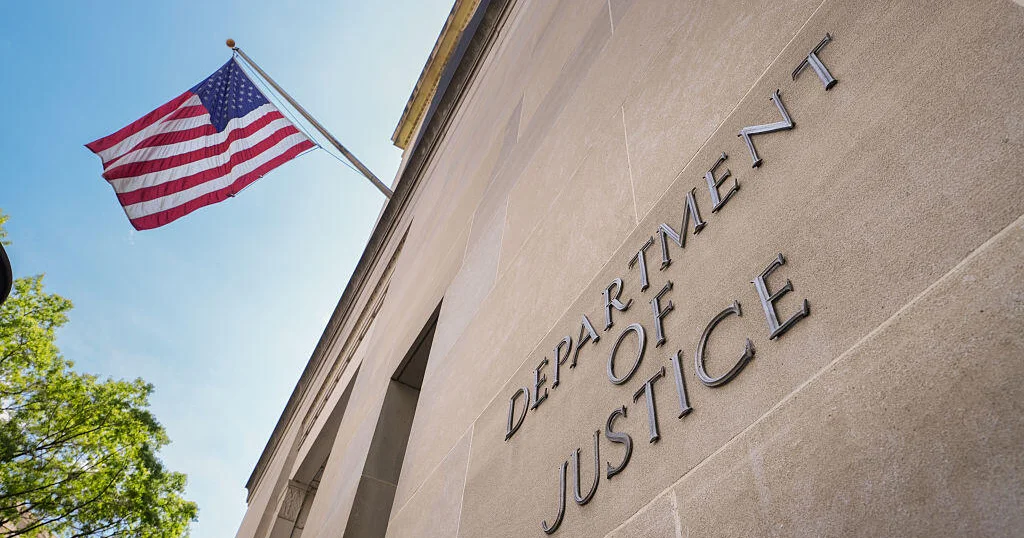
The Justice Department has lost 4,000 employees due to a downsizing initiative, with further cuts planned, including 1,500 FBI positions, raising concerns about impacts on national safety and institutional knowledge. Critics argue these reductions could weaken investigative capacity and long-term effectiveness, especially with the planned closure of the Community Relations Service. The changes are part of a broader effort to streamline the agency, but face opposition from former officials and law enforcement experts.
Paramount is cutting an additional 3.5% of its U.S. workforce amid ongoing industry challenges and while awaiting FCC approval for its Skydance Media acquisition, following a 15% reduction last year, as part of its strategy to focus on streaming growth and organizational efficiency.
The Mozilla Foundation has announced a 30% reduction in its workforce, eliminating its advocacy and global programs divisions to focus on increasing agility and impact. Despite these cuts, Mozilla emphasizes that advocacy remains a core part of its mission, and it is revisiting its approach to this work. This restructuring follows a previous layoff of 60 employees in February, primarily from the product development team.
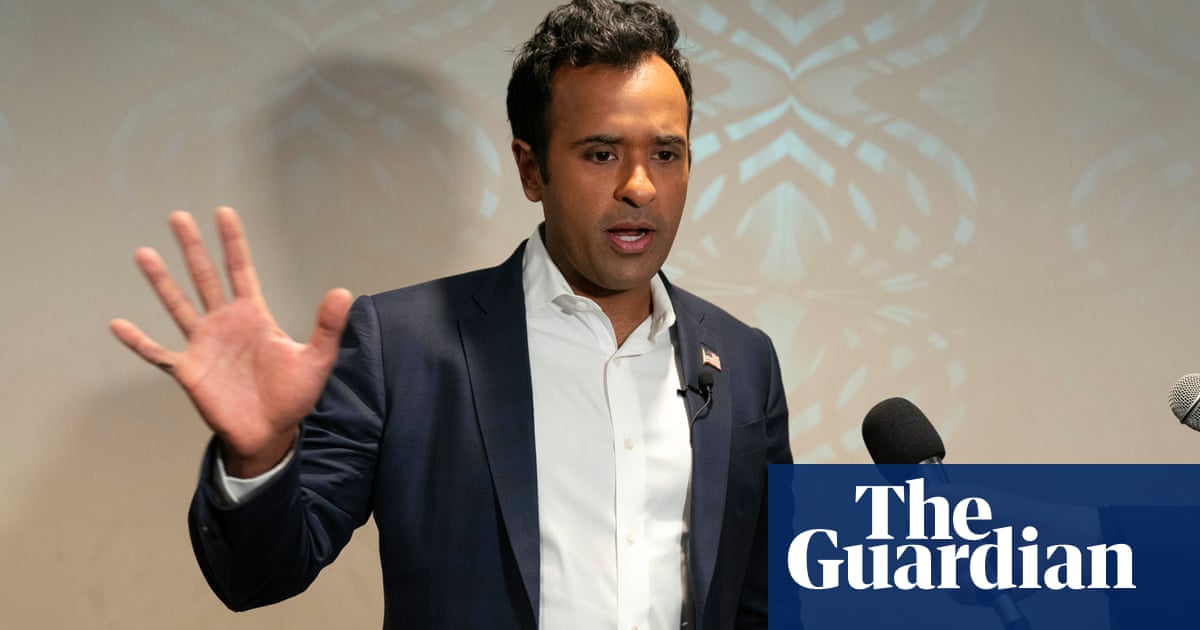
Vivek Ramaswamy, who now owns 8.4% of BuzzFeed, has urged the company to cut staff, hire conservative commentators, and shift its strategy towards video and audio. BuzzFeed CEO Jonah Peretti responded by rejecting these proposals, emphasizing the company's commitment to its current journalistic standards. Shares in BuzzFeed rose 8% following the news.
Spirit Airlines will eliminate its crew base and staff in Atlantic City, defer new plane deliveries, and furlough about 260 pilots in an effort to improve its financial position, aiming to boost liquidity by about $340 million over the next two years.
Amylyx Pharmaceuticals will remove its ALS drug Relyvrio from the market in the U.S. and Canada after a Phase 3 study involving 664 people failed to show a benefit. The decision will also lead to a 70% reduction in staff. Relyvrio had received FDA approval in 2022, but its efficacy was a subject of contention, with regulators initially advising against its approval until further testing was conducted.
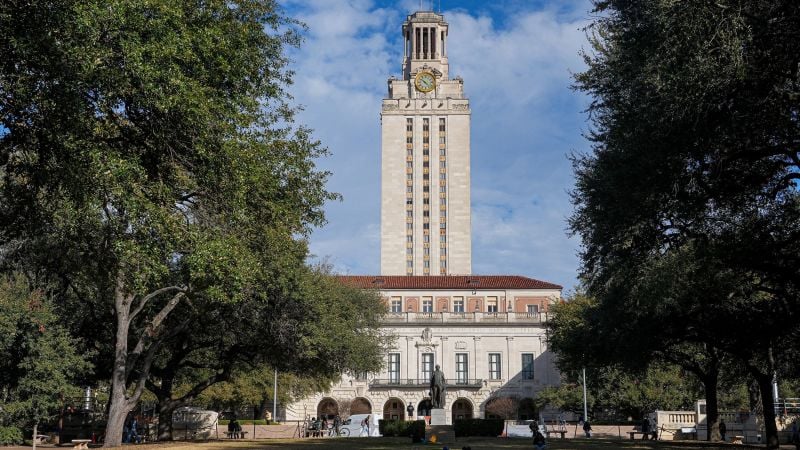
The University of Texas at Austin is eliminating an unknown number of diversity, equity, and inclusion staff positions and closing its department focused on access and belonging on campus to comply with the state's anti-DEI law, redirecting funds from DEI initiatives to teaching and research. The university is also closing its Division of Campus and Community Engagement, leading to concerns and disappointment among students about the disinvestment in DEI-related jobs and programs.