Del Monte Foods has filed for Chapter 11 bankruptcy to facilitate a strategic sale and strengthen its financial position, securing $912.5 million in debtor-in-possession financing to continue operations during the process, with the goal of creating a more sustainable and successful company under new ownership.
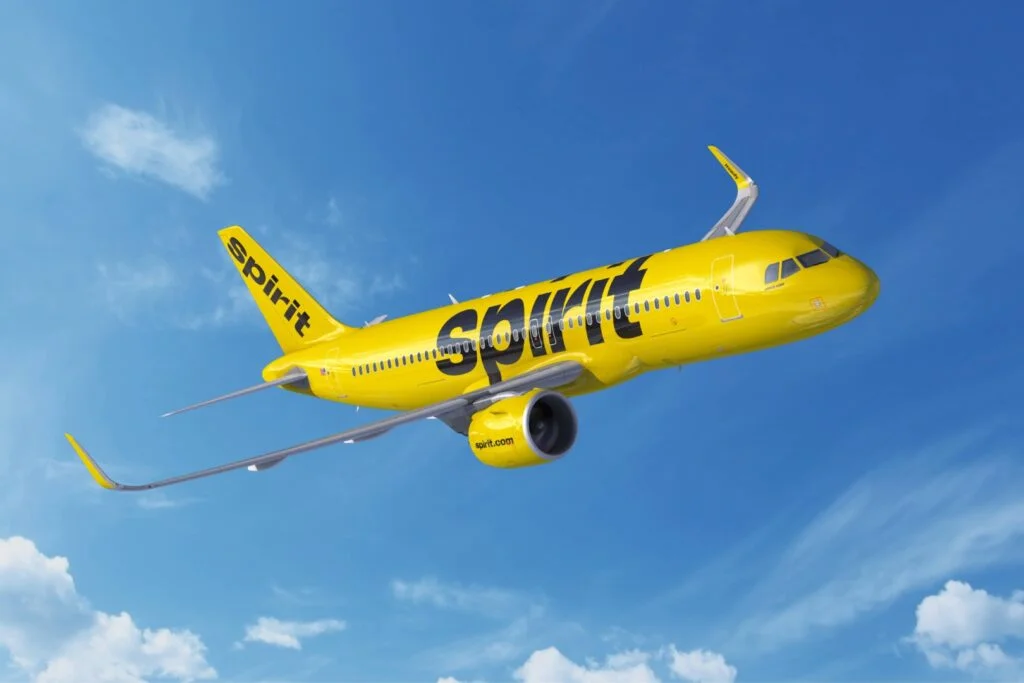
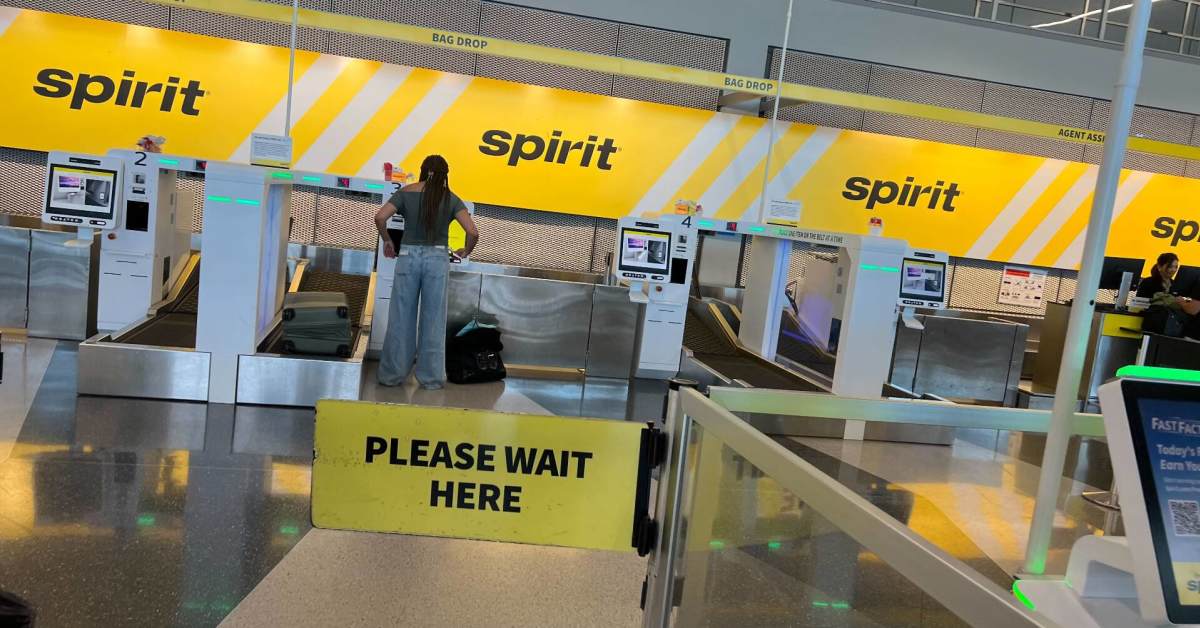
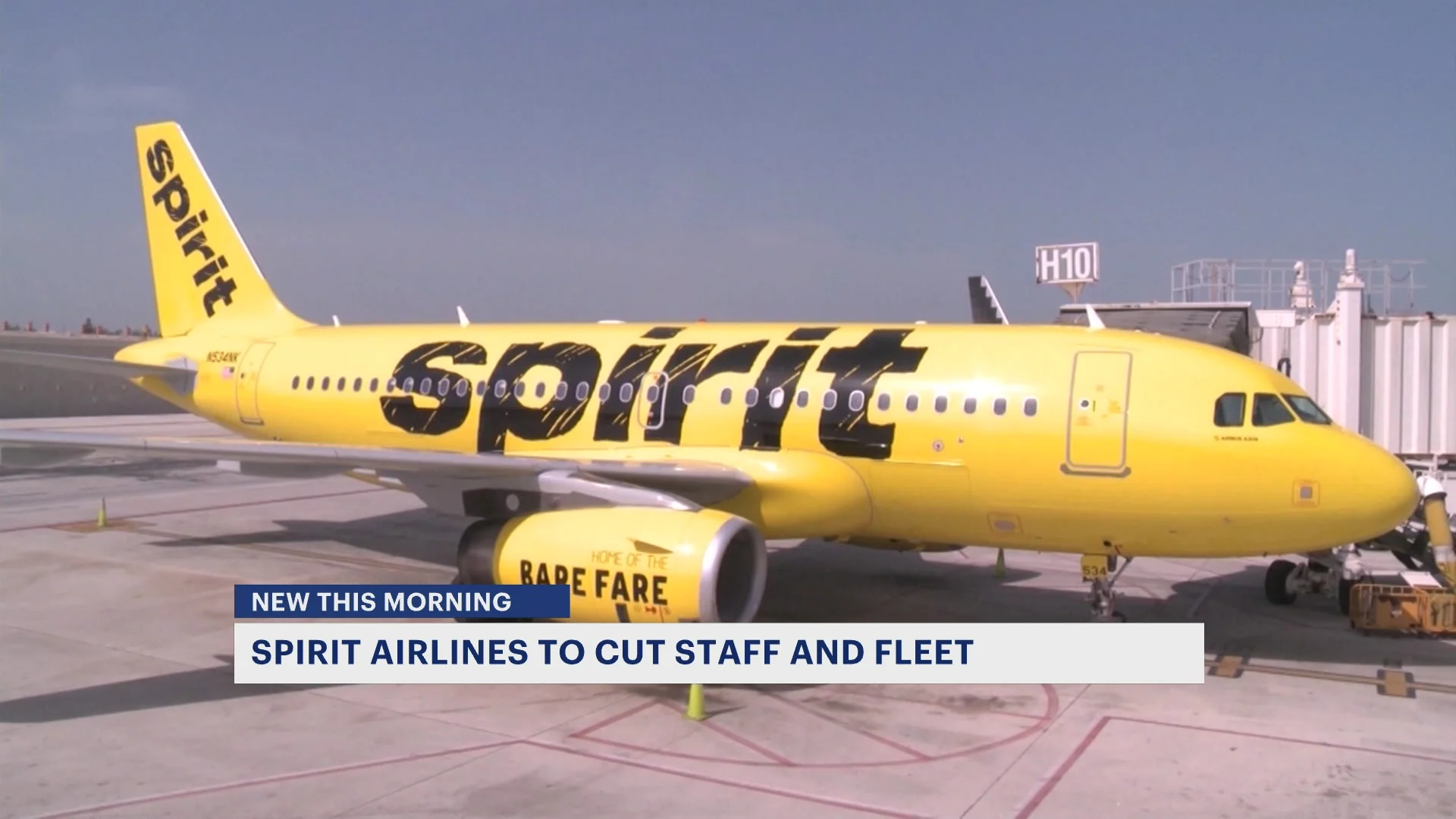
Spirit Airlines has filed for Chapter 11 bankruptcy to stabilize its finances amid over $1 billion in deferred debt and a $158 million quarterly loss. The airline plans to restructure with $300 million in new financing and $350 million in equity investments, aiming to reduce debt by $795 million and emerge from bankruptcy by early 2025. Despite financial challenges, including a blocked merger with JetBlue and rising operational costs, Spirit assures passengers that flights and bookings will remain unaffected. The airline is also exploring cost-saving measures, such as selling older planes and cutting jobs.
Spirit Airlines has filed for Chapter 11 bankruptcy protection to reorganize its finances amid $3.8 billion in debt, following failed acquisition attempts by JetBlue and Frontier Airlines. The airline has secured an additional $300 million in financing and plans to continue operating flights as usual, aiming to emerge from bankruptcy by early 2025. Despite the financial challenges, Spirit assures passengers that tickets, credits, and loyalty points remain valid, and the majority of bondholders support the restructuring plan.
Nissan Motor Company is implementing significant cost-cutting measures, including reducing its global workforce by 9,000 and cutting CEO Makoto Uchida's monthly pay by 50%, in response to a challenging financial situation marked by decreased revenue and sales. The company aims to reduce fixed and variable costs by over $2.5 billion, restructure its business to become more resilient, and enhance product competitiveness. Nissan plans to launch 30 new models by 2027, focus on new energy vehicles, and strengthen partnerships with other automakers to adapt to market changes.
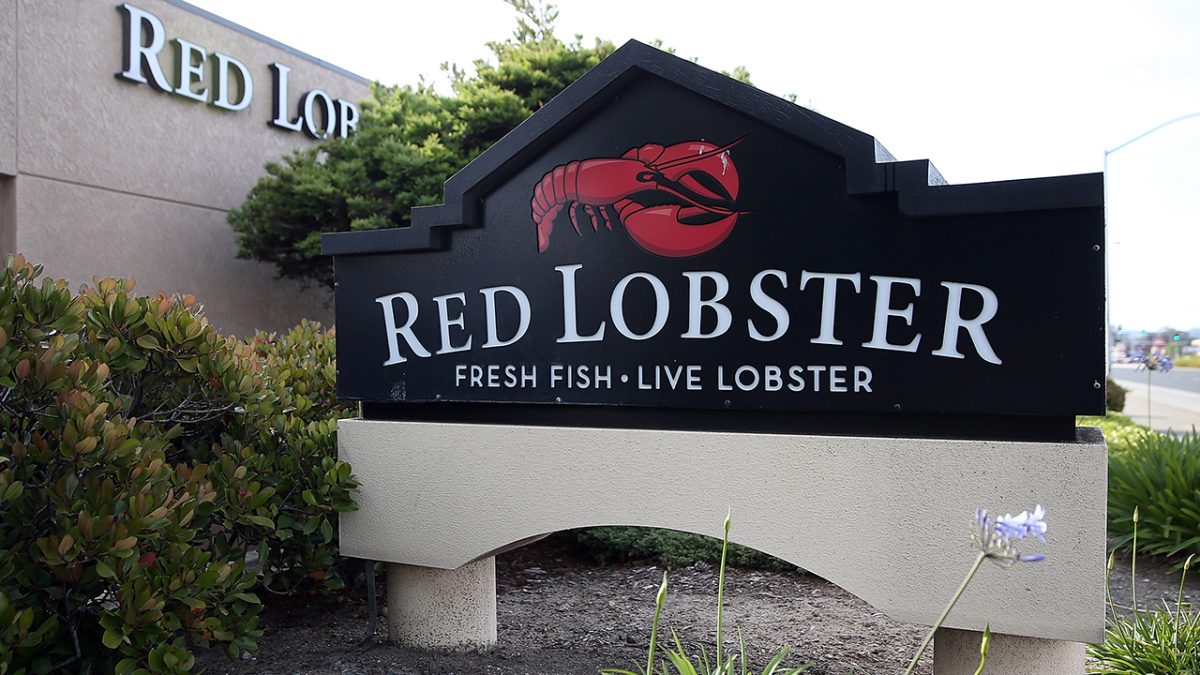
Red Lobster is closing eight Ohio locations, including three in Northeast Ohio, as part of its Chapter 11 bankruptcy restructuring. The seafood chain plans to sell off most of its assets following financial losses, despite a temporary boost from its "Ultimate Endless Shrimp" promotion. Several other locations in Northeast Ohio remain open.
Spirit Airlines will eliminate its crew base and staff in Atlantic City, defer new plane deliveries, and furlough about 260 pilots in an effort to improve its financial position, aiming to boost liquidity by about $340 million over the next two years.
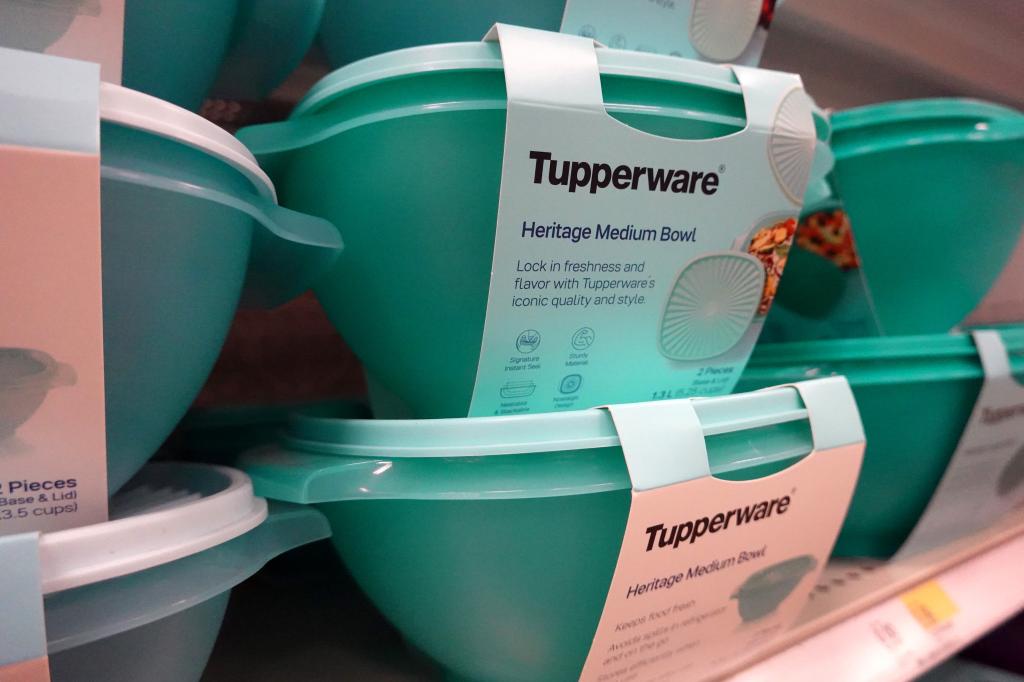
Tupperware Brands warns of potential closure within a year due to liquidity issues, as it forecasts inadequate funds to support operations. The company has appointed a new CEO, hired an investment bank to explore strategic options, and reached a debt restructuring agreement with lenders. Tupperware attributes delays in financial filings to ongoing internal control weaknesses, financial challenges, and significant attrition. Sales have declined following a pandemic-related surge, and the company's shares are down 33% this year, closing at $1.34.
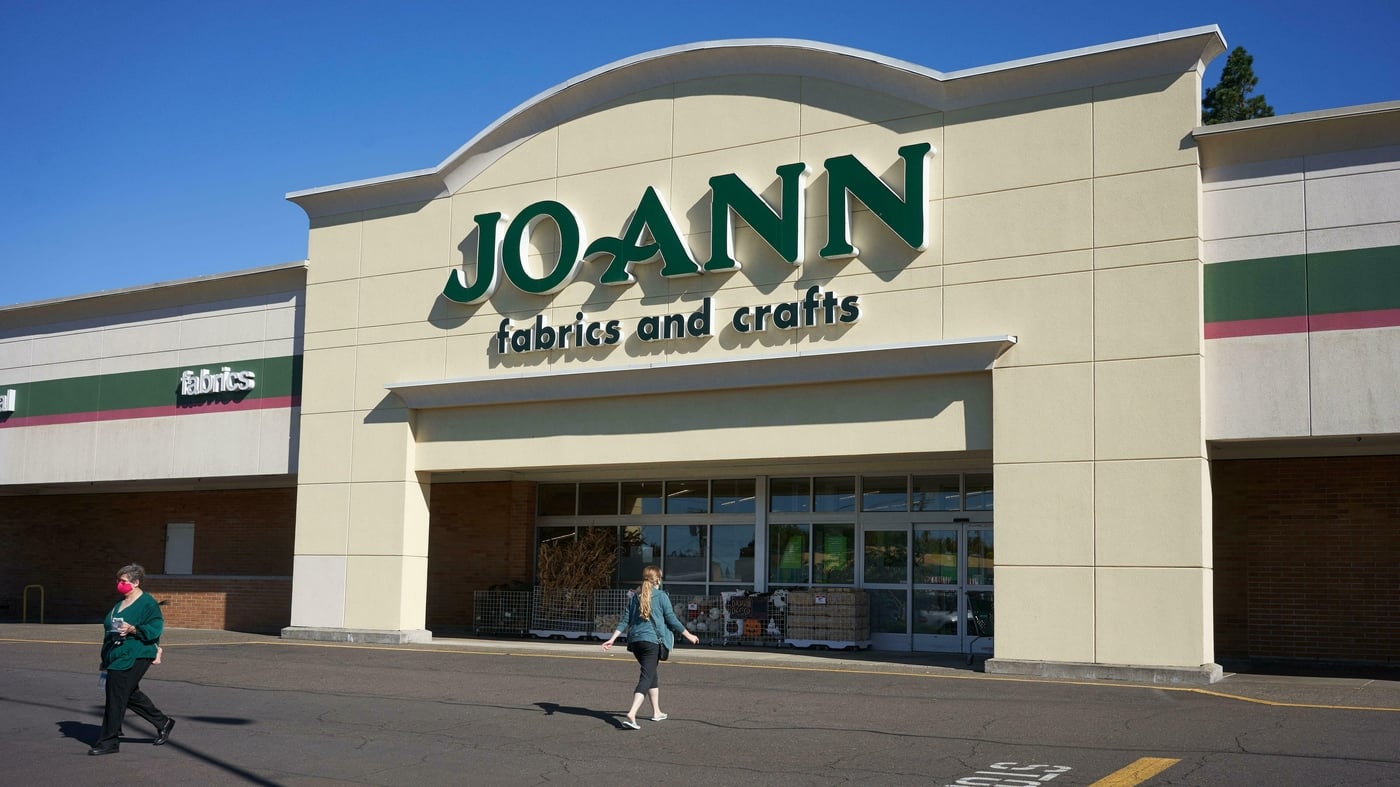
Joann, the arts and crafts retailer, has filed for Chapter 11 bankruptcy but reassures customers that its 800+ stores will remain open and its website will stay active as it restructures its finances. The company expects to receive $132 million in new financing and plans to reduce its funded debt by about $505 million. Despite a recent sales slump and layoffs, Joann remains committed to serving its millions of customers nationwide and views the increased engagement in crafting activities during the COVID-19 pandemic as a positive sign for its future business.
Fabric and craft company JOANN Inc., based in Hudson, has filed for bankruptcy, listing assets of $500 million to $1 billion and liabilities of $1 billion to $10 billion. The Chapter 11 filing allows the company to continue operating its stores while working on a plan to repay its up to 100,000 creditors. JOANN’s stores and website will continue to operate as normal, and the company has received about $132 million in commitments for new financing.
Enviva, a major player in the wood energy industry, has filed for bankruptcy as part of a financial restructuring plan. The company, which produces wood pellets for renewable energy, aims to reorganize its debt and emerge from bankruptcy with a stronger financial position.
Fisker Inc's stock plummeted over 40% following reports of the electric vehicle maker considering a bankruptcy filing, after warning of cash shortage and disappointing sales. The company, which went public in 2020, has hired advisers for potential restructuring. Fisker's founder, Henrik Fisker, had previously led Fisker Automotive, which went bankrupt in 2013. Shares have dropped 95% in the past year, closing 97% lower than its post-IPO price.
Expense management startup Brex, valued at $12.3 billion two years ago, has laid off 282 employees, about 20% of its staff, and announced changes in leadership roles. The company is emphasizing long-term thinking and ownership over short-term gains in its compensation structure and is transitioning to a new operating model. The layoffs come amid reports of stalled growth and high burn, with the company reportedly burning $17 million a month in the fourth quarter of 2023. Brex's financial plan aims to achieve cash flow positivity with the current cash it has, providing around 4 years of runway. The company's annualized net revenue was $279 million in the fourth quarter, up 32%, but most of the growth occurred in the first quarter of the year.
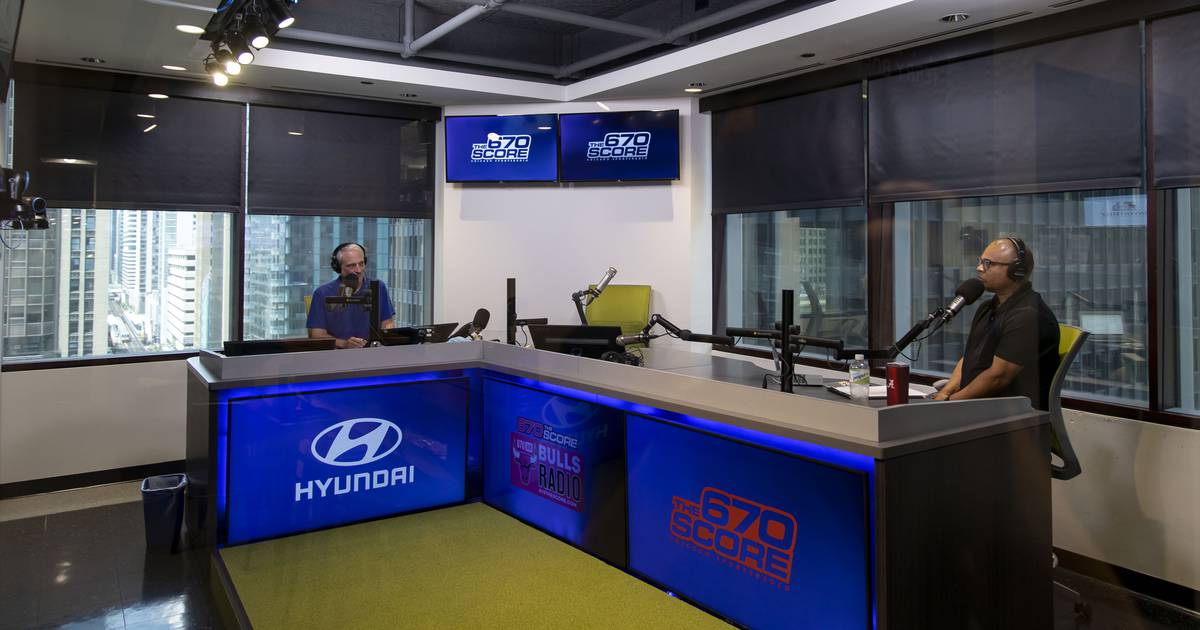
Audacy, the second largest radio chain in the U.S., including major Chicago stations like WBBM-AM 780 and WXRT-FM 93.1, filed for Chapter 11 bankruptcy to reduce nearly $2 billion in debt, largely stemming from its 2017 merger with CBS Radio. The company aims to convert long-term loans to equity stakes, reducing its debt to $350 million pending court approval. Despite revenue declines and pandemic challenges, Audacy reassures employees that it will be "business as usual" for its radio stations during the bankruptcy process, with no disruption to wages and benefits.
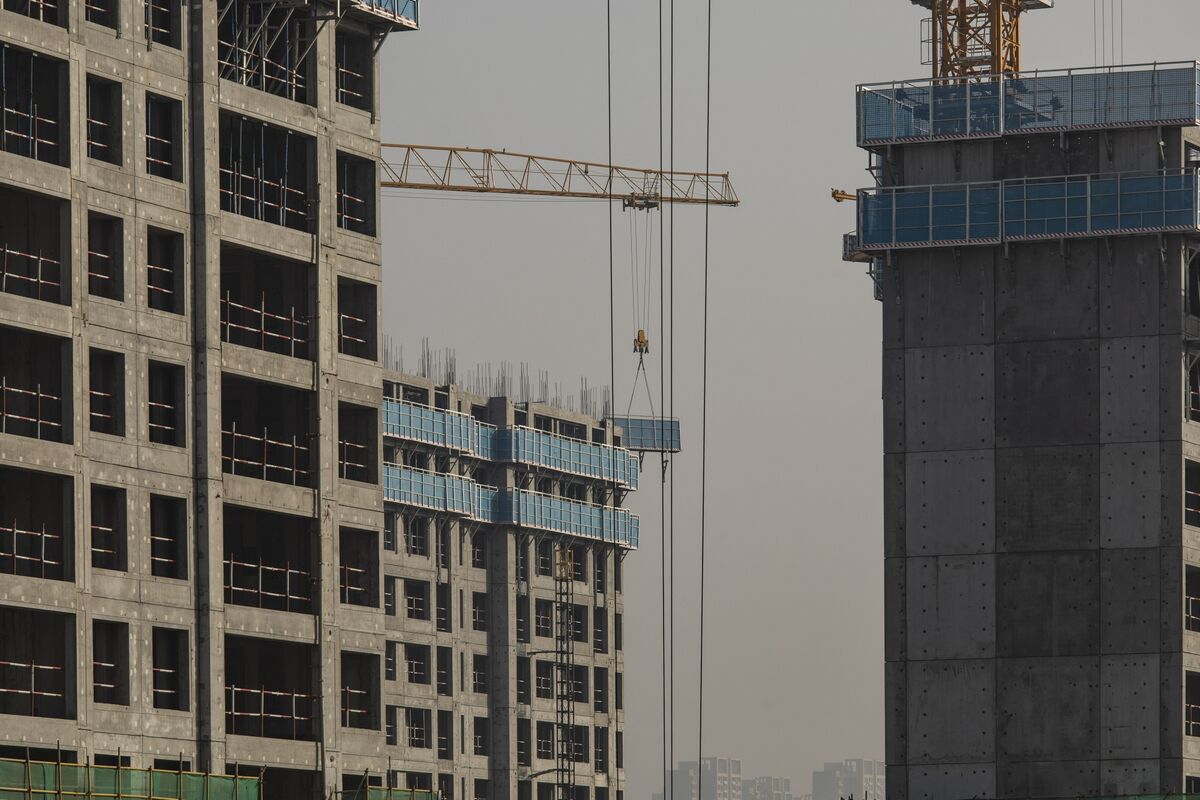
Xinyuan Real Estate's subsidiary, Hudson 888 Owner LLC, has filed for Chapter 11 bankruptcy protection in the Southern district of New York court, with estimated liabilities and assets ranging between $100 million to $500 million. This move reflects the challenges faced by the Chinese developer in the US real estate market and signals a significant financial restructuring.
Audacy, the owner of over 200 radio stations in the U.S., has filed for Chapter 11 bankruptcy to reduce its debt by approximately 80% from $1.9 billion to $350 million. The company cites sustained macroeconomic challenges and a sharp reduction in radio ad spending as reasons for its financial woes. Despite the filing, Audacy expects no operational impacts and believes it will emerge well positioned to continue its innovation and growth in the audio business.