Tag

Biopsy

All articles tagged with #biopsy

technology1 year ago

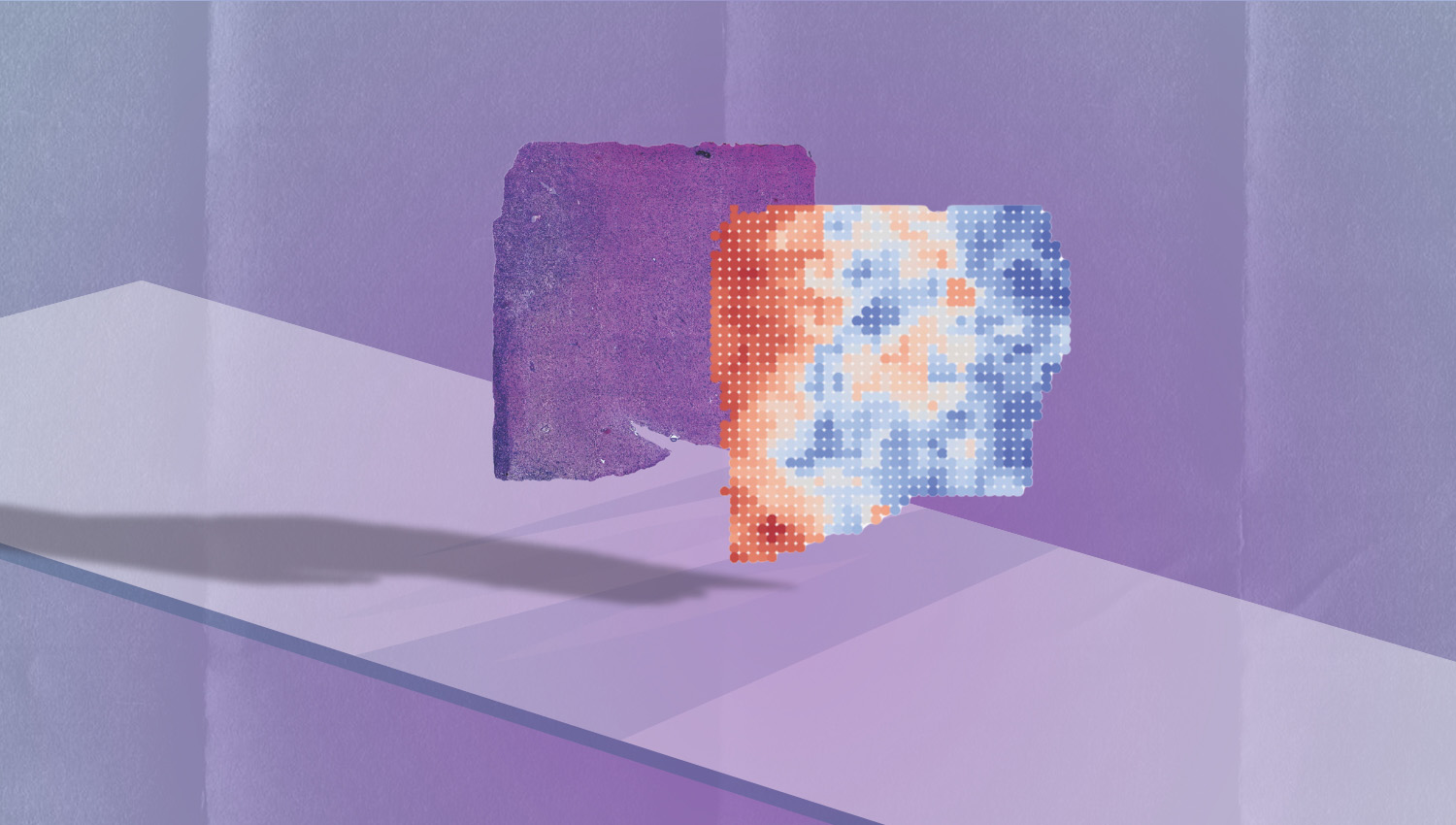
AI Revolutionizes Cancer Gene Detection from Biopsy Images

Stanford Medicine researchers have developed an AI tool called SEQUOIA that can predict gene activity in tumor cells using standard biopsy images, potentially replacing costly and time-consuming genetic sequencing. This tool, which analyzes over 15,000 genes, could expedite clinical decision-making and reduce healthcare costs. SEQUOIA has shown high accuracy in predicting gene expression and patient outcomes, particularly in breast cancer, but requires further testing and FDA approval before clinical use.

health1 year ago

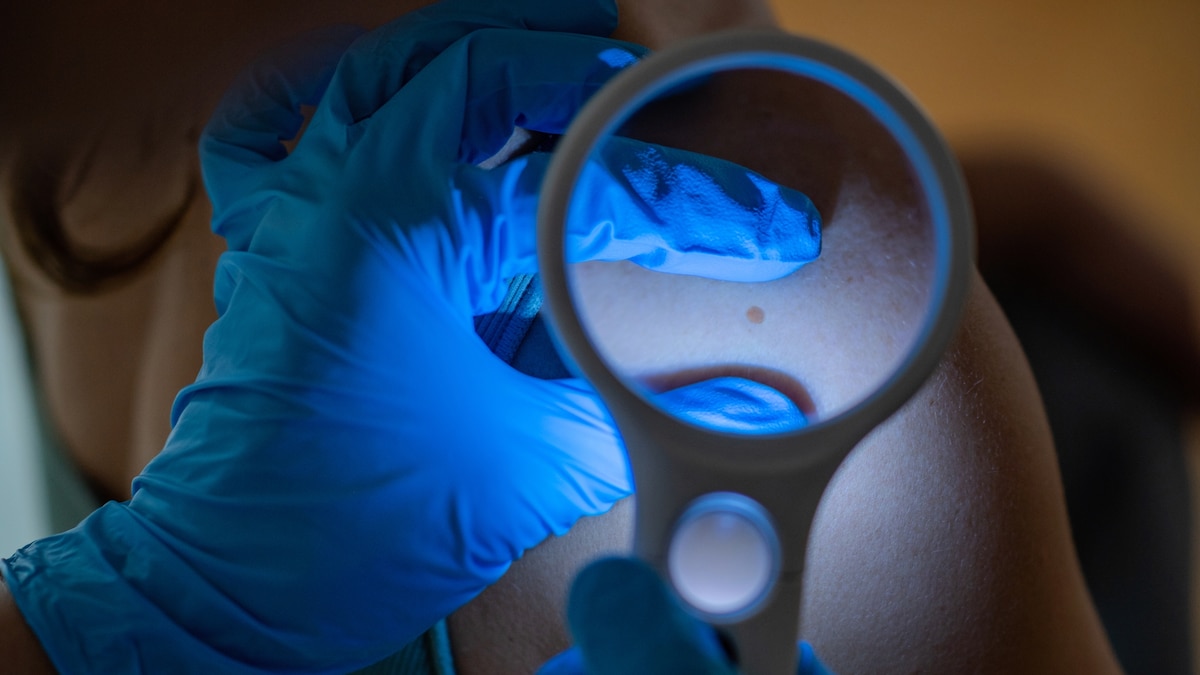
"Understanding the Alarming Overdiagnosis of Melanoma"

Melanoma diagnoses have increased significantly in recent years, but experts believe that many of these cases are due to overdiagnosis rather than a true increase in the disease. A study suggests that a majority of people in the United States are receiving unnecessary melanoma diagnoses, leading to unnecessary treatments, financial costs, and emotional distress. Overdiagnosis is particularly common for thin moles on the outermost layer of the skin. There is a lack of scientific evidence supporting regular full-body skin checks, and experts recommend that individuals seek medical evaluation for any new or changing skin spots rather than undergoing routine screenings.

health2 years ago

Unraveling the Challenge of Removing Flat Polyps: Insights from Medical Experts

Flat polyps, which are harder to remove, may require surgery if they show severe dysplasia close to becoming cancer. However, if the pathology is less concerning, a follow-up colonoscopy in six to 12 months may be reasonable. As for the pneumonia vaccine, a reaction to the previous vaccine 15 years ago should not deter a healthy individual from getting the recommended pneumonia vaccine, which is the PVC20 (Prevnar). The benefit outweighs the risk, especially considering the individual's family history with pneumonia.

healthcare2 years ago

AI Outperforms Biopsy in Assessing Rare Cancers, Study Reveals

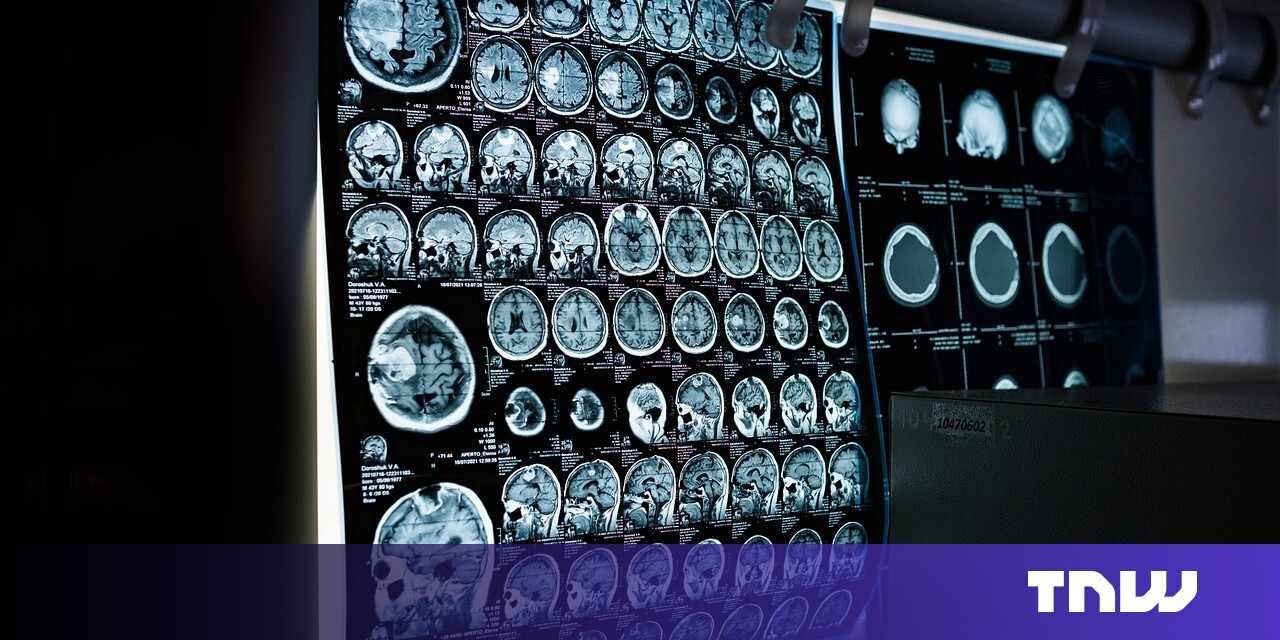
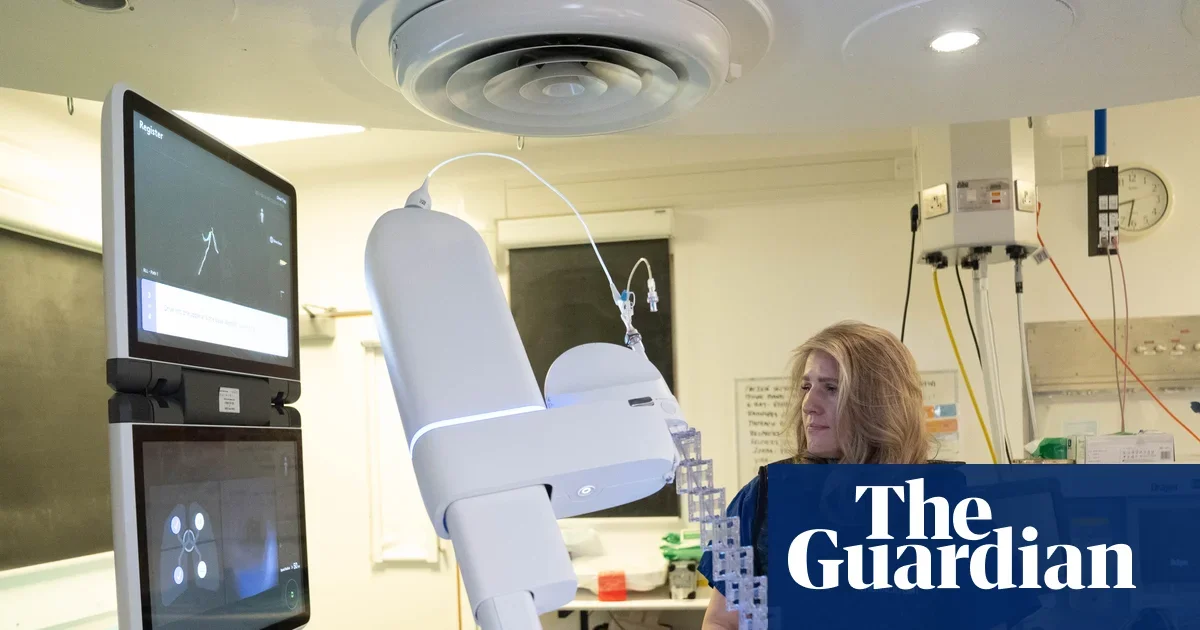
Artificial intelligence (AI) has shown to be nearly twice as accurate as biopsies in assessing the aggressiveness of rare types of cancer, according to a study by researchers from the Royal Marsden NHS Foundation Trust and the Institute for Cancer Research. The AI algorithm, trained on CT scans of patients with retroperitoneal sarcoma, accurately assessed tumor aggressiveness 82% of the time, compared to 44% for biopsies. The technology also predicted the type of sarcoma in 84% of cases, compared to 65% for radiologists. The researchers believe this approach could improve diagnosis, treatment planning, and outcomes for patients with retroperitoneal sarcoma and potentially other types of cancer.

healthcare2 years ago

AI Outperforms Biopsy in Cancer Diagnosis: Lancet Study

Artificial intelligence (AI) has been found to be nearly twice as accurate as a biopsy in assessing the aggressiveness of certain cancers, according to a study by the Royal Marsden NHS foundation trust and the Institute of Cancer Research. The AI algorithm was particularly effective in grading the aggressiveness of sarcomas, a rare form of cancer that develops in connective tissues. By providing clinicians with a more accurate way of grading tumors, AI could improve outcomes for patients by identifying high-risk individuals more quickly and sparing low-risk patients unnecessary treatments. The algorithm could potentially be applied to other types of cancer in the future.

animal-health2 years ago

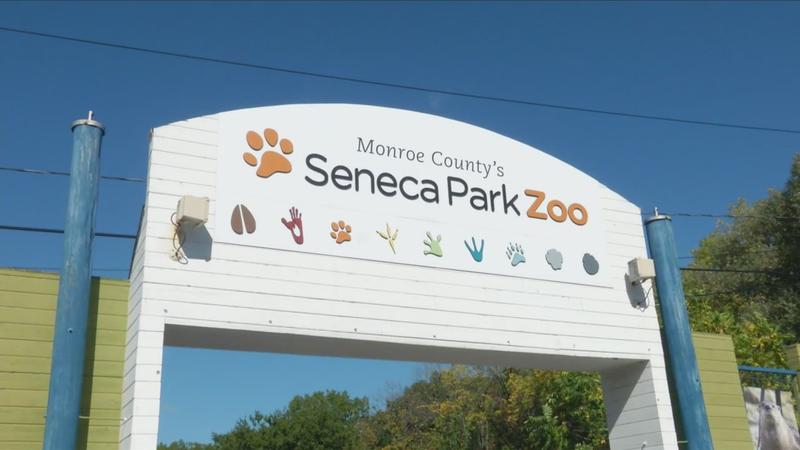
"Giraffe at Seneca Park Zoo Diagnosed with Cancer"

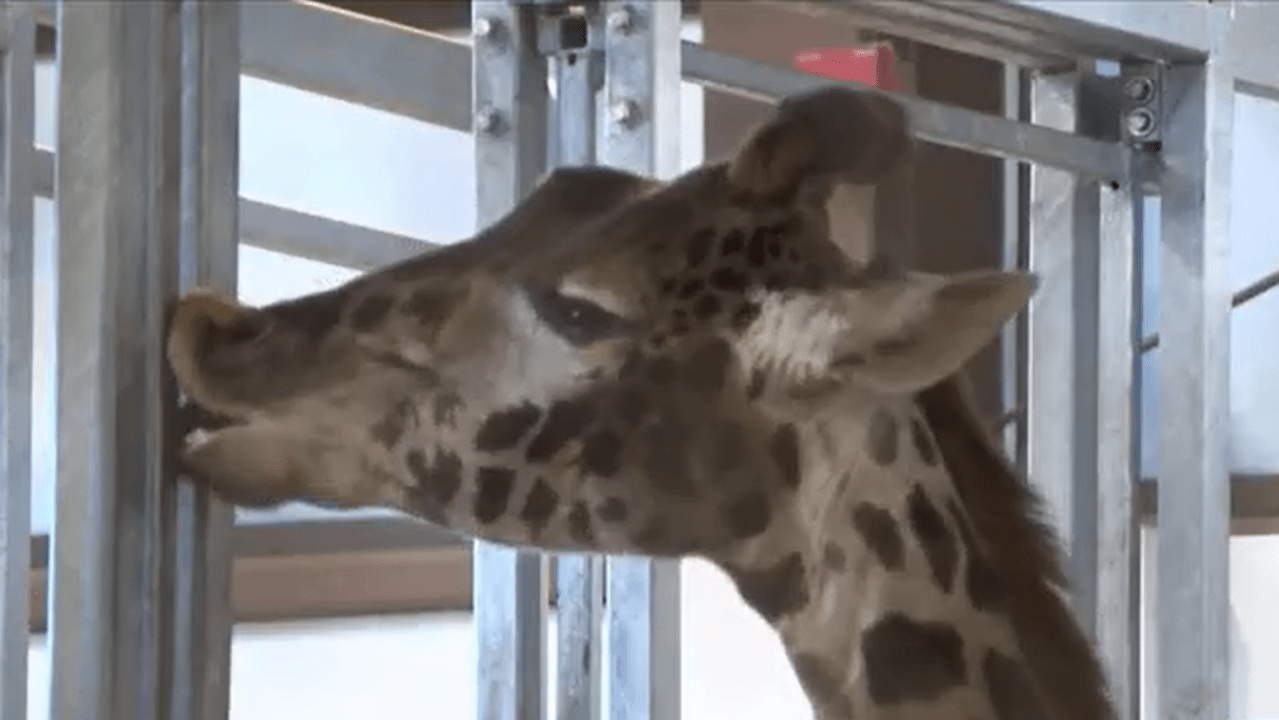
Biopsy results have revealed that Kipenzi, a Masai giraffe at Seneca Park Zoo, has squamous cell carcinoma, a type of cancer that is invasive through the jawbone. The tumor cannot be surgically removed without compromising Kipenzi's ability to eat, and the prognosis is poor. The zoo will closely monitor Kipenzi's behavior and tumor growth, and if she experiences severe pain and medications are ineffective, euthanasia may be considered to prevent her from suffering.

animal-health2 years ago

Life-Threatening Growth on Giraffe's Jaw Prompts High-Risk Procedure at Seneca Park Zoo

Kipenzi, a 6-year-old Masai giraffe at Seneca Park Zoo, has a life-threatening growth under her jaw that is impacting her ability to eat. Veterinarians will perform a biopsy and radiograph to determine the nature of the growth, which they suspect could be a tumor. Anesthesia poses risks for giraffes due to their body structure, but the team will carefully monitor Kipenzi's vital signs during the procedure. If the growth is determined to be malignant, there may be limited treatment options available.

healthcare2 years ago

Medicare guidance endangers transplant patients' organs.

Medicare's new guidance on billing for post-transplant care is causing delays and confusion, putting the health of transplant patients at risk. Patients are unable to receive necessary tests and monitoring, leaving them vulnerable to infections and organ rejection. This is particularly concerning for patients who have already had multiple transplants and may not be eligible for another one if their current organ fails.

health2 years ago

Advancements in Prostate Cancer Screening Techniques.

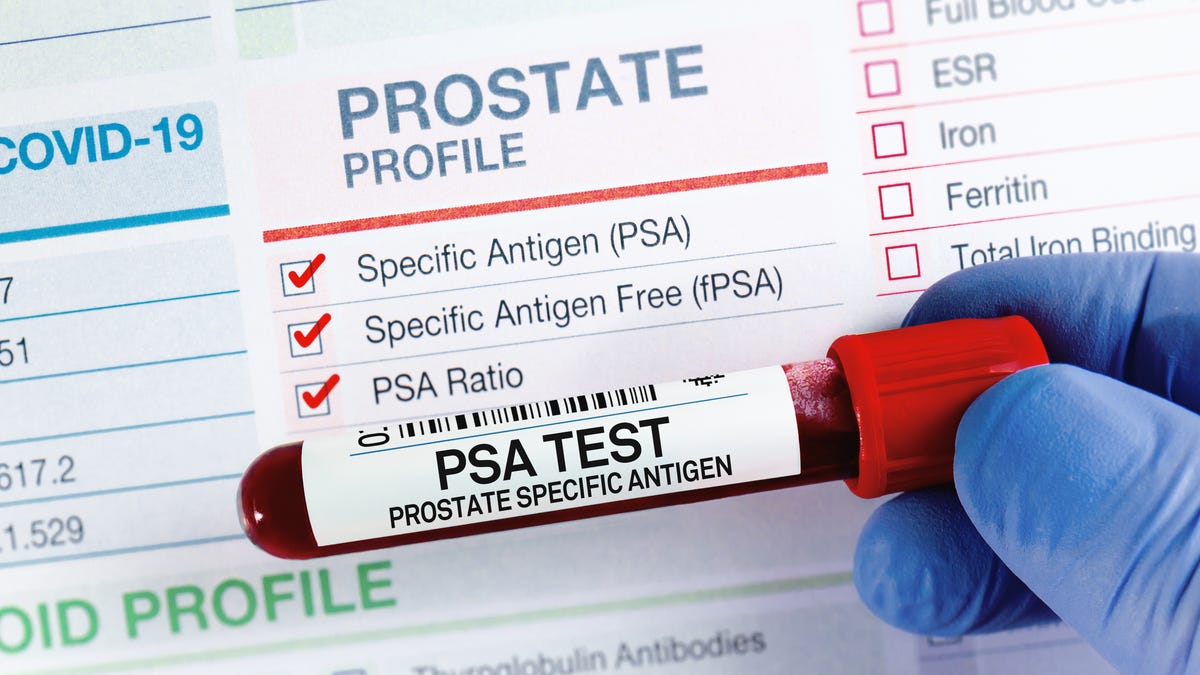
Researchers from Stanford University have developed a method of genetically adjusting PSA levels to screen out the "noise" and better identify those truly at risk of prostate cancer. In the study of nearly 100,000 men published in the journal Nature Medicine, the team found 128 locations across the genome associated with PSA. They developed a risk score that indicates whether each man's combination of genetic variants in those locations is likely to give him a naturally high, low or normal PSA. The genetically adjusted PSA better predicted aggressive prostate cancers and would have prevented up to 31% of unnecessary biopsies.

health2 years ago

The Shocking Truth About Birthmarks and Skin Cancer.

Ilia J. Smith, a 42-year-old woman from Texas, discovered that her birthmark was actually stage 2B melanoma after she scratched it and it began bleeding. She had ignored her friend's advice to get it checked out in 2009. Smith, who used to be an avid tanner, has had to change her lifestyle and avoid the sun altogether. She urges people of all ethnicities to get their freckles or moles checked out by a board-certified dermatologist at least once a year.

health2 years ago

Misidentified Birthmark Turns Out to be Cancer, Woman Discovers.

Ilia Smith, a nurse from Dallas, Texas, discovered that a black mark on her hip, which she thought was a birthmark, was actually 2b melanoma, the most dangerous type of skin cancer. She had to undergo surgery to remove three inches of skin down to 1.5 inches deep and required plastic surgery to repair the skin. Smith now takes extra precautions in the sun and regularly receives screenings for skin cancer, as she is at an increased risk of the disease returning. She urges others to check for changing moles, birthmarks, or freckles and take steps to protect themselves from the sun.