The article explains how architecture and sensory cues influence our perception of spaces, making some feel haunted or eerie due to the brain's internal mapping, prediction errors, and primal survival instincts, especially in environments with decay, disorientation, or sensory deprivation.
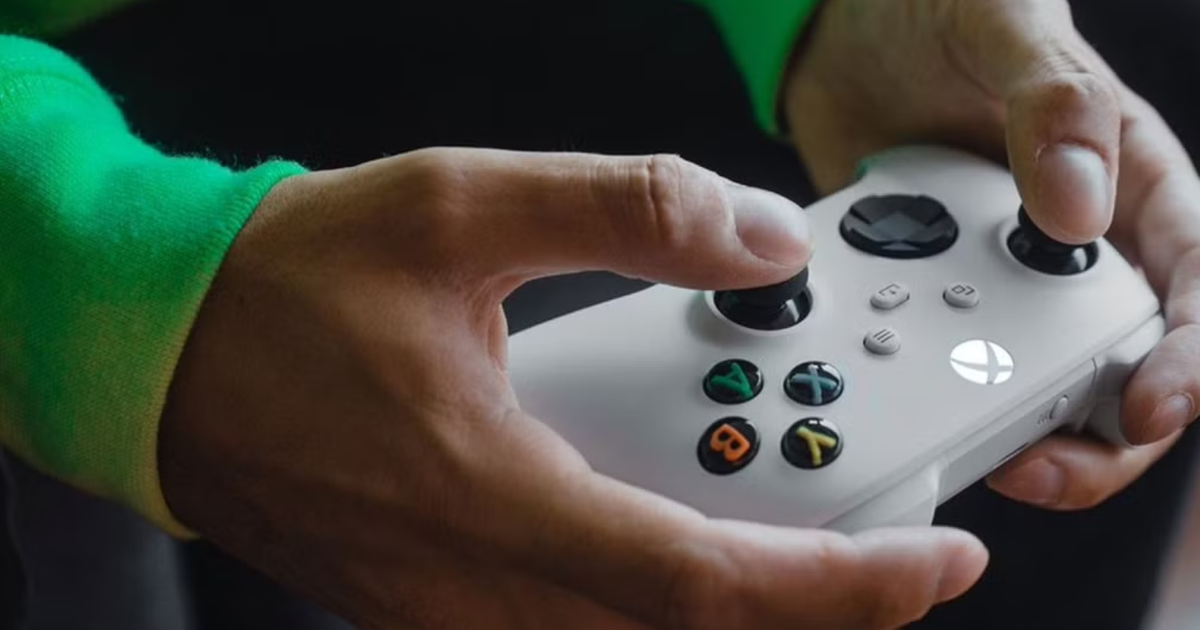
A study by Brunel University researchers suggests that players' choice to invert controls in video games is influenced by how quickly they can mentally rotate objects and overcome spatial challenges, rather than their initial gaming experiences or preferences, implying that trying both options could improve gaming skills.
A scientific study from Brunel University reveals that whether players invert video game controls is influenced by how their brains perceive 3D space, with faster mental rotation correlating with non-inverted preferences, though inverted players tend to be more accurate. The findings suggest trying the opposite control scheme might improve gameplay and have broader implications for human-machine interactions.
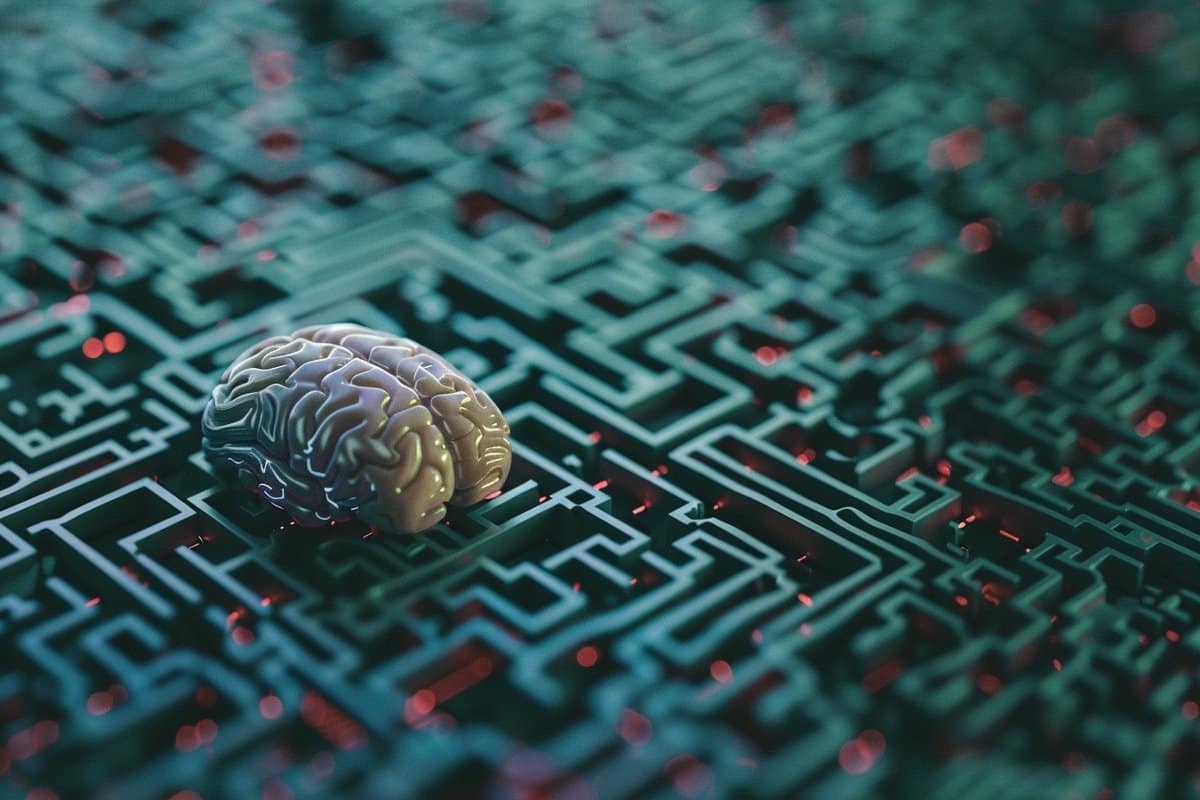
Researchers have used deep learning to decode mouse neural activity, accurately predicting the location and orientation of mice based on the firing patterns of "head direction" neurons and "grid cells." This collaboration with the US Army Research Laboratory aims to improve autonomous navigation in intelligent systems without GPS, potentially revolutionizing AI navigation. The study's findings could inform the design of AI systems capable of navigating autonomously in unknown environments by leveraging the neural mechanisms underlying spatial awareness and navigation found in biological systems.
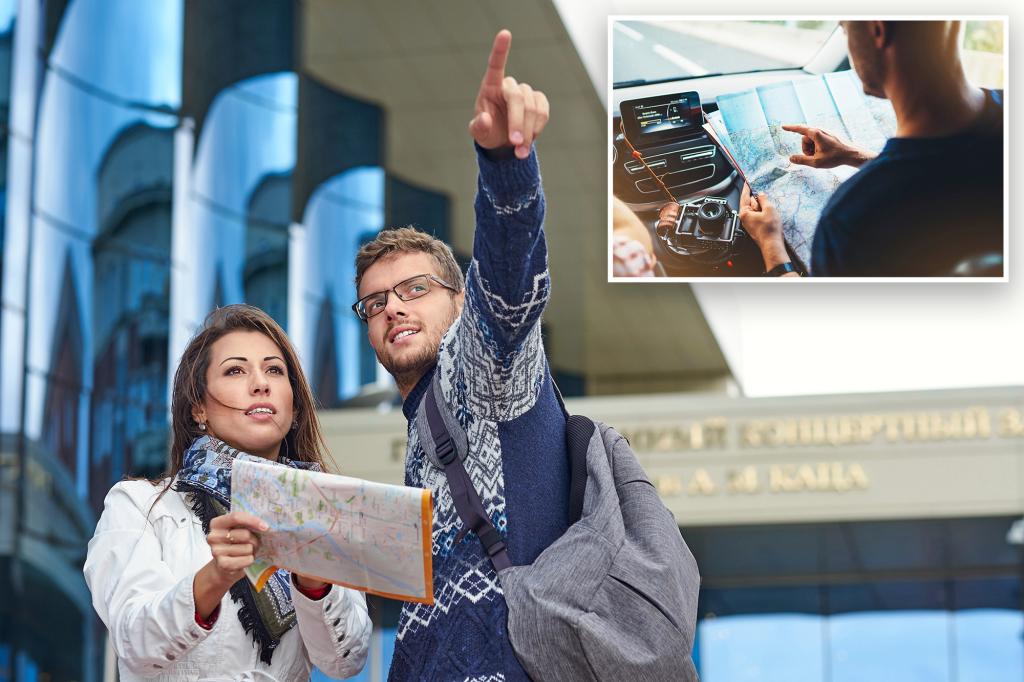
A new study from the University of Illinois Urbana-Champaign has found that men are generally better at navigating than women, attributing this difference to societal influences rather than biological advantages. The research suggests that boys are encouraged to play outside more frequently than girls, allowing them to develop their navigational skills from a young age. The study compared the wayfinding abilities of males and females across 21 different species and concluded that the strength of an individual’s wayfinding ability comes down to the way they were raised, rather than evolutionary genetic factors.
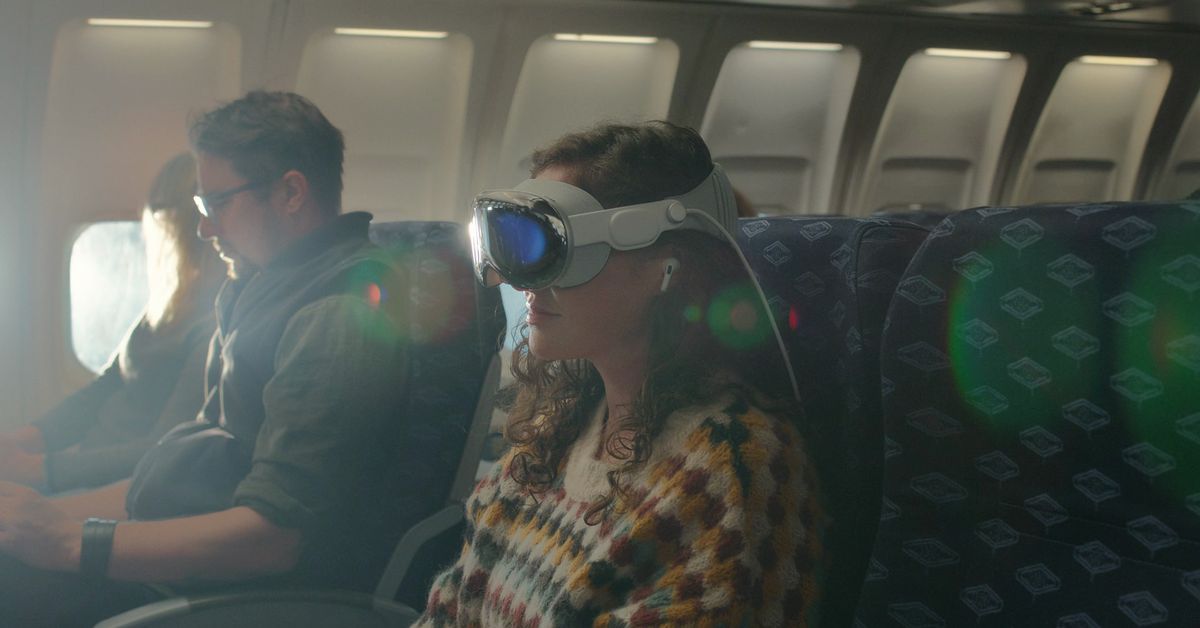
The Apple Vision Pro may come with a Travel Mode option for airplane rides, according to text strings found in the device's operating system. The mode may turn off some awareness features and limit the use of the digital persona feature. It is unclear how the mode will work, but it suggests that Apple is working on travel-specific features for the $3,499 headset.