Tag

Human Computer Interaction

All articles tagged with #human computer interaction

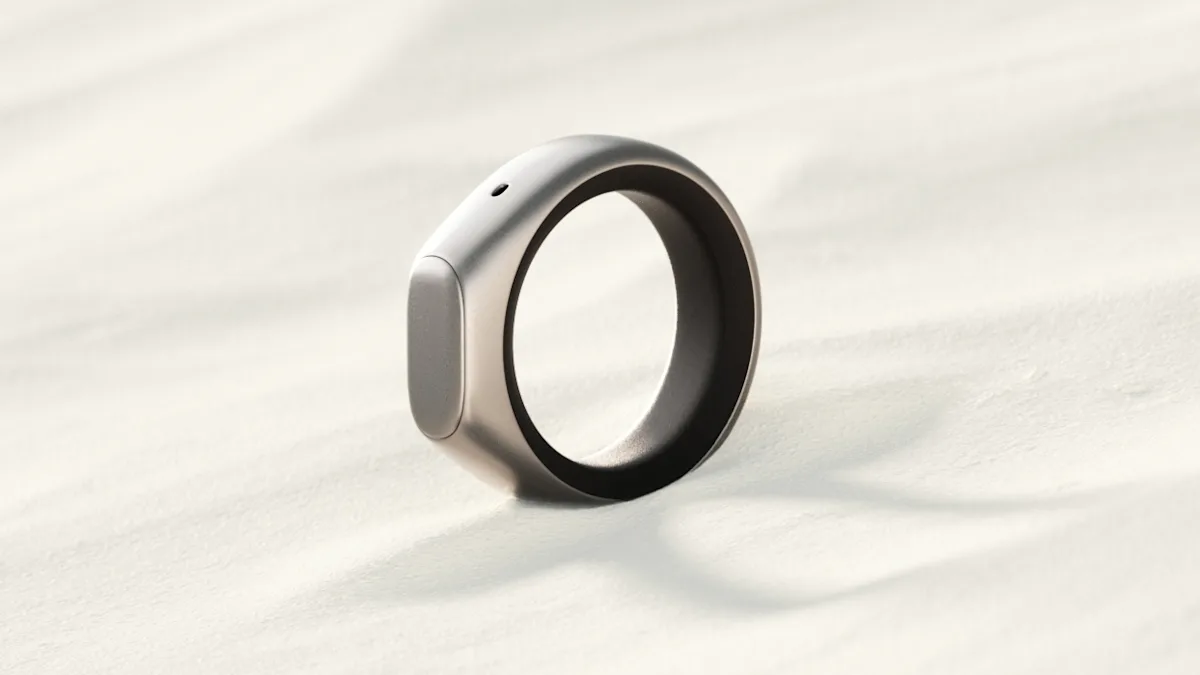
The Future of Human-Computer Interaction: Beyond Smartphones

Originally Published 11 days ago — by Yahoo Finance

Featured image for The Future of Human-Computer Interaction: Beyond Smartphones
Source: Yahoo Finance

True Ventures co-founder Jon Callaghan predicts that smartphones will become obsolete within five to ten years, as new, more natural interfaces for human-computer interaction are developed, based on the firm's investments in innovative technologies like wearables and smart home devices.
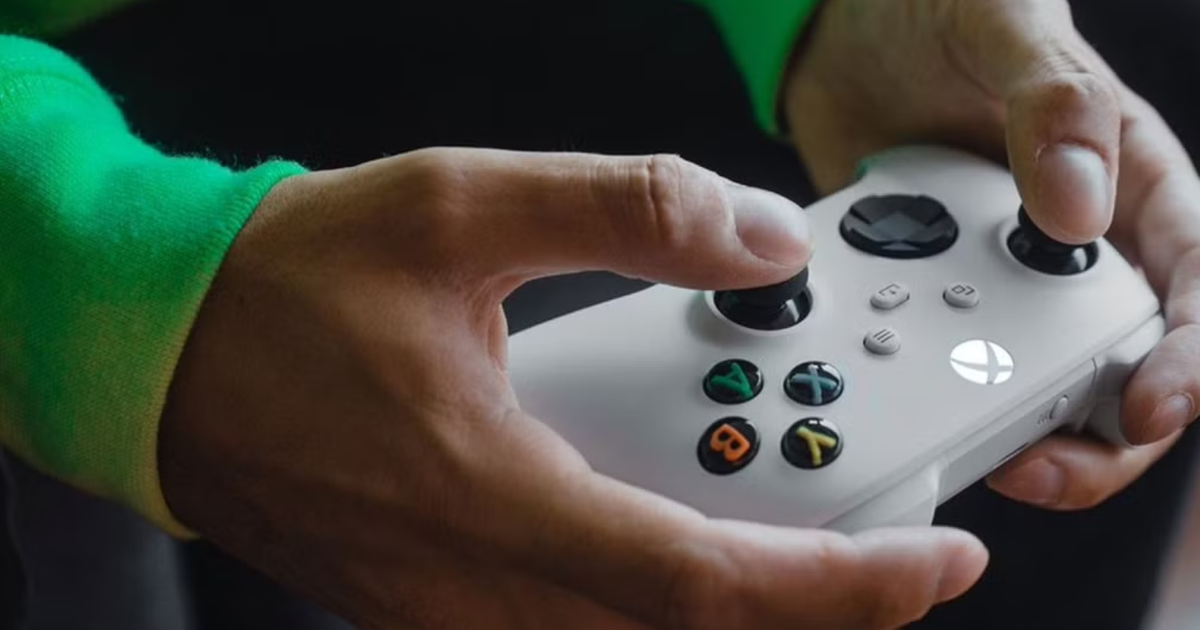
Scientists Reveal Why Some Gamers Prefer Inverted Controls

Originally Published 3 months ago — by Eurogamer

Featured image for Scientists Reveal Why Some Gamers Prefer Inverted Controls
Source: Eurogamer

A scientific study from Brunel University reveals that whether players invert video game controls is influenced by how their brains perceive 3D space, with faster mental rotation correlating with non-inverted preferences, though inverted players tend to be more accurate. The findings suggest trying the opposite control scheme might improve gameplay and have broader implications for human-machine interactions.

Jef Raskin's Vision for a Humane Computer

Originally Published 4 months ago — by Ars Technica

Featured image for Jef Raskin's Vision for a Humane Computer
Source: Ars Technica

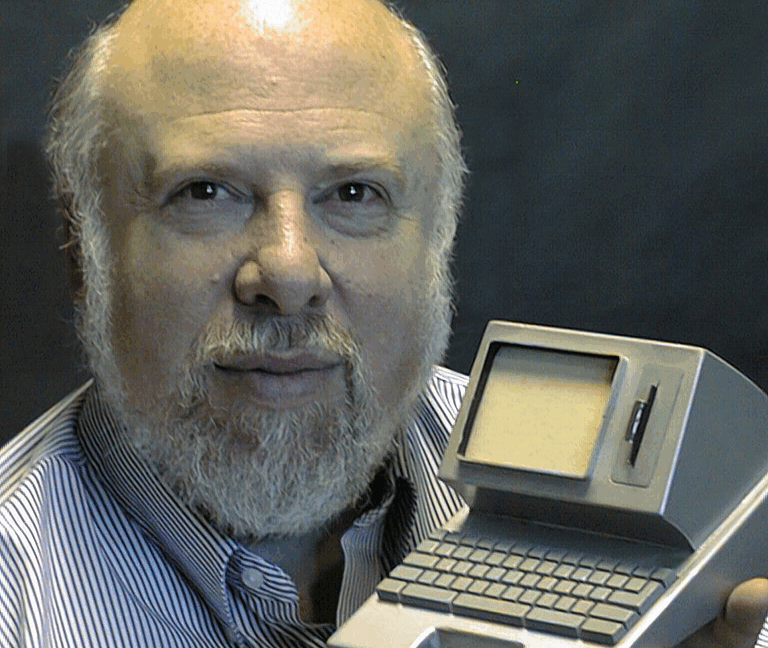
Jef Raskin, a pioneer in humane computer design and original creator of the Macintosh project, envisioned user interfaces focused on functionality and human needs rather than visual metaphors. His designs, including the Swyft and Canon Cat, emphasized simplicity, consistency, and a unified workspace, aiming to make computers more humane and accessible. Despite many of his ideas being altered or not fully realized, his influence persists in modern interface philosophy.

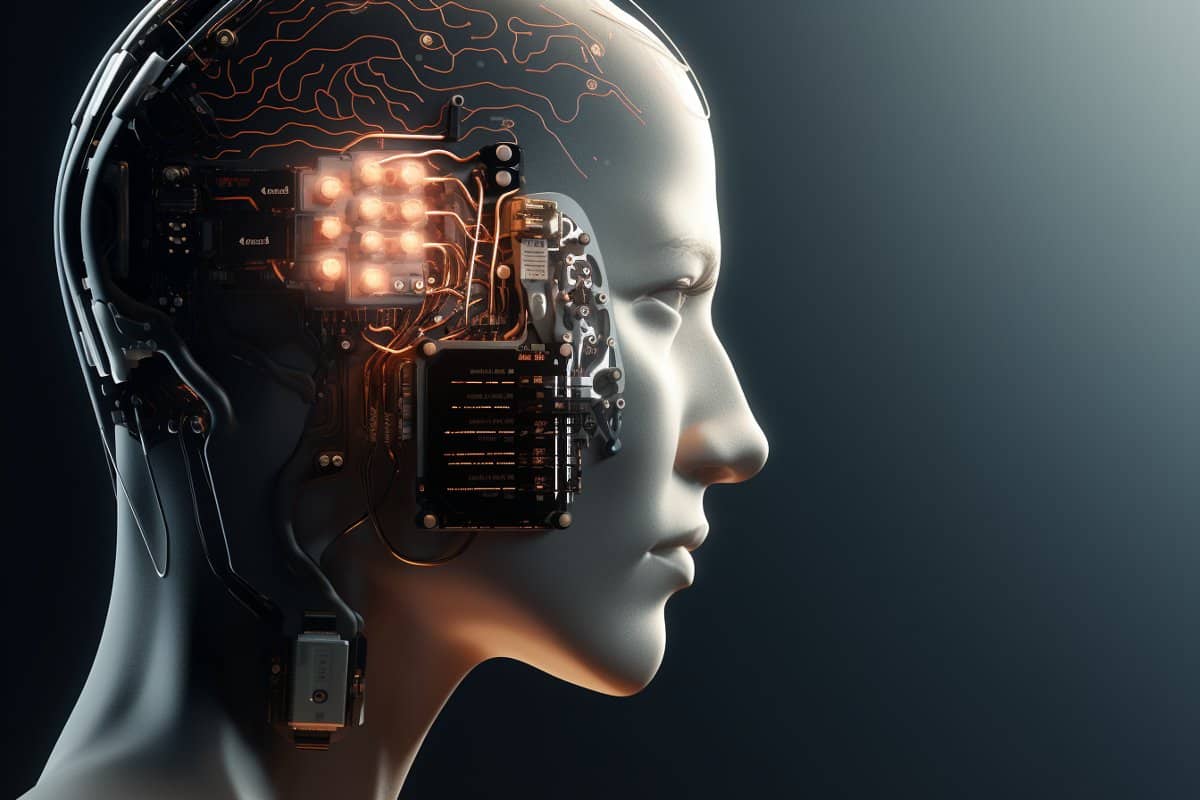
"Neuralink's First Human Brain Chip Implant: A New Era in Human-Computer Synergy"

Originally Published 1 year ago — by Neuroscience News

Featured image for "Neuralink's First Human Brain Chip Implant: A New Era in Human-Computer Synergy"
Source: Neuroscience News

Elon Musk announces the successful implantation of Neuralink's brain chip, Telepathy, in a human, aiming to enable individuals with severe physical disabilities to control digital devices through thought. The FDA-approved trial focuses on movement control, with the patient showing promising initial results. Neuralink's mission extends from immediate medical aid to long-term cognitive and sensory enhancements, sparking discussions on technological, ethical, and societal implications. The future scenarios range from niche medical adoption to widespread societal integration, with implications for human potential, privacy, and regulatory considerations.

Preparing for the Arrival of Artificial Empathy: Embracing AI's Emotional Capabilities

Originally Published 2 years ago — by The Wall Street Journal

Featured image for Preparing for the Arrival of Artificial Empathy: Embracing AI's Emotional Capabilities
Source: The Wall Street Journal

Computer scientists are developing artificial intelligence (AI) systems that can express empathy on behalf of busy and stressed humans. This advancement in AI aims to improve human-computer interaction by training machines to understand and respond to human emotions.

Smart Glasses Could Help Cyclists Communicate with Self-Driving Cars, Study Suggests

Originally Published 2 years ago — by CyclingWeekly

Featured image for Smart Glasses Could Help Cyclists Communicate with Self-Driving Cars, Study Suggests
Source: CyclingWeekly

Researchers from the University of Glasgow have suggested that self-driving cars need to learn the "language of cyclists" to ensure road safety. The team has recommended that autonomous vehicles should behave appropriately and understand human communications. One solution is for cyclists to wear "smart glasses" which AVs could communicate directly to. The researchers also suggest that AVs could better signal their intentions with displays integrated onto their exteriors. The team observed 414 separate interactions between bike riders and motorists at five city intersections during busy periods in the morning and late afternoon to learn more about how road users interact.