Tag

Space Program

All articles tagged with #space program

Congress Approves $24.4 Billion NASA Budget for FY2026

Originally Published 7 days ago — by SpacePolicyOnline.com

The House and Senate Appropriations Committees have agreed on a FY2026 budget for NASA, approving a slight reduction of $400 million from the previous year, which is a significant improvement over earlier proposed cuts, and supporting NASA's broad range of programs including Artemis, SLS, and lunar missions, with additional funding from the reconciliation bill. The agreement reflects bipartisan support but still needs to pass through Congress and be signed into law.

NASA Plans to Reduce Landsat Satellite Capabilities

Originally Published 5 months ago — by NASA Watch

Featured image for NASA Plans to Reduce Landsat Satellite Capabilities
Source: NASA Watch

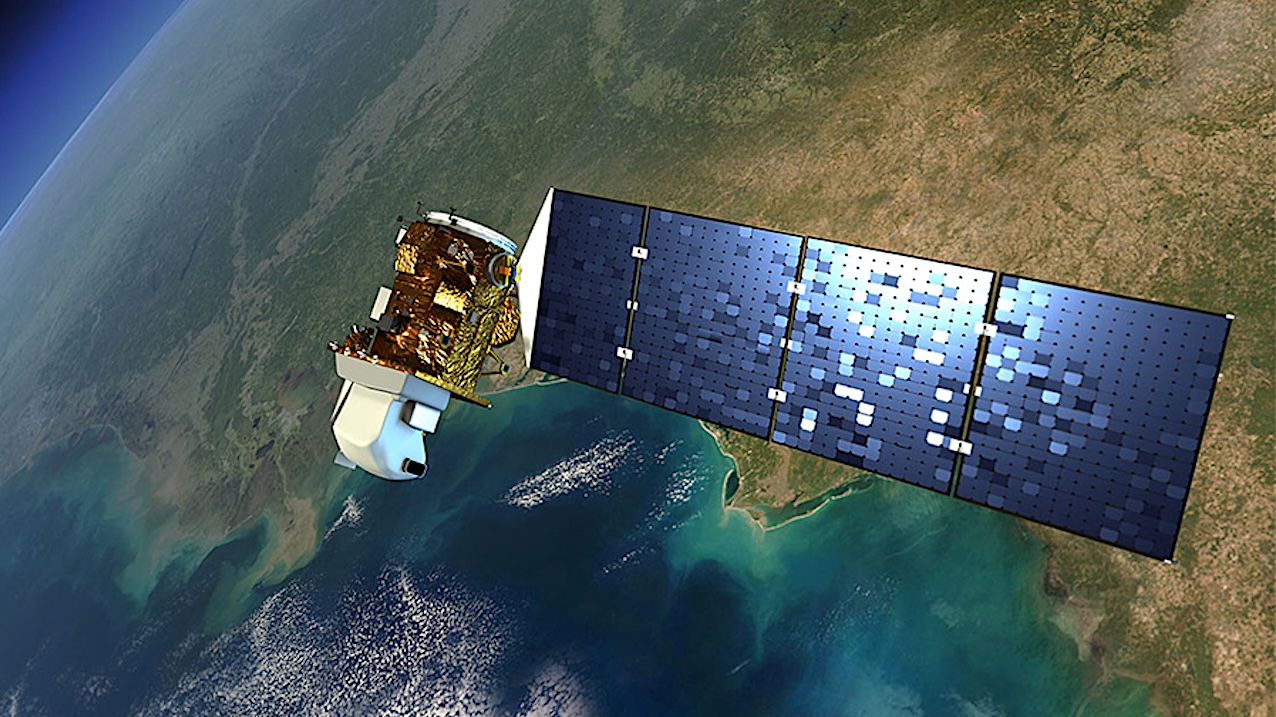
NASA is planning to significantly cut back on Landsat satellite capabilities due to the FY 2026 budget request, which is based on the President's proposal and not yet approved by Congress. This move, which disregards congressional support for Landsat, could lead to a reduction in Earth observation data and push users towards ESA and China, potentially weakening America's space and Earth science leadership.

NASA's Ultra-Limited Outreach Strategy

Originally Published 5 months ago — by NASA Watch

Featured image for NASA's Ultra-Limited Outreach Strategy
Source: NASA Watch

NASA has issued a notice about a new outreach data collection effort focused on a small segment of the public involved in specific events, raising concerns about the limited scope and effectiveness of their broader public engagement and communication strategies, and highlighting a lack of comprehensive metrics and long-term planning for maximizing their global soft power and educational impact.

Australia Halts $7B Military Satellite Project with Lockheed Amid Security Concerns

Originally Published 1 year ago — by Breaking Defense

Featured image for Australia Halts $7B Military Satellite Project with Lockheed Amid Security Concerns
Source: Breaking Defense

Australia's government has canceled its largest military space program, JP 9102, worth $5.3 billion, which was to be developed with Lockheed Martin. The decision, attributed to evolving space threats and budget constraints, shifts focus to a multi-orbit satellite system. This move has drawn criticism from industry experts and the Space Industry Association of Australia, who argue it undermines the country's sovereign space capabilities and defense spending. The cancellation is seen as part of broader defense budget adjustments amid rising costs of the AUKUS alliance and naval expansions.

"NASA Chief Raises Concerns Over China's Hidden Military Space Projects"

Originally Published 1 year ago — by Newser

Featured image for "NASA Chief Raises Concerns Over China's Hidden Military Space Projects"
Source: Newser

NASA Administrator Bill Nelson warned lawmakers that China's civilian space program is likely a cover for its military ambitions in space, emphasizing the need for the US to stay ahead in the geopolitical competition. He urged for a $25.6 billion NASA budget for fiscal 2025, expressing concerns about China's secretive and rapid advancements in space. Nelson also highlighted the importance of maintaining a global edge and peaceful use of space, as China aims to have astronauts on the moon by 2030.

"China's Mars Sample Return Mission Surges Ahead as NASA Faces Delays"

Originally Published 1 year ago — by Interesting Engineering

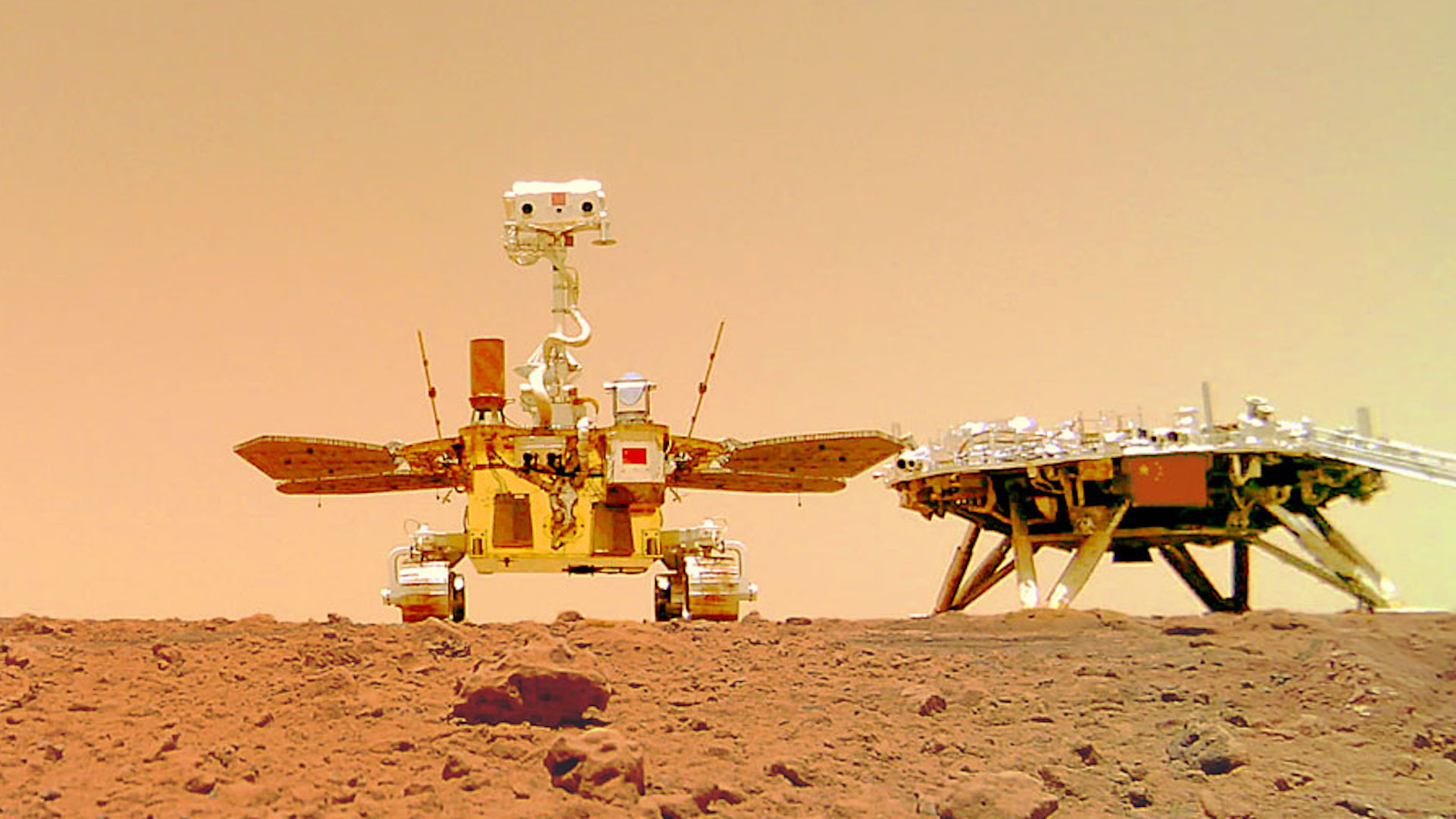
Featured image for "China's Mars Sample Return Mission Surges Ahead as NASA Faces Delays"
Source: Interesting Engineering

NASA's Mars Sample Return mission is facing criticism for going over budget, with costs likely to exceed $10 billion. Meanwhile, China's space program is making progress on its own Mars sample return mission, potentially positioning the country to be the first to return Mars samples.

"Decade-Old Russian Next-Generation Rocket Continues to Launch Dummy Payloads"

Originally Published 1 year ago — by Ars Technica

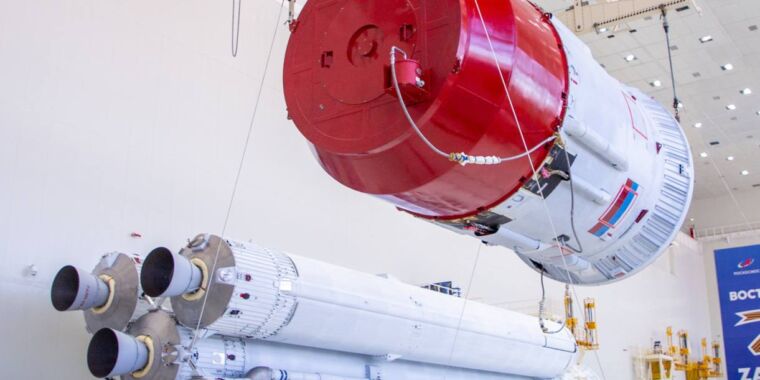
Featured image for "Decade-Old Russian Next-Generation Rocket Continues to Launch Dummy Payloads"
Source: Ars Technica

Russia's Angara A5 rocket, a next-generation heavy-lift rocket, is set to launch for the fourth time, but like previous missions, it will carry a dummy payload. The rocket program, which began development in 1992, has faced delays and economic challenges. While intended to replace the Proton launch vehicle, the Angara A5's commercial prospects are uncertain, and it currently lacks a significant payload demand. The upcoming launch will test changes to the rocket's upper stage and mark the first Angara flight from Russia's Vostochny Cosmodrome.

"Japan's SLIM Moon Lander Successfully Revives After Lunar Night"

Originally Published 1 year ago — by The Guardian

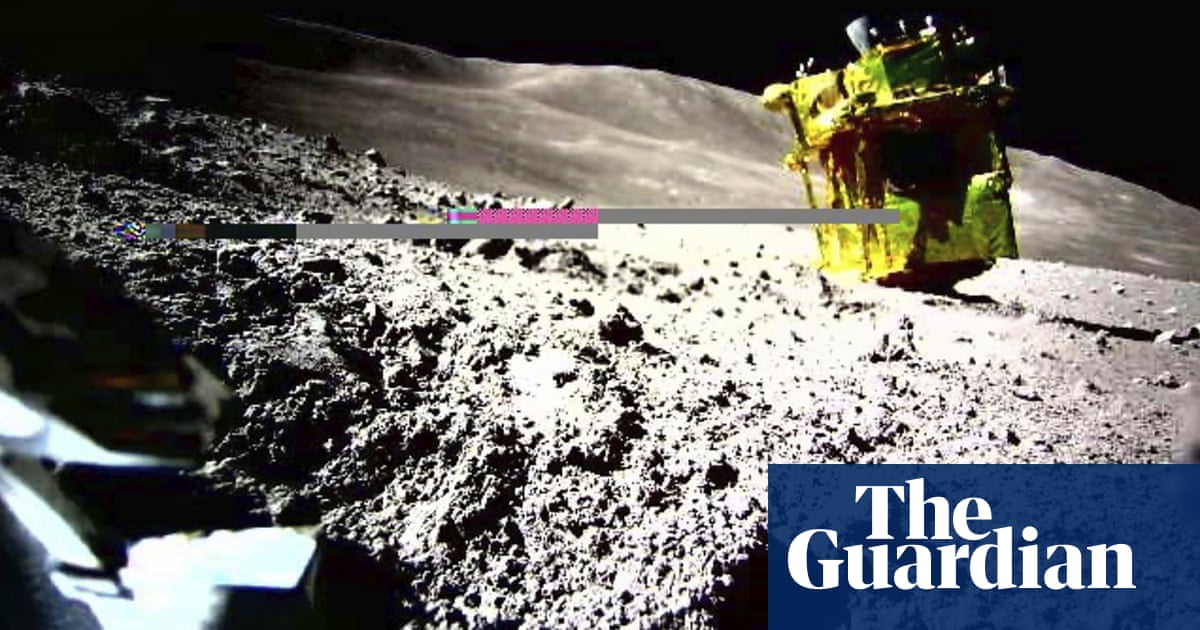
Featured image for "Japan's SLIM Moon Lander Successfully Revives After Lunar Night"
Source: The Guardian

Japan's moon lander, Slim, has survived a two-week lunar night after a wonky landing last month, responding to a signal from Earth and carrying out scientific observations of a crater with a hi-spec camera. The Japan Aerospace Exploration Agency (Jaxa) confirmed that Slim maintained its communication function during the lunar night, despite not being designed for such harsh conditions. This success comes after a string of recent failures for Japan's space program, making it the fifth country to achieve a "soft landing" on the moon.

"China Unveils 'Dream Vessel' and Lunar Lander for Manned Moon Mission"

Originally Published 1 year ago — by CNN

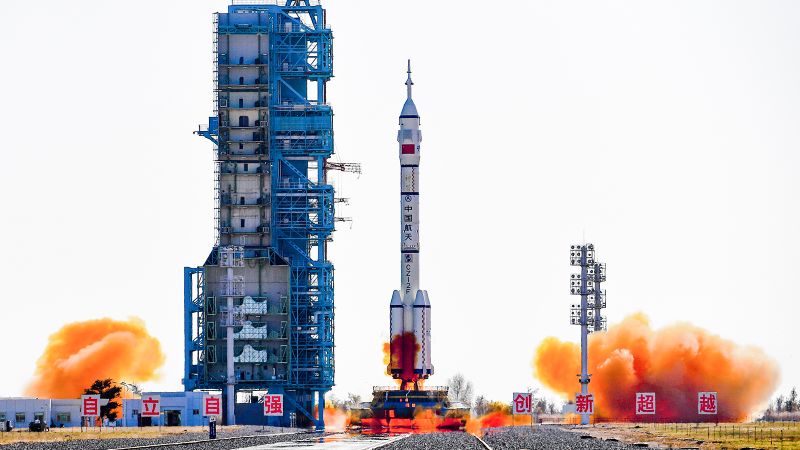
Featured image for "China Unveils 'Dream Vessel' and Lunar Lander for Manned Moon Mission"
Source: CNN

China's space agency has named the spacecraft it hopes will take Chinese astronauts to the moon by the end of the decade, including the spaceship Mengzhou, the lander Lanyue, and a super-heavy-lift carrier rocket named Long March 10. The craft are part of an ambitious program to confirm China's status as a major space power, with plans for a manned lunar mission by 2030. The names were chosen from public proposals, reflecting the Chinese people's aspiration and confidence in space exploration. This comes as the United States and other countries also ramp up their lunar programs, with China aiming to construct a permanent international research station on the lunar south pole by 2040.

"Japan's Successful Launch of H3 Rocket Marks Next-Generation Milestone"

Originally Published 1 year ago — by Ars Technica

Featured image for "Japan's Successful Launch of H3 Rocket Marks Next-Generation Milestone"
Source: Ars Technica

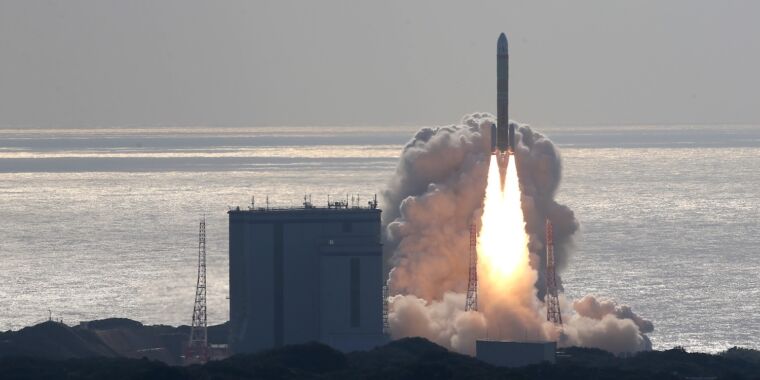
Japan's new H3 rocket successfully completed its second test flight, marking a significant milestone for the country's space program. The rocket, which is set to power most of Japan's space missions in the coming decade, demonstrated its capabilities by deploying a dummy payload and two smaller satellites into orbit. While Japan aims for the H3 to compete in the global commercial launch market, it faces tough competition from established players like SpaceX. Nonetheless, the H3 is crucial for Japan's space program, offering improved cost-effectiveness and capabilities compared to its predecessor, the H-IIA rocket.

Iran's Triple Satellite Launch Marks Advancement in Space Program

Originally Published 1 year ago — by Euronews

Featured image for Iran's Triple Satellite Launch Marks Advancement in Space Program
Source: Euronews

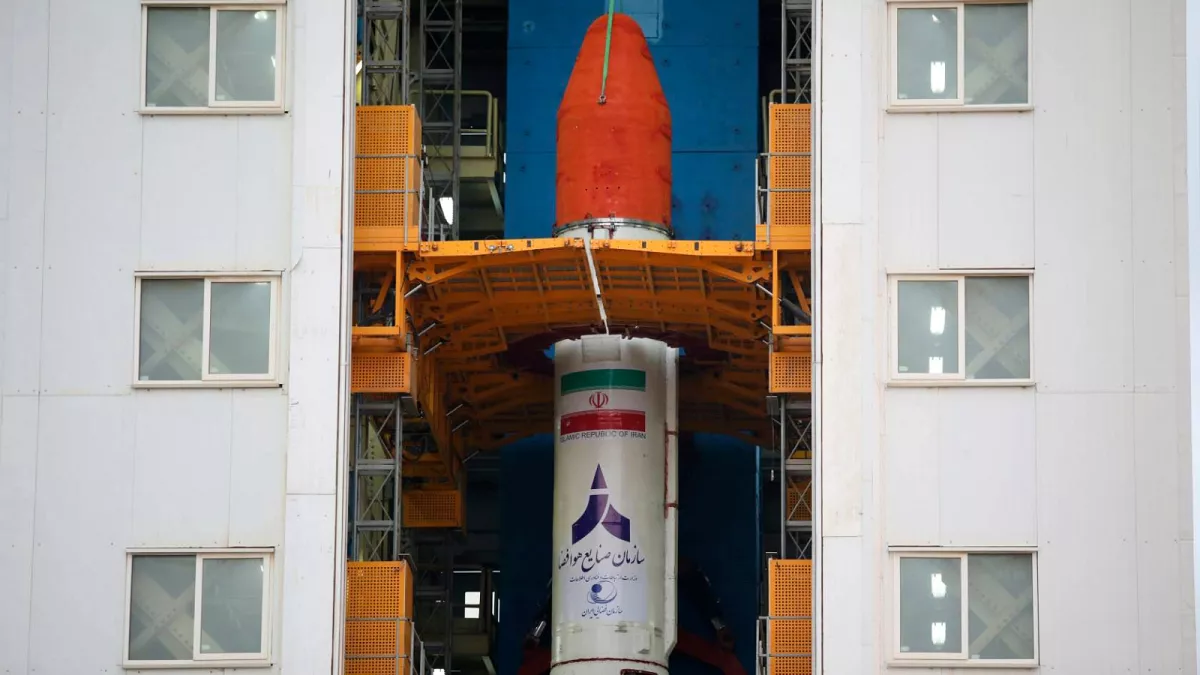
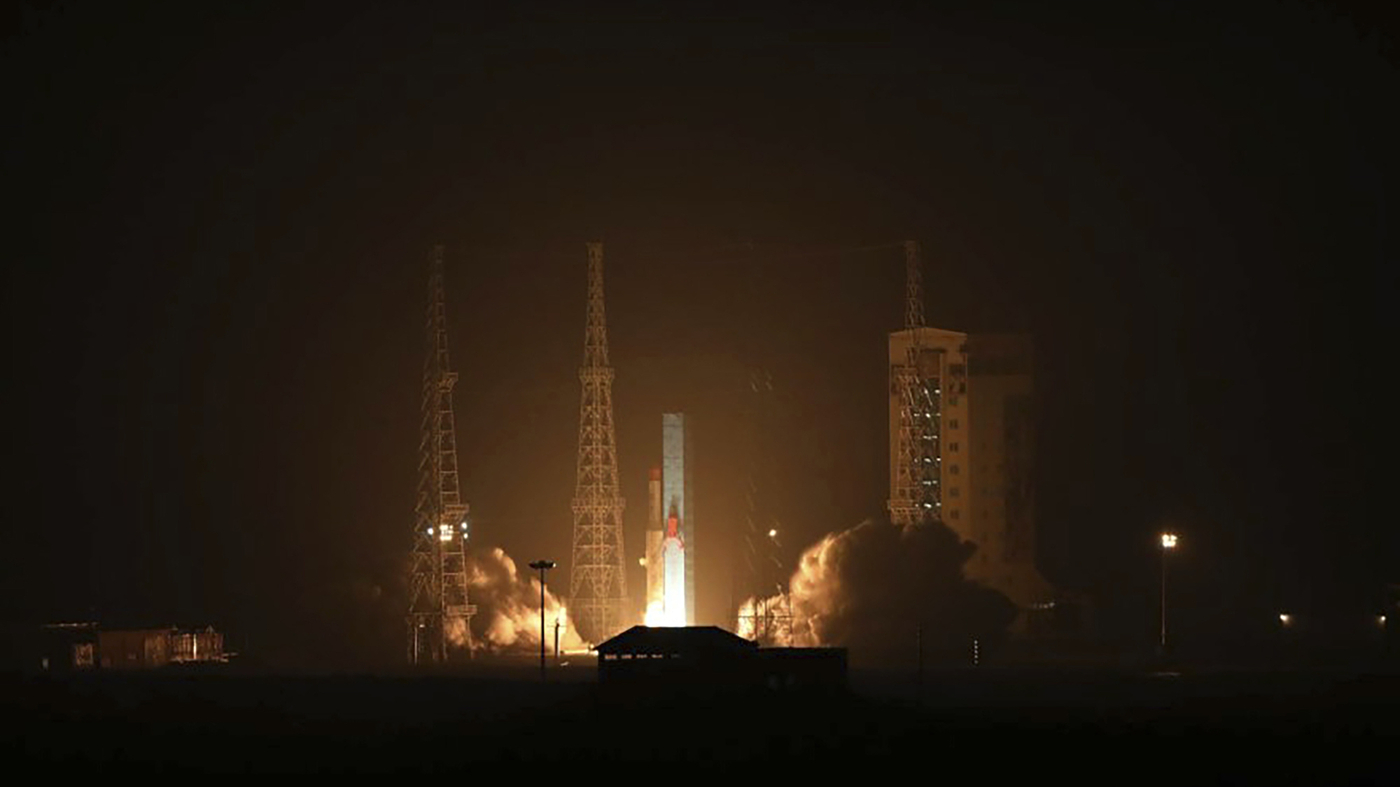
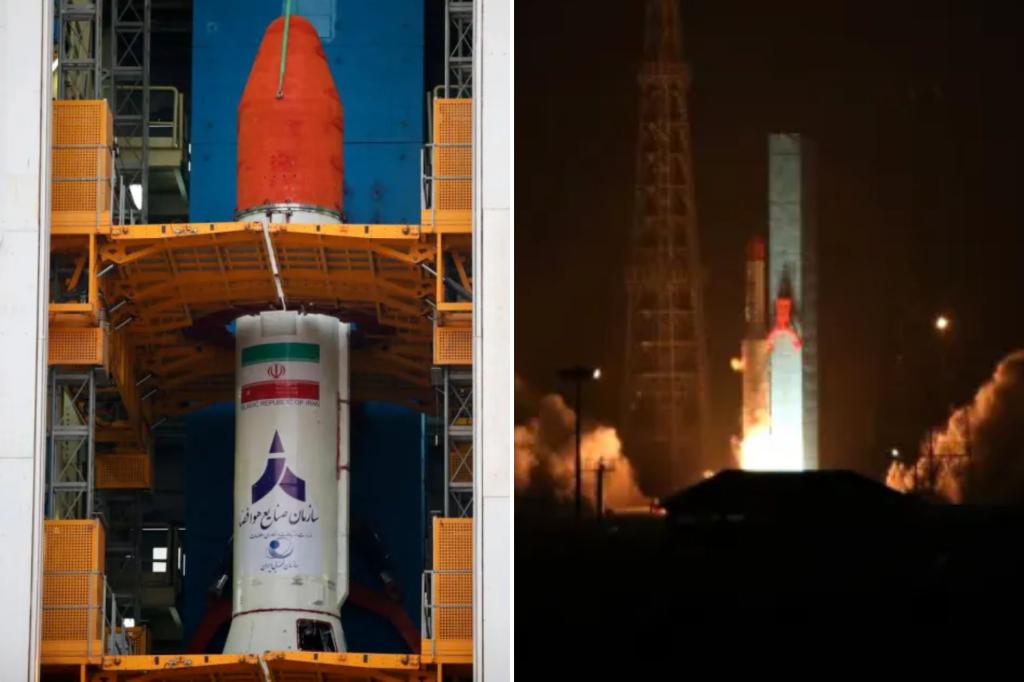
Iran successfully launched three satellites into space using a rocket that had previously experienced multiple failures, amid heightened tensions in the Middle East. The launch took place at the Imam Khomeini Spaceport in Iran’s Semnan province, with the satellites named Mahda, Kayhan-2, and Hatef-1. The West has expressed concerns about Iran's ballistic missile program and nuclear activities, while Iran faces pressure within its theocracy to take action in response to recent events in the region.

"Iran's Satellite Launches Escalate Tensions with Western Powers"

Originally Published 1 year ago — by NPR

Featured image for "Iran's Satellite Launches Escalate Tensions with Western Powers"
Source: NPR

Iran successfully launched three satellites into space using a rocket that had previously experienced multiple failures, amid heightened tensions in the Middle East. The West has expressed concerns that Iran's space program could improve its ballistic missiles. The launch comes as Iran faces pressure within its theocracy for action following recent events, and as Western nations remain worried about Iran's expanding nuclear program. The U.S. intelligence community has warned that Iran's satellite launch vehicles could shorten the timeline for developing intercontinental ballistic missiles.

"Iran's Satellite Launch Escalates Tensions Amid Western Criticism"

Originally Published 1 year ago — by Yahoo News

Featured image for "Iran's Satellite Launch Escalates Tensions Amid Western Criticism"
Source: Yahoo News

Iran successfully launches three satellites into space with a rocket that had multiple failures in the past, sparking concerns from Western nations about Tehran's ballistic missile program. The launch comes amid heightened tensions in the Middle East, with fears of a regional conflict as Israel continues its war on Hamas in the Gaza Strip. The U.S. intelligence community has expressed concerns that Iran's satellite launch vehicles could shorten the timeline for developing intercontinental ballistic missiles. Iran's hard-line President Ebrahim Raisi has pushed the space program forward, while Western nations condemn the satellite launch as capable of aiding Iran's long-range ballistic missile development.

"Iran's Controversial Satellite Launches Amid Western Tensions"

Originally Published 1 year ago — by New York Post

Featured image for "Iran's Controversial Satellite Launches Amid Western Tensions"
Source: New York Post

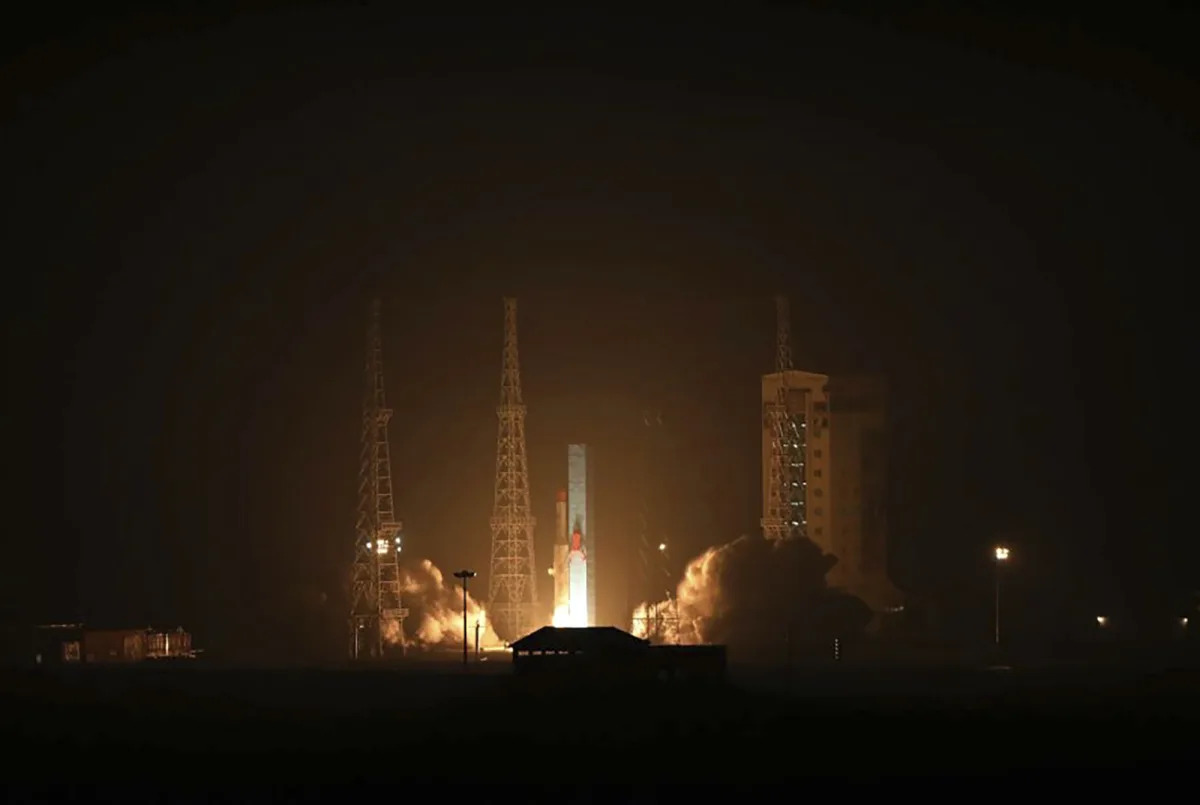
Iran successfully launched three satellites into space as part of a program criticized by the West for its potential to improve ballistic missiles, amid heightened tensions in the Middle East. The launch utilized the Simorgh rocket, which has previously experienced failures, and comes as Iran faces pressure to take action following recent regional conflicts. The United States has condemned Iran's satellite launches, citing a UN Security Council resolution, and expressed concerns about the potential military implications of Iran's space program.