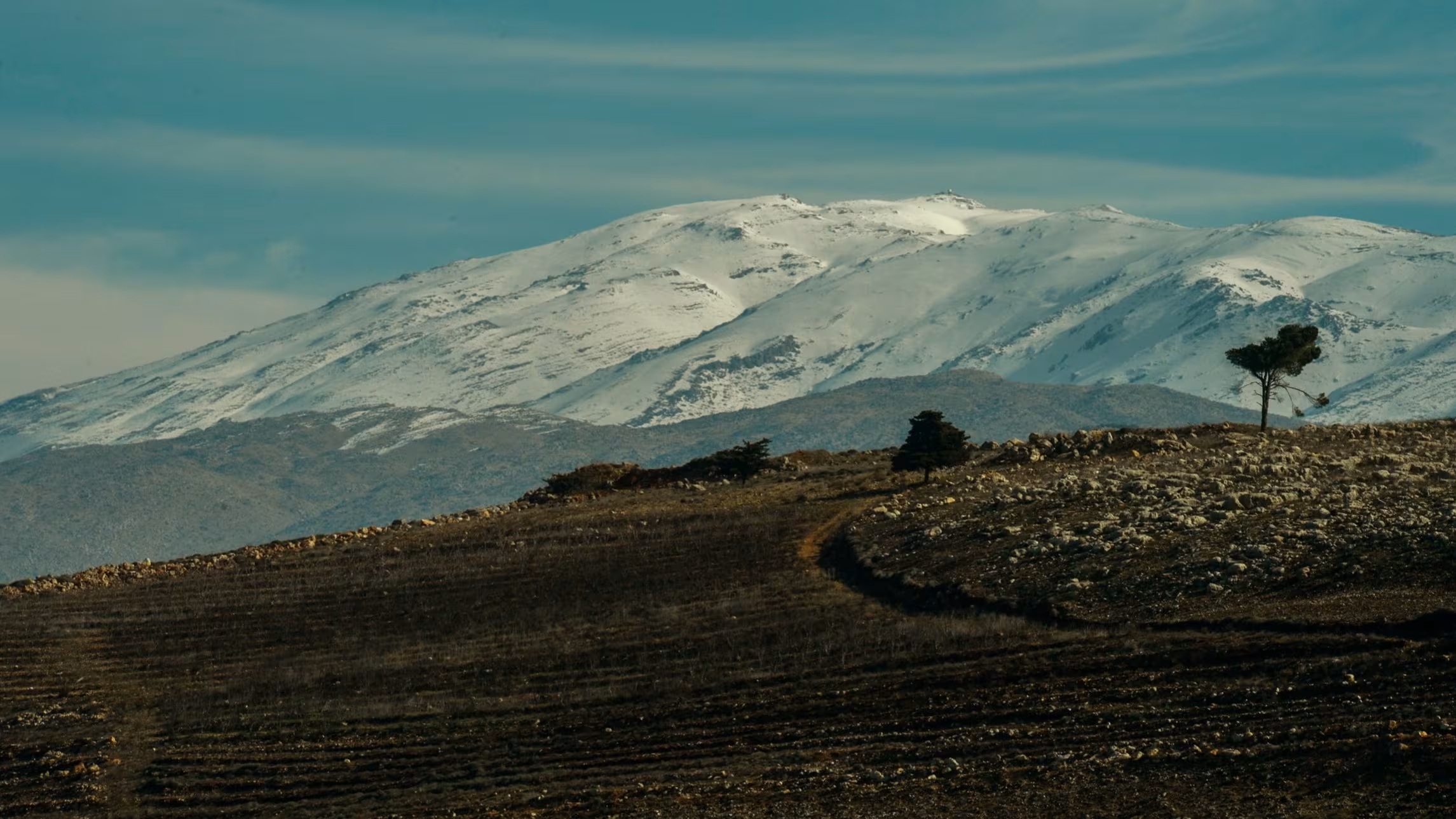
Israel to Maintain Troops in Syrian Buffer Zone Despite Tensions
Israel plans to maintain its military presence in Syrian territory, according to the country's defense minister, highlighting ongoing regional security concerns.

All articles tagged with #military presence
Israel plans to maintain its military presence in Syrian territory, according to the country's defense minister, highlighting ongoing regional security concerns.
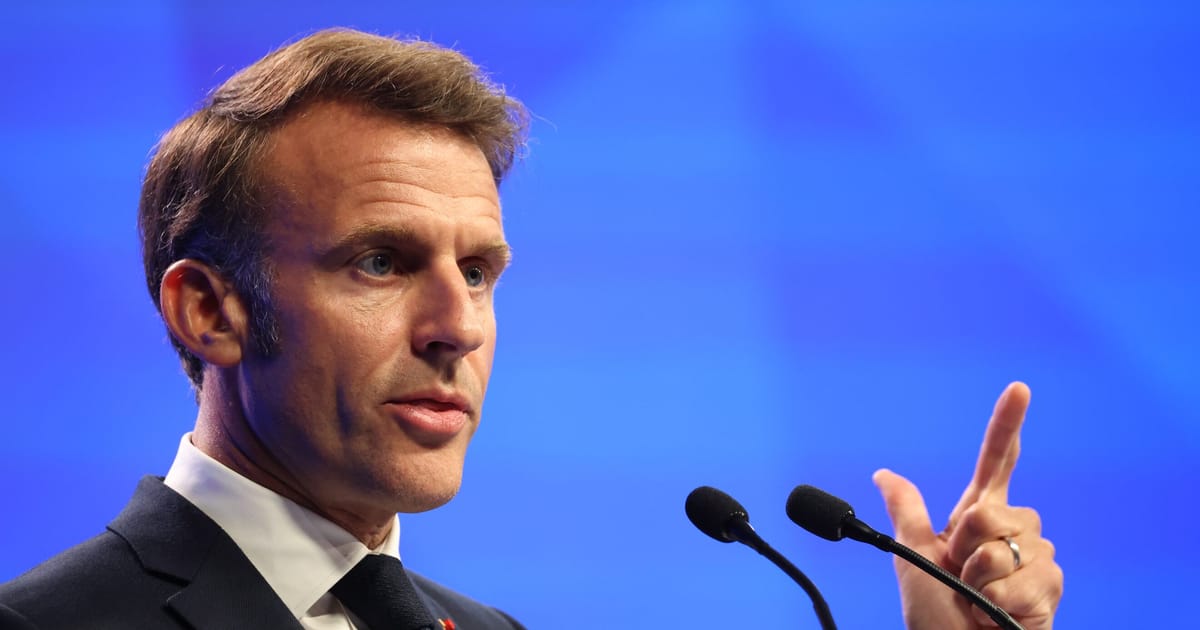
European countries are focusing on enhancing their defense and space capabilities amid geopolitical tensions involving Russia, China, and the US, with discussions on nuclear deterrence, military cooperation, and the need for cheaper satellite technology to stay competitive.

NASA Administrator Bill Nelson warned lawmakers that China's civilian space program is likely a cover for its military ambitions in space, emphasizing the need for the US to stay ahead in the geopolitical competition. He urged for a $25.6 billion NASA budget for fiscal 2025, expressing concerns about China's secretive and rapid advancements in space. Nelson also highlighted the importance of maintaining a global edge and peaceful use of space, as China aims to have astronauts on the moon by 2030.

NASA administrator Bill Nelson warned that China's space capabilities are being used for military purposes under the guise of a civilian program, emphasizing the need for vigilance. He expressed concern that China could claim territory on the moon if it lands there first and urged the US to maintain its global edge in space exploration, as both nations pursue lunar missions. Nelson highlighted China's significant investment in space and the need for the US to remain realistic and not let down its guard.
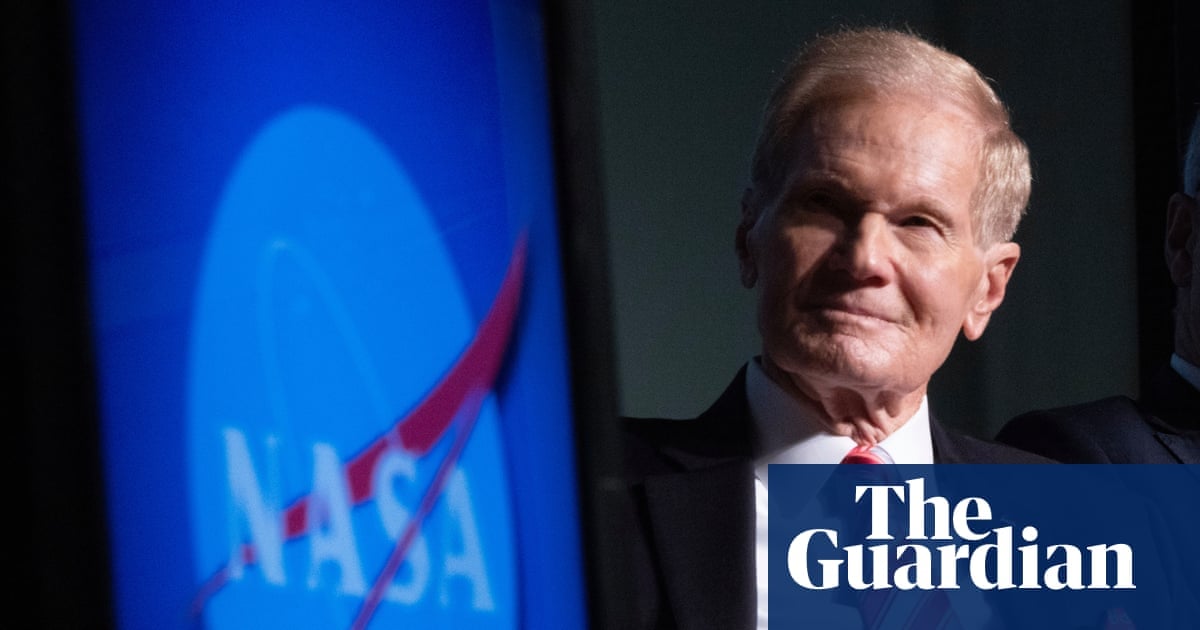
NASA administrator Bill Nelson warned that China may be using its civilian space program as a cover for military objectives, expressing concern about Beijing's secrecy and the potential for a space race. He emphasized the need for the US to maintain its global edge in space exploration and land on the moon before China, as both nations pursue lunar missions, while urging vigilance and caution in the face of China's rapid advancements in space capabilities.
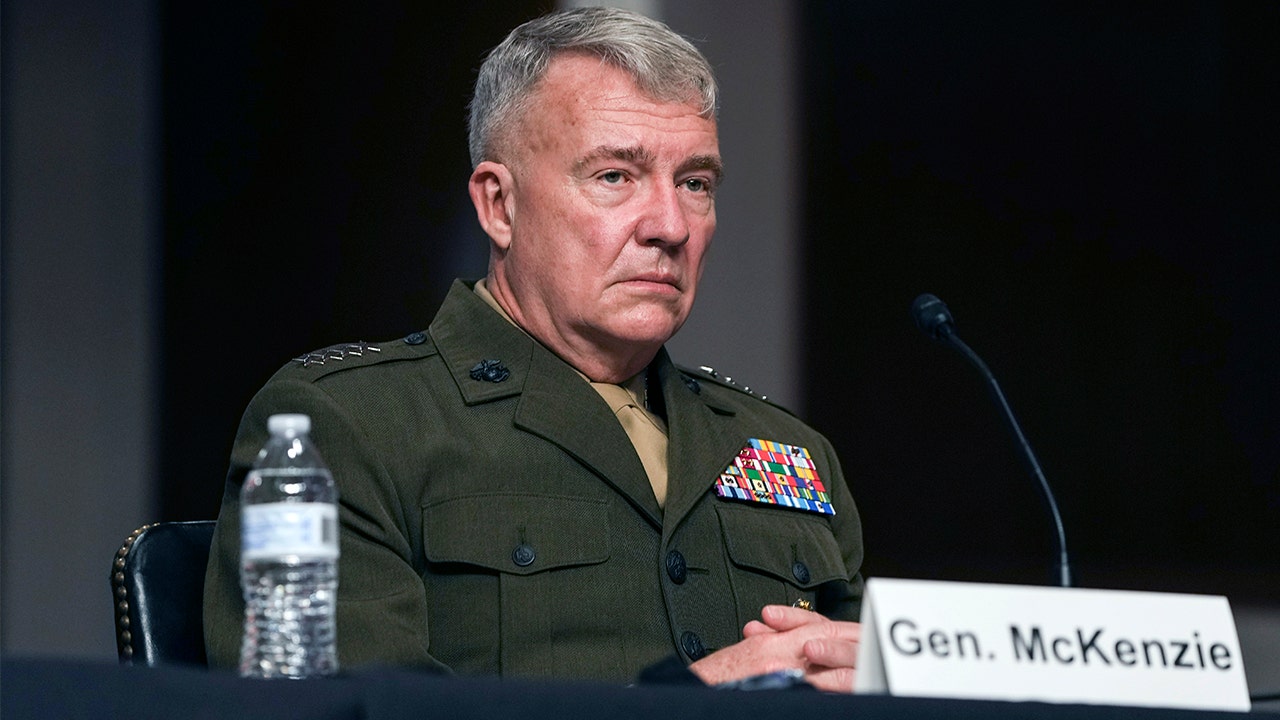
Retired Gen. Frank McKenzie, former head of U.S. Central Command, warned of the "inevitable" threat of ISIS attacks on the U.S. and other foreign powers following the deadly attack in Moscow last month. He believes the threat is growing and attributes it to the chaotic U.S. withdrawal from Afghanistan, which took pressure off ISIS-K. McKenzie advocates for maintaining a small troop presence in Afghanistan to combat extremists and prevent large-scale attacks. European leaders have also warned about the prospect of war, with Polish Prime Minister Donald Tusk urging European nations to invest in defense amid escalating tensions.
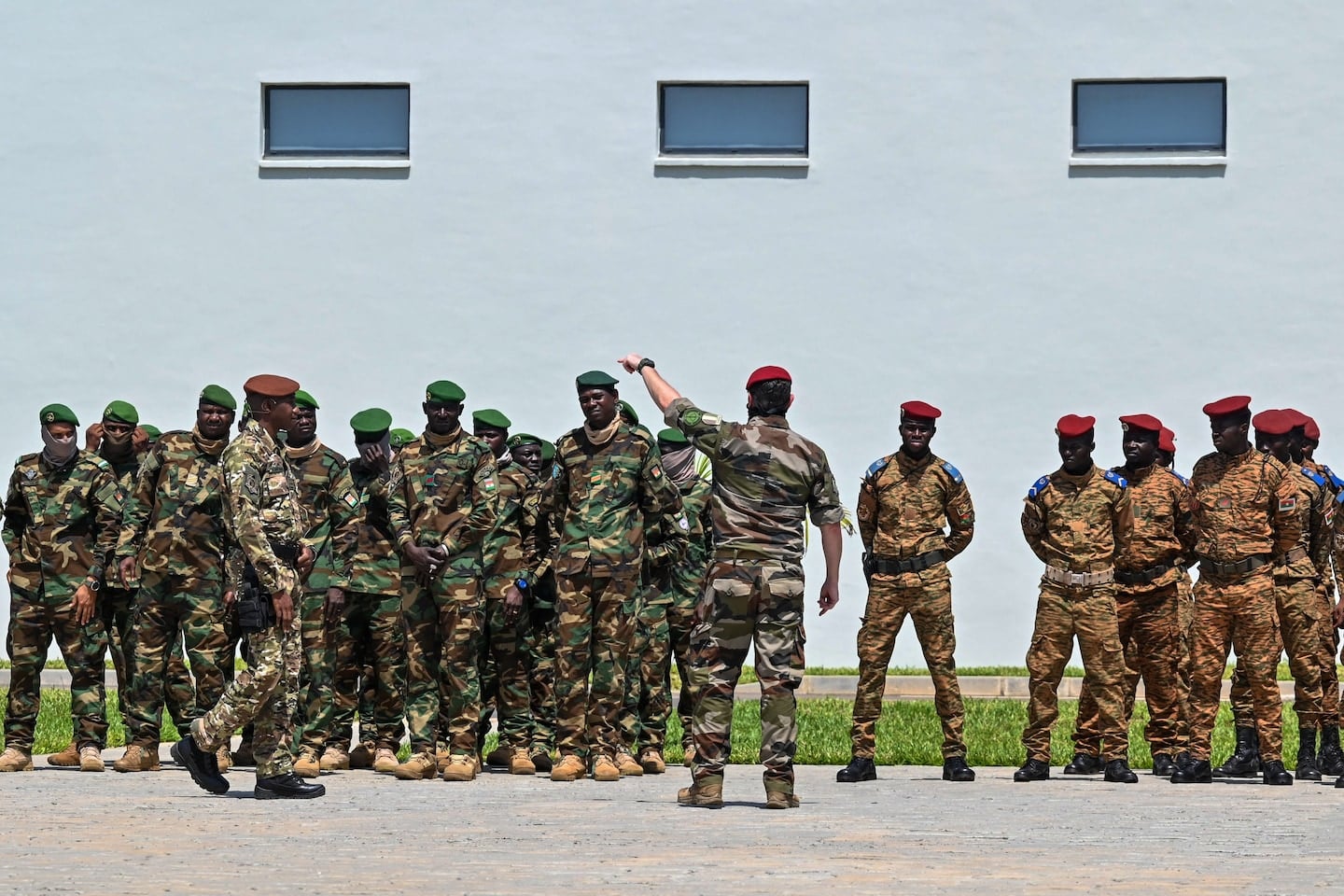
The U.S. is in talks with Niger's military junta to determine if they can maintain a security presence in the country after the junta declared the presence of U.S. troops "illegal." The junta's decision followed concerns raised by the Biden administration about Niger's relationships with Iran and Russia. The U.S. military presence in Niger, which includes about 1,000 troops and a large drone base, has been part of efforts to counter Islamist militancy in the region. The junta's strong stance has sparked calls within Nigerien society for American troops to depart, leaving the situation in limbo for U.S. service members at the drone base.
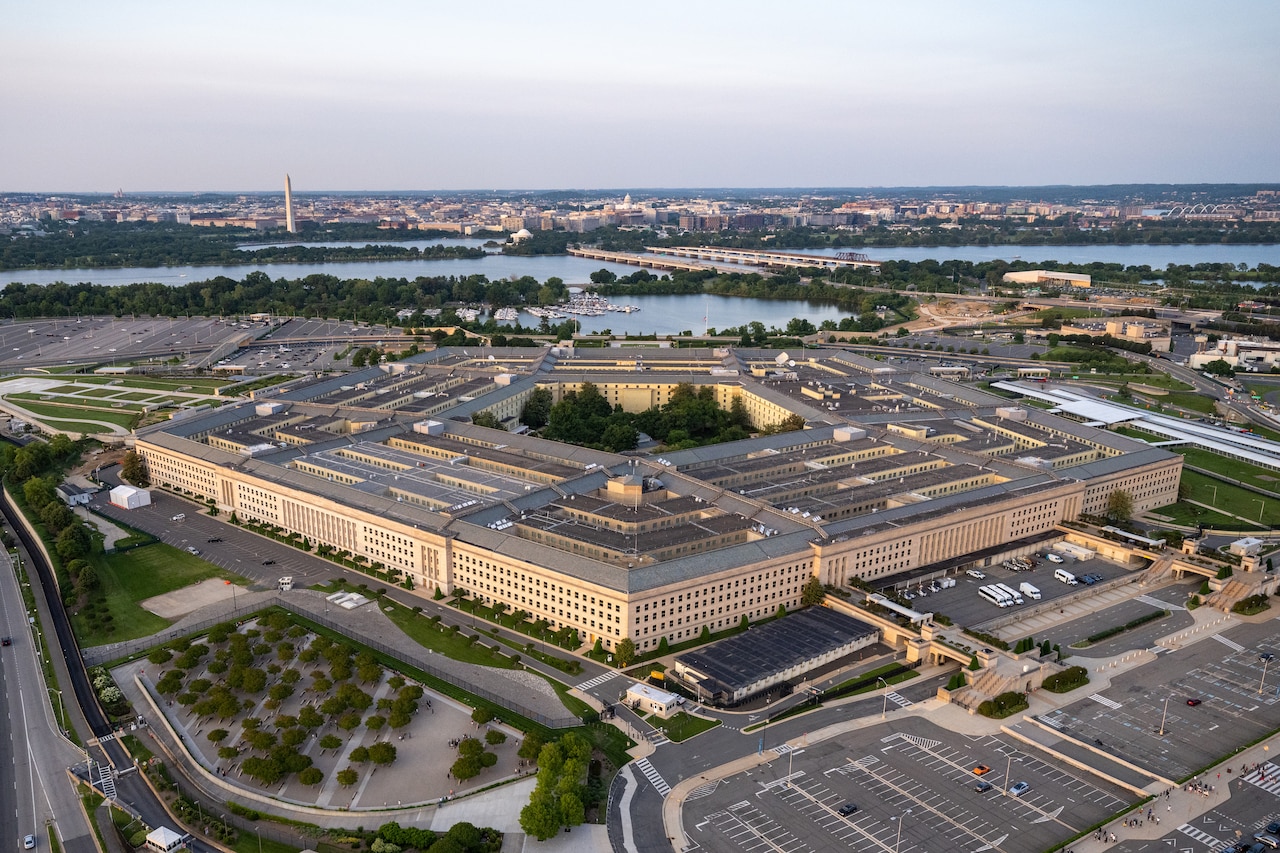
A U.S. delegation recently engaged in discussions with Nigerien officials regarding concerns over potential relationships with Russia and Iran, as well as the status of U.S. forces in the country. The discussions emphasized the importance of respecting Niger's sovereignty and included diplomatic efforts to seek clarification on the end of the status of forces agreement. The U.S. delegation, which included military and diplomatic officials, met with various stakeholders in Niger, where approximately 1,000 U.S. military personnel are currently stationed following the coup last year.
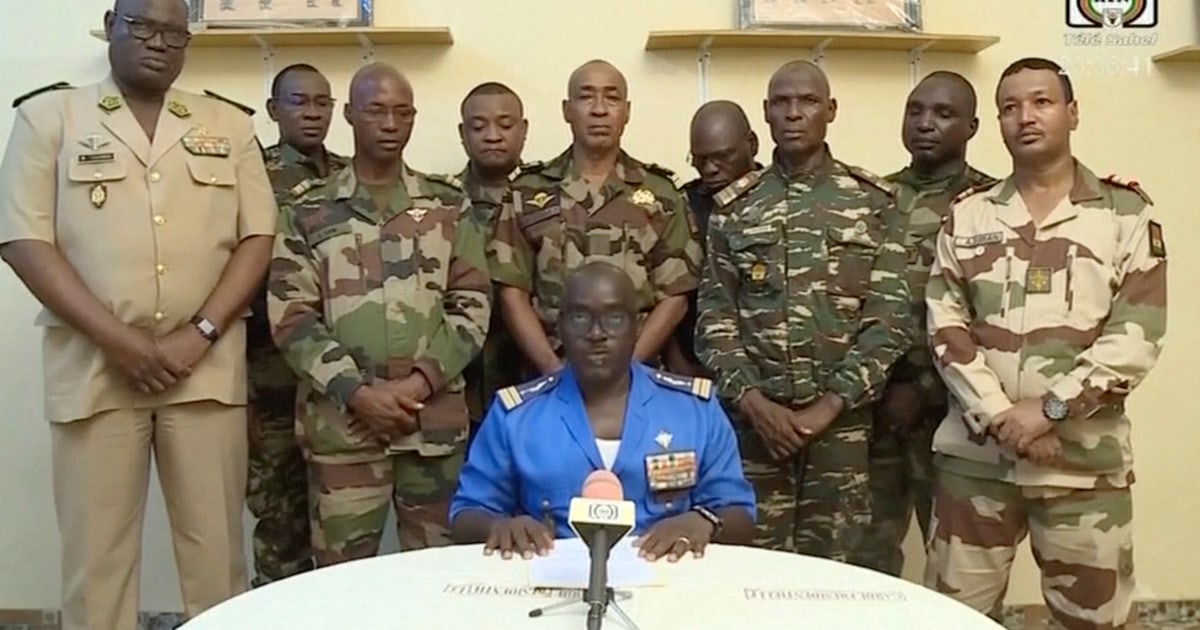
Niger's junta announced on state television that the U.S. military presence in the country is no longer justified, suspending military cooperation with Washington and criticizing recent U.S. flights over its territory as illegal. The U.S. has restricted military support to Niger since officially designating the July overthrow of the democratically elected president as a coup, and has been concerned about jihadist violence in the region. The junta's statement follows high-level talks with U.S. diplomatic and military officials, and comes after the country ended its security partnership with the European Union and France withdrew its troops.
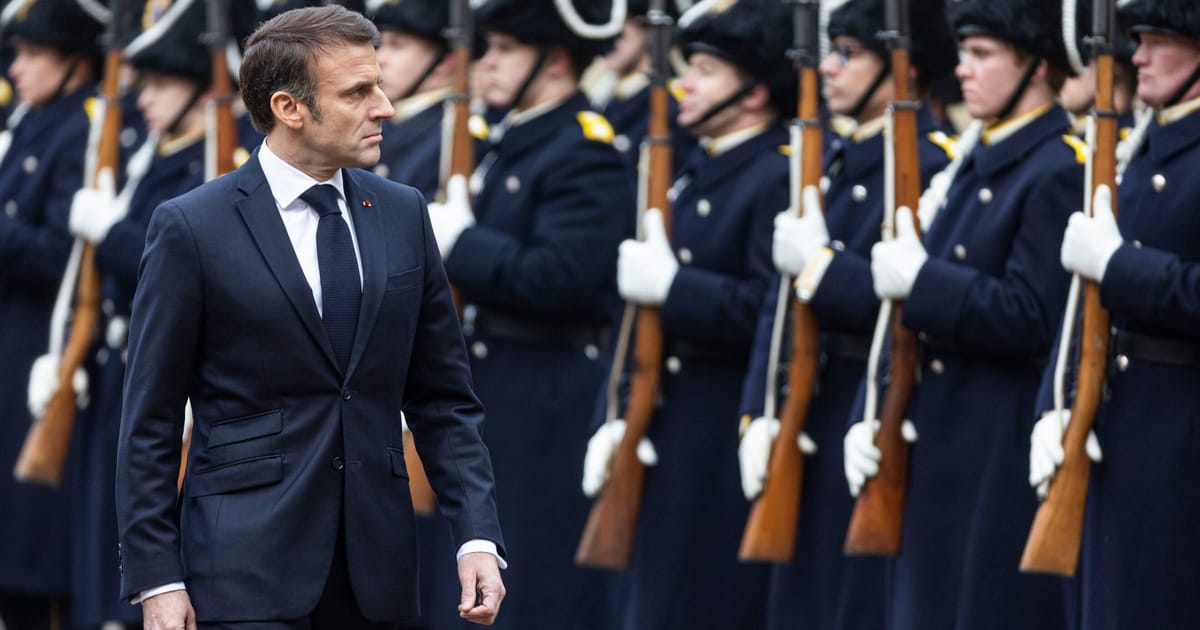
French President Macron faces criticism for not ruling out the possibility of Western military presence in Ukraine, as European leaders agree to increase ammunition purchases from third-country suppliers. Meanwhile, Ukraine urges EU leaders to take more decisive action, and the French far-right leader attempts to distance herself from Germany's AfD following revelations of a clandestine extremist meeting.
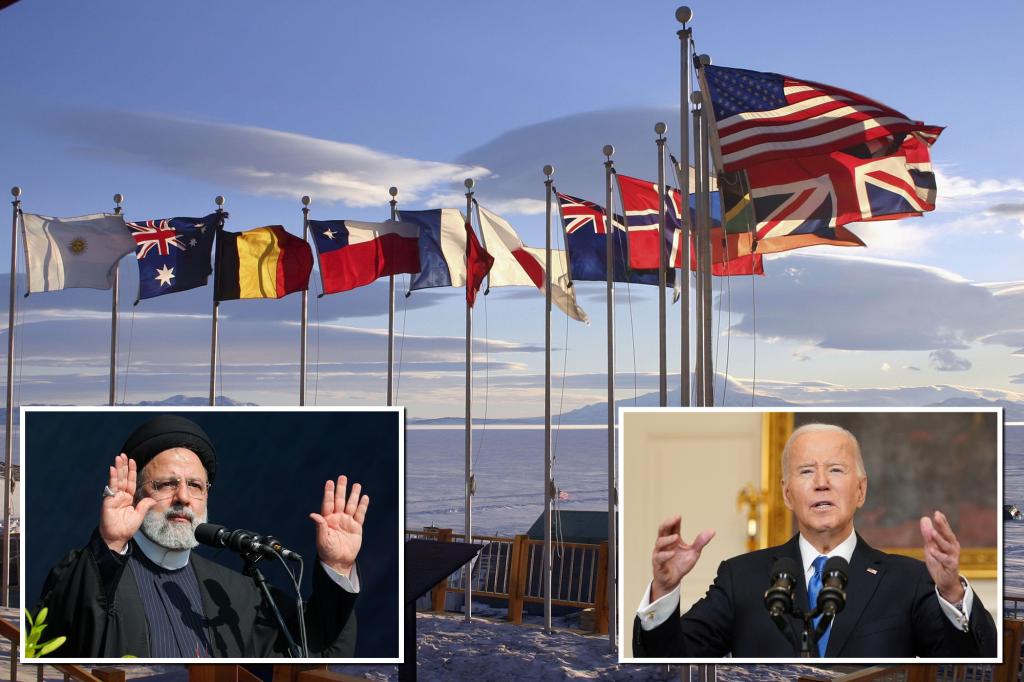
Iran's Navy commander declared that the regime owns Antarctica and plans to establish a military presence in the South Pole, challenging global treaties and the Biden administration. Despite recent American unfreezing of $6 billion in Iranian funds, the U.S. State Department clarified that the funds cannot be used for activities in Antarctica. Iran's President, Ebrahim Raisi, disputed the restrictions and vowed to use the funds "wherever we need it." Experts warn that Iran's expansion into Antarctica violates multilateral conventions and continues the regime's trend of aggression, posing a threat to world stability.
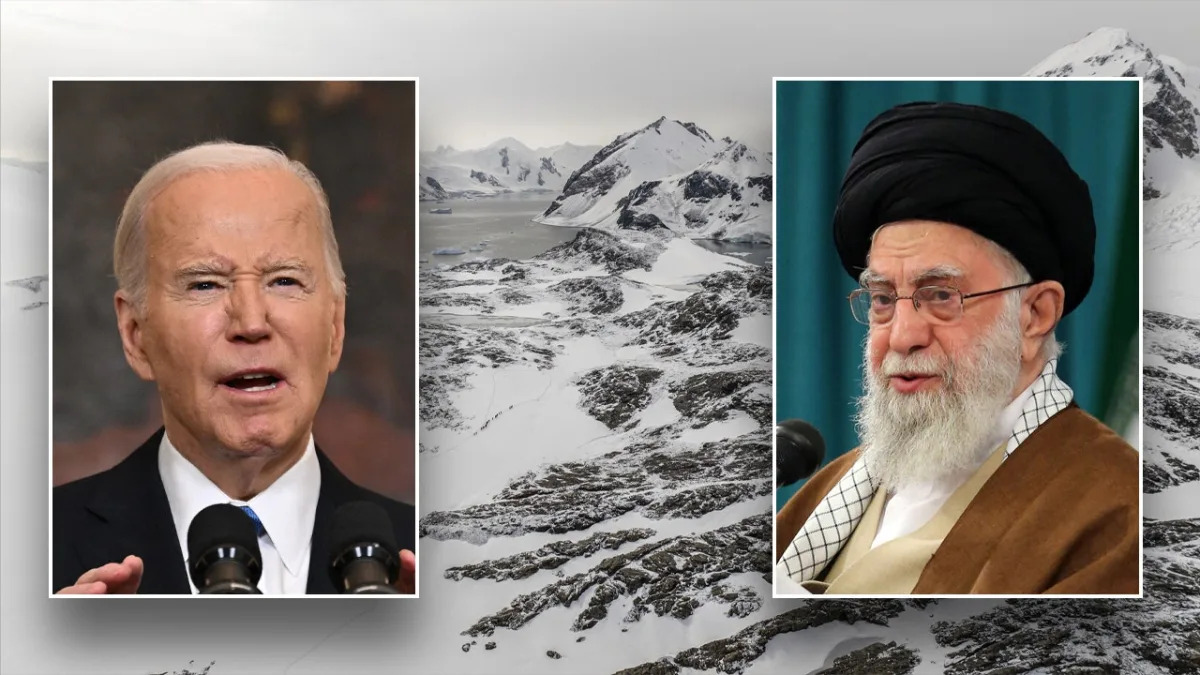
Iran's Navy commander declared that the regime owns Antarctica and plans to build a military operation in the South Pole, challenging the global treaty and the Biden administration. Despite growing bellicosity, the U.S. released $6 billion in sanctions relief to Iran, which Iran's President, Ebrahim Raisi, stated would be used "wherever we need it." Experts warn that Iran's expansion into Antarctica violates multilateral conventions and poses a threat to world stability, while others view it as an ambitious but pointless plan by a state with wrong priorities.
Russia plans to double its military presence along the border with NATO, prompting warnings from Estonia about the escalating tensions. The move comes amid growing concerns about Russian aggression and its impact on neighboring countries, particularly those in the Baltic region. Estonia has expressed alarm over the increased militarization and called for a unified response from NATO to address the situation.
The Israeli Defense Forces (IDF) are set to increase their military presence in the northern Gaza Strip as Hamas attempts to re-establish itself in the area, with reports of clashes and the destruction of a terror tunnel route. The IDF estimates around 2,000 Hamas terrorists remain in the north, and accuses the lack of decisiveness on the future of the Gaza Strip by the political echelon as contributing to Hamas's resurgence.
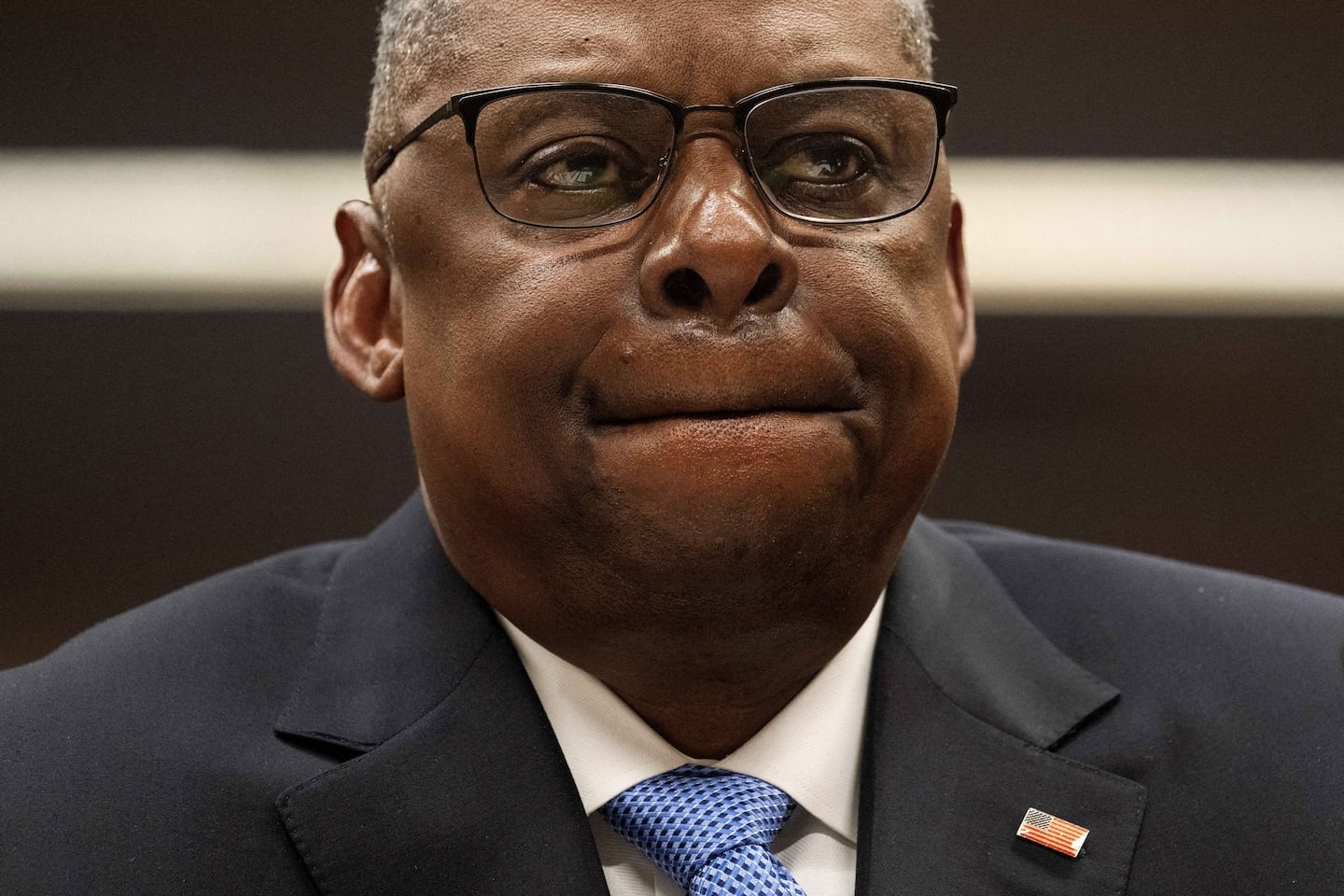
The U.S. Defense Secretary has indicated the possibility of reducing the American military presence in Iraq, with upcoming meetings between U.S. and Iraqi officials aimed at establishing a long-term security partnership. This comes amidst escalating tensions and attacks by Iranian-backed militias on U.S. forces in the region. While Iraqi officials have called for the departure of U.S. troops, the exact nature of the new arrangement remains uncertain, with potential withdrawals from Iraq and Syria being considered.